

Have you ever opened your fridge only to find your fresh cut lettuce wilted and sad? You’re not alone. Many people struggle with keeping lettuce crisp and fresh, wasting both time and money on spoiled greens.
Key Takeaways
- Proper storage is essential for maintaining fresh cut lettuce’s crispness and prolonging its shelf life, reducing both food waste and costs.
- Use airtight containers or resealable bags to keep out air and moisture, and store lettuce in the refrigerator at temperatures below 40°F (4°C).
- Including a paper towel in your storage container helps absorb excess moisture, maintaining the crispness of lettuce and preventing sogginess.
- Vacuum sealing is an effective method that can extend the shelf life of fresh cut lettuce up to twice as long compared to traditional methods.
- Avoid storing lettuce near ethylene-emitting fruits like apples and bananas, as they can accelerate spoilage and reduce freshness.
- Adjust humidity settings in your refrigerator to maintain a moderate level, which is key for preventing sogginess while keeping lettuce fresh.
Importance of Proper Storage
Proper storage of fresh cut lettuce ensures its crispness and longevity. Lettuce quickly wilts if exposed to the wrong conditions. Maintaining its freshness maximizes your investment in groceries and reduces waste.
Fresh cut lettuce releases moisture, which can lead to rapid spoilage. Storing it correctly keeps moisture levels controlled. It also preserves essential nutrients, enhancing the nutritional value of your meals.
Choose the right storage containers. Use airtight containers to keep out air and moisture. Alternatively, try resealable bags with the air pushed out. Both options can extend the shelf life of your lettuce.
Temperature matters too. Keep cut lettuce in the refrigerator at temperatures below 40°F (4°C). This environment slows down the growth of bacteria and keeps lettuce fresh longer.
Consider adding a paper towel in the storage container. This absorbs excess moisture, further extending the lettuce’s crispness. Replace the towel as needed to ensure optimal conditions.
Proper storage not only enhances delicious salads but also contributes to overall meal satisfaction. You’ll enjoy the texture and taste of your salads more when ingredients remain fresh.
Recommended Products

PRODUCE STORAGE CONTAINER + COLANDER: This produce saver features an adjustable air vent & water reservoir to create the ideal environment for fresh fruits & vegetables, keeping them fresh longer.

GreenSaver Produce Keeper prevents fruits and vegetables from spoiling too quickly

𝐊𝐞𝐞𝐩𝐬 𝐕𝐞𝐠𝐞𝐭𝐚𝐛𝐥𝐞𝐬 𝐅𝐫𝐞𝐬𝐡 𝐋𝐨𝐧𝐠𝐞𝐫: The Home-X salad keeper for refrigerator is designed to preserve the freshness of lettuce, broccoli, cauliflower, and more. It creates an ideal cold, moist storage environment to help your vegetables stay crisp and fresh for longer periods.
Methods for Storing Fresh Cut Lettuce
Storing fresh cut lettuce properly can greatly extend its lifespan and keep it crisp. Here are several effective methods to ensure your greens stay fresh.
Recommended Products
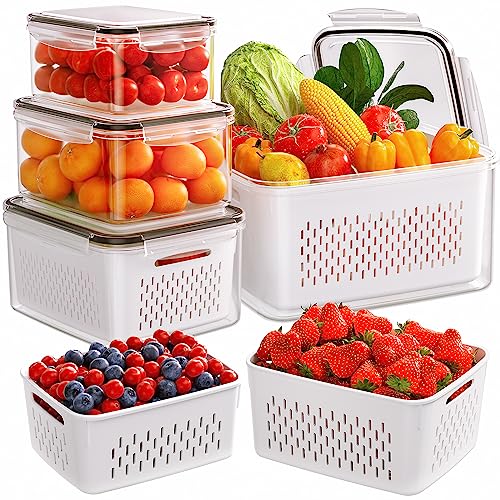
【5 Different Size & Large Capacity】 Upgrade fruit containers for fridge set include 5 pack of X-Large size 140 OZ(4.15L) + large size 106 OZ (3.15L) + medium size 57 OZ(1.7L) + small size 27 OZ(0.8L) +mini size 12 OZ(0.35L). Various capacities can perfectly fit for most fruits, veggies produce and other food storage.

Freshness and Crispness: This vegetable and lettuce container maintains the natural humidity of your produce, keeping them fresh and crisp for longer. It's an excellent way to ensure that your vegetables don't go to waste and stay flavorful.

5 packs : You will get 5 fridge storage containers with colander size from 300 ml to 4200 ml [10 oz - 148 oz ]. Suited for Most fruits, vegetables, berries, meats.
Refrigeration Techniques
Refrigeration plays a key role in maintaining lettuce freshness. Store your cut lettuce in the crisper drawer of your refrigerator, where temperatures stay consistent. Use an airtight container or resealable bag, pushing out excess air before sealing. Keeping the temperature below 40°F (4°C) slows down spoilage and keeps beneficial nutrients intact. Arrange the lettuce loosely to allow for air circulation.
Vacuum Sealing
Vacuum sealing is an excellent method for storing fresh cut lettuce. This technique removes air, which significantly reduces moisture buildup and spoilage. Place the lettuce in a vacuum-sealable bag, ensuring it’s not packed too tightly. Seal the bag according to your vacuum sealer’s instructions, then store it in the fridge. Vacuum-sealed lettuce can last up to twice as long as traditionally stored lettuce.
Use of Paper Towels
Using paper towels effectively absorbs excess moisture, prolonging the crispness of your lettuce. Line the bottom of your storage container with a paper towel before adding the cut lettuce. Place another paper towel on top before sealing the container. This method captures moisture released by the greens, preventing them from becoming soggy. Change the paper towels if you notice them becoming damp to maintain optimal freshness.
Factors Affecting Freshness
Fresh cut lettuce depends on specific factors to maintain its crispness. Understanding these factors helps maximize the shelf life of your greens.
Temperature Considerations
Temperature plays a vital role in preserving cut lettuce. Keep it below 40°F (4°C) to slow bacterial growth. Storing lettuce in the crisper drawer ensures a stable temperature that prevents wilting. Avoid placing it near fruits like apples and bananas, which emit ethylene gas that can hasten spoilage.
Humidity Levels
Humidity affects the freshness of cut lettuce significantly. High humidity can lead to excess moisture, causing the lettuce to become soggy. To manage humidity, place a paper towel in your storage container to absorb excess moisture. Adjust the humidity level of your refrigerator if possible, as lower humidity slows down decay while higher levels can promote it. Aim for a balance that keeps your lettuce crisp without allowing it to dry out.
Best Practices for Storing Fresh Cut Lettuce
Storing fresh cut lettuce properly keeps it crisp and extends its lifespan. Here are the best practices to follow:
Recommended Products

Better for different produce : You will get 4 sized fridge organizers and 4 matched colanders that could be used in the container or separate. Size from 0.32 L to 2.7 L [ 0.34 - 2.85 qt ]. Suited for berries, fruits, vegetables, meats
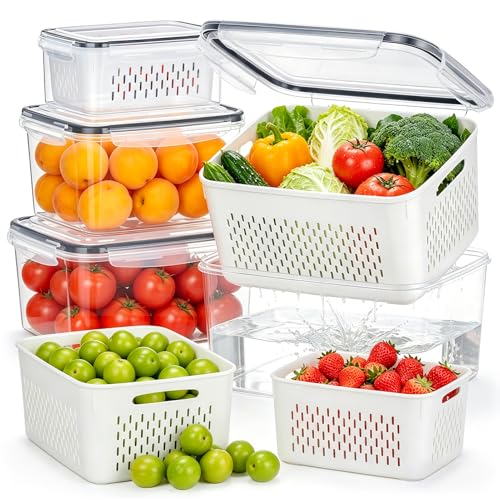
4 PACK FRUIT CONTAINERS FOR FRIDGE: Fruit storage containers for fridge includes include 4 pack of large size 3.4QT + medium size 1.8QT + small size 0.9QT + mini size 0.4QT. Various capacities perfect for most fruit, vegetable, salad, lettuce, bacon, berry, strawberry, cereal, meat, produce and other food storage
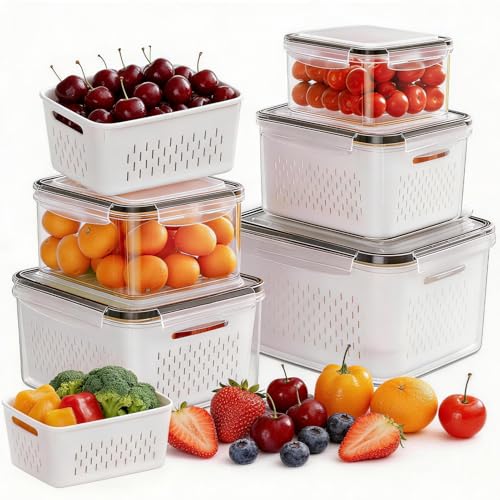
🍓【5 Pack Fruit Storage Set】 More Thicker fruit containers for fridge set include 5 pack of X-Large size 140 OZ(4.15L) + large size 106 OZ (3.15L) + medium size 57 OZ(1.7L) + small size 27 OZ(0.8L) +mini size 13 OZ(0.38L). The produce storage baskets are combined soaking, washing, draining and storage functions, makes your life easier. Various capacities can storage perfectly fit for most fruits, veggies and other food
Use Airtight Containers
- Choose airtight containers for storage.
- Seal resealable bags tightly, removing as much air as possible.
- Store the container in the refrigerator.
Maintain the Right Temperature
- Keep lettuce below 40°F (4°C) to slow bacterial growth.
- Use the crisper drawer of your refrigerator for optimal temperature control.
Absorb Excess Moisture
- Place a paper towel in the storage container.
- Replace damp paper towels as needed to prevent sogginess.
Consider Vacuum Sealing
- Use a vacuum sealer to remove air.
- Vacuum-sealed lettuce can last up to twice as long as other storage methods.
Avoid Ethylene Producers
- Keep lettuce away from ethylene-emitting fruits like apples and bananas.
- Store these items in separate areas of the refrigerator to prolong lettuce freshness.
- Adjust the humidity settings in your refrigerator if possible.
- Maintaining moderate humidity prevents sogginess and keeps lettuce fresh.
By following these practices, you enhance the quality of your meals while maximizing the shelf life of your fresh cut lettuce.
Conclusion
Storing fresh cut lettuce doesn’t have to be a challenge. By following the right steps you can keep your greens crisp and delicious longer. Remember to use airtight containers or resealable bags and keep them in the fridge at the right temperature.
Don’t forget about that handy paper towel to soak up excess moisture. With these simple tips you’ll not only save money but also enjoy fresher salads that elevate your meals. So go ahead and enjoy your lettuce without the worry of wilting or spoilage. Happy storing!
Frequently Asked Questions
How can I keep fresh cut lettuce crisp for longer?
To keep fresh cut lettuce crisp, store it in an airtight container or resealable bag, removing excess air. Keep it in the refrigerator at temperatures below 40°F (4°C) to slow spoilage. Placing a paper towel in the container will help absorb moisture, prolonging freshness.
What role does moisture play in storing cut lettuce?
Moisture is a key factor in the spoilage of cut lettuce. Fresh cut lettuce releases moisture, which can lead to sogginess. Using a paper towel in the storage container can absorb excess moisture, preventing rapid deterioration and maintaining crispness.
Why is it important to refrigerate cut lettuce?
Refrigeration is crucial for slowing down bacterial growth. Storing cut lettuce at temperatures below 40°F (4°C) helps preserve its freshness and extend its shelf life, making your grocery investment last longer.
What storage methods extend the life of cut lettuce?
Effective storage methods include using airtight containers or resealable bags, vacuum sealing, and keeping lettuce in the crisper drawer of the fridge. These methods help limit exposure to air and moisture, thereby extending freshness.
Should I store cut lettuce near fruits like apples?
No, cut lettuce should not be stored near ethylene-emitting fruits like apples and bananas. Ethylene can hasten spoilage, leading to wilting and loss of crispness. Keep lettuce separate to maintain its quality.
