

Have you ever wondered when and how to pick the perfect leaf lettuce? If you’ve grown your own or bought it from a farmer’s market, getting the timing and technique just right can make all the difference in flavor and freshness.
Key Takeaways
- Understand Types of Leaf Lettuce: Familiarize yourself with various leaf lettuce types, such as green, red, butterhead, oak leaf, and romaine, each offering unique flavors and textures.
- Consider Nutritional Benefits: Leaf lettuce is low in calories, high in vitamins A, C, and K, rich in fiber, hydrating, and packed with antioxidants, making it a healthy addition to your diet.
- Prepare Properly for Harvest: Gather essential tools like garden shears, a harvest basket, gloves, and a cloth to ensure a clean and efficient harvesting process.
- Timing is Key: Harvest leaf lettuce when leaves are young and tender, ideally between 30-45 days after planting, and during cool morning hours to preserve flavor.
- Use Appropriate Harvesting Techniques: Decide between hand harvesting or cutting with tools, ensuring to leave some leaves on the plant for continued growth.
- Handle with Care Post-Harvest: Clean and store lettuce promptly in the refrigerator, keeping it cool and dry to extend freshness and prevent spoilage.
Understanding Leaf Lettuce
Leaf lettuce, a popular salad green, thrives in cool weather and grows quickly. This versatile plant comes in various types, each offering unique flavors and textures.
Types of Leaf Lettuce
- Green Leaf Lettuce: Known for its tender, frilly leaves, green leaf lettuce has a mild flavor. It’s ideal for salads and wraps.
- Red Leaf Lettuce: Featuring lovely red-tipped leaves, red leaf lettuce adds color and a slightly sweet taste. It works well in mixed salads.
- Butterhead Lettuce: This type has soft, buttery leaves that create a delicate texture. It’s perfect for sandwiches and garnishes.
- Oak Leaf Lettuce: Oak leaf lettuce resembles oak tree leaves. Its tender, crinkly leaves offer a unique texture, making it great for salads.
- Romaine Lettuce: With its tall, sturdy leaves and crisp texture, romaine is often used in Caesar salads. It has a robust flavor that withstands dressings.
Nutritional Benefits
Leaf lettuce boasts several health benefits:
- Low in Calories: Leaf lettuce is low in calories, making it suitable for weight management.
- High in Vitamins: It contains vitamins A, C, and K, essential for immune support and overall health.
- Rich in Fiber: Leaf lettuce provides dietary fiber, promoting digestive health and aiding in satiety.
- Hydrating Properties: With a high water content, leaf lettuce helps keep you hydrated.
- Antioxidants: Leaf lettuce contains antioxidants that combat oxidative stress, contributing to better health.
Incorporating various types of leaf lettuce into your diet not only enhances flavor but also provides significant nutritional value.
Preparing for Harvest
Preparing for the harvest of leaf lettuce involves gathering the right tools and determining the optimal time to pick your greens. This ensures you get the freshest and most flavorful leaves.
Recommended Products

K115 Crop Harvest Knife, 7.25-Inch Blade, is designed for trimming lettuce, greens, and soft-stemmed vegetables.

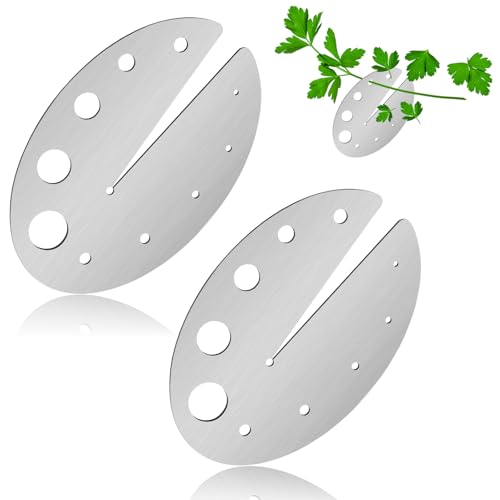
Package Includes: you will receive 2 pack of quality herb stripper tools, made of food grade stainless steel; Nice for in the kitchen and suitable gift for friends, family, and colleagues to enhance friendships and strengthen interpersonal relationships
Tools and Equipment Needed
- Garden Shears: Sharp shears make for clean cuts, preventing damage to the plant.
- Harvest Basket: Use a basket to collect cut leaves without bruising them.
- Gloves: Wearing gloves protects your hands and keeps the leaves clean.
- Towel or Cloth: Use it to gently wipe off debris or excess moisture from the leaves after harvesting.
Timing for Harvesting
Harvest leaf lettuce when the leaves are young and tender, typically 30-45 days after planting. Check the size of the leaves; they should be at least 4-6 inches long for optimal taste. If leaves start to wilt or lose their vibrant color, they’re ready for harvesting. Remember to harvest in the morning, when the leaves are crisp and full of moisture for the best flavor.
Harvesting Techniques
Proper harvesting techniques ensure the best quality leaf lettuce. You can either hand-harvest or use tools, depending on your preferences and the situation.
Recommended Products

🍓🍓🍓Versatile Set: This set includes a silicone thumb cutter, separator finger, and plant fruit picking tool, perfect for harvesting strawberries, tomatoes, and other delicate fruits and vegetables.

IDEAL GARDEN BASKET: Basket made of durable, plastic with multi-functional features to simplify collecting, transporting, and cleaning harvested produce or tools; Designed with two sets of handles for each user's preferred carry

Efficient Yard Cleanup: Designed to gather leaves, grass clippings, hedge trimmings, and other lightweight garden debris with ease. Measuring 14" W x 12" D x 2" H, the wide scoop helps collect larger piles efficiently, reducing cleanup time and effort.
Hand Harvesting
Hand harvesting involves picking each leaf individually. This method allows for careful selection, ensuring only the best leaves make it to your kitchen. Begin by wearing gloves to maintain hygiene. Gently grasp the base of the leaf and pull it away from the stem. Harvest outer leaves first, which promotes continued growth in the center. It’s effective to harvest during cooler hours, ideally in the morning. This preserves flavor and minimizes stress on the plant.
Cutting with Tools
Using garden shears or scissors offers a quick and efficient way to harvest leaf lettuce. For this method, hold the shears at a slight angle to cut through the stem just above the base of the plant. Cut several leaves at once to save time. Ensure your tools are clean and sharp to avoid damaging the plants. This technique suits larger areas, allowing you to harvest multiple plants with ease. Remember, always leave a few leaves on each plant to encourage further growth.
Post-Harvest Handling
After harvesting leaf lettuce, proper handling ensures freshness and taste. Follow these steps for optimal care.
Recommended Products

PRODUCE STORAGE CONTAINER + COLANDER: This produce saver features an adjustable air vent & water reservoir to create the ideal environment for fresh fruits & vegetables, keeping them fresh longer.

Crisper Basket is designed for smaller items that often get lost in crispers like lemons, limes and jalapenos

𝐊𝐞𝐞𝐩𝐬 𝐕𝐞𝐠𝐞𝐭𝐚𝐛𝐥𝐞𝐬 𝐅𝐫𝐞𝐬𝐡 𝐋𝐨𝐧𝐠𝐞𝐫: The Home-X salad keeper for refrigerator is designed to preserve the freshness of lettuce, broccoli, cauliflower, and more. It creates an ideal cold, moist storage environment to help your vegetables stay crisp and fresh for longer periods.
Cleaning and Storing
Clean the harvested lettuce promptly. Rinse the leaves gently under cool, running water to remove dirt and debris. Use a salad spinner or a clean towel to remove excess water. Place the leaves in a perforated bag or a container that allows airflow. Storing lettuce in the refrigerator at a temperature of 32-36°F maintains its crispness. If you notice any damaged leaves, remove them immediately to prevent spoilage.
Best Practices for Freshness
Opt for these best practices to keep your leaf lettuce fresh for longer:
- Keep It Cool: Store lettuce in the crisper drawer of your refrigerator. This area maintains the ideal humidity and temperature.
- Avoid Moisture: Don’t wash the leaves until just before use. Excess moisture can lead to rot.
- Use Paper Towels: Line the storage container with paper towels to absorb moisture and prolong freshness.
- Limit Ethylene Exposure: Keep lettuce away from fruits like apples and bananas. These produce ethylene gas, which speeds up decay.
By following these steps, you enhance the longevity of your leaf lettuce, ensuring each bite remains delicious and nutritious.
Conclusion
Harvesting leaf lettuce can be a rewarding experience that brings fresh flavors to your table. By using the right techniques and tools you can ensure that your lettuce remains vibrant and tasty. Remember to pick your lettuce at the right time and handle it gently to preserve its quality.
Taking a little extra care during the harvesting and storage process will pay off with every crunchy bite. Enjoy the satisfaction of growing and enjoying your own leaf lettuce and don’t forget to experiment with different types for a delightful variety in your salads. Happy harvesting!
Frequently Asked Questions
What types of leaf lettuce are available?
Leaf lettuce comes in several varieties, including green leaf, red leaf, butterhead, oak leaf, and romaine. Each type has its own unique flavors and textures, making them suitable for various culinary uses.
How do I know when to harvest leaf lettuce?
Harvest leaf lettuce when the leaves are young and tender, typically 30-45 days after planting. Look for leaves that are at least 4-6 inches long, and check for vibrant color; wilting indicates it’s time to harvest.
What tools do I need for harvesting leaf lettuce?
Essential tools for harvesting leaf lettuce include garden shears or scissors, a harvest basket, gloves for protection, and a towel for cleaning the leaves efficiently.
What are some proper techniques for harvesting leaf lettuce?
You can either hand harvest by picking each leaf individually or cut multiple leaves using garden shears. Hand harvesting encourages regrowth, while cutting is more efficient for larger areas.
How should I store harvested leaf lettuce?
After harvesting, rinse the leaves under cool water, then remove excess moisture using a salad spinner or towel. Store lettuce in a perforated bag or container in the refrigerator at 32-36°F for optimal freshness.
What are the nutritional benefits of leaf lettuce?
Leaf lettuce is low in calories and packed with essential vitamins, fiber, and antioxidants. Including it in your diet enhances nutrition and offers significant health benefits.
