

Have you ever wondered how many seeds you need to plant for a thriving lettuce garden? It’s a common question among both new and seasoned gardeners. You might find yourself overwhelmed by the seed packets and unsure of how much to plant for that perfect salad.
Key Takeaways
- Lettuce Seed Varieties: Choose from types like Butterhead, Romaine, Leaf, and Iceberg based on taste and climate preferences.
- Seed Quantity Guidelines: Generally, plant 10-30 seeds per square foot, adjusting based on density preferences and lettuce types.
- Germination Considerations: Anticipate a germination rate of 70-90% and plant extra seeds to ensure adequate sprouting.
- Soil and Climate Factors: Use rich, well-drained soil with a pH of 6.0 to 7.0 and pay attention to local climate conditions when planting.
- Effective Sowing Techniques: Employ direct sowing for rapid growth or seedling transplanting for better control and timing of your harvest.
- Consistent Care: Maintain consistent moisture and monitor temperatures to create an ideal environment for lettuce growth.
Understanding Lettuce Seeds
Lettuce seeds come in various varieties, each suited for different growing conditions. Common types include Butterhead, Romaine, Leaf, and Iceberg. Each type produces distinct flavors and textures. Choose seeds based on your taste preferences and local climate.
When planting, consider the recommended seed quantity. Generally, you need about 10 to 30 seeds per square foot for optimal growth. This range ensures that enough plants thrive while preventing overcrowding. If seeds are broadcasted, aim for the higher end of this range.
Keep in mind germination rates. If you plant 100 seeds, expect about 70% to sprout under ideal conditions. So, plant extra seeds to compensate for any that fail to germinate. You can thin the seedlings later to maintain healthy spacing.
For most home gardeners, starting with a seed tape simplifies planting. Seed tapes contain pre-spaced seeds, making it easy to ensure even distribution. Just place the tape in the soil, cover it lightly, and water.
Maintain a consistent watering schedule to support seed germination. Lettuce seeds require moist soil but not soggy conditions. Check the soil regularly to keep it consistently damp.
Lastly, keep an eye on environmental factors. Lettuce prefers cooler temperatures between 60°F and 70°F. If you’re in a warm climate, consider planting in partial shade to protect your seeds from excessive heat.
Choose your lettuce variety, follow the recommended seed quantities, ensure proper moisture, and monitor temperature for a successful lettuce garden.
Factors Influencing Seed Quantity
Several factors affect how many lettuce seeds you should plant, including planting density and germination rates.
Recommended Products

FIVE FLAVORFUL VARIETIES FOR A COMPLETE SALAD GARDEN SOLUTION. This lettuce seed pack includes black seeded simpson, red romaine, bibb, buttercrunch, and iceberg. Perfect for salads, wraps, smoothies, and toppings with fresh, homegrown flavors year-round.

CRISP FRESH MICROGREENS – Tender lettuce microgreens seeds for sprouting yield a clean flavor and bright green color that add freshness to salads, sandwiches, and garnishes

The Best Value - Organo Republic Lettuce Iceberg Seeds Pack contains 3g or 3,100 Non-GMO heirloom lettuce seeds. Iceberg Lettuce (Lactuca sativa var. capitata) is known for its crisp texture and mild flavor, making it the perfect addition to fresh vegetable salads or culinary creations.
Planting Density
Planting density determines how close together you place your lettuce seeds. For instance, if you want a denser garden, you might opt for 30 seeds per square foot. If you prefer a less crowded space, 10 seeds per square foot works well. Adjust your planting density based on the type of lettuce you’re growing and your garden’s design. Leaf lettuce varieties often thrive in denser plantings, while head types like Iceberg require more space to develop fully.
Germination Rates
Germination rates play a crucial role in seed quantity decisions. Most lettuce seeds germinate between 70% and 90% under optimal conditions. To ensure enough plants, account for potential failures by planting extra seeds. If you plant 20 seeds with a 75% germination rate, expect only 15 to sprout. To secure 12 viable plants, plant 16 seeds. Always check seed packets for specific germination rates for your chosen variety to refine your planting strategy.
Recommended Seed Amounts
The number of lettuce seeds you need depends on the variety and growing conditions. Consider the following details to ensure a successful lettuce crop.
Recommended Products

Petite and crisp, this lettuce is celebrated for its tender bite-sized heads. Ideal for individual salads.
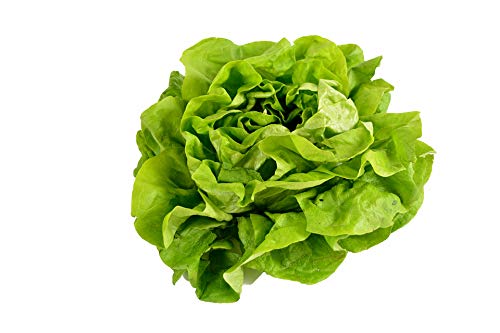
This lettuce is well known for its sweet flavor. Best if harvested in the morning.
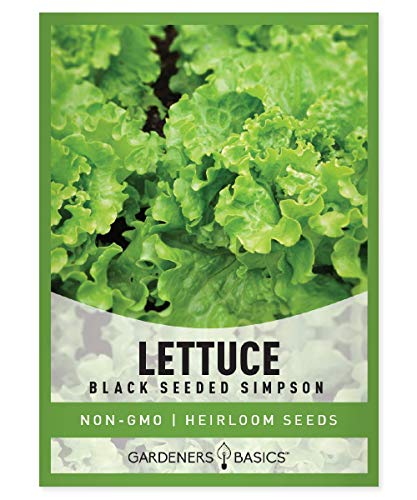
Black Seeded Simpson is a classic heirloom loose leaf lettuce with large, tender green leaves and a mild, sweet flavor. Harvest fresh leaves for salads, sandwiches, wraps, and other homegrown meals.
Different Lettuce Varieties
- Butterhead: Plant 10 to 15 seeds per square foot. These seeds thrive in tighter spaces and yield tender, leafy heads.
- Romaine: Use 12 to 20 seeds per square foot. Romaine prefers a bit more room to develop its crisp texture without crowding.
- Leaf Lettuce: Space 15 to 30 seeds per square foot. Leaf lettuce tolerates closer planting, allowing for multiple harvests.
- Iceberg: Opt for 8 to 12 seeds per square foot. Iceberg requires more space as it forms larger heads and takes longer to mature.
- Soil Quality: Rich, well-drained soil supports germination and root development. Aim for a pH between 6.0 and 7.0.
- Germination Rates: Expect germination rates between 70% and 90%. It’s wise to plant an extra 10% of seeds to compensate for any failures.
- Climate: Consider your local climate. In cooler areas, plant less densely; in warmer zones, slightly denser plantings can help with moisture retention.
- Sunlight: Ensure lettuce receives at least 6 hours of sunlight. Adjust the number of seeds if the light is limited, as this impacts growth.
Using these guidelines helps you determine the right amount of seeds for your chosen lettuce variety and specific growing conditions.
Seed Sowing Techniques
Sowing lettuce seeds effectively enhances your chances for a successful harvest. Consider these techniques to maximize germination and growth.
Recommended Products

EASIER SEED STARTING: Our Burpee SuperSeed tray with 36 flexible pop-out cells is designed to simplify indoor seed starting for all your favorite vegetables, flowers and herbs. Just add seed starting mix, seeds, water and light to get growing! Rows are labeled alphanumerically for seedling identification with included Plant-o-Gram diagram. Tray dimensions: 11.5" x 10-3/8" x 2-1/4"

There are 6 different trays that you can easily use as you need them to give you more options for your sowing
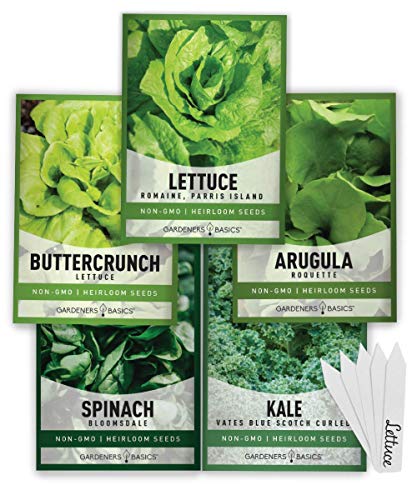
Five leafy greens varieties: Plant Parris Island romaine lettuce seeds, Buttercrunch lettuce seeds, Roquette arugula seeds, Vates Blue Scotch Curled kale seeds, and Bloomsdale spinach seeds. Includes 4,500+ seeds in five separate labeled packets.
Direct Sowing
Direct sowing involves planting seeds directly into the garden or raised beds. This method suits quick-growing lettuce varieties well.
- Prepare the Soil: Aim for loose, fertile soil. Mix in compost or fertilizer.
- Sow Seeds: Disperse seeds evenly. A spacing of 1 inch between seeds works well for most varieties.
- Cover Seeds: Lightly cover with soil, ensuring it’s no deeper than 1/4 inch.
- Water Gently: Use a fine spray to moisten the soil without displacing seeds.
This technique allows seedlings to develop in their final location, minimizing transplant shock.
Seedling Transplanting
Seedling transplanting involves starting seeds indoors or in a protected location, then moving them to the garden. This method benefits cooler climates or gardeners seeking earlier harvests.
- Start Seeds Indoors: Use seed trays with quality seed-starting mix. Sow seeds about 1/4 inch deep.
- Care for Seedlings: Maintain moisture and provide adequate light. Thin seedlings to one per cell when they develop true leaves.
- Harden Off: Gradually expose seedlings to outdoor conditions over 7-10 days. Start with a few hours in the shade.
- Transplant: Once hardened and the danger of frost passes, transplant seedlings to the garden. Space them 6-12 inches apart for larger varieties or 4 inches apart for smaller types.
Transplanting promotes stronger growth and allows control over the initial conditions.
Conclusion
Growing lettuce can be a rewarding experience when you know how many seeds to plant. By understanding your space and the specific needs of each variety you choose you can ensure a bountiful harvest. Whether you opt for direct sowing or transplanting seedlings each method has its own benefits that can lead to delicious results.
Remember to keep an eye on soil quality and sunlight as these factors play a crucial role in your lettuce’s success. With a little patience and care you’ll be enjoying fresh lettuce from your garden in no time. Happy gardening!
Frequently Asked Questions
What should I consider when selecting lettuce seeds?
When selecting lettuce seeds, consider the space you have, the variety’s growth characteristics, and soil quality. It’s essential to choose types that match your climate and sunlight exposure to ensure successful cultivation.
What is direct sowing in lettuce cultivation?
Direct sowing refers to planting seeds directly into prepared soil outdoors. This method is ideal for quick-growing lettuce varieties and is typically used when the soil temperature is suitable for germination.
What are the benefits of seedling transplanting?
Seedling transplanting involves starting lettuce seeds indoors before moving them to the garden. This technique allows for stronger growth, better pest control, and earlier harvests, making it ideal for cooler climates.
How much lettuce seed do I need for my garden?
The quantity of lettuce seed needed depends on the variety and the available space. Generally, a small packet of seeds (about 100-200 seeds) can suffice for a standard home garden plot.
What factors affect lettuce growth?
Lettuce growth is influenced by several factors, including soil quality, sunlight, temperature, and watering. Ensuring optimal conditions in these areas can significantly improve your yield and overall plant health.
