

Have you ever wondered how long it takes for lettuce seeds to sprout? If you’ve tried growing your own greens, you know the excitement and patience it requires. Waiting for those tiny seeds to turn into fresh, crunchy lettuce can feel like forever, especially when you’re eager to enjoy a homegrown salad.
Key Takeaways
- Germination Time: Lettuce seeds typically germinate in 7 to 12 days under ideal conditions, with leaf varieties sprouting faster than romaine types.
- Temperature Needs: Optimal germination temperatures for lettuce seeds range from 60°F to 70°F (15°C to 21°C); conditions outside this range can delay growth.
- Moisture Management: Consistent soil moisture is essential for successful germination. Soil should be kept damp, but not overly saturated to prevent seed rot.
- Soil Preparation: Using a loose, well-draining soil mix enriched with organic matter promotes healthy seed germination; seeds should be planted at a shallow depth of 1/8 to 1/4 inch (3 to 6 mm).
- Common Challenges: Watch out for pests and diseases that can hinder growth. Regular monitoring and cleanliness are crucial for preventing issues.
- Environmental Control: Ensure proper management of temperature, moisture, and light conditions to provide an ideal environment for lettuce seed development.
Factors Affecting Germination Time
Germination time for lettuce varies based on several key factors. Understanding these can enhance your success in growing lettuce from seeds.
Temperature Requirements
Temperature plays a crucial role in the germination of lettuce seeds. Ideal temperatures range from 60°F to 70°F (15°C to 21°C). At these temperatures, seeds typically germinate in 7 to 12 days. When temperatures drop below 40°F (4°C) or rise above 80°F (27°C), germination may slow or halt.
Moisture Levels
Moisture levels impact seed germination significantly. Lettuce seeds require consistent moisture to sprout. Keep the soil damp but not waterlogged. Too little water can delay germination, while too much water can lead to seed rot. Maintain soil moisture by lightly misting your planting area or using a clean spray bottle to prevent it from drying out.
Types of Lettuce and Their Germination Times
Different types of lettuce have specific germination times. Understanding these variations helps you plan your gardening effectively.
Recommended Products

FIVE FLAVORFUL VARIETIES FOR A COMPLETE SALAD GARDEN SOLUTION. This lettuce seed pack includes black seeded simpson, red romaine, bibb, buttercrunch, and iceberg. Perfect for salads, wraps, smoothies, and toppings with fresh, homegrown flavors year-round.
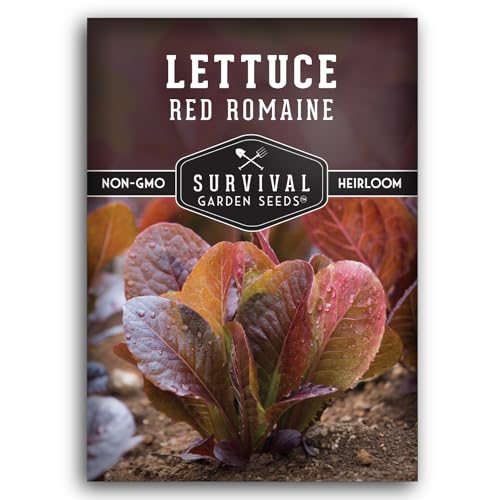
RED ROMAINE SEEDS FOR PLANTING – Striking lettuce has burgundy-to-ruby red leaves with crisp green hearts create a bold contrast in the garden and add vibrant color and flavor to Caesar salad and other dishes

Disease Resistant Salad Romaine : Parris Island Cos gardening seeds produce tall upright romaine lettuce head growth with crunchy midribs and juicy texture. Mosaic tolerant leaf lettuce seeds for planting outdoors thrive in USDA zones 3–9 with strong field performance.
Leaf Lettuce Varieties
Leaf lettuce germinates quickly, typically in 7 to 10 days. Varieties like Butterhead, Red Romaine, and Green Leaf thrive in cool temperatures. They need consistent moisture but dislike overly saturated soil. For optimal results, keep the soil temperature between 60°F and 70°F (15°C to 21°C).
Romaine Lettuce Varieties
Romaine lettuce, known for its crunchy texture, takes slightly longer to germinate. Expect germination in 8 to 12 days for varieties like Paris Island and Butter Crunch. These varieties prefer similar temperature conditions to leaf lettuce and require steady watering to germinate properly. A well-draining soil mix supports better moisture retention.
Best Practices for Germinating Lettuce Seeds
Germinating lettuce seeds requires attention to detail and careful preparation. Follow these best practices to ensure a successful start.
Recommended Products

NUTRIENT-RICH, NATURAL, AND ORGANIC SOIL: Grow a bountiful garden in your home with the Back to the Roots All-Purpose Natural and Organic Peat-Free 3-in-1 Seed Starting Mix, packed with the nutrients needed for your plants, flowers, and vegetables to thrive

Includes Back to the Roots Compressed Seed Starting Potting Mix that expands to 12qt of soil. A balanced pH, which means it’s truly all-purpose. Use alone or as an amendment for anything in a pot or in the ground — vegetables, flowers, herbs, and even starting seeds.

Miracle-Gro Indoor Potting Mix for Seed Starting grows stronger roots for seeding success (vs unfed when used as directed)
Soil Preparation
Choose a loose, well-draining soil mix for optimal results. Use a mix that retains moisture while allowing adequate drainage. You can incorporate organic matter, like compost, to enrich the soil. Before planting, moisten the soil lightly. Ensure it’s damp but not soggy. This creates a favorable environment for seed germination.
Seed Planting Depth
Plant lettuce seeds at a shallow depth of 1/8 to 1/4 inch (3 to 6 mm). Covering them too deeply can hinder their growth. After sowing, lightly press the soil down to ensure good seed-to-soil contact. Space seeds 1 to 2 inches (2.5 to 5 cm) apart to allow for proper growth. Keep in mind that thinner seeds may require less depth than larger seeds.
Using these practices will enhance your chances of successful lettuce seed germination.
Common Germination Issues
Germination of lettuce seeds can face several challenges. Understanding these issues helps you take corrective measures to ensure successful growth.
Recommended Products

USDA Certified Organic by Oregon Tilth

CRISP FRESH MICROGREENS – Tender lettuce microgreens seeds for sprouting yield a clean flavor and bright green color that add freshness to salads, sandwiches, and garnishes

【All-in-One Hydroponic Garden Kit】This Lettuce seed pod kit has everything to kickstart your hydroponic gardening journey: A packet of Red&Green Leaf Lettuce seeds, 12 grow sponges, 12 plant baskets, 12 grow domes, 12 pod labels.(Contains no plant foods)
Pests and Diseases
Pests and diseases pose a significant threat to germination success. Common pests like aphids and slugs target tender young seedlings, hampering growth. Fungal diseases, such as damping-off, can also stunt or kill seedlings. To safeguard your lettuce, implement preventive measures such as:
- Monitoring: Regularly check for pests and signs of disease on seedlings.
- Sanitation: Keep the growing area clean to reduce fungal spores and pest habitats.
- Natural Predators: Introduce birds or beneficial insects like ladybugs to control pest populations.
Environmental Factors
Environmental factors heavily influence lettuce germination. Key elements include temperature, moisture, and light conditions. Inadequate management of these factors can hinder seed development. To optimize conditions, consider the following:
- Temperature: Maintain a consistent temperature between 60°F and 70°F (15°C to 21°C). Use a thermometer to monitor soil temperature.
- Moisture: Keep the soil consistently moist but not waterlogged. Water gently to avoid displacing seeds.
- Light: Ensure enough indirect light after seeds germinate. Provide grow lights if necessary, especially in low-light conditions.
By addressing these common germination issues, you can enhance your chances of successfully growing lettuce from seeds.
Conclusion
Growing lettuce can be a rewarding experience filled with anticipation. By understanding the factors that influence germination time and implementing best practices you can set yourself up for success. Remember to keep an eye on temperature moisture and potential pests to ensure your seeds thrive. With a little patience and care you’ll soon be enjoying fresh crisp lettuce right from your garden. Happy gardening!
Frequently Asked Questions
How long does it take for lettuce seeds to germinate?
Lettuce seeds typically take between 7 to 12 days to germinate, depending on the variety. Leaf lettuce varieties like Butterhead and Green Leaf usually germinate in about 7 to 10 days, while Romaine types such as Paris Island and Butter Crunch may take 8 to 12 days.
What temperature is ideal for germinating lettuce seeds?
The ideal temperature range for germinating lettuce seeds is between 60°F and 70°F (15°C to 21°C). Maintaining these conditions can enhance germination rates and overall seed growth.
How should I prepare the soil for growing lettuce?
To prepare the soil for growing lettuce, use a well-draining mix and incorporate organic matter. Plant the seeds at a shallow depth of 1/8 to 1/4 inch (3 to 6 mm) and ensure proper spacing between seeds for optimal growth.
What common issues can affect lettuce seed germination?
Common issues that can affect lettuce seed germination include pests, diseases, and unfavorable environmental conditions. Monitoring for these factors and ensuring adequate light, moisture, and temperature can help mitigate these challenges.
How can I prevent pest and disease problems in lettuce?
To prevent pest and disease issues in lettuce, practice good sanitation, monitor for signs of infestations, and consider introducing natural predators. Maintaining optimal growing conditions also helps promote healthy plants.
