

Have you ever wondered if you can still grow fresh lettuce when the leaves start to change? As the days get shorter and the air turns crisp, many gardeners think their planting days are over. But what if you could enjoy a fresh salad straight from your garden even in the fall?
Key Takeaways
- Lettuce Thrives in Fall: Cooler temperatures between 45°F and 75°F are ideal for growing lettuce, enhancing flavor and texture.
- Select Suitable Varieties: Choose fall-friendly varieties like Romaine, Butterhead, and Looseleaf for optimal growth and yield.
- Plant Before Frost: Sow seeds 6 to 8 weeks before the first expected frost to ensure a timely harvest.
- Soil and Planting Techniques Matter: Use well-drained, nutrient-rich soil and plant seeds at the appropriate depth and spacing for better growth.
- Employ Protective Measures: Utilize row covers and mulch to protect crops from frost and maintain soil moisture.
- Regular Monitoring is Essential: Check plants for signs of stress, pests, and diseases to ensure a healthy harvest.
Understanding Lettuce Growth
Lettuce thrives in cooler temperatures, making it suitable for fall growth. When temperatures range from 45°F to 75°F, lettuce grows effectively. Colder weather can enhance its flavor and sweetness, providing a crisp texture for salads.
Choose the Right Varieties
Selecting the right lettuce varieties matters for fall planting. Consider these options:
- Romaine: This variety holds up well in cooler temperatures and provides a crunchy texture.
- Butterhead: Butterhead lettuce is tender, with a sweet taste, and grows well in shorter daylight.
- Looseleaf: Looseleaf varieties, such as Red Romaine, grow quickly and are high-yielding.
Timing Your Planting
Timing your planting ensures successful growth. For fall gardening, aim to sow seeds 6 to 8 weeks before the first expected frost. This timeframe helps you harvest fresh lettuce before cold weather arrives.
Planting Techniques
Using specific planting techniques boosts your chances for success. Here’s a guide:
- Soil Preparation: Use loamy, well-drained soil enriched with organic compost. This improves nutrient availability.
- Spacing: Plant seeds 1/4 to 1/2 inch deep, with 6 to 12 inches between rows. Proper spacing allows for adequate air circulation.
- Watering: Keep the soil consistently moist but not soggy. Regular watering supports optimal growth.
Protecting Your Crop
Consider protective measures as temperatures drop.
- Row Covers: Lightweight fabric helps shield seedlings from frost and maintains warmth.
- Mulch: Adding a layer of mulch retains soil moisture and regulates temperature, benefiting growth.
Monitoring Growth
Regularly check on your lettuce plants. Look for signs of stress or disease:
- Wilting: This indicates insufficient water.
- Pests: Check for aphids or slugs, which can affect growth.
Being vigilant allows you to address issues promptly, ensuring a healthy harvest.
Ideal Lettuce Varieties for Fall
Choosing the right lettuce varieties can enhance your success in growing lettuce during the fall months. Focus on types that thrive in cooler temperatures.
Recommended Products
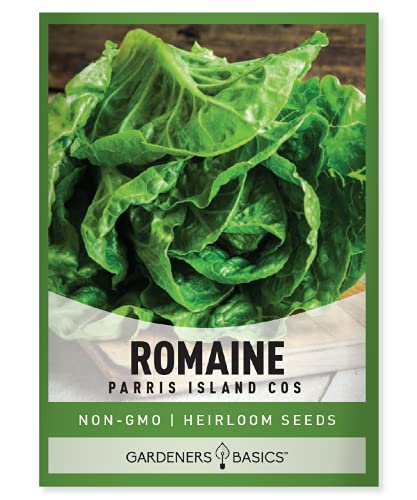
Grow crisp Parris Island Cos romaine with upright green leaves, sturdy ribs, and a mild flavor. A classic choice for salads, lettuce wraps, sandwiches, and fresh harvests from your own garden.

4 Popular Heirloom Lettuce Varieties: Includes Red Romaine, Bibb Butterhead, Black Seeded Simpson, and Green Ice lettuce seeds to grow crisp, tender, and colorful salad greens with balanced flavor, texture, and visual appeal.

YEAR-ROUND GARDEN FAVORITE – Dependable butterhead lettuce that thrives in cool or moderate weather for consistent harvests from spring through fall, even under cover in winter
Cool-Season Types
Cool-season types excel in autumn’s mild weather. These varieties thrive under shorter days and cooler nights, making them perfect for fall planting.
- Romaine: This sturdy variety withstands colder temperatures, offering crisp leaves that maintain flavor as temperatures drop.
- Butterhead: Known for its tenderness, Butterhead lettuce grows well in cooler climates and provides a rich, buttery flavor.
- Looseleaf: Quick to mature, Looseleaf varieties can be harvested continuously throughout fall. They come in various colors and textures, adding visual appeal.
Heirloom Options
Heirloom options offer unique flavors and textures for your fall garden. These varieties often come with a rich history, yielding vibrant crops.
- Red Romaine: This heirloom has striking red-tipped leaves and a crisp texture. It’s not only visually appealing but also resilient in cooler weather.
- Buttercrunch: A popular heirloom, Buttercrunch provides a sweet taste and is more heat-resistant than other Butterhead types, making it suitable for fall’s fluctuating temperatures.
- Oak Leaf: With its lobed leaves resembling oak leaves, this variety adapts well to cooler weather and promotes a steady harvest throughout the fall season.
Selecting these varieties will optimize your chances of a successful lettuce harvest in fall. Remember to monitor your plants for optimal growth and protection throughout the cooler months.
Growing Conditions for Fall Lettuce
Fall provides a great opportunity to grow lettuce, but specific conditions enhance your chances of success. Focus on soil preparation and temperature considerations to ensure your lettuce thrives during the cooler months.
Recommended Products
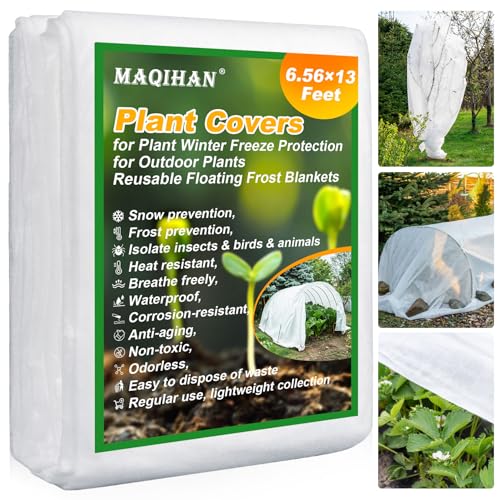
Product Features: Our plant covers are ideal for protecting all plant. Made from premium 1 oz/sq non-woven fabric, their durability and breathability ensuring both insulation against frost and facilitation of sunlight penetration for healthy plant growth
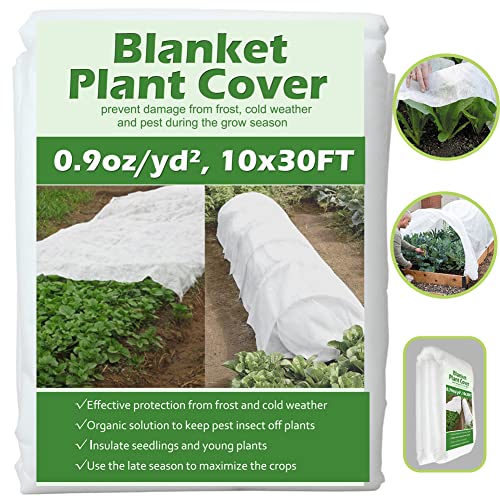
※Big Size to cover large area : The size of our plant cover is 10x30ft, the size can cover large areas. You can cut the plant covers freeze protection into different sizes for different use. You can cover it over the plant such as shrub tomato, pepper, pumpkin, and so on.

Comprehensive Winter Protection for Your Garden: Our outdoor plant covers provide complete freeze protection for strawberries, vegetables, tomatoes, fruit trees, citrus plants, shrubs, and potted plants throughout the winter. This frost cloth plant freeze protection shields delicate plants from sudden temperature drops, frost, and strong winds, ensuring they survive harsh winter conditions. Ideal for those looking for frost blankets for outdoor plants and reliable plant freeze protection covers.
Soil Preparation
Soil preparation plays a crucial role in growing fall lettuce. Aim for well-drained, fertile soil rich in organic matter. Here’s how to prepare:
- Test Your Soil: Use a soil test kit to check pH and nutrient levels. Lettuce prefers a pH between 6.0 and 7.0.
- Amend the Soil: Incorporate compost or well-rotted manure to boost nutrient content. Aim for at least 2 to 4 inches mixed into the top 12 inches of soil.
- Till Lightly: Turn the soil to a depth of about 12 inches to aerate it and reduce compaction. This enhances root growth.
- Level the Bed: Smooth out the soil to create an even planting surface. This ensures proper water drainage and prevents pooling.
Implementing these steps creates an ideal environment for your lettuce roots.
Temperature Considerations
Lettuce thrives in cooler temperatures, making fall suitable for growth. Keep these temperature considerations in mind:
- Ideal Temperature Range: Lettuce grows best between 60°F and 70°F. Monitor temperatures closely, especially in early fall.
- Frost Protection: Protect your plants from early frosts using row covers. These lightweight materials trap heat and provide several degrees of warmth.
- Timing Your Planting: Aim for planting 6 to 8 weeks before the average first frost date. This timing allows your lettuce to mature in the cool weather.
- Variety Selection: Choose varieties known to withstand cooler temperatures. Consider Red Romaine and Buttercrunch for their frost resistance.
By addressing soil preparation and temperature considerations, you boost your chances of growing a successful fall lettuce crop.
Planting Tips for Success
Growing lettuce in the fall can yield delicious results with the right approach. Here are several key tips to ensure a thriving harvest.
Recommended Products

Common Name and Scientific Name: Pepper(Capsicum Annuum),Tomato(Solanum lycopersicum),Lettuce(Lactuca sativa),Bean(Phaseolus vulgaris),Eggplant(Solanum melongena),Okra(Abelmoschus esculentus),Asparagus(Asparagus officinalis),Pumpkin(Cucurbita),Watermelon(Citrullus lanatus),Melon(Cucumis melo),Corn(Zea mays),Pea(Pisum sativum),Cabbage(Brassica oleracea),Carrot(Daucus carota subsp. Sativus),Celery(Apium graveolens),Garlic Chives(Allium tuberosum),Cilantro(Coriandrum sativum)

Complete Vegetable Garden Selection: Includes fifteen premium heirloom vegetable seeds varieties such as Contender Beans, Waltham Broccoli, Blue Scotch Kale, and Marglobe Tomatoes; Perfect for home gardens, providing diverse food seeds for planting vegetables and fruits

GREENS VARIETY - Collards (Brassica oleracea var. viridis), Mustard (Brassica juncea), Kale (Brassica oleracea var. sabellica), Swiss Chard (Beta vulgaris subsp. cicla), Spinach (Spinacia oleracea), Pak Choi (Brassica rapa subsp. chinensis), Tatsoi (Brassica rapa subsp. narinosa), Arugula (Eruca vesicaria), Parsley (Petroselinum crispum), and Cilantro (Coriandrum sativum)
Timing Your Planting
Timing is crucial for a successful fall lettuce crop. Aim to plant seeds 6 to 8 weeks before the first expected frost. Check your local frost dates, then count backward to determine your planting window. For instance, if the first frost is expected around November 1, plan to sow seeds by mid-September. Opt for quick-maturing varieties, which typically reach harvest size in 30 to 60 days. This optimizes your chances of a bountiful fall yield.
Watering and Fertilization
Proper watering and fertilization practices support healthy lettuce growth. Water your lettuce consistently, aiming for about 1 to 1.5 inches per week. It’s best to water deeply and less frequently, encouraging strong root development. During dry spells, increase watering frequency but avoid letting soil become waterlogged.
For fertilization, use a balanced fertilizer with equal parts nitrogen, phosphorus, and potassium, following package instructions. Fertilize at planting and again midway through the growing period. Monitor the leaves; if they yellow, you may need additional nitrogen. Healthy, green leaves indicate good nutrition and hydration levels, ensuring a successful harvest.
Conclusion
Growing lettuce in the fall can be a rewarding experience if you take the right steps. By choosing the right varieties and timing your planting carefully you can enjoy fresh greens even as temperatures drop. Remember to prepare your soil well and protect your plants from frost to ensure a successful harvest. With a little attention to detail and some love for your garden you’ll be on your way to enjoying crisp lettuce throughout the fall season. So grab those seeds and get started—your taste buds will thank you!
Frequently Asked Questions
Can I plant lettuce in the fall?
Yes, you can plant lettuce in the fall! With the right varieties and techniques, fall planting can be very successful. Choose frost-resistant varieties and follow proper timing guidelines to ensure a good harvest.
What lettuce varieties are best for fall planting?
Frost-resistant varieties like Red Romaine and Buttercrunch are ideal for fall planting. These types can tolerate cooler temperatures and provide a tasty harvest even after light frosts.
How do I prepare the soil for planting lettuce?
Test your soil first. Amend it with compost for nutrients, till lightly to enhance aeration, and level the bed for even planting. This creates an optimal environment for root growth.
When should I plant lettuce before the first frost?
Plant your lettuce about 6 to 8 weeks before the first expected frost. This timing allows adequate growth before temperatures drop too low.
How much water does fall lettuce need?
Lettuce needs about 1 to 1.5 inches of water per week. Keep the soil consistently moist to promote healthy growth, especially in the cooler fall climate.
What protective measures can I take for fall lettuce?
Use row covers to protect lettuce from frost and extreme temperatures. This helps maintain warmth and creates a microclimate that fosters growth during the fall months.
How should I fertilize fall lettuce?
Fertilize your lettuce with balanced nutrients to support robust growth. A good approach is to use a slow-release fertilizer at planting and monitor leaf health for additional needs.
How can I tell if my lettuce is healthy?
Monitor your lettuce leaves for signs of health: they should be vibrant and firm. Yellowing or wilting may indicate nutrient deficiencies or improper watering, so take action accordingly.
