

I still remember standing in my backyard a few years back, unsure how to turn it into a self-sufficient spot without biting off more than I could chew. What draws people in first to working homestead setups is usually the straightforward pathways and raised beds that make daily tending feel natural instead of chaotic. I wasted a couple weekends on overly ambitious planting zones before shifting to compact veggie patches that fit right between the house and fence. Those small tweaks not only boosted our food output but shaped the whole yard over time into something reliable. A handful of these beginner steps are the kind worth sketching out for your own place this weekend.
Build Simple Raised Garden Beds

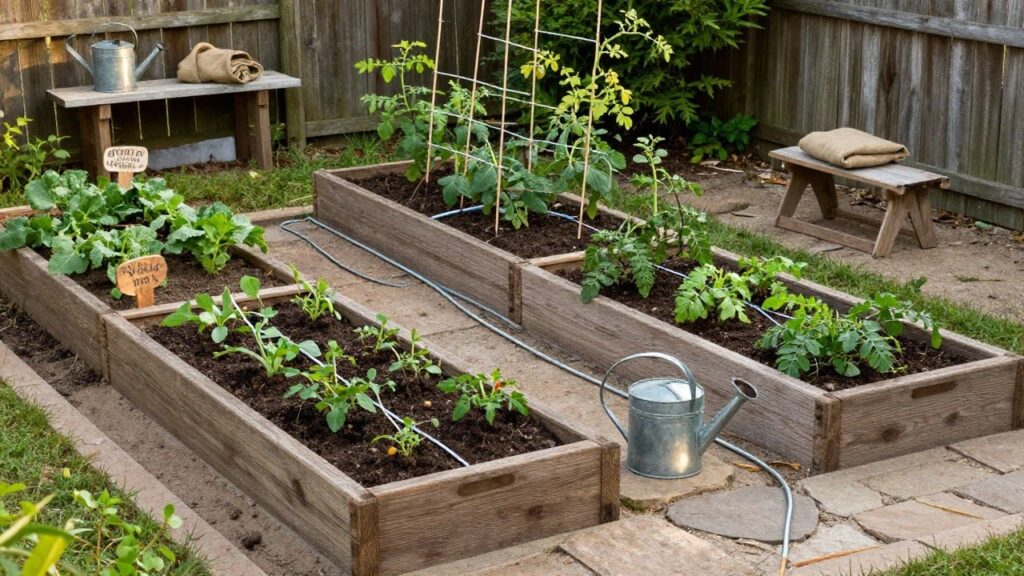
Raised garden beds like these make it easy to start growing your own vegetables right at home. They’re built from basic wood frames, filled with good soil, and set up on a patio or yard spot. You get control over the dirt quality and no bending over too much. Plus, with drip lines running through, watering stays simple and even. Labels on the plants help beginners keep track of what’s what, like tomatoes, beets, and greens.
These work great for small spaces or renters since you can place them anywhere flat. Use untreated cedar or pine for the frames to last a few seasons. Start with four by eight foot beds, two or three high, and mix in compost. Watch for weeds at the edges, and rotate crops each year to keep soil healthy. It’s a steady first step toward eating what you grow.
Curved Herb Garden Beds
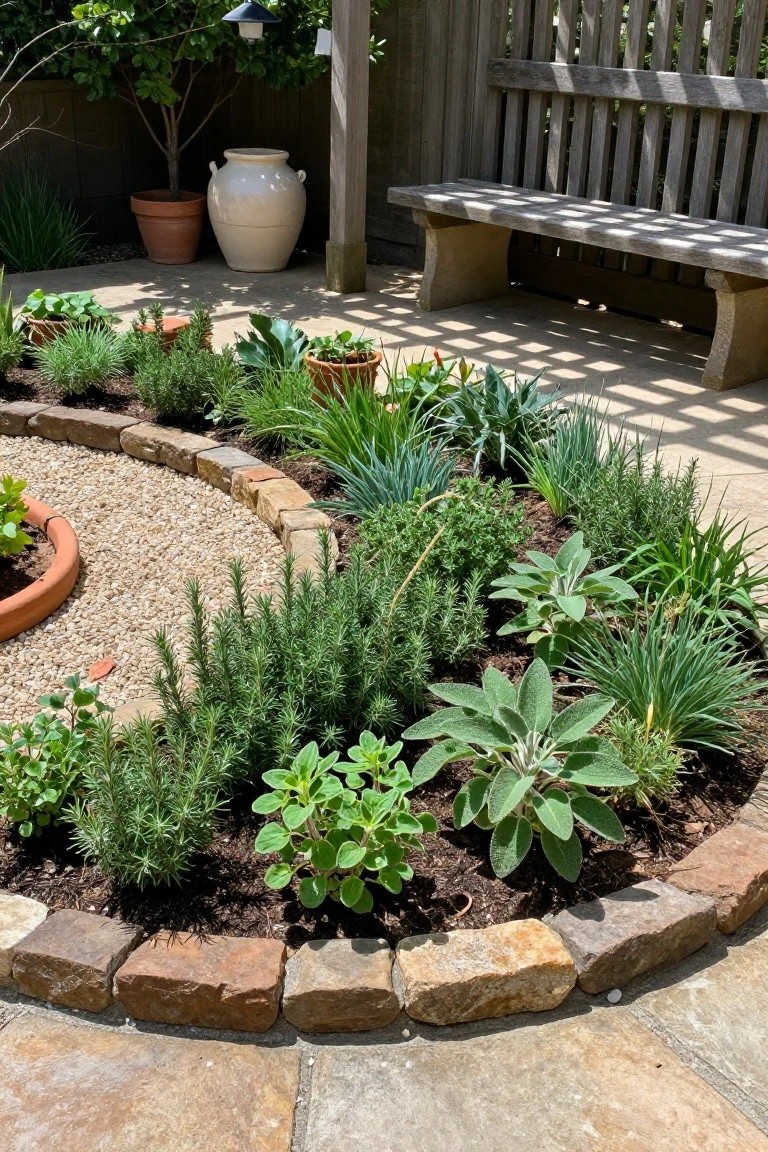
A curved herb garden like this one keeps things simple and organized right from the start. The natural stone edging holds back the soil while letting plants like rosemary and sage spill over just a bit. That gravel path in the middle makes it easy to walk up and snip what you need for dinner, no muddy shoes.
Put this setup in a sunny corner near your kitchen door or patio. It works great in small yards and doesn’t take much water once the roots are in. Start with tough herbs that bounce back easy, and you’ll have fresh flavors all season without daily fuss.
Simple Backyard Greenhouse

A backyard greenhouse gives beginners an easy way to grow your own food without much space or fuss. This one has wooden shelves packed with lettuce plants and seedlings, plus hanging pots for more greens. It keeps everything warm and protected, so you can start early in spring or stretch the season into fall. Folks like it because it’s straightforward and boosts that self-sufficient feeling right away.
Put yours on a gravel spot near the house for quick access. Go for a glass-paneled frame with a sturdy door, and add shelves inside for pots and trays. It works best in average yards, not huge plots. Just watch for good ventilation to avoid mold on those damp days.
Raised Planter with Storage Shelves

A wooden raised planter like this one gives you space to grow right in the bottom while the shelves above hold seeds, small tools, or even compost starters. It’s practical for keeping your garden area organized without extra clutter piling up on the ground. That pitchfork leaning there shows how easy it is to grab what you need.
Build one from basic lumber in a weekend, and it fits any backyard or side yard where space is tight. Works best for beginners starting veggies or herbs, just make sure the wood is untreated so nothing leaches into the soil. Place it near your beds for quick access.
Rain Barrel Garden Fountain

A rain barrel makes a practical garden fountain when you add a spout and let it trickle into a small pond. This blue wooden one sits right in the yard, collecting rainwater from the roof while giving the plants a steady supply. The copper spout and simple water level stick keep things easy to manage, and it fits homesteading without much fuss.
Set it up in a quiet garden corner near paths or beds. It works best in small spaces where you want water movement without a big pump. Watch the level to avoid overflow, and surround it with low plants for that natural look. Beginners can start here for self-sufficiency that doubles as decoration.
Mulch Beds Around Young Trees

One easy way to start growing your own fruit trees is with simple mulch beds. You see them here around these young trees in a basic backyard lawn. The mulch keeps soil moist, stops weeds from taking over, and gives roots room to spread without getting hurt by lawn mowers. It’s low fuss and helps trees get established fast, which matters when you’re just starting out on a homestead.
To set it up, dig a shallow basin around the trunk wider than the branches reach, then fill it with bark chips or wood mulch a few inches deep. Keep it away from the trunk to avoid rot. This works great in small yards with grass, like average suburban lots. Just don’t pile mulch up like a volcano or it can cause problems.
Build a Simple Backyard Chicken Coop

Raising chickens is one of the easiest steps into homesteading. This setup shows a basic wooden coop with a sloped metal roof and an attached wire run. It’s raised off the ground on legs, which keeps predators away and makes cleaning straightforward. The nesting box on the side with its own lid is a practical touch for egg collection without bothering the birds.
Put it in a sunny spot with some shade from nearby plants. Use pressure-treated wood for the frame to stand up to weather. A run like this gives the chickens space to scratch around safely. It works great for small yards and beginners. Just check local rules first, and start with a few hens.
Create a Simple Backyard Pond

A backyard pond like this one brings a bit of nature right to your door. With natural stones around the edge and a few tall reeds and iris plants, it feels wild but contained. The fountain keeps the water moving, which helps with clarity and draws in birds or frogs. For homesteaders starting out, it’s a low-effort way to add calm and maybe even support some pollinators or small wildlife.
You can set one up in a weekend if you pick a sunny spot and dig shallow, say two feet deep. Line it with a rubber pond liner, pile in local rocks for the border, and plant natives like iris that don’t need much fuss. It works great in average yards… just skim leaves now and then and add a plant basket to fight algae. Skip fish at first unless you want more work.
Simple Brick and Gravel Garden Path

A straightforward path like this one uses red brick pavers set in a gravel bed, with a low brick edge holding back more gravel and some tough silver-leafed plants. It keeps foot traffic off the grass and directs you right where you need to go, like to a shed for tools or storage. For beginners, this setup feels practical because the gravel drains well after rain, and the plants stay low without much trimming.
You can lay this in a backyard or side yard heading to a veggie patch or coop. Start with landscape fabric under the gravel to cut weeds, then add bricks for the walking surface and edge it to hold plants like lavender or rosemary that you can actually use in cooking. It works best on flat ground, and skip it if your soil stays soggy.
Simple Outdoor Pantry Shelves

A basic wooden shelf like this one holds mason jars of home-preserved fruits and nuts right in your outdoor kitchen. It keeps everything you need for cooking and canning within arm’s reach. No fancy cabinets. Just practical storage that fits a self-sufficient setup.
Build it from pine boards on a two-tier stand, maybe 2 feet wide to start. Set it on your stone or wood counter near the burner. It suits a covered patio or pergola spot where you do most outdoor prep. Watch the weight of full jars, and seal the wood against weather.

Edged Beds for Homegrown Berries
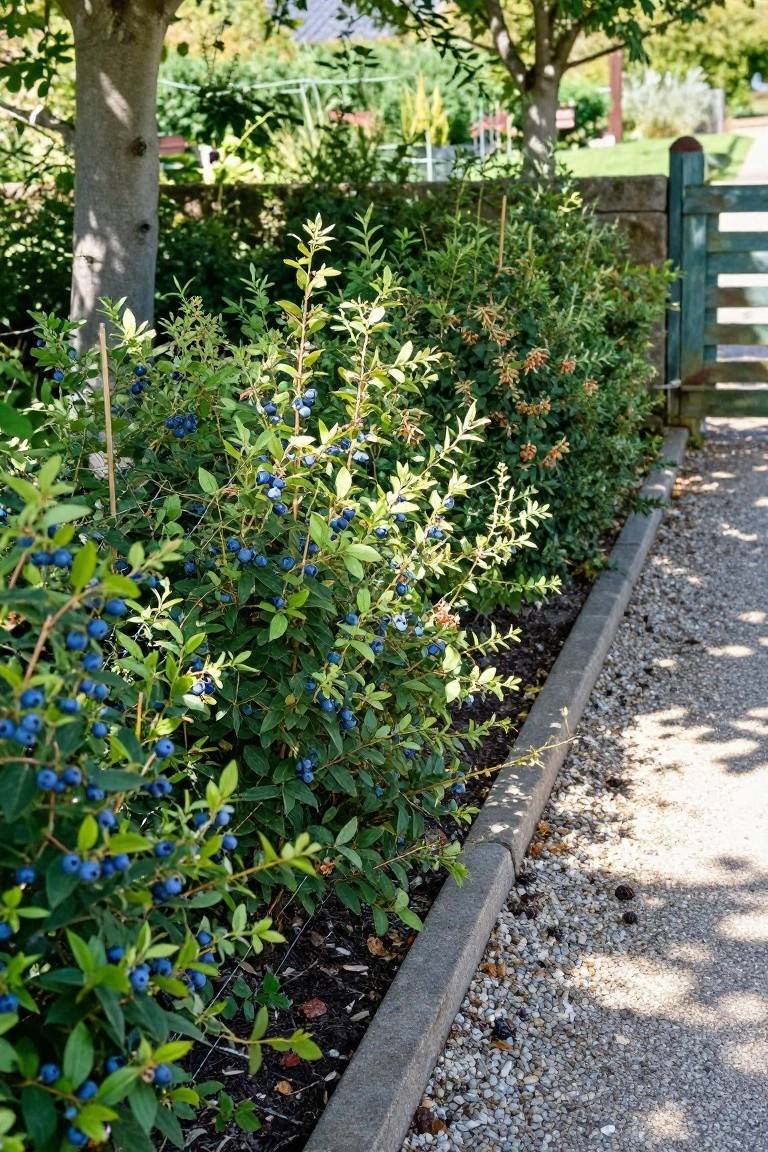
One straightforward way to start growing your own food is with edged beds full of berry bushes. These blueberries show how it looks in real life, tucked into neat mulched beds with simple concrete borders. They give you fresh fruit without much fuss, and the edging keeps everything looking tidy while holding back the soil.
Set these up along a path or fence line where you walk by often. Use gravel or mulch for the path to cut down on weeds, and pick bushes that suit your spot, like blueberries for acidic soil. It’s perfect for beginners since the borders make it easy to weed and harvest. Just watch the pH if you’re going for berries… keeps them happy and producing.
Simple Pergola for Herb Drying

One easy way to start homesteading is turning a backyard pergola into a drying spot for herbs and beans. You see bundles hanging from the wooden beams, along with pods still on the vine. It keeps things organized and uses the open air to preserve your harvest without fancy equipment. Perfect for beginners who want fresh flavors year round.
Set it up in a sunny, breezy corner away from direct rain. Add hooks or strings across the top, and place a small table underneath for jars or sorting. Works well in any size yard, even if you’re just growing a few pots. Watch for too much humidity though, or things might mold.
Simple Patio Table Among Herbs

A small gray metal table sits right on the patio tiles, with an open book inviting you to linger. Around it, raised wooden beds hold bushy basil and crisp lettuce, while green vines climb an arch overhead. This setup pulls your outdoor spot into the garden itself. You get fresh picks without walking far. Perfect starter move for homestead feel in tight spaces.
It works best in courtyards or along fences, where plants add privacy too. Grab a basic bistro table, line the edges with easy-grow boxes or pots. Beans on the trellis give vertical harvest. Suits sunny spots. Watch drainage in those pots… no soggy roots.
Simple Gravel Paths for Garden Access

A gravel path running straight through plant beds works great for keeping your homestead garden organized. Those wooden posts along the edges hold everything in place without much fuss, and the mulch keeps weeds down while letting plants spread out naturally. It’s practical for daily walks to check on crops or herbs, and it doesn’t cost a fortune to set up.
This setup fits small backyards or larger plots where you want clear routes between growing areas. Lay down landscape fabric first, then add gravel over it for good drainage. Skip fancy curves if you’re just starting out… straight lines are easier to maintain and guide you right where you need to go.
Simple Linear Water Rills for Garden Paths
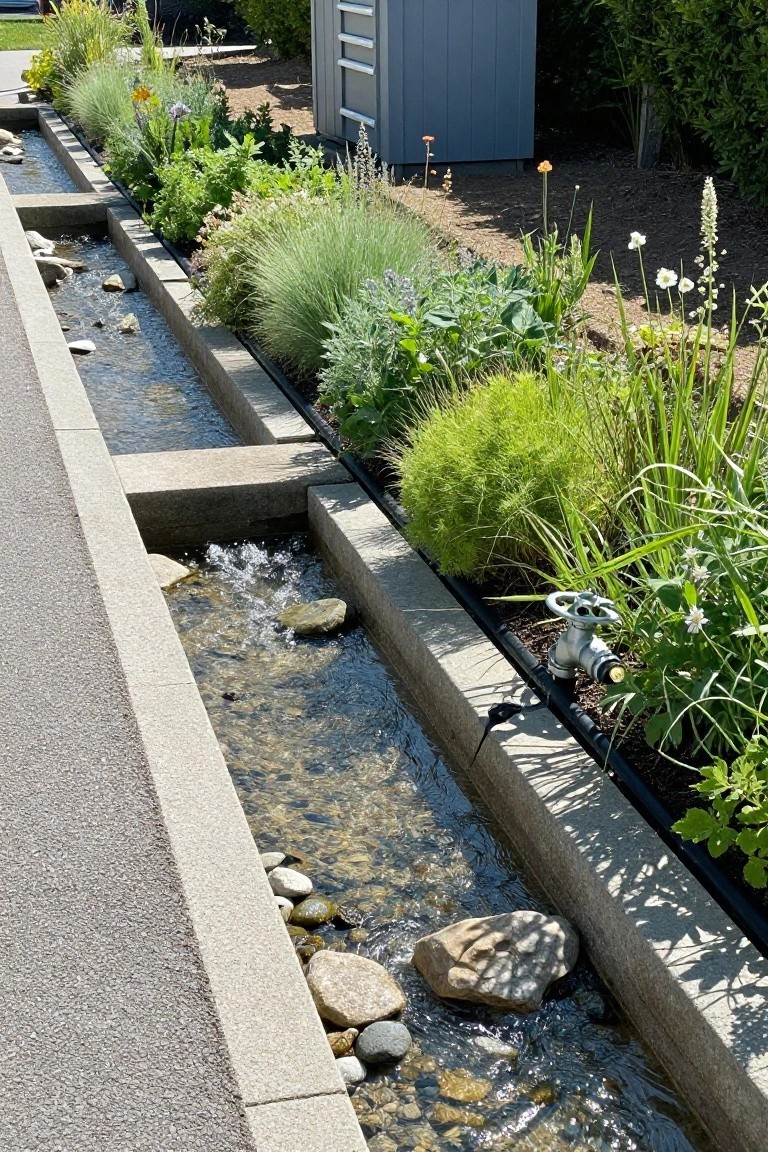
One easy way to bring the soothing sound of a stream right to your backyard is with concrete channels that run water alongside a path. These linear rills keep things neat and modern while the gentle flow over pebbles adds that natural touch without much fuss. In this setup, tough grasses and perennials fill the beds around them, making the whole area feel alive and low-maintenance.
You can set these up along a sidewalk or driveway edge, perfect for small homestead lots where space is tight. Recirculate the water with a basic pump if you want to save on fresh supply, and plant drought-tolerant stuff like sedges or herbs to cut down on watering. Just keep the channels clear of leaves now and then… it stays pretty simple overall.
Simple Farm Stand Setup

One easy way to kick off your homesteading is with a basic outdoor stand for selling veggies. Here a wooden table sits against a low stone wall, loaded with crates of fresh bok choy, beets, and greens. It feels right at home in a yard setting, turning your harvest into quick cash without much fuss.
Set it up on a driveway edge or near the street where folks can spot it. Grab cheap crates from markets, stack them on any sturdy table, and chalk prices on a sign. It suits small lots best, keeps things low-cost, and gets neighbors buying local right away.
Frequently Asked Questions
Q: Do I need a big yard or land to start these ideas?
A: You can kick things off in a small space like a balcony or even indoors. Try container gardening for herbs and greens first. Scale up only when you’re ready.
Q: What’s the simplest garden to grow if I’m a total newbie?
A: Grab some pots, soil, and easy seeds like radishes or bush beans. Plant in a sunny spot, water daily, and thin out crowded spots as they sprout. Harvest in a month and you’ll be hooked.
Q: How do I keep costs low when trying homesteading?
A: Hunt for free or cheap starters at yard sales, like scrap wood for beds. Save seeds from store-bought produce to replant. And focus on just two ideas to start… no need to buy everything at once.
Q: Can I raise chickens without a ton of experience?
A: Pick a basic coop kit and three hens to keep it manageable. Feed them scraps plus cheap layer feed, and collect eggs daily. They forage a bit, so your workload stays light.
