

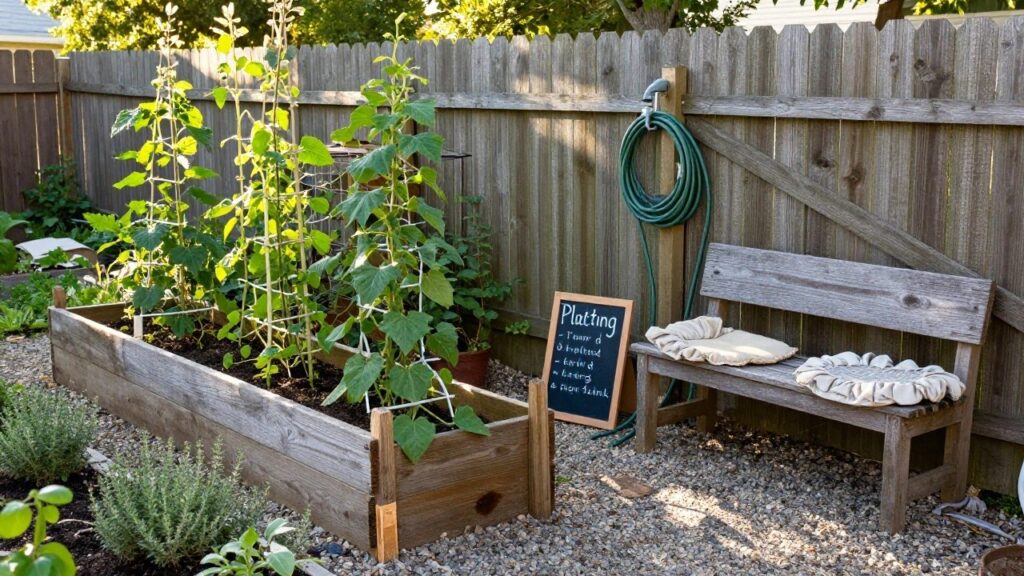
I still remember eyeing our bare patch of yard and wondering where to even begin with homesteading.
Simple projects like raised beds or a basic tool shed quickly showed me how much better a space works when it matches your daily rhythms.
Folks new to this often spot the difference first in those practical zones that cut down on wasted trips across the property.
I put up a trellis for vines early on, and it not only saved ground space but made harvesting feel straightforward.
A handful of these ideas hold up well enough to tweak and reuse wherever you end up settling.
Simple Raised Garden Beds
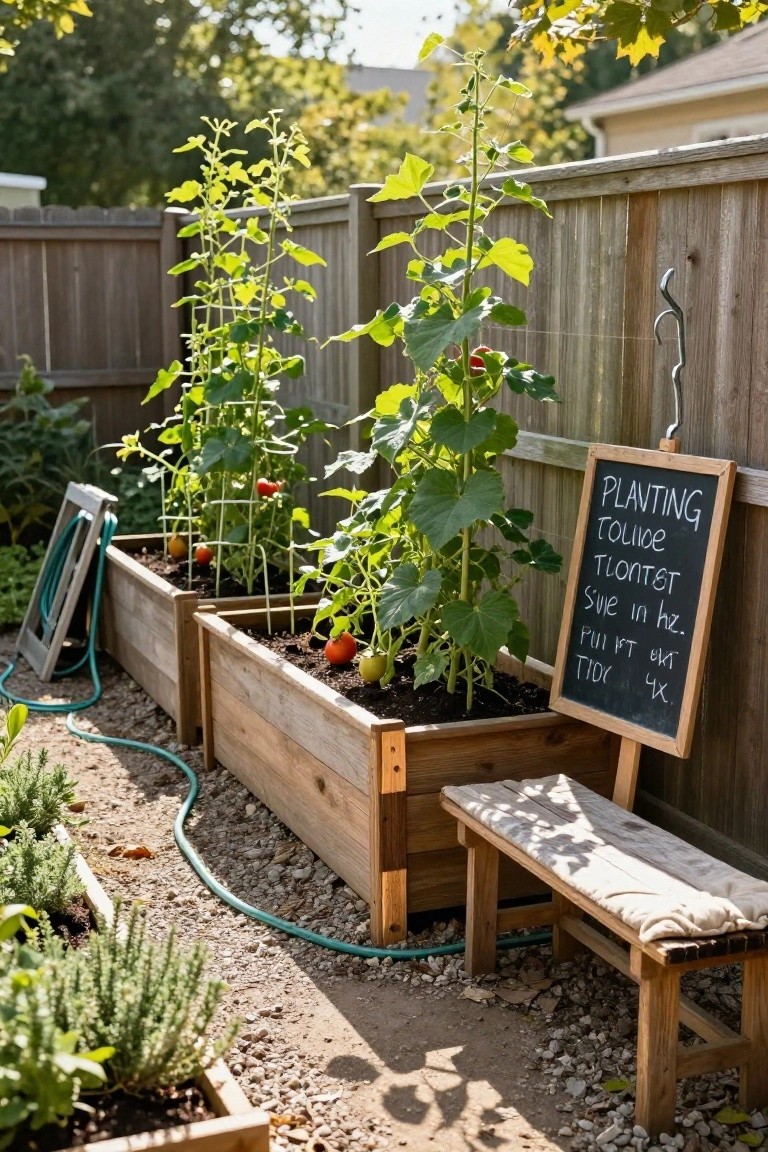
Raised garden beds like these make vegetable growing dead simple for new homesteaders. You just build a few sturdy wooden frames, fill them with soil, and plant. In this setup, tomatoes are already climbing the supports and setting fruit, showing how quick results come without messing up your whole yard.
They’re great for tight backyards or spots with poor soil. Go with untreated lumber to avoid chemicals leaching in, size them to reach comfortably, and add gravel paths around for easy access. Start small, maybe two beds like here, and expand as you go.
Build a Raised Garden Bed from Pallets
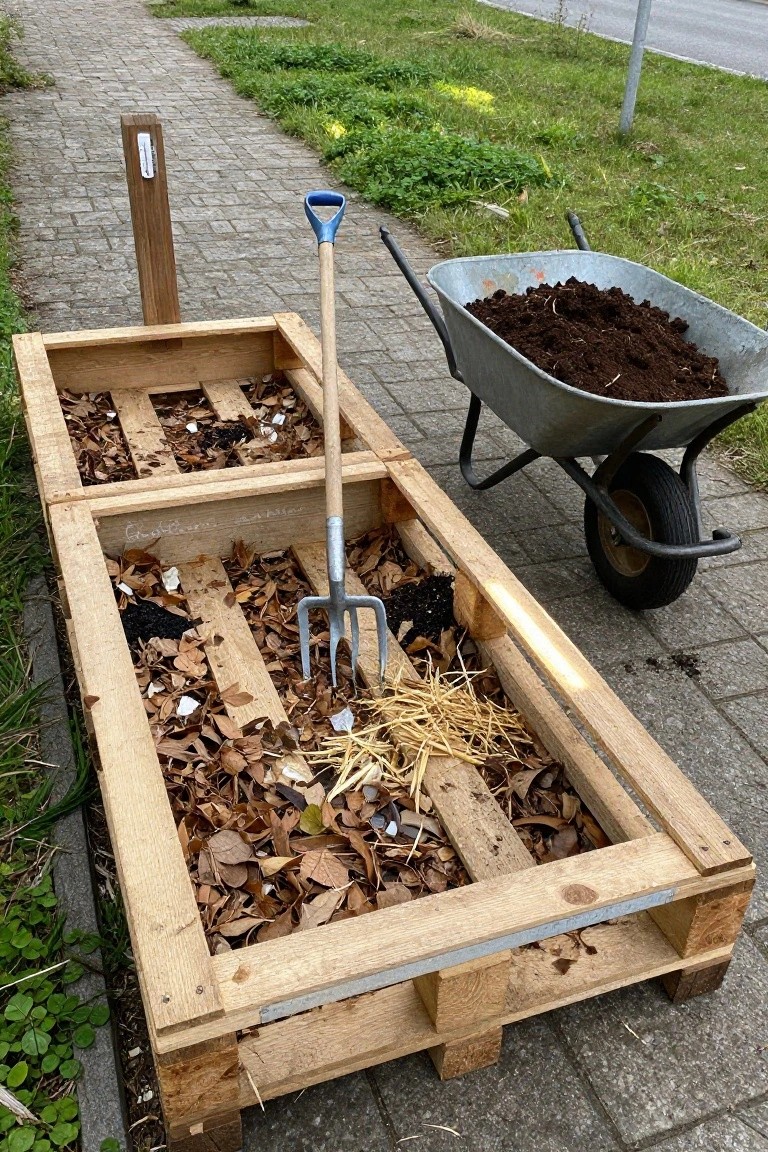
One straightforward way to start gardening on a homestead is with a raised bed built from old wooden pallets. These beds are cheap and quick to put together. You just stack and secure a couple of pallets to form the sides, like the one shown here with layers of leaves, soil, and straw inside. It gives plants a good start without much digging into hard ground.
This setup works great along a path or near the house where space is limited. Fill the bottom with yard waste like leaves and sticks for drainage and slow-release nutrients, then top with soil from a wheelbarrow. It’s perfect for beginners… low cost and forgiving if you forget to water one day. Watch for treated wood pallets though, and go for untreated ones to keep things safe for growing food.
Build a Simple Backyard Greenhouse
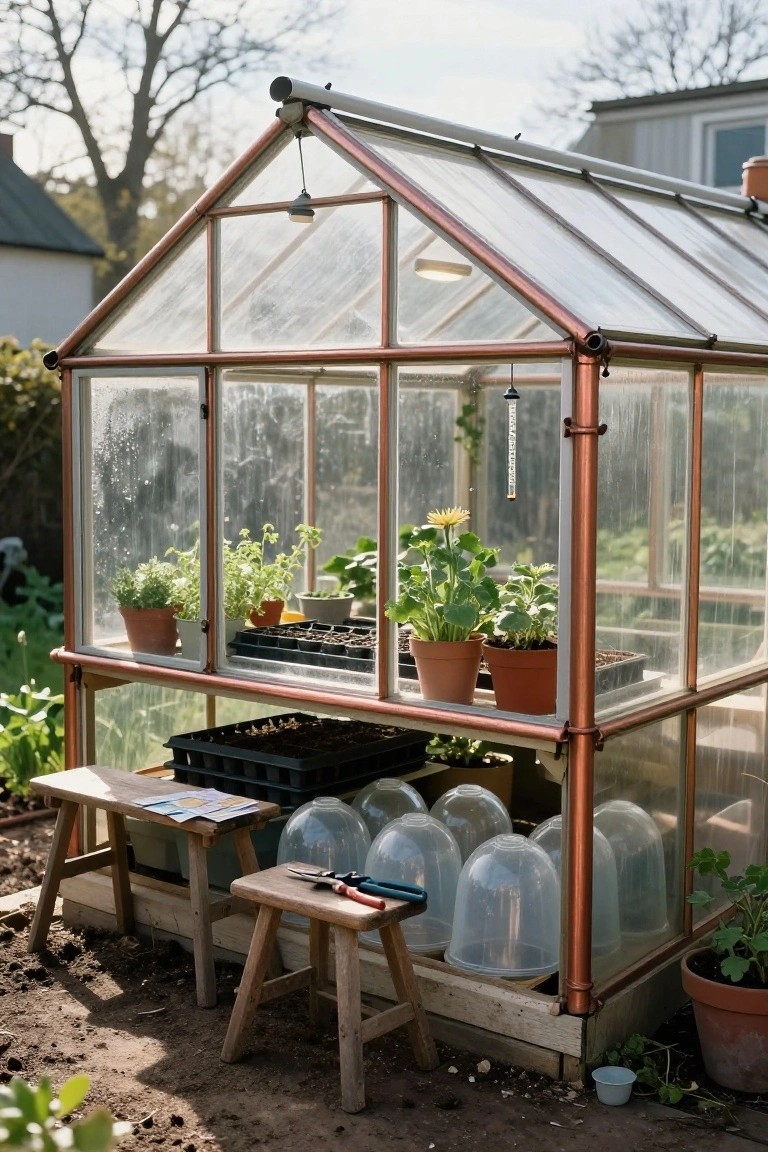
A backyard greenhouse like this one makes it easy to start seeds early and protect young plants from cold snaps. The copper frame gives it a sturdy look that ages nicely over time, and the glass panels let in plenty of light. Inside, you see trays of seedlings, potted herbs, and those clear cloches over starts, all set up on simple benches. It’s practical without being fancy, just right for growing veggies or flowers when you’re new to homesteading.
Put yours in a sunny corner of the yard, away from big trees that might shade it. Start small, maybe 6 by 8 feet, using off-the-shelf glass or polycarbonate panels on a metal or wood frame. Add shelves for pots and a stool for sitting while you work. It suits any size lot, even town backyards, and keeps costs down if you source used materials. Watch for good ventilation to avoid mold on humid days.
Simple Rain Barrel for Garden Water

Rain barrels are one of those old-school homestead tricks that just make sense. They catch water right from your roof downspout and store it for free use on plants or cleaning. This setup uses a bright red barrel on a sturdy stone base, with a brass spigot for easy access. It looks right at home tucked against the house, blending practical water saving with a bit of garden charm.
To pull this off, grab a used 55-gallon barrel, clean it well, and set it up under a downspout. Stack flat stones or concrete blocks for the base to keep the faucet off the ground. Add overflow drainage and screen the top to keep out bugs. It works great in any backyard with a gutter system, especially if you’re starting small on a homestead. Watch for standing water in wet spells though.
Simple DIY Chicken Coop
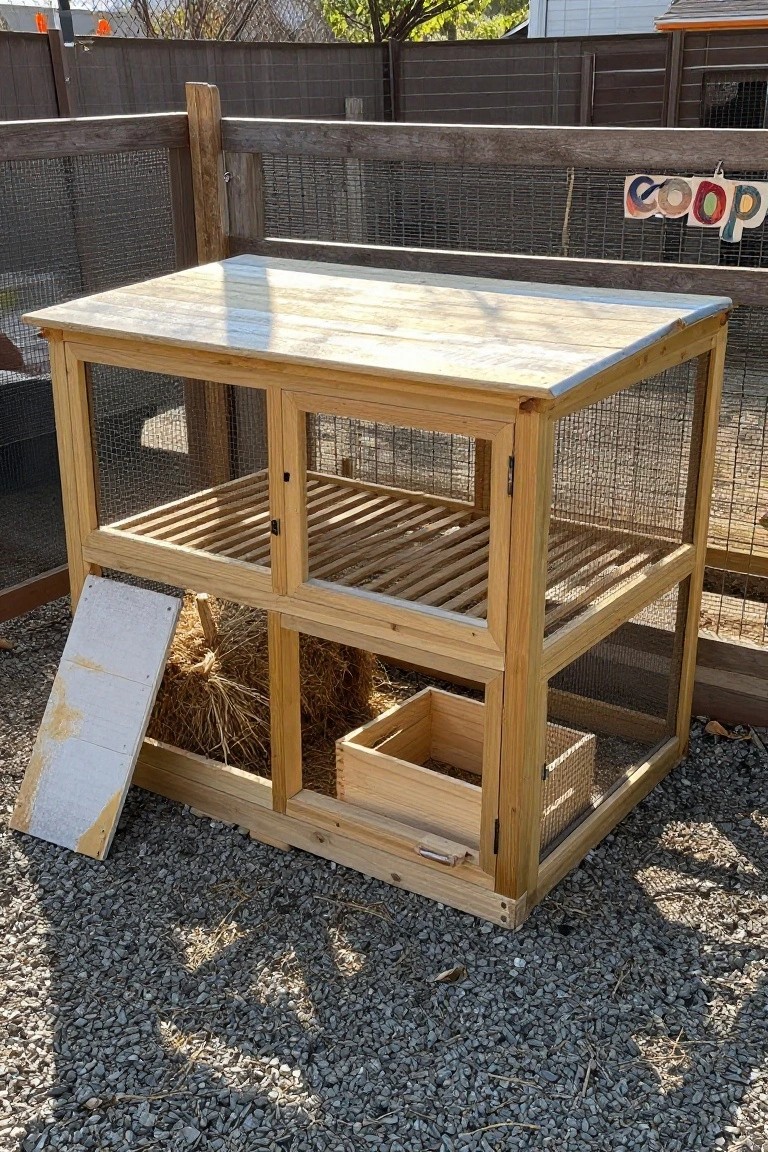
A raised wooden chicken coop like this one is a great starter project for new homesteaders. It keeps the birds off the damp ground, makes cleaning easier with drop trays below, and the wire run gives them space to scratch around safely. The slatted shelves inside work as roosts and nest boxes, all in a compact footprint that fits most backyards.
Put it in a sunny spot with some shade nearby, on level gravel to avoid mud. Use pressure-treated wood for the frame and hardware cloth for the mesh to keep predators out. It’s sturdy enough for a few hens but simple to build over a weekend. Just add a secure latch on the door.
Build a Simple Cold Frame for Seedlings

A cold frame like this one gives young plants a head start without much fuss. It’s just a wooden box with a clear lid that traps warmth from the sun, keeping seedlings safe from cool nights or light frost. You see the trays of sprouts inside, plus thermometers to check the heat. Folks starting out on a homestead love how it extends the growing season on a small budget.
Put it right in your garden near raised beds, where it gets morning sun. Use pine boards for the frame, hinge on some plexiglass or an old storm window for the top, and add burlap flaps for shade or wind block. Works best in mild climates… watch that it doesn’t overheat on warm days. Great for veggies like tomatoes or peppers when you’re just testing the homesteading waters.
Easy Rock-Edged Gravel Path for Herbs
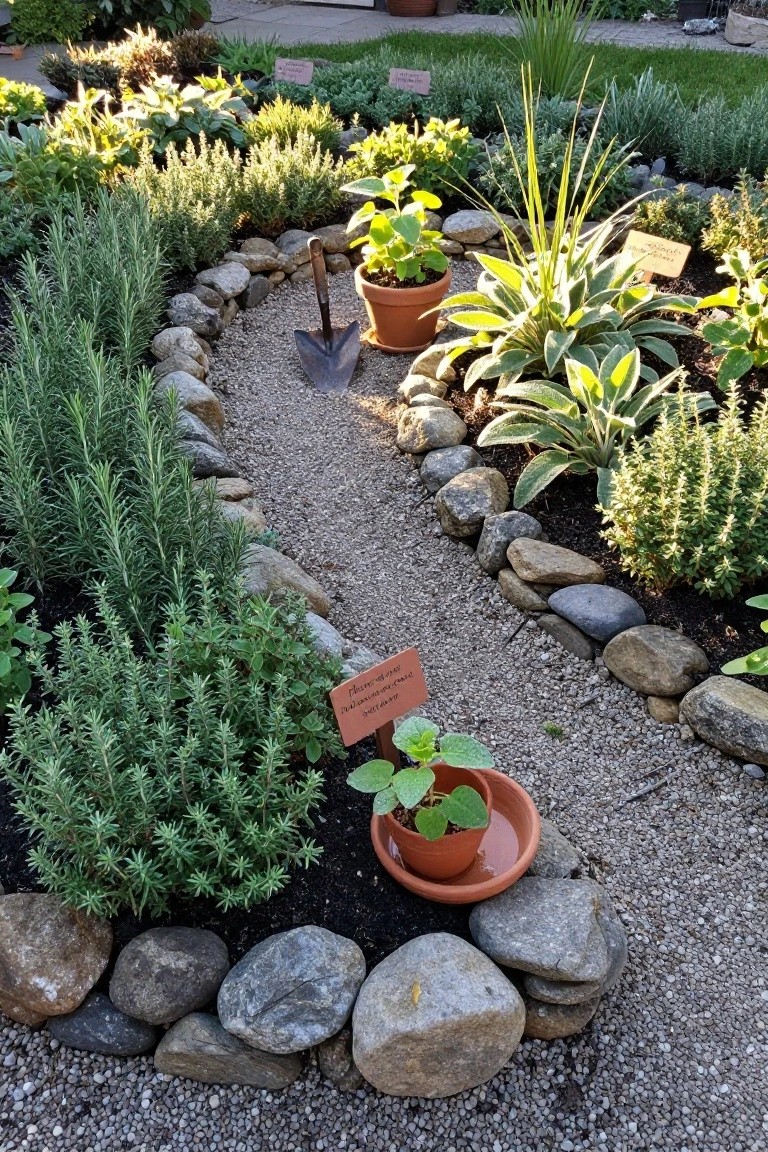
A simple gravel path edged with rocks gives your herb garden some structure without much work. You see rosemary and thyme planted in neat raised beds along the way, with the path curving gently to make it feel bigger. It keeps mud off your shoes and lets you reach plants easily. Folks like it because it’s low fuss and adds a bit of order to a growing patch.
To set one up, dig a shallow trench for the gravel, line it with landscape fabric if weeds bother you, then drop in bigger rocks along the edges. It fits right into a backyard corner or along a fence, perfect for new homesteaders wanting fresh herbs close to the kitchen door. Just make sure the spot drains well so roots don’t sit wet.
Fence-Trained Fruit Trees
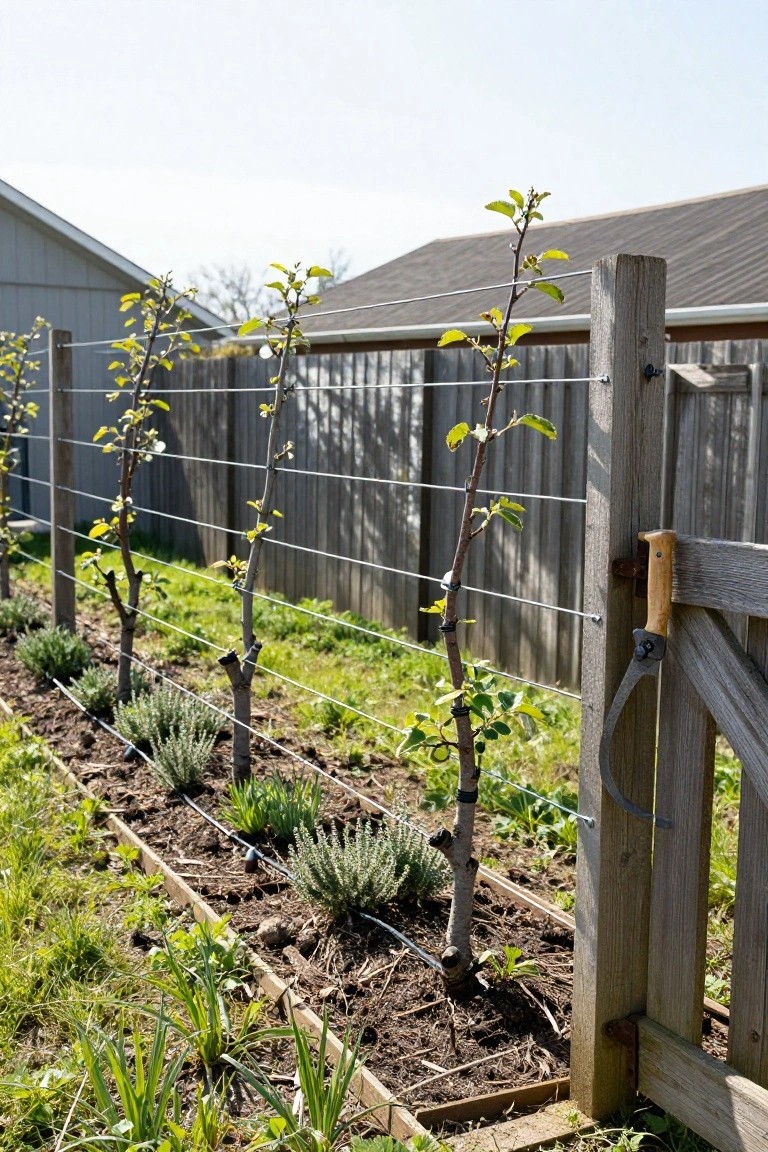
One straightforward way to get fruit in a small yard is training young trees right along an existing fence. You see apple saplings here, tied loosely to wire supports in neat raised beds. It saves space, uses what you already have, and starts producing sooner than freestanding trees. Plus, it’s perfect for beginners since the fence gives them structure from day one.
Set this up along a sunny boundary fence, spacing trees about six feet apart in soil-rich beds. Mix in low herbs like lavender at the base to fill gaps and draw pollinators. Prune yearly to keep branches flat against the wires. Works great in average backyards, but pick disease-resistant varieties if your area gets damp winters.
Rock Edging for Garden Beds
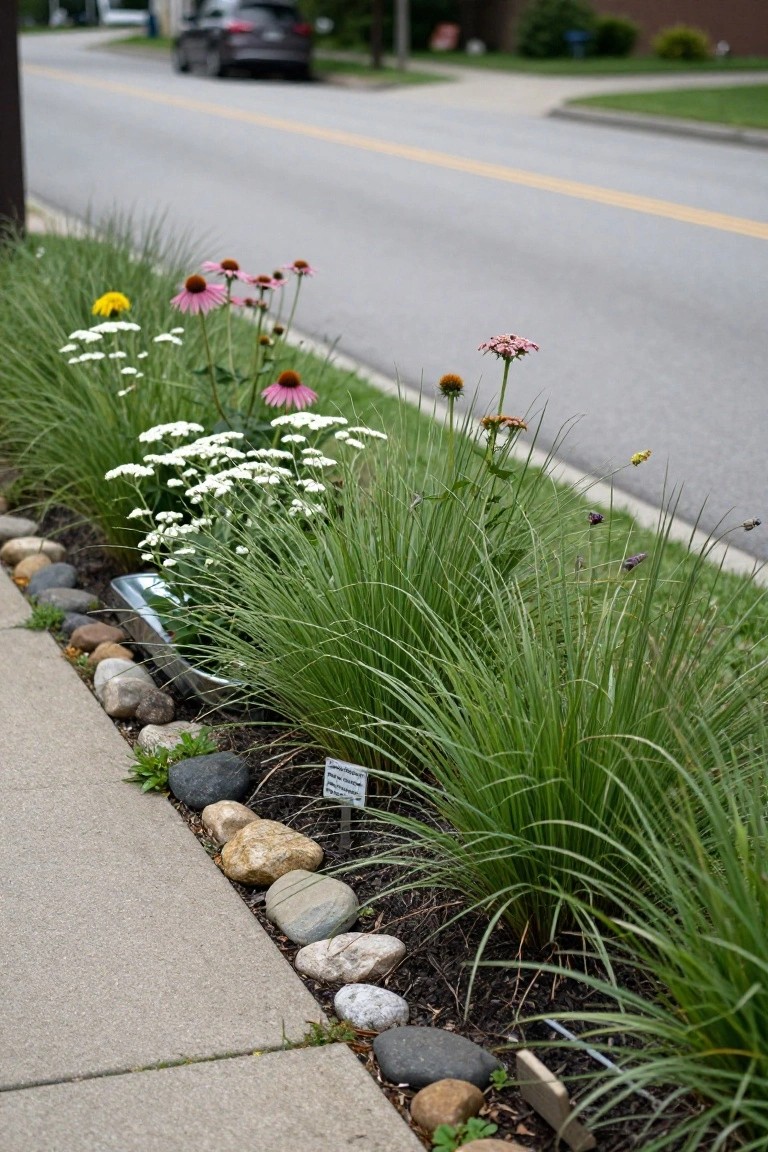
A simple row of smooth river rocks makes a clean border for this flower bed right along the sidewalk. It holds back the soil and plants without needing fancy materials or constant trimming. Tall grasses sway in the middle while colorful coneflowers and white blooms add easy pops of color all season.
This works great for busy streetsides or front yards where you want curb appeal but not daily upkeep. Grab assorted round stones from a local supplier and mix in tough perennials that come back each year. It fits small homestead lots… just keep the bed narrow so it’s simple to reach. Watch for weeds sneaking through at first.
Build a Simple Outdoor Potting Bench
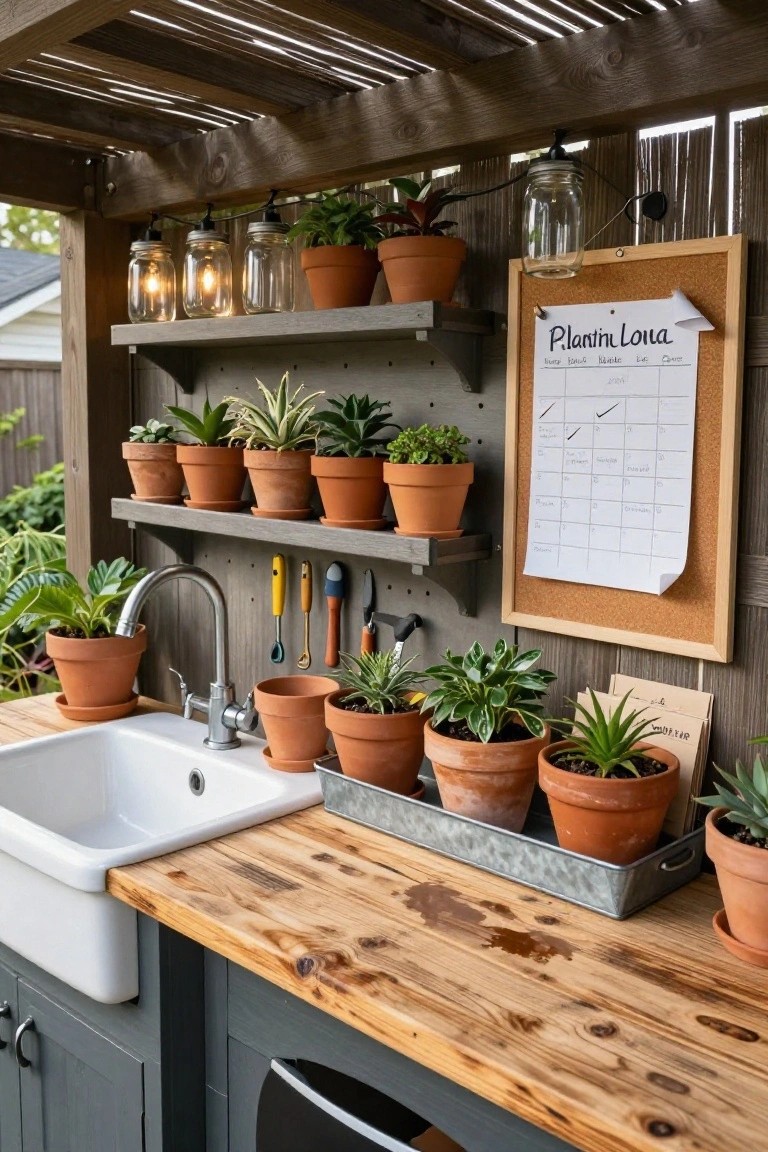
A potting bench gives you a dedicated spot outdoors for repotting plants and cleaning up soil without tracking mess inside. This setup uses a basic farmhouse sink, wooden shelves loaded with terracotta pots, and hooks for garden tools right where you need them. It’s practical for beginners and turns a backyard corner into a real workspace.
Put one together with scrap wood or affordable lumber for the counter and cabinets, and add a salvaged sink if you can. Position it near your garden under some shade like a pergola. It suits any size yard, especially if you’re growing veggies or herbs… just drain the sink well to avoid puddles.
Build a Simple Open-Air Woodshed

Nothing beats having your firewood right where you need it, dry and ready for the stove or fire pit. This setup uses basic wood framing with a sloped metal roof to keep rain off the stacks. You see neat rows of logs on shelves, plus room for tools like an axe on a bench. It’s practical for homestead life, keeps things organized, and doesn’t take much space.
Put one near the house or garage, on a gravel base to stay level. Use pressure-treated lumber for posts and beams so it lasts through winters. Stack shorter pieces inside for quick grabs… longer ones out front. Works great for any yard with a wood-burning setup. Just make sure it’s open on sides for air flow, or the wood stays damp.
Build a Backyard Pizza Oven
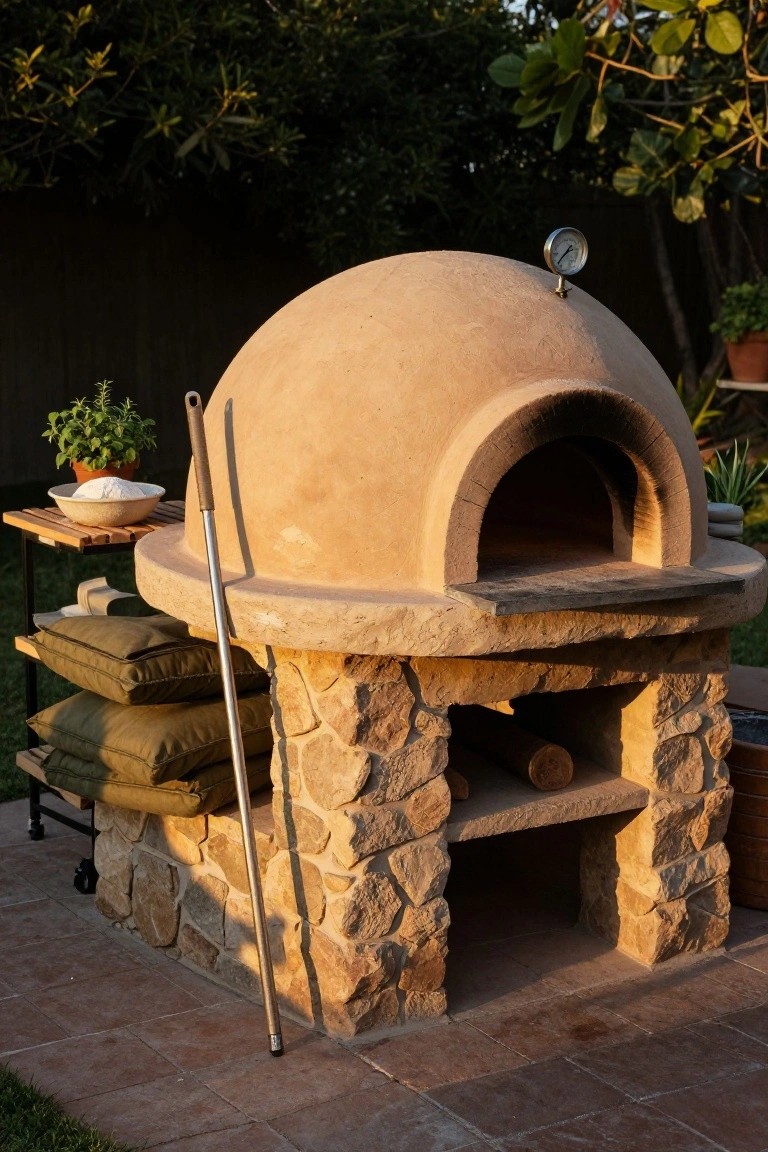
A backyard pizza oven gives homesteaders an easy way to make fresh-baked bread or pizza without relying on store-bought stuff. This dome-shaped one sits on a simple stone base that keeps it stable and looks right at home outdoors. The built-in thermometer helps you watch the heat, and it’s perfect for casual family nights or sharing with neighbors.
Put yours on a patio or near the garden where you can grab herbs fresh. Stone or brick for the base holds up well to fire, and clay for the dome is straightforward to shape if you mix it yourself. It works in small yards too. Just keep it away from anything flammable, and start with smaller fires to get the hang of it.
Tree-Lined Path with Resting Bench

A straight row of young fruit trees creates this simple walkway, with mulch keeping down weeds and a basic wooden bench right in the middle for pausing. Flowers tucked along the edge add a bit of color without much work. It’s practical for homesteaders who want fruit production plus a quiet spot to sit and check on things.
This works best in a side yard or along a fence line where space is narrow. Space trees about 10 feet apart, run drip lines for easy watering, and use scrap wood for the bench. Keeps paths clear for wheelbarrows too. Watch the tree supports so they don’t lean over time.
Brick-Edged Raised Flower Beds
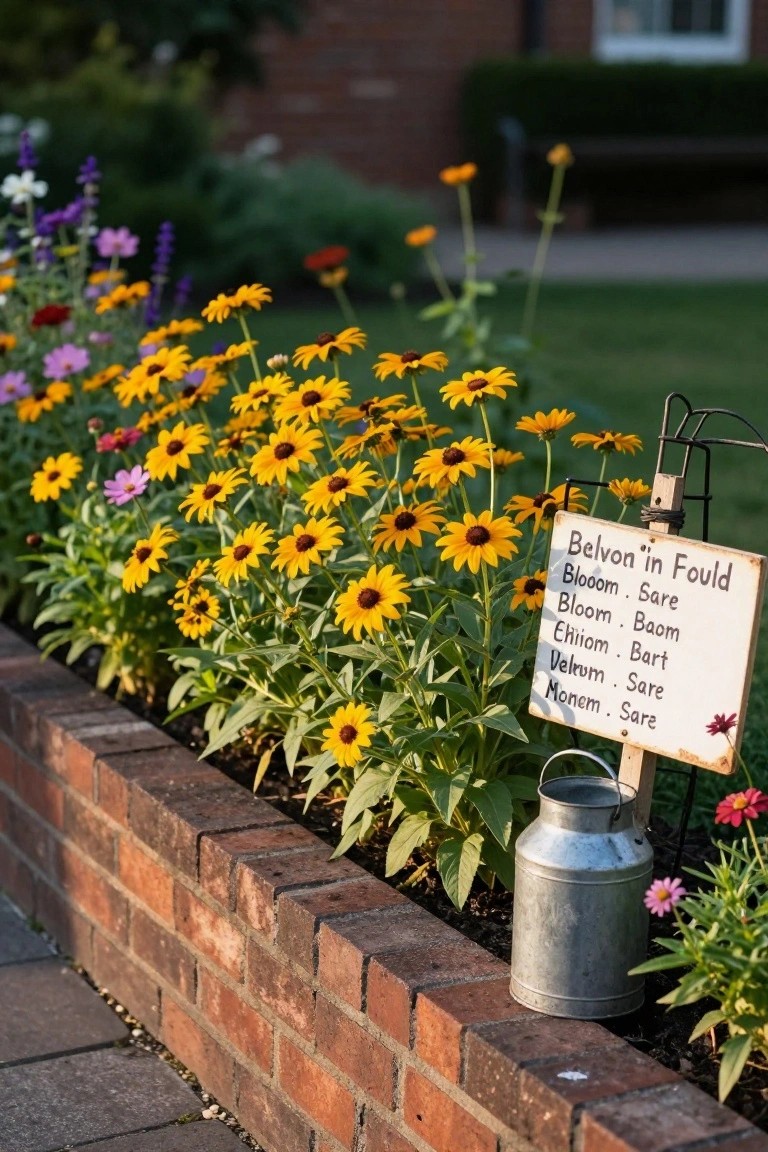
A simple raised bed edged with bricks works great along a wall or walkway. Here it’s full of black-eyed Susans and other perennials that bloom all summer. The structure keeps soil in place and gives the garden a tidy look without much fuss. Plus that old milk can adds a rustic homestead touch.
These beds suit small yards or first-time gardeners. Stack bricks two or three high for easy planting access. Fill with tough flowers like rudbeckia that come back each year. Add labels on a scrap of wood to track varieties. Watch the soil drainage though… too wet and roots rot.
Create a Woven Branch Archway for Garden Paths

Nothing beats a simple woven archway when you want to give your garden a cozy, hidden feel. Folks on homesteads love this because it uses branches you can cut from your own trees or pick up cheap. Like the one here with its thick weave of willow or bamboo holding a sign for the dahlia garden, it pulls you right into the plants without much work. It softens hard edges and makes paths feel special.
To try it, start with flexible branches bent into an arch shape over a path, then weave extras through for strength. Stake the ends deep so it lasts a few seasons. It works great leading to veggie beds or seating spots in small yards. Just keep an eye on growth so vines don’t take over too quick.
Build Terraced Stone Garden Beds
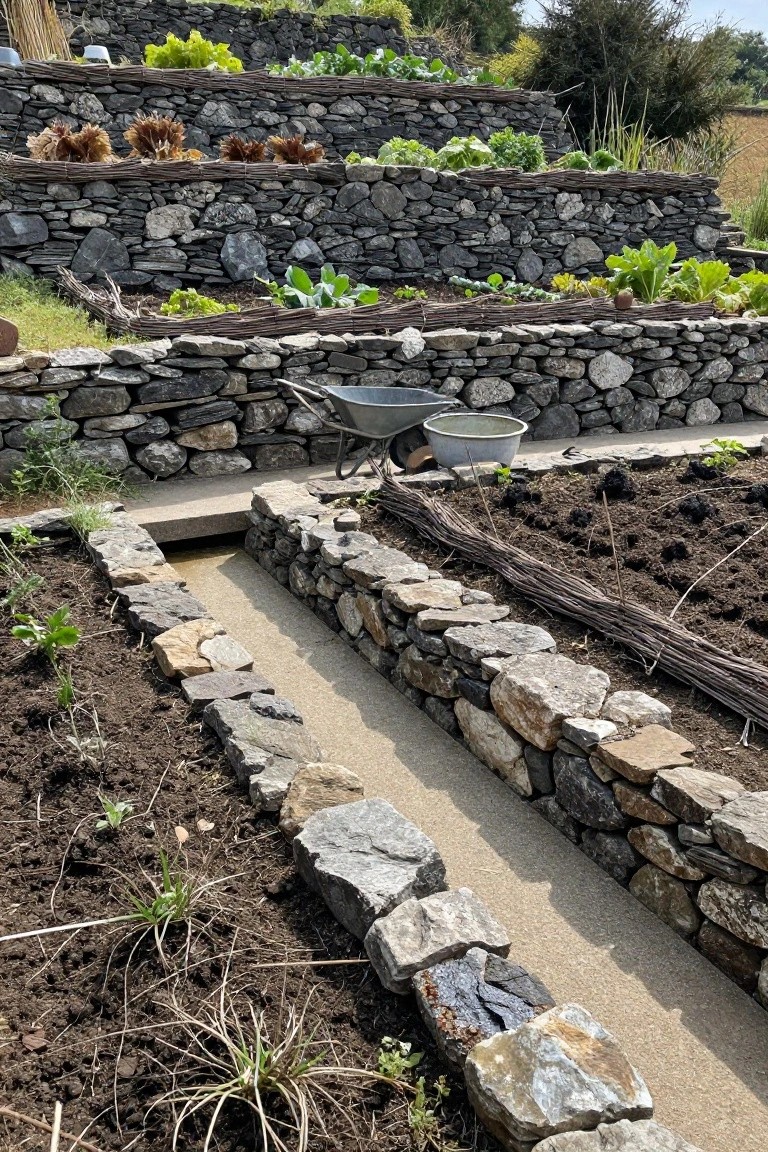
Sloped yards make gardening tough. Water runs off, soil erodes, and everything ends up at the bottom. But dry-stacked stone terraces fix that. They hold soil in place and create level beds for crops. In this setup, greens and beans grow right up the hill, with room to walk between.
Gather rocks from your property or nearby. Stack them without mortar for a natural look that blends in. It works best on hillsides under 30 degrees. Add mulch on top to keep weeds down. First-timers can start small, one or two levels. Watch for loose stones after rain and reset them.
Build a Simple Solar Food Dehydrator

One easy project for new homesteaders is turning a basic wooden A-frame stand into a solar dehydrator. You cover it with clear plastic, add mesh trays, and let the sun do the work drying sliced apples, herbs, or other produce. It keeps things practical and cheap, no electricity needed, and fits right on a balcony or porch.
Place it in full sun where air can circulate a bit. A small fan nearby helps if it’s humid. Works best for small batches in tight outdoor spots, but cover it at night or bring it inside to keep out bugs and dew.
Build a Simple Rock Pond

A backyard rock pond like this one brings a bit of calm to your homestead without much fuss. The natural stones and gentle waterfall create that soothing water sound, and it draws birds and butterflies too. It’s low-key enough for beginners, using stuff you can find locally like fieldstone and river rocks.
Start with a pond liner in whatever size fits your spot, stack rocks around the edge for a rugged look, and add a small pump for the waterfall. Tuck in some tough plants like irises along the sides. It works great in small yards or near a patio… just keep the pump clean to avoid clogs.
Easy Backyard Worm Composting Setup

If you’re new to homesteading, a worm composting station like this one is a great starting point. It uses stacked clear plastic bins on a simple metal stand with a roof for protection. The worms break down kitchen scraps into rich castings right in your yard, and you can see the progress through the sides. It’s low-cost and doesn’t take much space.
Put it in a shaded backyard spot near the garden. Stack three or four bins, drill holes for air and drainage, add bedding and worms, then feed them scraps weekly. Use a sieve to harvest the castings for soil amendment. Works best in mild weather, and the notebook helps track what goes in.
Build a Simple Picket Fence Garden Gate
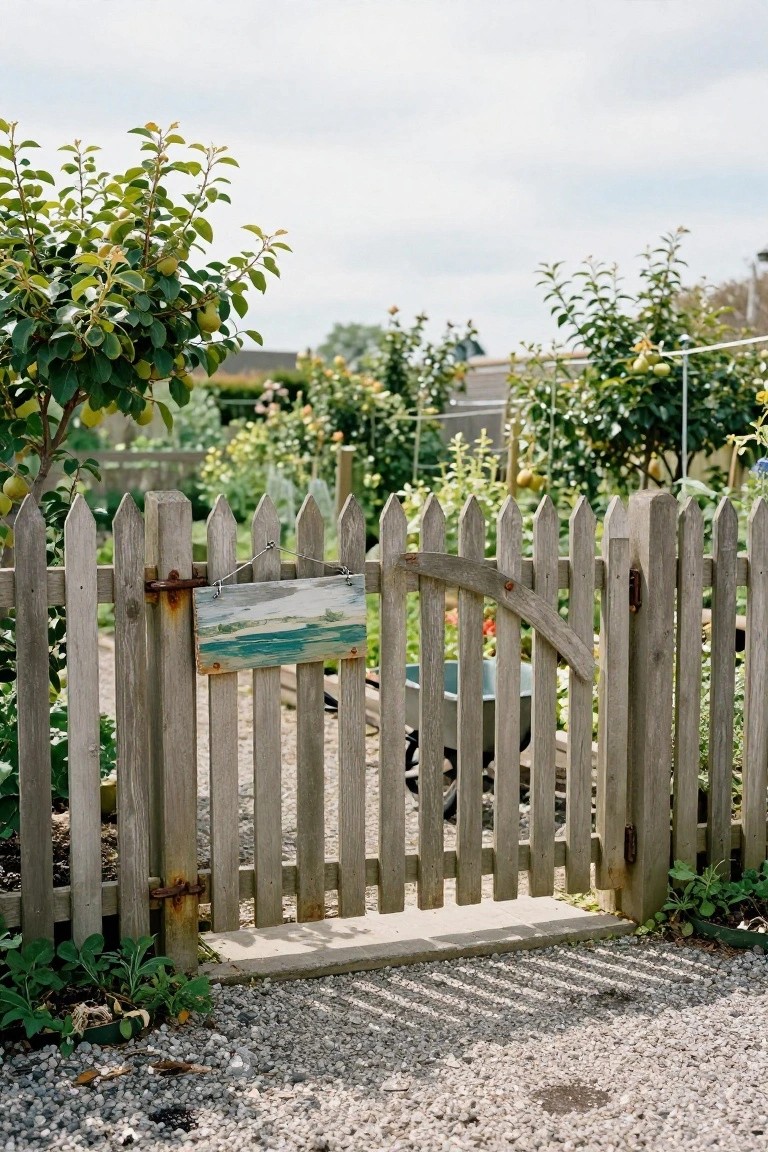
Nothing says homestead like a little picket fence gate at your garden entrance. This one, with its weathered wood and simple latch, marks off the veggie patch nicely. It keeps things contained but still lets you feel the garden pull you in. Folks like it because it’s quaint without much upkeep, and it fits right into a backyard setup.
Put one at the end of a gravel path or along your plot edge. It suits small spaces or starter homesteads best, using basic lumber you can source cheap. Watch the hinges for rust if it’s out in the weather. Easy to knock together in a weekend.
Frequently Asked Questions
Q: Do I need a ton of land to try these projects? A: Most work great in small backyards or even balconies. Start with container gardening or a simple compost bin. They scale down easy so you see quick wins without acres.
Q: Which project should I tackle first as a total newbie? A: Go for the herb garden in pots. Grab some soil, seeds, and old containers from around the house. You harvest fresh flavors in weeks and build confidence fast.
Q: Can I pull these off on a super tight budget? A: Yep, hunt for free or cheap stuff at yard sales and scrap piles. Repurpose pallets for raised beds or jars for starters. Many cost under twenty bucks.
Q: What if I mess one up—do I just quit? And no. Learn from it, tweak next time. Every homesteader bombs a project early on.
