

Ever wondered if you can grow your own crunchy, vibrant carrots right in the comfort of your home? Picture this: no more worrying about store-bought veggies lacking that fresh, garden taste. With just a few simple steps, you can have your own mini carrot patch flourishing on your balcony or windowsill.
Imagine stepping outside and plucking a handful of crisp carrots for your next meal, knowing exactly where they came from and what went into growing them. In this article, you’ll discover the joys of cultivating carrots in pots – from selecting the right container to nurturing your carrot seeds into vibrant orange delights. Get ready to elevate your cooking with homegrown goodness that’s as rewarding as it is delicious.
Choosing the Right Container
To grow carrots successfully in a pot, select a container that is at least 12 inches deep. Here’s some guidance to help you choose the right one for your mini carrot patch:
- Opt for a container with drainage holes to prevent waterlogging and promote healthy root growth.
- Consider the size of the container based on the number of carrots you plan to grow. Ensure there’s ample space between each seed.
- Choose a sturdy material like plastic, fiberglass, or ceramic. Avoid using containers made of metal which can heat up and harm the roots.
- Pick a location for your container that receives at least 6 hours of sunlight daily. Carrots thrive in full sun.
- Ensure the container has good airflow to prevent issues like fungal diseases.
By following these tips, you’ll set yourself up for success in growing vibrant and crunchy carrots in your chosen container.
Recommended Products

Made with Recycled Materials: A blend of recycled plastic, stone powder, and wood dust, PSW Pots are eye-catching and long-lasting for mindful gardening.

Deep planting space promotes root growth to keep plants healthy

DURABLE & LIGHTWEIGHT: Designed for versatile use, these plastic planters for indoor plants are perfect for cultivating flowers, herbs, and vegetables. Their lightweight design makes them easy to move and handle, whether indoors or outdoors.
Selecting the Perfect Carrot Variety
When choosing the ideal carrot variety for your pot, consider the following factors:
- Size: Opt for varieties like “Short ‘n Sweet” or “Little Finger” for smaller containers.
- Shape: Choose between cylindrical or Chantenay types based on your preference.
- Color: Select from vibrant options like orange, purple, or white carrots to add visual appeal.
Recommended Products

HEIRLOOM BABY CARROT VARIETY - Little Finger carrots are small but mighty, producing sweet, crisp roots just 3–4 inches long that are perfect for fresh snacking or gourmet meals

Burpee exclusive. This rich, Sweet flavored Carrot has 4" roots that are bright-orange to the center and was bred especially for heavy or poor soil

🥕 Guided Success: While carrots can be tricky, our Little Fingers carrot seeds come with detailed instructions to optimize your gardening experience.
Preparing the Potting Mix
To start growing carrots in a pot, preparing the right potting mix is crucial. Here are the steps to ensure your carrots thrive:
- Choose a high-quality potting soil that is well-draining and loose. You can also make your mix using a combination of garden soil, sand, and compost.
- Ensure the container has drainage holes at the bottom to prevent waterlogging, which can lead to root rot.
- Fill your container three-quarters full with the potting mix. Leave some space at the top for watering.
- Avoid using heavy soils or those with rocks, as they can hinder carrot growth.
| Potting Mix Component | Percentage |
|---|---|
| Garden soil | 50% |
| Sand | 30% |
| Compost | 20% |
- Regularly check the moisture level of the soil and water when the top inch feels dry.
- Consider adding organic matter like compost to boost soil fertility and promote healthy carrot growth.
- Mix in a balanced fertilizer when planting to provide essential nutrients for your carrots.
- Stay diligent with watering, as carrots require consistent moisture for proper development.
Recommended Products
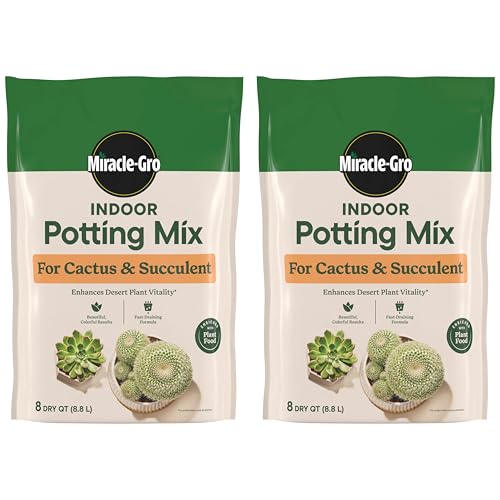
Miracle-Gro Indoor Potting Mix for Cactus and Succulent is enriched with Miracle-Gro Plant Food and enhances desert plant vitality (vs unfed plants when used as directed)

✅【Optimized Drainage】Our mix contains a blend of bark, perlite, and coarse sand, which promotes quick drainage and prevents water from sitting at the roots, thereby protecting against root rot.

🍇 𝐏𝐑𝐄𝐌𝐈𝐔𝐌 𝐏𝐀𝐒𝐒𝐈𝐎𝐍 𝐅𝐑𝐔𝐈𝐓 𝐏𝐎𝐓𝐓𝐈𝐍𝐆 𝐌𝐈𝐗: Our Passion Fruit Potting Mix is expertly crafted to provide the perfect growing environment for vibrant and healthy passion fruit vines. This premium soil mix ensures your passion fruit plants receive the optimal nutrients, moisture, and aeration needed to thrive, making it ideal for both indoor plants and container gardening.
Sowing Carrot Seeds
When it comes to Sowing Carrot Seeds, it’s essential to choose a sunny spot in your garden or balcony. Carrots thrive in well-draining soil with a pH level between 6.0 and 7.0.
Here are the steps to get you started:
- Prepare the soil: Ensure the soil is loose and free of stones to promote straight carrot growth.
- Create furrows: Make shallow furrows with a spacing of about 3 inches between each row.
- Planting the seeds: Sow the seeds thinly along the rows. Cover them lightly with soil.
- Watering: Gently water the soil after planting to keep it moist but not waterlogged.
- Thinning: Once the seedlings sprout, thin them out to allow sufficient space for carrot development.
Remember, consistent watering and adequate sunlight are crucial for healthy carrot growth. Enjoy the process of planting your carrot seeds and watch them flourish into delicious, homegrown treats.
Caring for Carrot Plants
When it comes to Caring for Carrot Plants, consistency is key. Here are some tips to ensure your carrots thrive:
- Watering: Carrots require consistent moisture, so make sure to water them regularly. Aim to keep the soil consistently moist but not waterlogged.
- Thinning: Thin out the carrot seedlings when they reach about 2 inches tall. Space them about 1-2 inches apart to allow room for the roots to grow.
- Weeding: Regular weeding is essential to prevent competition for nutrients. Remove weeds carefully to avoid disturbing the carrot roots.
- Fertilizing: Avoid excessive fertilization as it can cause carrots to fork. Use a balanced fertilizer sparingly to provide necessary nutrients.
- Pest Control: Keep an eye out for pests like carrot rust flies and aphids. Use row covers to protect your plants or consider natural remedies like neem oil.
- Harvesting: Harvest your carrots when they reach a mature size, usually around 1 inch in diameter. Gently loosen the soil around the roots and pull them out carefully.
Monitoring your carrot plants regularly and addressing any issues promptly will help you grow healthy and delicious carrots in your pots.
Harvesting Fresh Carrots
When it’s time to harvest your carrots, you want to ensure they’re at their peak of freshness. Here’s how you can do it:
- Timing is Key: Harvest carrots when they reach maturity, typically around 60-80 days after sowing.
- Loosen the Soil: Before harvesting, gently loosen the soil around the carrots to make pulling them out easier.
- Grab and Pull: Firmly grasp the greens near the top of the carrot and gently pull them out of the soil.
- Inspect and Store: Check for any damage or irregularities on the carrots before storing them in a cool, dark place.
Conclusion
Now that you’ve learned how to grow carrots in a pot, it’s time to put your knowledge into practice. Remember to harvest your carrots when they’re ready, ensuring you handle them with care to preserve their freshness. By following these simple steps, you’ll soon be enjoying delicious, homegrown carrots straight from your own container garden. Happy gardening!
Frequently Asked Questions
When is the best time to harvest carrots?
Carrots are typically ready for harvest 60-80 days after sowing when they reach maturity. It’s best to check the specific variety for maturity indicators like color and size.
How should I harvest carrots?
To harvest carrots, gently loosen the soil around them to avoid breaking them. Then, grasp the green tops near the soil line and pull them out carefully. Remove any excess soil before storing.
Where should I store harvested carrots?
Store harvested carrots in a cool, dark place like a cellar or fridge to maintain their freshness and crispness. Avoid storing them near ethylene-producing fruits to prevent spoilage.
