

When I look at my own backyard I realize that the placement of raised beds shapes everything from how easily I can reach the plants to how the space feels when I step outside.
Good organization starts with thinking about the paths between beds and how sunlight moves across the area during the day.
The details really add up.
I have seen gardens where simple adjustments to bed height and grouping turned a messy corner into a spot that stays productive without much extra work.
Testing a couple of these approaches myself would probably show which ones fit the way I actually use the space week to week.
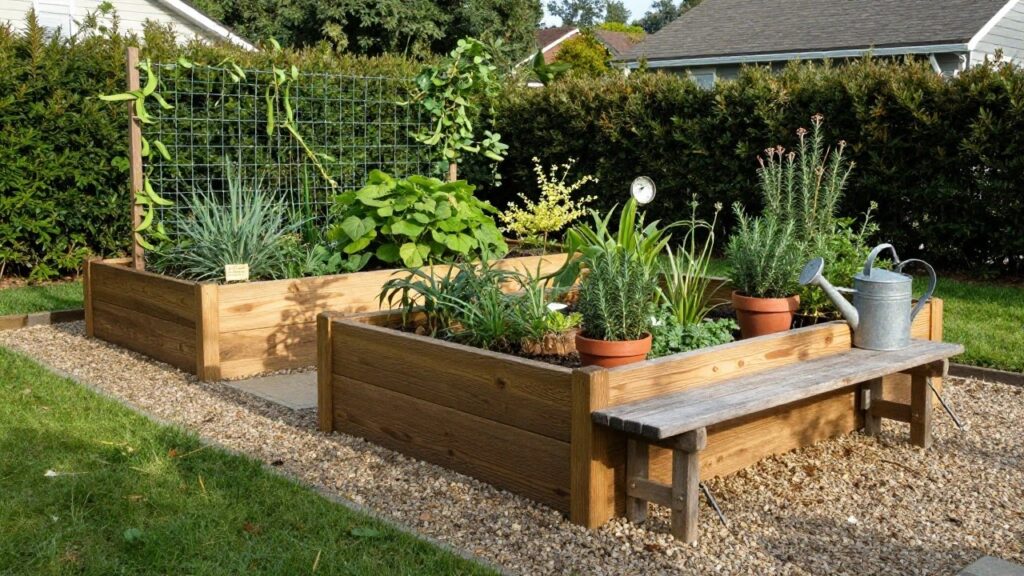
Elevated Wooden Raised Beds for Herbs

One straightforward way to organize your backyard garden is with these long wooden raised beds filled mostly with rosemary. The elevation makes tending the plants simple, no bending over much. A classic metal watering can sits right there, ready to go, and the setup lines up nicely along a gravel path for easy access.
These work best in sunny spots near the house or patio, where you can snip herbs for cooking without trekking far. Go for cedar wood, it lasts years without rotting. Keep the beds about knee-high, and fill with well-draining soil… just watch for slugs in damp weather.
Stone Retaining Walls for Raised Beds

One smart way to organize a backyard garden is building raised beds right into low stone retaining walls. These walls hold back soil and create neat planting pockets along a path, like the ones here with colorful flowers tucked in. The stone adds a rugged feel that lasts, and it keeps plants from spilling onto walkways.
This works best on gentle slopes or flat yards needing definition. Stack local fieldstone for a natural tie-in, then fill with perennials or annuals. Watch the height, though. Keep it under two feet so it stays easy to tend without steps. Labels on wood stakes help remember what is what.
Raised Beds with Metal Sides and Built-In Lights

Raised beds like these use tall metal panels to hold everything in place. The sides shine a bit and have small lights tucked along the base that glow softly at night. Planted with tall grasses, they create clean lines that organize the yard without much fuss. That gravel strip next to them drains water fast and keeps weeds down.
You can pull this off in a narrow backyard spot along a fence. Go for stainless steel or corten if you want it to weather nicely. It suits modern setups best, but watch the scale, keep beds under three feet high so they don’t overwhelm. Easy to maintain too… just trim the grasses now and then.
Tiered Raised Beds with Wooden Steps
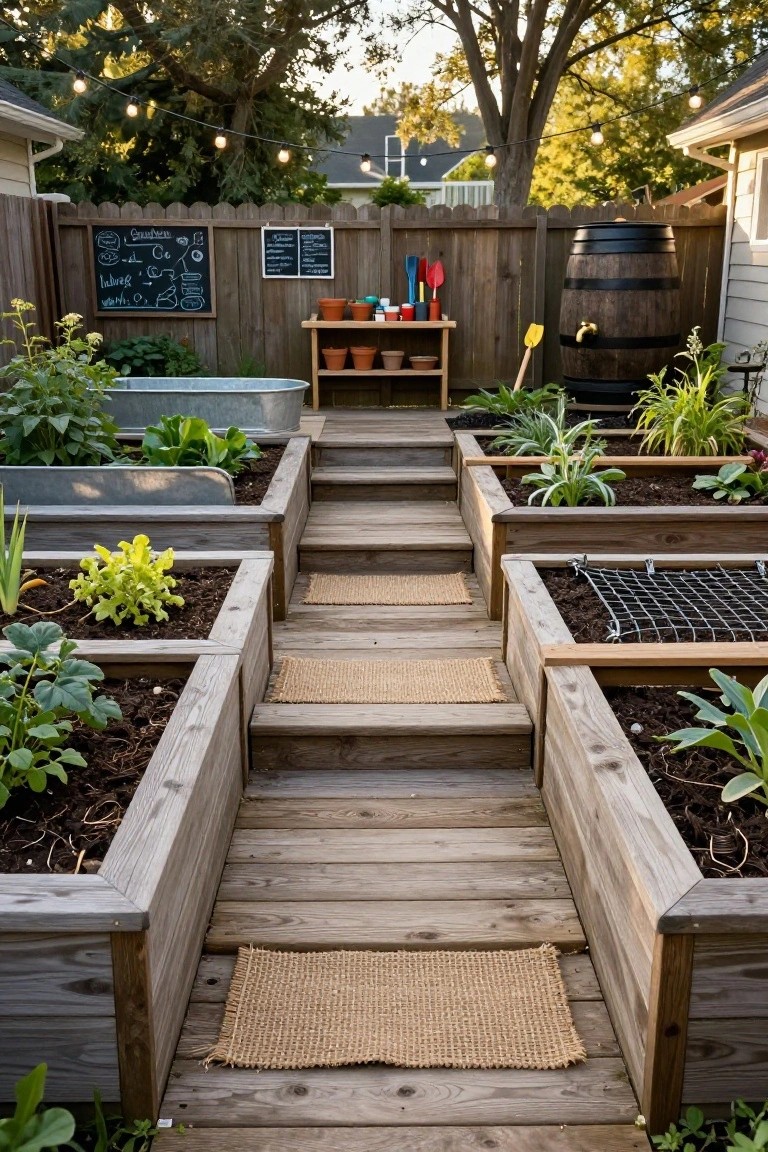
One smart way to organize a backyard garden is building raised beds in tiers around a set of simple wooden steps. This setup keeps everything off the ground for better drainage and easier weeding. The weathered wood gives it a natural backyard feel that blends right in with the fence and plants. Those steps make it simple to reach every bed without stepping into the soil.
You can use this in sloped yards or flat ones where you want defined paths. Go for untreated cedar or pine boards for the beds and stairs, they age nicely over time. Add gravel or mats on the walkways to keep mud down. It works great for veggies or herbs, just space the beds two feet apart for walking room.
Rustic Raised Beds from Weathered Wood
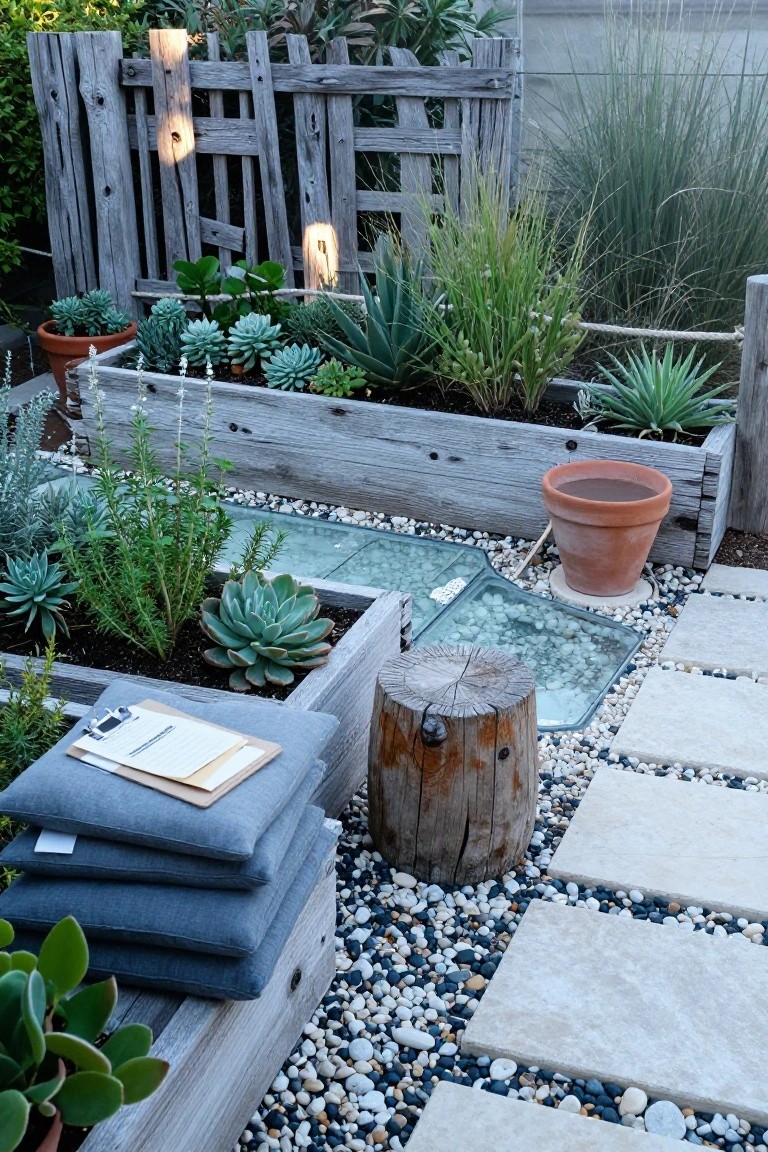
Raised garden beds made from old, weathered wood give your backyard a natural, put-together feel without much fuss. They hold plants like succulents and herbs neatly in place, and the rough texture fits right in with gravel paths or simple stone steps. Folks like this look because it feels sturdy yet casual, perfect for growing easy stuff in tight spaces.
Build these beds with reclaimed timber for that aged charm, lining them up along a fence or walkway to keep things organized. They work best in sunny spots for drought-tolerant plants, and just make sure the wood is untreated so it lasts. In a small yard, a few of these can turn chaos into rows of green.
Circular Raised Beds Around a Fountain
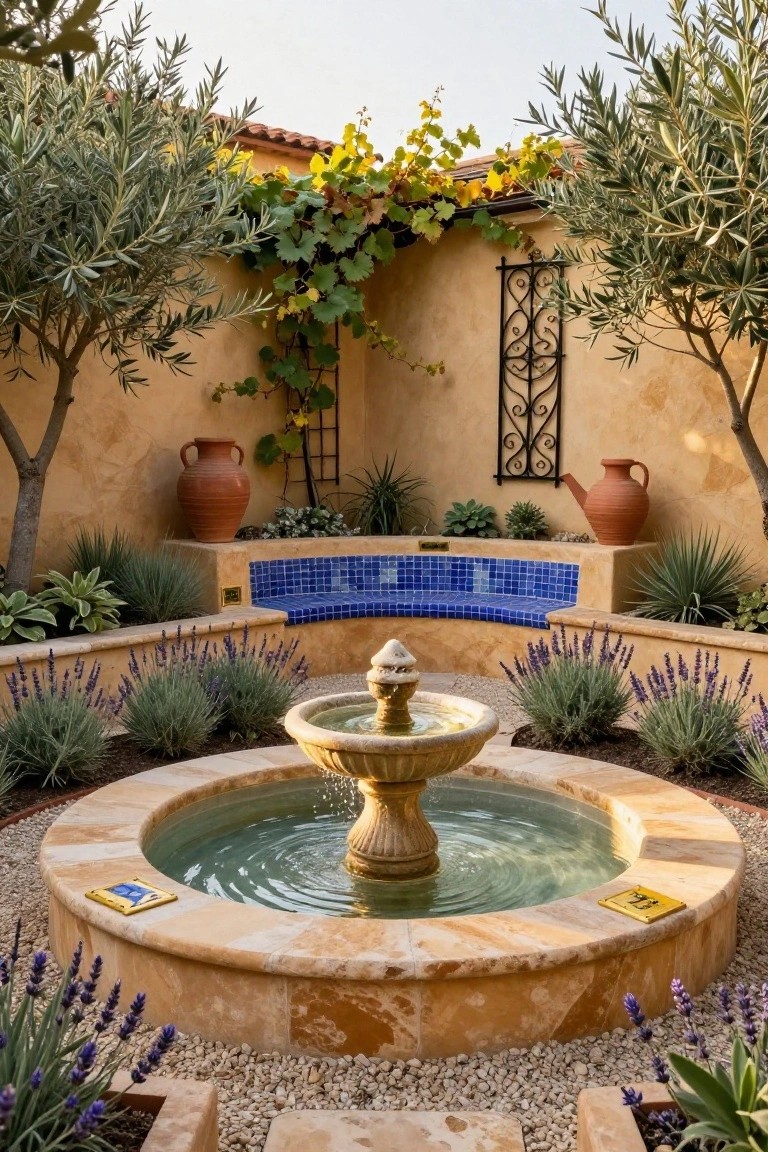
One smart way to organize raised bed planting is to curve the beds in a circle right around a fountain. It pulls the garden into a tidy focal point that feels intentional and easy to tend. Here the stone edging holds back lavender and agave, keeping soil in place while the water adds a bit of life without taking up extra room.
This works best in a walled courtyard or snug backyard spot. Match the stone to your house walls for a seamless look, and stick to tough plants that don’t need much water. Just size the fountain to fit, or it might crowd things out.
Raised Beds Line the Rooftop Terrace

Raised beds running along both sides of this narrow rooftop terrace make great use of every inch. They hold a mix of veggies like lettuce and herbs plus taller grasses that add height and a bit of screening from neighboring buildings. The center walkway stays clear for easy access, and the simple chairs and bench fit right in without crowding things.
This works best on slim balconies or rooftops where you want planting but still need room to move around. Go for sturdy metal or wood beds about two feet tall to keep soil in and bending down low to a minimum. Plant edibles close to the path for picking, save the back for ornamentals. Just check your deck can handle the weight, and make sure good drainage so roots don’t rot.
Stone Path Between Raised Beds
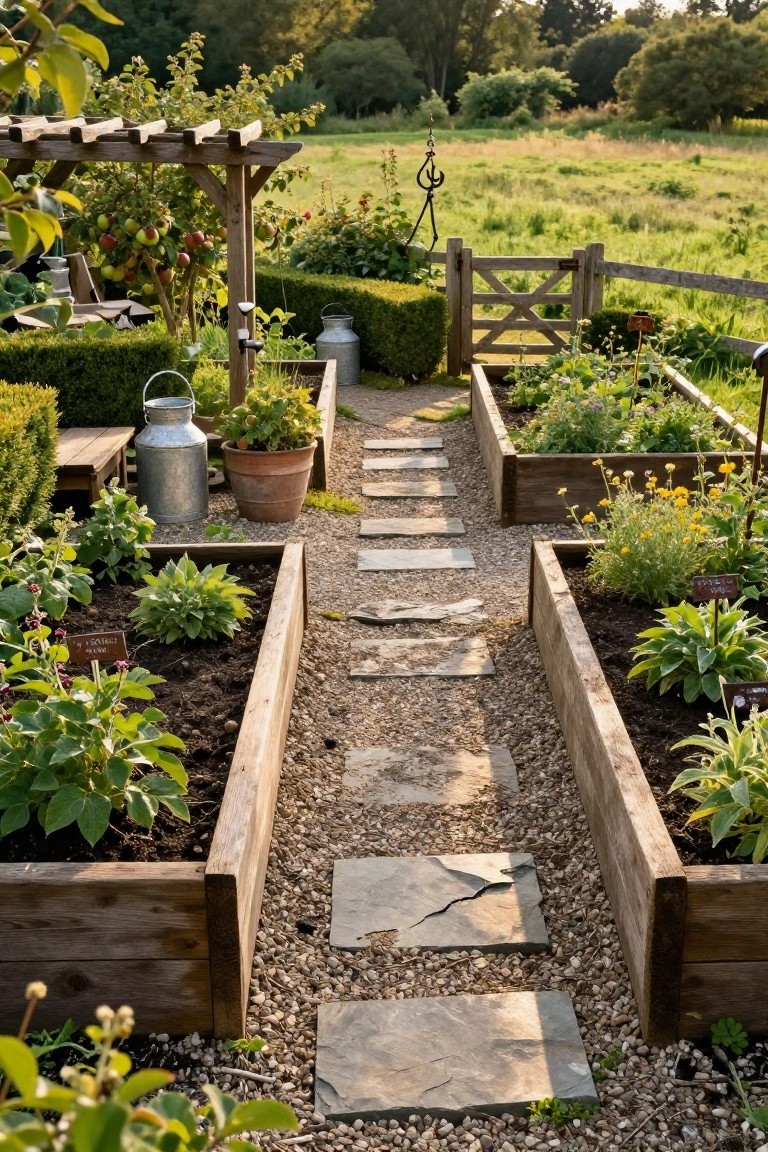
One straightforward way to organize a backyard garden is to line up raised beds along both sides of a central stone path. Like in this setup with weathered wooden beds full of greens and flowers, the path gives you clear access without stepping on plants. It keeps things tidy and makes tending the garden a lot simpler.
This works best in narrower spaces where you want to maximize planting room. Go for rough stone slabs set in gravel for that natural feel, and keep beds about knee-high for easy reaching. Skip treated wood if you can, to avoid chemicals near edibles… just seal it well against rot.
Raised Moss Beds for Backyard Calm
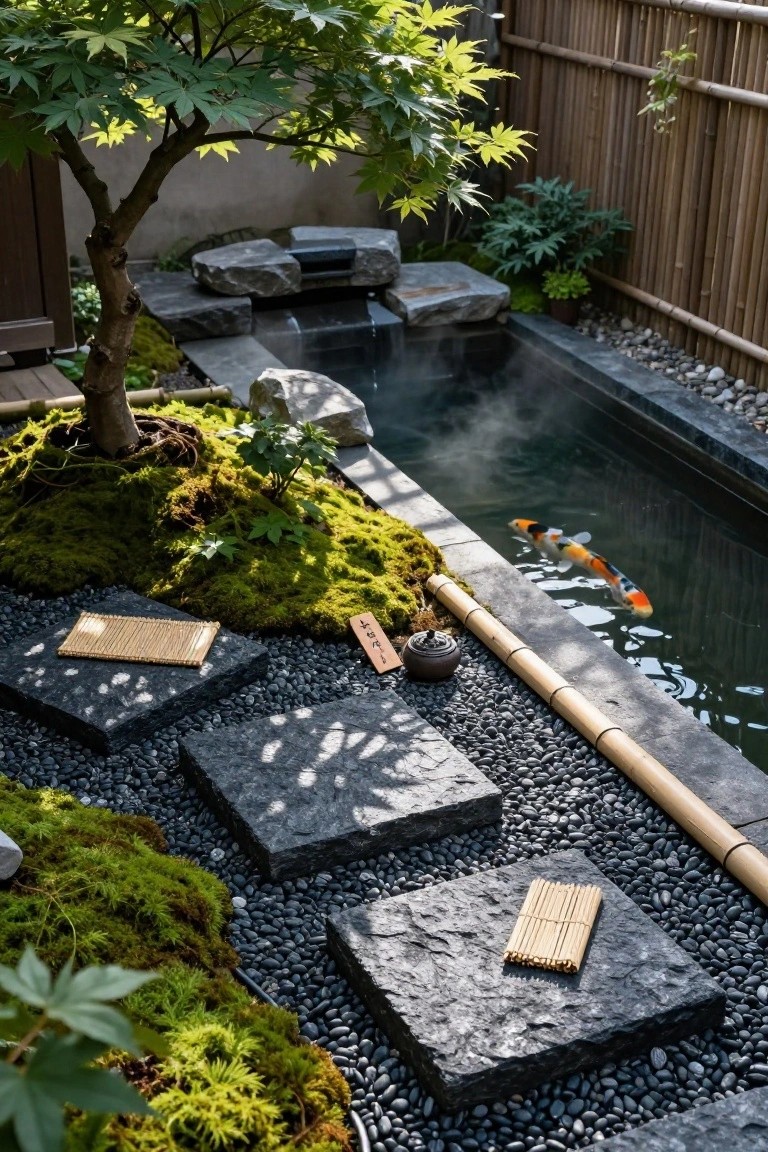
Raised beds packed with thick green moss make a backyard feel put-together without much fuss. Here, the moss sits in low mounds edged by dark stone slabs and gravel paths, framing a simple pond. That setup defines zones neatly and stays green year-round, even in shade.
These beds suit shady or small yards where grass struggles. Build them with stacked stones or wood frames, then layer in moss spores or plugs plus some soil. Keep paths clear with gravel. Skip if you want color bursts, though. Moss keeps it all soft and easy.
Elevated Raised Beds with Built-In Seating
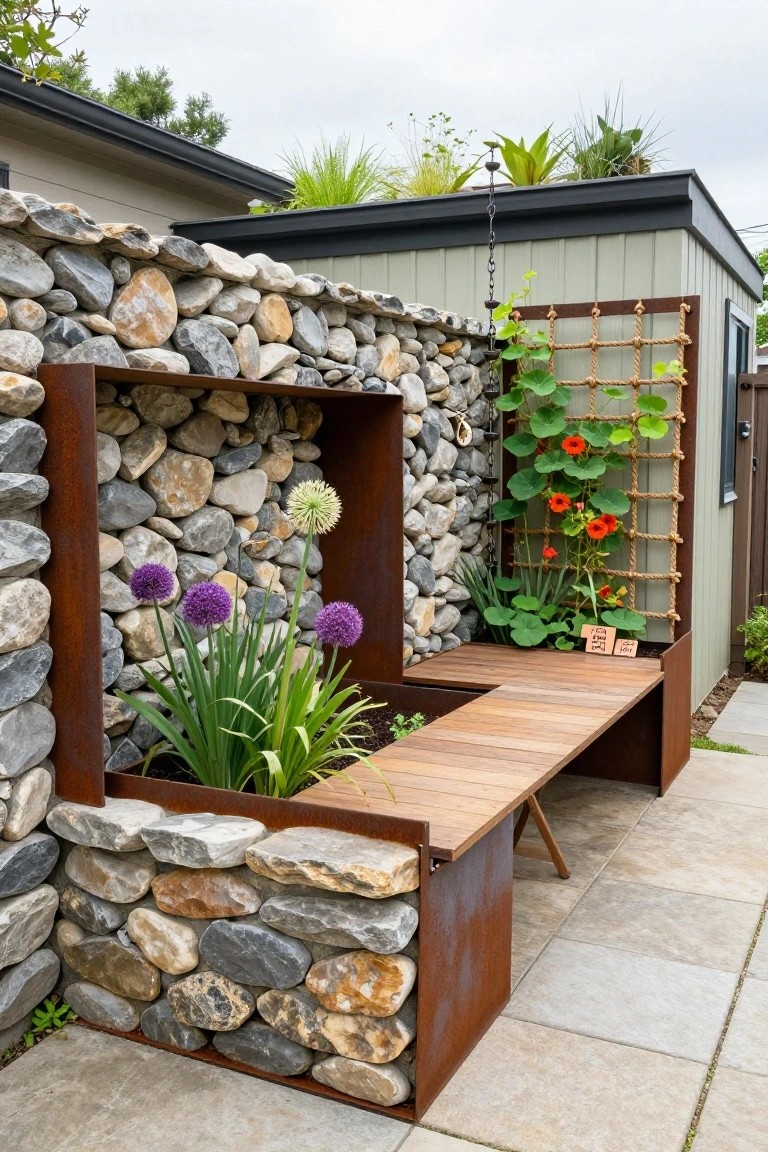
Raised beds get practical when you add a bench right into the design. These corten steel planters, tucked into a dry-stacked stone wall, hold plants like those big purple alliums and strappy greenery. The wooden bench on one side turns the whole thing into a spot to sit and tend the garden, or just relax.
This idea fits backyards that aren’t huge, especially if you want growing space plus a place to perch. Go for rusted metal frames that weather over time, and keep the stone local to blend in. It suits modern or natural yards… watch that the bench height feels right for everyday use.
Raised Beds Next to Fire Pit Seating
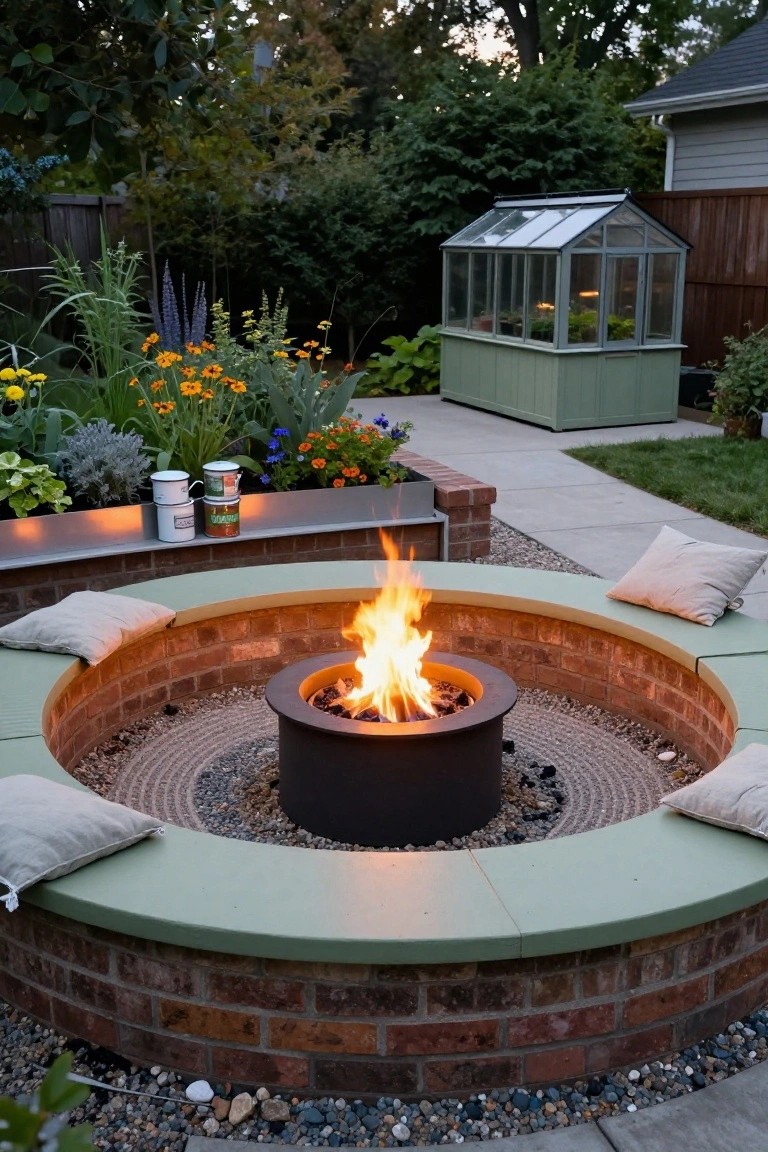
One nice way to organize a backyard is to tuck raised beds right up against your fire pit bench. Here the beds run along the brick curve, full of flowers and tall grasses that sit at eye level when you’re seated. It pulls the garden in close without crowding the space, and keeps everything looking neat instead of wild.
This works best in smaller yards where you want plants nearby but contained. Build the beds with simple brick or metal edging to match your patio, and pick heat-tolerant blooms since the fire’s warmth is right there. Skip anything too delicate close by the pit.
Linear Raised Beds Along Backyard Paths
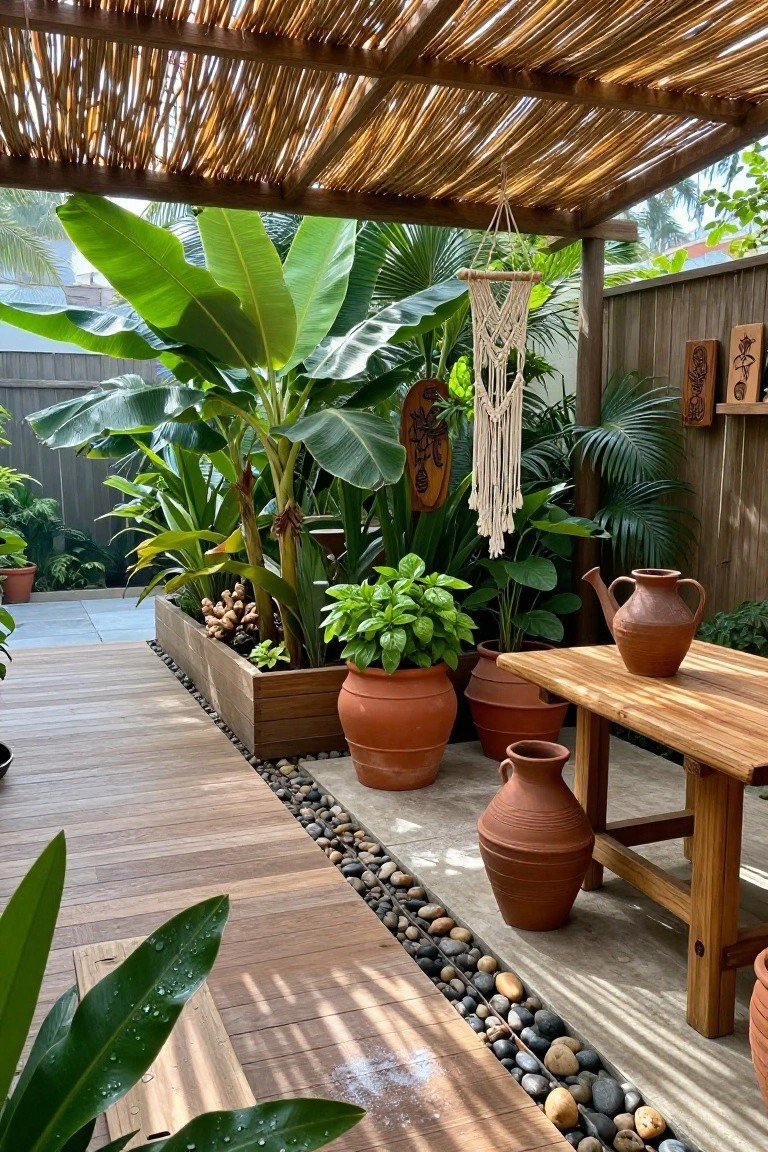
A straightforward way to organize edibles in a backyard is lining up a long wooden raised bed right next to your deck path. Here, ginger bulbs push up through the soil, with a simple pebble border keeping everything tidy. It fits right in with tropical plants and pots without crowding the walkway.
This works great in warmer spots where you want to grow root crops or herbs close to the house. Build it low enough to step over if needed, and pair it with stone edging for drainage. Suits sloped yards or narrow side areas, just watch for wood rot in wet climates.
Rose Archway as Garden Focal Point

A simple metal arch covered in climbing pink roses makes a natural gateway into the backyard garden. It pulls everything together by framing the brick path that leads right to the potting shed and greenhouse. The lavender planted along the edges keeps things tidy and adds that soft border feel without much fuss.
This works best in a side yard or along a fence line where you want to separate garden work from the lawn. Pair it with raised beds nearby for veggies like those cucumbers hanging on the trellis. It’s low upkeep once the roses take hold, and it suits cottage-style homes or any spot needing a bit more charm.
Organize Raised Beds With a Central Pathway
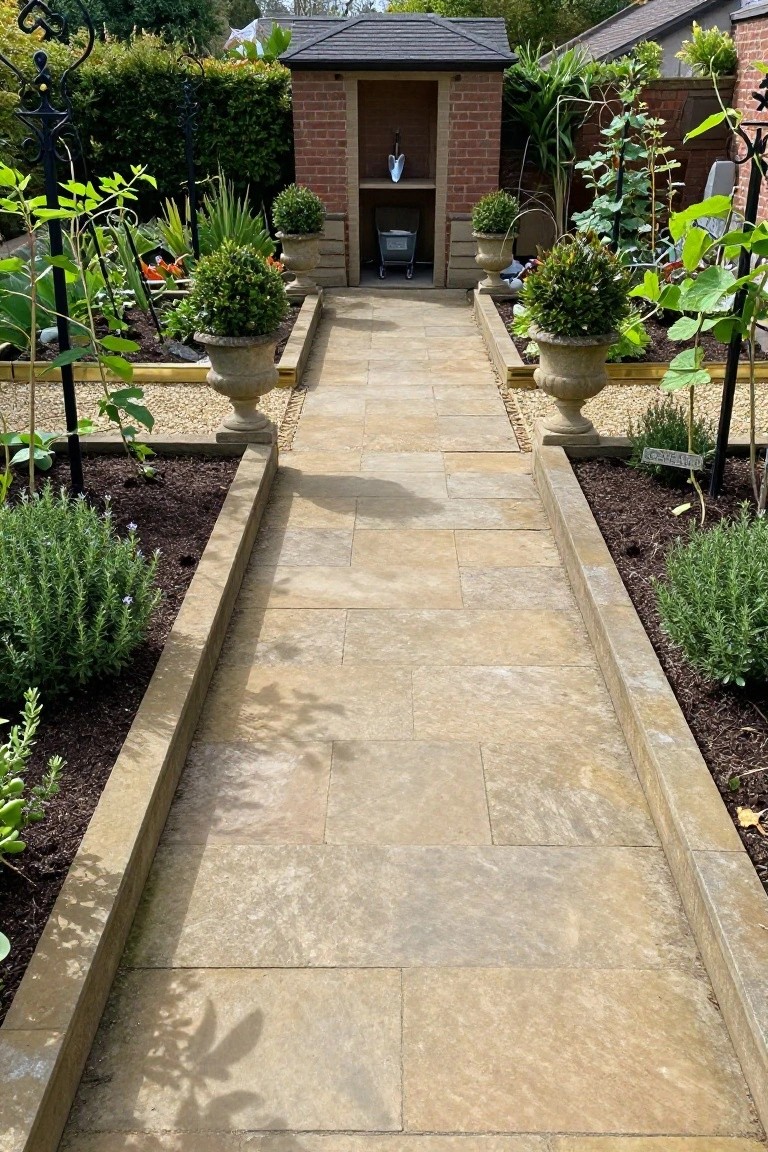
A straight central path between raised beds gives the garden a clear structure and makes daily work much simpler. You can reach every plant without stepping on soil, and the whole space stays looking neat instead of turning into a maze of random beds.
This layout works well in a medium to long backyard where you want easy access for watering and harvesting. Keep the beds a comfortable width so you can work from both sides of the path, and choose a durable material like stone or pavers that can handle foot traffic year after year.
Concrete Raised Beds For A Tidy Layout
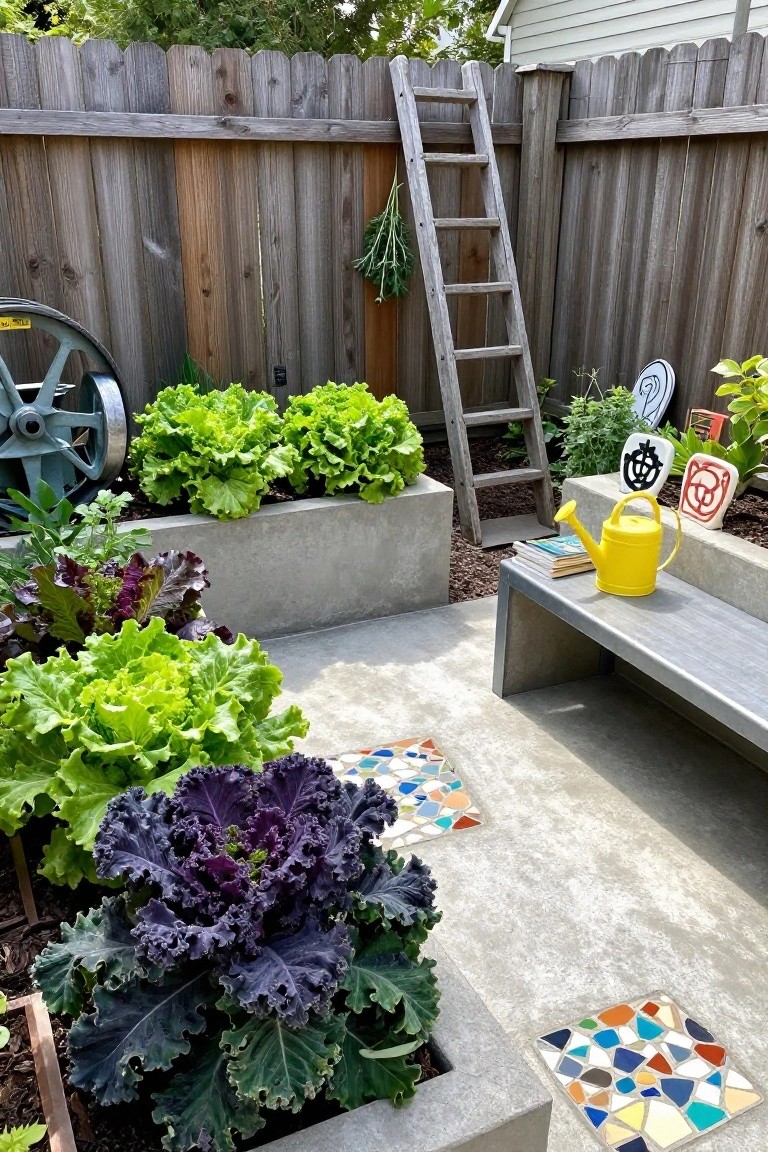
Concrete raised beds give a garden clear structure and keep the planting areas separate from the rest of the yard. They hold soil neatly in place and make it easier to group different crops without everything running together.
This setup works well in smaller backyards where space needs to stay organized. Place the beds near a simple bench or path so the garden feels like part of the usable space rather than a separate patch that requires constant upkeep.
Stone Edging Shapes Garden Beds Cleanly

Rock edging gives garden beds a firm outline that keeps soil from spilling and plants from spreading too far. It works especially well along water edges or curved areas where a softer border might wash out or get lost in the grass.
This setup suits backyards that already have natural stone or want a low-maintenance way to organize planting strips. Choose flat or irregular rocks that follow the ground line, and place them so the bed feels slightly raised without needing extra wood or metal frames.
Run Raised Beds Along Your Patio Edge

Many homeowners like keeping garden beds close to the main seating and cooking areas. A long raised bed made of wood sits right at the edge of the patio here, which makes watering and harvesting simple while you are already outside using the space.
This layout suits smaller backyards because it turns the border of the patio into useful growing room without eating into open floor space. Pick a wood that matches your outdoor furniture so the beds feel like part of the same setup rather than a separate garden project.
Mount Raised Beds on a Wall
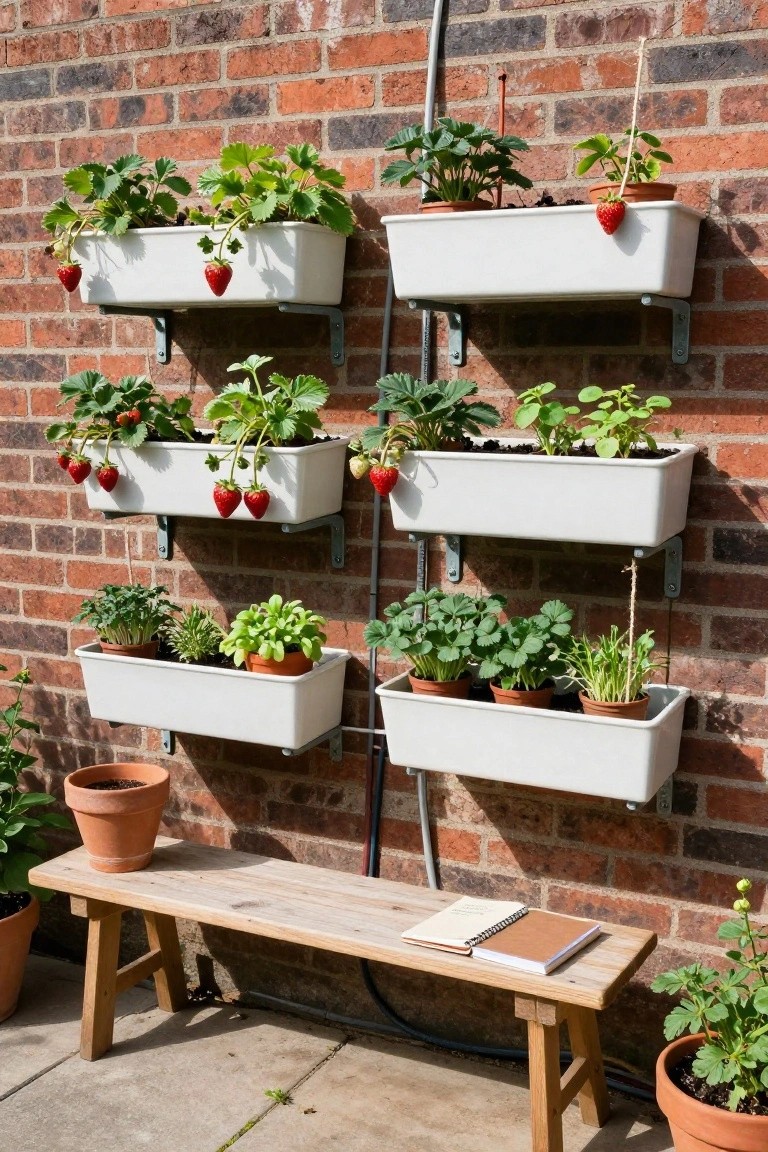
Mounting raised beds directly on a wall lets you grow plenty without crowding the ground. It keeps plants at a good height for picking and watering, and it turns an empty vertical surface into usable garden space.
This approach works best in small backyards or along solid walls that can hold the weight. Choose sturdy brackets, make sure the planters drain well, and stick to lighter crops like strawberries or herbs so nothing gets too heavy.
Stone Borders For Neat Raised Beds
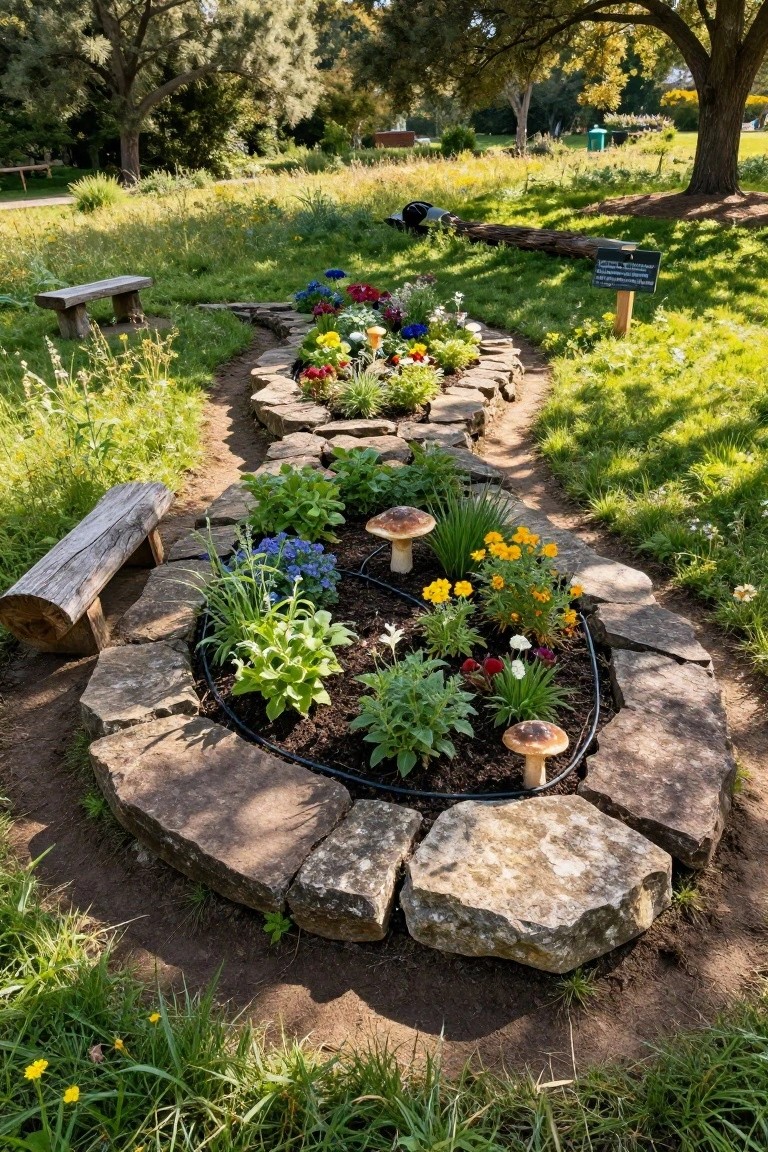
Stone edging around raised beds gives the garden a clean shape that keeps soil and plants from spilling over. It turns a simple planting area into something that feels more planned and easier to maintain over time.
This setup works best in open yards where you want the beds to stand out without adding wood that can decay. Try curving the stones gently so the beds follow the natural flow of the lawn rather than forcing straight lines.
Raised Beds With Integrated Lighting
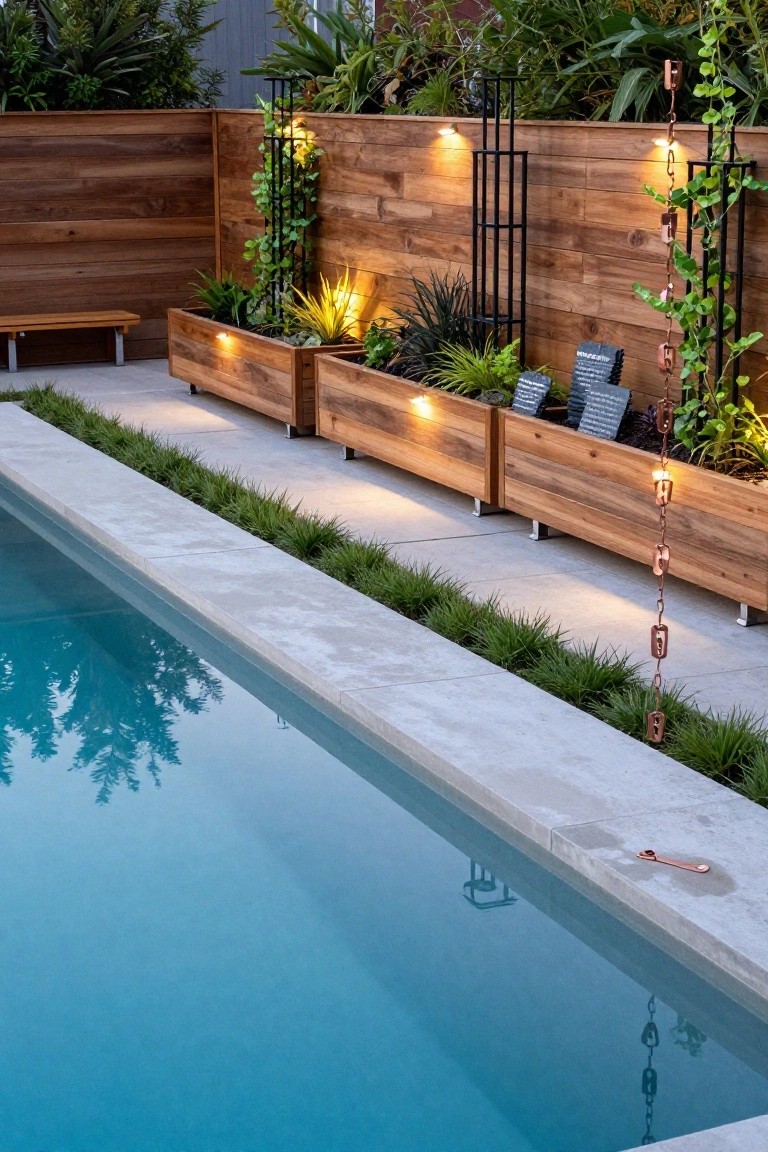
Raised beds built from wood give you a simple way to keep plants organized and lifted off the ground. Adding small lights inside the beds makes the garden usable after dark without adding extra poles or fixtures that clutter the space.
This works especially well along a pool or patio edge where you already have a clean paved surface. It keeps the planting area neat, protects the soil from foot traffic, and lets you grow herbs or flowers right where you spend time outdoors. Use weather-treated wood if the beds sit close to water.
Frequently Asked Questions
Q: How deep should the soil be in these elevated beds for vegetables?
A: Fill them at least twelve inches deep so roots have room to grow strong. Mix in compost each season to keep nutrients high. This helps your plants stay healthy without extra fuss.
Q: What happens if the wood starts to rot after a few years?
A: Pick cedar or redwood from the start since they hold up better outside. Check the bottoms once a year and swap out any soft spots early. You avoid bigger fixes later this way.
Q: Do I need to water these beds differently than regular gardens?
A: Water more often because raised soil dries faster in the sun. Aim for the base of plants in the morning to cut down on evaporation.
Q: Can kids or pets bump into these beds without causing damage?
A: Build them sturdy with thick posts so they stay put. Round the corners a bit if you have active little ones running around. That keeps everything safe and looking neat.
