


I remember staring at my first garden plot, excited but overwhelmed, until I realized a basic layout with edged beds kept everything from spilling into chaos as plants filled in. What catches most people’s eye right away in a new garden is that sense of structure, like neat pathways that lead you through without tripping over roots or a simple framework of borders that plants respect over time. Skip those foundations, and even easy growers turn the space into a weedy tangle before you know it. These tips build on what actually works in real yards. I’ve saved a couple to tweak for my next expansion, and they might fit yours too.
Start with a Simple Garden Path

A straight gravel path like this one cuts right through the garden beds and makes getting to your plants a breeze. No more muddy shoes or trampling veggies. It pulls the whole space together too, giving your first garden that put-together look without much fuss.
Just mark out your route, lay down some landscape fabric to stop weeds, then add gravel and edge it with bricks or stones. It suits small backyards best, especially if you’re growing herbs or flowers in raised beds nearby. Keeps maintenance low… one good rake now and then does it.
Place a Bench in Your Garden Border

A simple stone bench tucked into a lush border garden makes a natural spot to pause and enjoy your plants. It works well because it gives the garden some structure without much effort. The bench draws your eye along the path and lets those big leafy hostas and ferns do the rest. No need for fancy flowers. Just greens that fill in easy.
Put one near a shady path where you walk every day. It suits small backyards or side yards with tree cover. Pick a basic concrete or stone bench that won’t tip over. Plant hostas around the base for low upkeep. Watch for too much sun though. Those plants like shade. Keeps things stress-free.
Grow Herbs in Pots on a Balcony

A small balcony can turn into your first easy garden with just a few pots of herbs. Things like rosemary and trailing plants fill the space without much fuss, and they sit right around a simple table and chair setup. It keeps everything practical and close at hand for cooking or just enjoying the fresh air.
Pick terracotta pots for good drainage, especially on a balcony where rain can pool. Group them by the seating area so you brush past the plants when you sit down. This works best for apartments or tight spots… no big yard needed. Start with tough herbs that don’t mind some sun and wind.
Add a Bee Hotel for Easy Pollinator Support

One straightforward way to make your first garden more alive is adding a bee hotel. These simple wooden houses on a post give solitary bees a spot to nest. They draw in pollinators without much work from you. Surround it with tough flowers like black-eyed Susans and you get color plus buzzing activity all summer.
Put the hotel in a sunny border along a path or driveway. Mix in perennials and grasses that come back each year. It fits small yards or edges near the house. Just keep the area open around the post. No need for fancy plants. Beginners see results fast as bees move in.
Raised Beds for Easy Vegetable Gardening

Raised beds like this metal planter box make starting a garden way simpler for beginners. You fill them with good soil right where you want them, no digging up the yard needed. Here the box holds lettuce, leeks, and a few other greens, all thriving in a small gravel spot. It keeps plants contained and easy to reach, cutting down on weeds and back strain.
Put one in a sunny backyard corner or along a patio edge, especially if your ground is rocky or poor. Metal or wood works fine, about knee-high for comfort. Just add drainage holes at the bottom and mulch on top to hold moisture. Great for renters too, since it’s movable.
Colorful Fencing for Garden Beds

One easy way to make your first garden look put-together is with colorful picket fencing around the beds. Like the mix of greens, blues, and reds here framing those tall sunflowers, it holds back the soil and adds a bit of whimsy without much work. Beginners love it because it gives a clear boundary right away.
Just buy some cheap pre-cut fence sections from a garden store or make your own from scrap wood. Set them along raised beds for flowers or veggies, especially in a sunny spot. It suits small yards or family gardens best, and keeps kids from trampling plants. Watch the height though, nothing over a foot unless you want to block views.
Create a Simple Compost Station from Wooden Crates

One easy way to keep your first garden tidy is setting up a compost station right in the backyard corner. These wooden crates make perfect bins for sorting leaves, garden scraps, and mulch. You see three of them here, lined up against the fence with a shovel and pitchfork handy. It keeps everything organized without much effort, and it’s great for beginners who want to turn waste into soil without buying fancy setups.
Just grab some sturdy crates from pallets or a store, stack or line them up in a spot out of the way. Label them for greens, browns, and finished compost if you like. This works best in small yards near the garden beds. Watch for too much moisture though, or it might smell. Add a shelf above for seeds or tools, and you’re set for stress-free composting.
Create a Simple Stone Garden Path

A straightforward stone path like this one makes getting around your garden easy without much fuss. Flat stones laid right into the ground create a natural walkway, and edging it with tall grasses and a few boulders keeps everything in place. It’s low-maintenance too, since those grasses fill in on their own and don’t need constant trimming.
This works great for sloped yards or beginner gardens where you want paths that blend into the landscape. Start by marking your route, dig shallow for the stones, then tuck in drought-tolerant grasses like miscanthus along the sides. Add rocks for stability, and you’ll have a path that looks wild but stays practical year after year.
Gravel Beds for Succulent Planting

Gravel beds like this one keep your garden simple and low fuss. The white pebbles fill in around big agave plants and soft lavender clumps, holding moisture without constant watering or weeding. That metal edging gives it a clean shape too. It looks put together fast.
Set these up in sunny dry spots next to your house or along a path. Dig a shallow bed, line it with corten steel or similar for the border, dump in gravel for mulch, then pop in drought tough plants like agave for drama and lavender for scent. Beginners love it since there’s no mowing or trimming much. Just watch for too much rain pooling.
Set Up a Simple Garden Work Table

A plain wooden table pulled right into the garden makes tending plants so much easier. You see pots of tomatoes and lettuce sitting there, along with shears and a jar of peppers pickled in lime. It keeps everything handy for quick checks or snips, and turns a chore into something you actually enjoy doing outside.
Put one near your pots or raised beds, on a patio or patch of grass. Start small with just a few herbs or veggies. It’s great for apartments with balconies too. Watch for weather though, cover it if rain’s coming.
Raised Planters for Easy Herb Growing
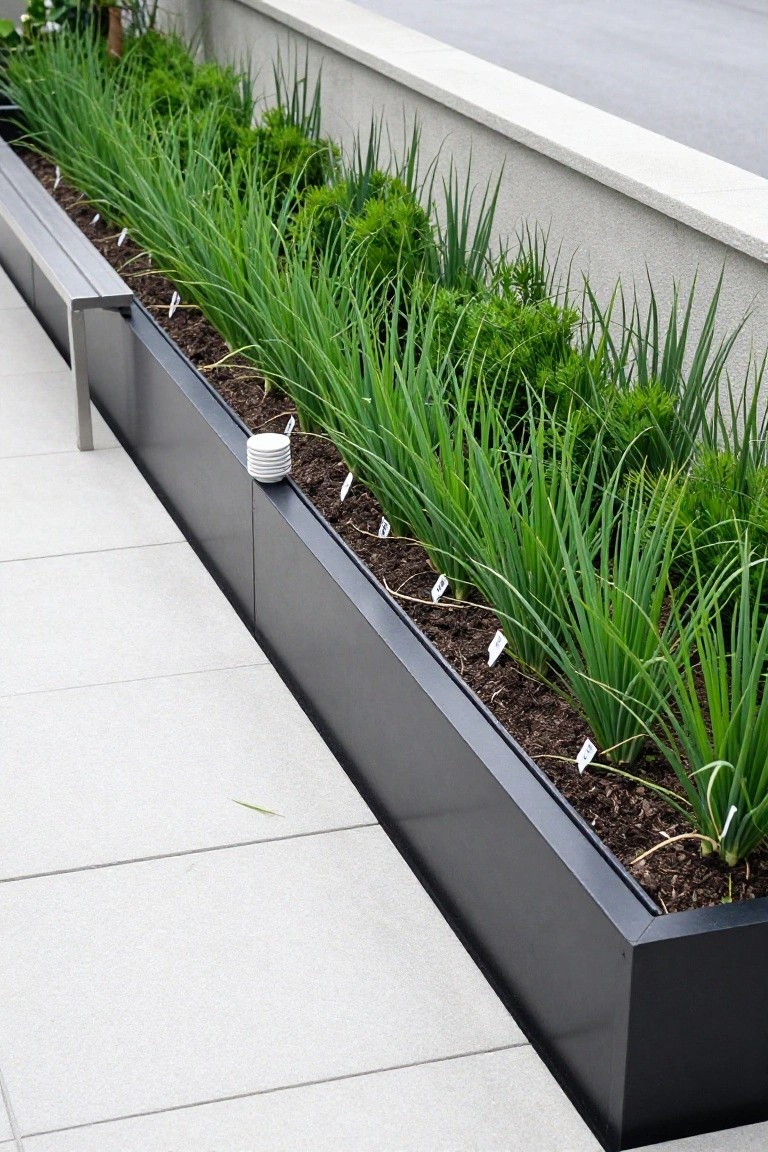
One straightforward way to get into gardening is with a long raised planter like this one. It keeps everything right at waist height so you don’t have to bend over much. Plus herbs like chives, parsley, and onions grow well in a tidy row. They stay organized with simple labels stuck in the soil. It’s perfect for fresh picking whenever you need them.
Set one up along a patio edge or balcony rail where it gets some sun. Use a metal or wood trough filled with good potting soil that drains fast. Plant easy growers spaced a bit apart. This works great in small spots or urban yards. Just water regularly and trim back when they get bushy to keep things neat.
Line Your Walkway with Pots

A straight row of pots like this turns a plain path into a real garden without much fuss. Black pots hold up well outdoors and let plants like marigolds, beans, and strawberries stand out. The bamboo stakes keep things tidy, and labels help you track what is growing where. It’s practical for small spots.
This setup works best along fences or sidewalks where you walk by daily. Group them close for easy watering and picking. Add a cheap moisture meter to check soil. Start with sun-loving plants, and shift pots if one area gets too shady. Suits renters or anyone short on yard space.
Start Seeds in a Mini Greenhouse

A small greenhouse like this makes seed starting straightforward for beginners. The tiered shelves hold trays of soil and seeds in one spot. Sunlight filters through the glass panels. Everything stays warm and protected. No need for fancy equipment. It beats scattering pots around the yard.
Put yours near a window or in a sunny corner outside. Fill trays with seed mix and plant according to packets. Keep soil damp with a spray bottle. Thin seedlings as they grow. This works in any small space. Even a balcony. Watch for too much moisture though. Good airflow helps.
Vertical Herb Gardening on Fences
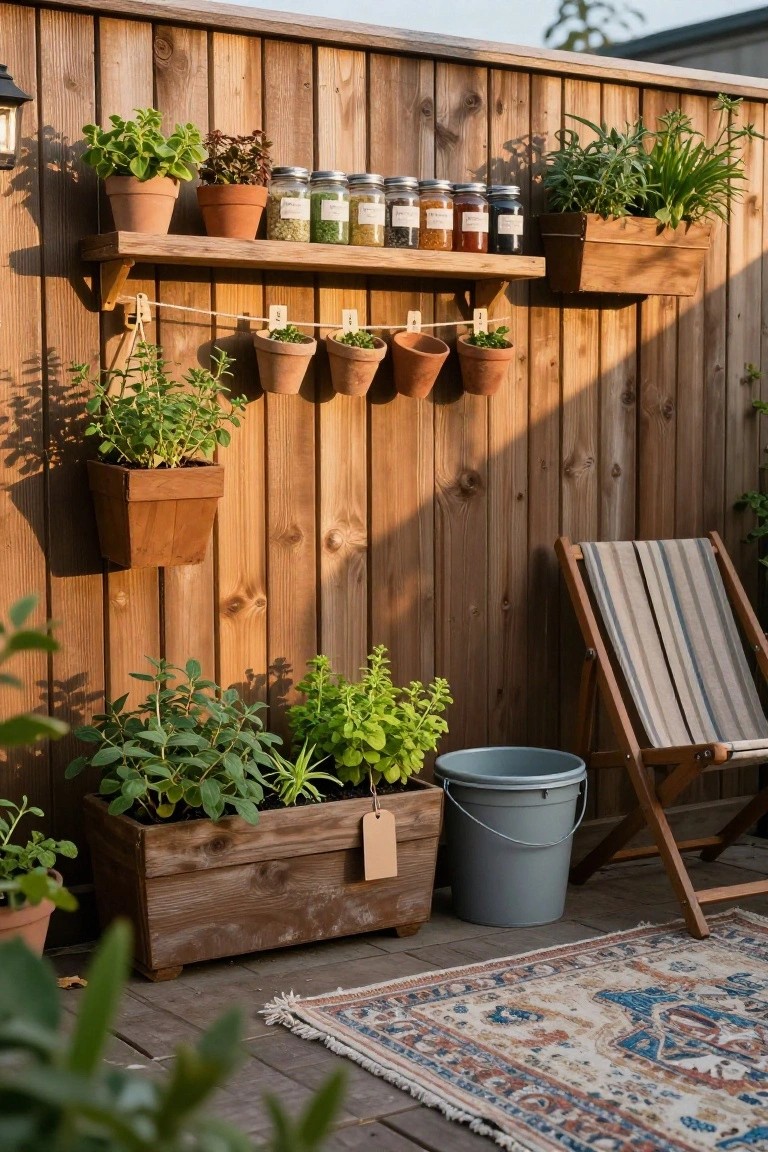
One simple way to start a garden without taking up much ground space is to use your fence or backyard wall for herbs. In this setup, shelves hold jars of dried spices and potted plants like basil and mint, while hanging pots add more green without crowding the patio. It keeps everything handy for cooking and looks neat against the wood.
This works best on a sunny deck or balcony where you have a plain fence. Screw in a few brackets for shelves, grab cheap terracotta pots or recycled jars, and plant easy growers like oregano or thyme. Just make sure good drainage so roots don’t rot, and water from a bucket nearby to stay organized.
Simple Brick Edging for Garden Beds

One easy way to keep your garden looking neat is brick edging along paths or beds. It holds back the soil and mulch without much fuss. Here you see it with colorful geraniums in pinks, reds, and whites filling the beds. That edging gives a clean line that makes even a basic planting feel put together. Beginners like it because bricks are cheap and stack right into place.
Put these edges where you walk a lot, like next to a side path to the garage or shed. Use half-bricks if you want a lower look, and plant low growers like geraniums so they don’t flop over. Just make sure the ground slopes a bit for water to drain. It works in small yards and keeps weeds out too.
Simple Raised Bed Entry Gardens

A raised bed like this one hugging the house wall makes starting a garden straightforward. You get that small tree for height, then layers of green shrubs and white or pink flowers spilling over the edge. Gravel fills in the rest, keeping weeds down and giving a clean look. It’s low fuss but brings color right to your door.
For beginners, grab some concrete blocks or lumber to build a bed about a foot high. Fill it with easy growers like geraniums or salvia that don’t need much water. Tuck in pots nearby for extras you can move around. This setup fits tight spots by entries or patios, especially in sunny yards. Just watch drainage so roots stay happy.
Curved Gravel Paths Guide Garden Walks

Gravel paths like this one curve gently through tall iris plantings and mulch beds. They make a garden feel bigger and more inviting without much work. The soft gravel underfoot and the way the path winds around plants pulls you along naturally. A simple wooden bridge over the trickling water adds just enough interest to keep things calm and pretty.
These paths work great in small backyards or along a side yard where you want to show off flowers without mowing everything. Use inexpensive pea gravel over landscape fabric to keep weeds down, then edge with tough plants like iris that don’t need fussing. Keep curves wide enough for wheelbarrows if you garden a lot. Avoid straight lines, they feel too stiff.
Grow Greens on Your Windowsill

A sunny windowsill turns into an easy spot for fresh greens when you use a simple white planter box like this one. Young lettuce plants push up through the soil, getting just enough light from the window. It’s a low-key way to start gardening indoors, no big yard needed, and you pick leaves as they grow.
Find a window with morning sun, fill a long shallow container with potting mix, and sow seeds or seedlings close together. Add a glass cloche over tender herbs to keep them humid. This fits apartments or kitchens best. Keep soil moist but not soggy, and thin plants so they don’t crowd.
Raised Beds Next to Patio Seating
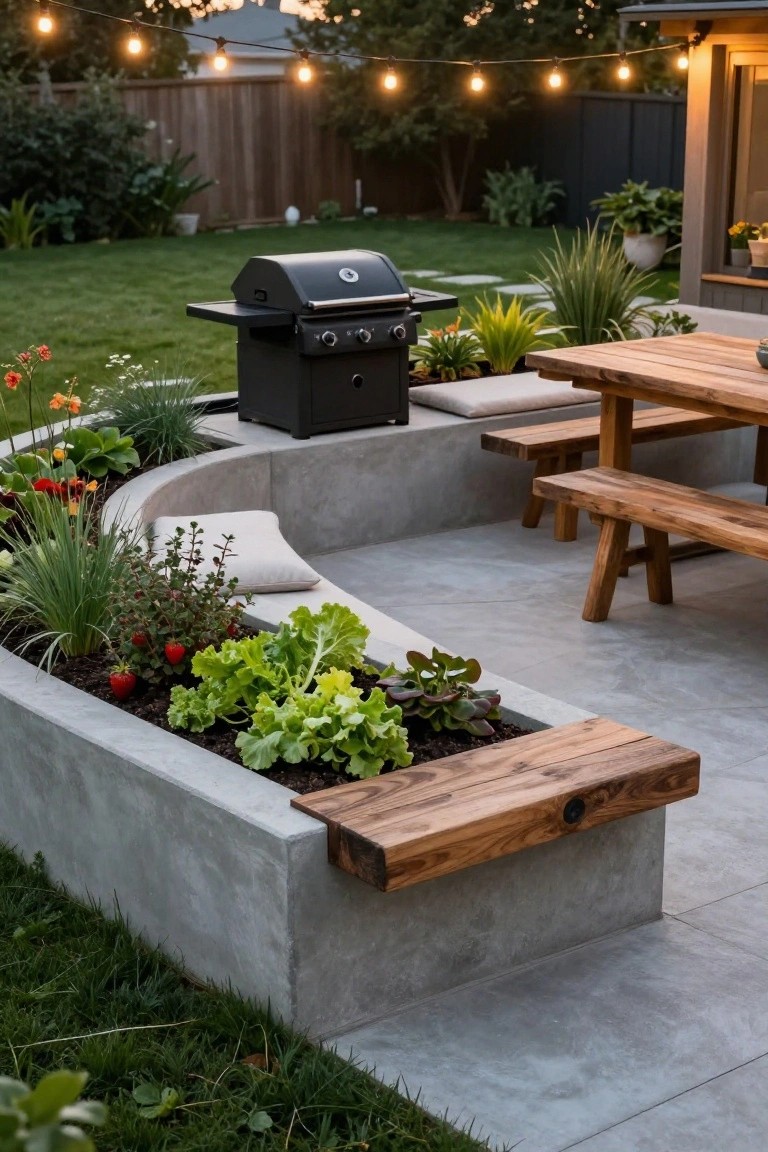
One easy way to start gardening without much fuss is to tuck raised beds right along your patio edge. Like these curved concrete ones filled with lettuce, strawberries, and a few herbs. They sit close to the table and grill so you harvest fresh stuff on the way to dinner. Keeps things practical and cuts down on weeding trips across the yard.
Build them low, maybe two feet high, using affordable concrete blocks or wood. Suits small backyards best, where space is tight. Plant beginner picks that grow fast, watch watering since they’re near hardscape. Add cushions on top for bonus seats… simple as that.
Stake Young Fruit Trees Straight

Young fruit trees like this loquat need good support when they’re first planted. You see the metal stake tied right to the trunk here, keeping it upright against the wall. And that wooden ladder propped up makes pruning or picking easy without stretching too far. It’s a simple setup that helps the tree grow strong without flopping over in wind or leaning wrong.
Plant them in a narrow border bed like this, with mulch around the base to hold water. Works great for small yards or along fences where space is tight. Stake loosely at first so the trunk thickens up, then remove it after a year or so. Beginners love it because you get fruit sooner, and the herbs nearby help keep bugs away naturally.
Climbing Plants for Privacy

Growing climbing plants up a simple pergola or fence gives your backyard some natural privacy without much work. In this setup, vines loaded with red runner beans and cucumbers cover a wooden post and beams right next to a bamboo screen. It hides the neighbor’s side while filling the air with green leaves.
Start with easy annual climbers like beans or squash. Plant them at the base in good soil, add ties if needed, and let them grab hold. This works best in sunny spots on patios or small yards. They grow fast in one season… just water regularly and pick what you can.
Frequently Asked Questions
Q: I water my plants every day but they still look droopy. What’s going on?
A: You water too much. Roots rot in soggy soil, so let the top inch dry out between drinks. Stick your finger in to check, then soak deeply once or twice a week.
Q: Can I just use dirt from my yard instead of buying soil?
A: Yard dirt usually compacts and starves your plants. Mix it half-and-half with bagged potting soil for good drainage and food. Your garden will thank you with strong growth.
Q: How do I figure out if my spot gets enough sun?
A: Track the light over a full day. Count hours of direct sun; aim for six or more for veggies and flowers. Move pots around if needed till plants perk up.
Q: Bugs showed up on my leaves overnight. Do I need bug spray?
A: And skip the spray at first. Hose them off hard in the morning to drown and dislodge. Repeat daily while hand-picking the big ones.
