


I remember staring at my first empty backyard and realizing I had no clue how the light and soil would shape what could actually grow there.
Paying attention to those basics early on saved me from wasting time on plants that never took hold in the wrong spots.
Small steps work better.
I found that grouping a few reliable choices together made the space feel more complete as the season moved along instead of looking patchy.
Over the first year those simple decisions showed me how a garden settles into something usable when the layout starts with what the yard already offers.
Raised Garden Beds for Easy Veggies

Raised garden beds like these wooden ones are a smart pick for first-time gardeners. They keep soil loose and right at hand height so you skip a lot of bending. Plus you control the dirt quality without messing with tough ground. Here lettuce and beets grow neat in rows with labels to track what is what.
Set them on a patio or lawn edge where sun hits most of the day. Use untreated cedar or pine boards for the frames they last a few seasons. Add a simple bamboo trellis for climbers like beans. Good for small yards… just watch drainage so roots stay happy.
Space-Saving Plant Shelves for Balcony Gardens

If you have a small balcony but want to grow your own herbs and veggies, a simple wooden shelving unit like this one makes it easy. It stacks pots vertically so you get a lot of green in a tight spot. Here you see tomatoes, basil, and lettuces thriving in everyday terracotta and ceramic pots. No yard needed. Just fresh picks right outside your door.
Set one up against a sunny wall where it gets at least six hours of light a day. Start with easy growers like basil, mint, or cherry tomatoes… they bounce back if you forget to water once in a while. Mix in some hanging pockets for trailing plants to fill out the look. It suits apartments or townhomes perfectly. Watch the weight though, balconies have limits.
Garden Paths Lined with Succulents

One easy way to add structure to your yard is lining a walkway with succulents. These plants hug the path edges nicely, like in this setup with Echeveria and Aloe along stone pavers. They give a clean, finished look without much fuss. Plus, they’re tough in sun and dry soil, so beginners won’t stress over watering.
Plant them right in the ground or small pots along the border, spacing them so they fill in over time. This works great in sunny backyards or side yards where grass struggles. Keep the gravel mulch around them to cut weeds… just pull any that pop up now and then.
Build a Simple Garden Bench Nook

One easy way to make your garden more usable is to tuck a plain wooden bench right into a flower bed. Here, lavender bushes and black-eyed Susans frame the seat nicely, with rocks and bricks keeping things neat around the edges. It pulls you in for a quick sit without taking up extra space. Bees love the flowers too, so you get some pollinators working for free.
Pick a sunny corner near your fence or patio. Plant tough perennials that come back each year, like lavender, and add a path with whatever stones or bricks you have on hand. A old cushion makes it comfy. This works great in small yards where you want rest without big projects. Just keep the bed weeded once in a while.
Raised Beds for Beginner Veggies

Raised beds like this one make vegetable gardening straightforward for newcomers. You see neat rows of young brassicas such as kale, broccoli, and cabbage planted close together in soil topped with pine mulch. That mulch holds in moisture and blocks weeds, while the simple plastic sheeting cover shields plants from chilly nights or bugs. It’s a tidy setup that gives you control over the dirt without tilling the whole yard.
To try it, frame a bed with scrap wood or boards about four feet wide for easy reaching. Space seeds or starts in rows about a foot apart, then add two inches of mulch right after planting. This works great in small backyards next to a fence, and pair it with a rain barrel to save water. Just keep an eye on drainage so roots don’t drown.
Grow Microgreens on Your Windowsill

A windowsill makes the perfect spot for beginners to try microgreens. You see young sprouts coming up strong in a simple divided tray, with seed jars lined up right above on a little shelf. It’s low fuss, uses next to no space, and gets you fresh greens quicker than waiting on outdoor plants.
Pick up a shallow metal tray or pan, section it off with cardboard if you like, fill with soil, and sow easy seeds like mung beans or fenugreek. Set it by south-facing glass for light, or add a slim grow strip overhead like the one here. This fits any kitchen… even apartments. Water lightly to keep soil damp, and snip your harvest in 7 to 14 days.
Train Fruit Trees Flat Against a Fence

Espalier is an old gardening trick where you train fruit trees to grow flat against a fence or wall. It saves space and lets you grow apples or pears even in a small yard. These young trees here are tied to wires and stakes, starting out simple. You get fruit sooner than with big trees, and it looks neat too.
Set it up in a sunny spot along a fence with room to spread wires horizontally. Use dwarf varieties for beginners, mulch the base like they did with wood chips, and gravel around for easy cleanup. Keep pruning light each spring. Works best in mild climates, but watch for strong winds snapping young branches.
Raised Beds for Easy Strawberry Growing

Raised beds like this one keep strawberry plants right at picking height. They’re simple to build and perfect for beginners who want fresh berries without bending over much. Here, different varieties grow side by side in neat rows, labeled so you know what’s what. Baskets on little stools catch the harvest easy, and it all fits in a small spot next to the patio.
You can make one with concrete blocks or wood, about waist high for comfort. Fill with good soil, plant a mix of early and late berries for steady picking all summer. It works best in sunny yards with decent drainage… tuck in some herbs or flowers around the edges to fill out the look. Watch for slugs though, especially after rain.
Build a Simple Shade Border

A shade border like this one uses hostas and ferns to fill in along a stone wall. These plants thrive where sun doesn’t reach. They give a full, green look fast. And they’re tough for new gardeners. Low fuss, mostly just keep the soil damp.
Plant hostas in front for their big leaves. Tuck ferns behind. Edge with mossy stones or bricks. Add a pot or old sundial if you find one. It suits narrow spots by paths or house walls. North sides work best. Watch for slugs though.
Plant a Simple Cutting Garden Bed

New gardeners often want something quick and rewarding. This setup shows rows of sunflowers mixed with zinnias and other easy annuals. The tall sunflowers go in back, with shorter blooms up front. Straw mulch keeps soil clean and weeds down. You end up with buckets of fresh flowers all season.
Pick a sunny spot along a fence or yard edge. Dig shallow beds or just loosen soil. Space plants in straight rows for that tidy look. Water regularly at first, then let them grow. It fits small yards fine. Just pull any weeds that sneak through the mulch.
Create a Simple Potting Bench

A potting bench like this one gives beginners a dedicated spot right outside the door to start plants without mess inside. It’s just a sturdy wooden table under a pergola, with room for pots of tomatoes, peppers, and herbs. The hanging planters and nearby shelf keep tools handy, making it practical from day one.
Put it on a patio or near the house entrance where you get some shade. Use basic terracotta pots and group easy growers like basil or cherry tomatoes. Small spaces work best… no big yard needed. Watch for drainage so water doesn’t pool under the bench.
Terraced Rock Steps for Slopes

Sloped yards often feel like a challenge for new gardeners. But stacking large boulders into a terraced wall with simple steps makes the space usable right away. It holds back soil naturally and gives spots for plants without much digging.
Just arrange boulders where the drop is steepest then fit in wide concrete or flagstone steps between them. Add pots of tough bloomers like heather along the edges for color. This setup fits small lots or hillsides and stays low maintenance once settled. Watch the drainage though… too much water pooling can shift things.
Meadow Planting Along the Sidewalk

One easy way to add some life to that skinny strip between your walkway and the street is a simple meadow planting. You see tall grasses swaying with colorful wildflowers popping up here and there, like yellow daisies and pink blooms. It softens the hard concrete edge without much work, and it draws in bees and butterflies too.
Just scatter native grass and wildflower seeds in spring, then let them fill in over time. This works great for beginners in townhomes or narrow lots where mowing is a chore. Keep it to locals to avoid weeds taking over, and maybe add a little sign like the one on that stone block to share what you’re growing.
Potted Citrus Trees for Patios

Potted citrus trees like lemons and oranges bring real garden payoff without much space or skill. These dwarf varieties fit right on a patio or deck, giving you fresh fruit and glossy green leaves that look good year-round. No need for a big yard. Just good drainage and sun, and they reward you with something useful from your doorstep.
Set them in clay pots on stands or simple crates to keep them off the ground and easy to move. They’re perfect for apartments or small homes with a balcony or terrace. Prune lightly with shears as shown, water when dry, and watch for pests. Start small. One or two trees. They’ll make you feel like a real gardener fast.
Easy Stepping Stone Path in Sand

A simple path made from round concrete stones set right into a bed of sand gives this garden spot a calm, Japanese zen garden feel. It’s low fuss because sand stays tidy with just a rake now and then, and the stones guide your steps without much weeding around them. A few tough plants like grasses and agave edge it all, keeping things neat for beginners.
This works best in a sunny corner of a backyard or side yard where space is tight. Start with a shallow dug-out area, fill with play sand or pea gravel, level the stones so they’re flush, then plant low growers nearby. Skip it if your yard floods, since wet sand turns to mud.
Line Your Garden Path with Berry Bushes
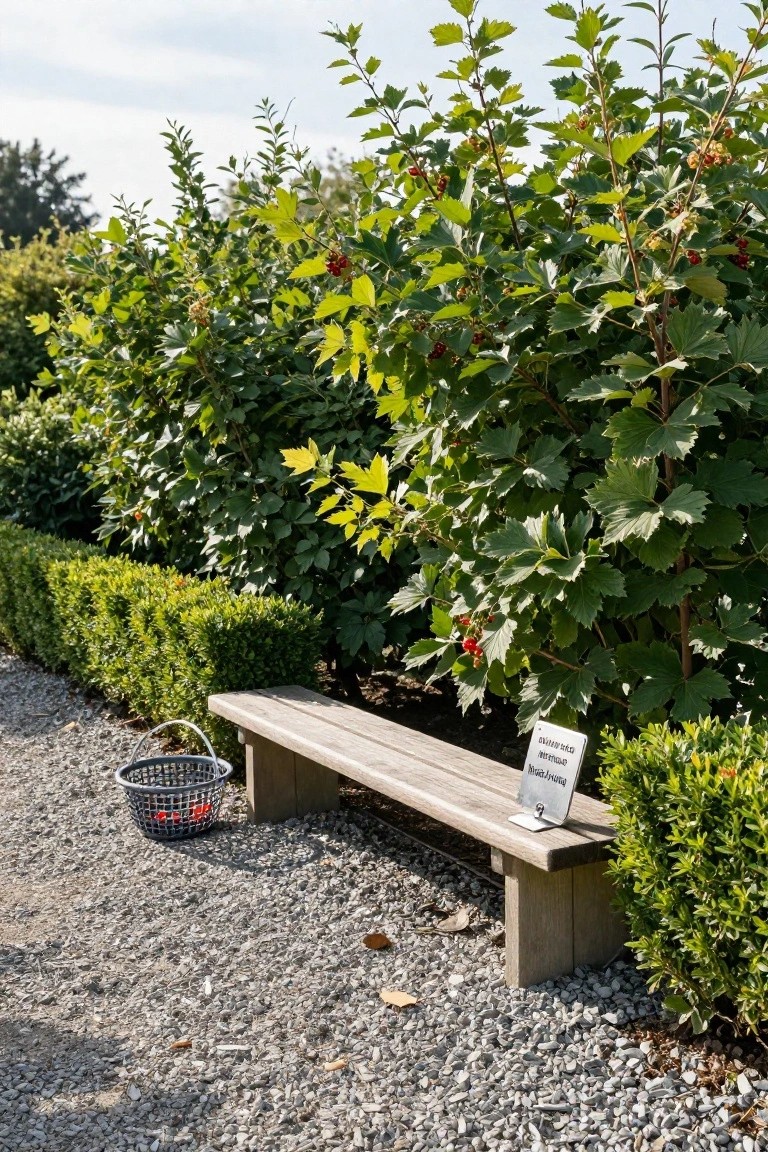
A simple gravel path like this one gets a lot more interesting when you plant berry bushes right along the edges. The viburnum shrubs here put out clusters of red berries in late summer that you can pick fresh. They mix well with low boxwood hedges for clean lines, and the whole setup stays pretty low fuss once established. It’s a good way to add something useful without much work.
Put this in a side yard or along a walkway where you pass by often. Go for tough varieties like viburnum that handle some shade and don’t need perfect soil. Throw in a plain wooden bench nearby so you can sit and enjoy the view… or just rest while picking. Keep the path edged neat to make it feel put together.
Simple Zen Gravel Garden

A zen gravel garden like this one uses raked white gravel for those smooth circular patterns around a bamboo fountain. It keeps things calm and tidy with just a few stepping stones to walk on and minimal plants like a bonsai tree nearby. Beginners love it because there’s no mowing or weeding much. Just rake the gravel now and then to refresh the look.
Set it up in a small corner of your yard or even on a balcony if space is tight. Grab pea gravel or fine stones, edge it with something simple like black trays or borders, and add the fountain for water sound. Skip fancy plants at first… focus on the gravel paths. It fits any sunny spot and stays low effort year round.
Frequently Asked Questions
Q: Do I need a huge yard to try any of these ideas?
A: No, many of the suggestions work great in containers on a balcony or even a windowsill. Pick one or two plants to begin with and go from there. You will figure out your space as you go.
Q: What if my first plants look droopy after a week?
A: Check the soil with your finger before adding more water. Most beginners overwater at the start. Move the pot to a spot with less direct sun if the leaves stay limp.
Q: Can I skip the fancy soil mix and use dirt from the yard?
A: Grab some from a shady spot and mix in kitchen scraps like coffee grounds. It gives plants a boost without extra cost. But test a small area first to see how things grow.
