

Ever wondered when the best time to plant carrots is? Picture this: you’re eager to start your vegetable garden, but unsure about the ideal planting window for those crunchy, orange delights. Don’t worry, you’re not alone in this veggie-growing dilemma!
In this article, you’ll uncover the secrets to successful carrot planting. From understanding the optimal conditions for sowing seeds to nurturing those vibrant roots, you’ll gain valuable insights that will take your gardening game to the next level. Get ready to enjoy a bountiful harvest of homegrown carrots that will elevate your culinary creations and bring a sense of satisfaction to your green thumb efforts.
Understanding Carrot Planting Seasons
Understanding Carrot Planting Seasons
When planning your carrot planting, it’s essential to understand the different seasons that can influence the success of your crop. Each season has its unique characteristics that can impact carrot growth. Let’s delve into the details of each season:
Spring
- Optimal time: Spring is traditionally considered the ideal season for planting carrots as the soil begins to warm up.
- Soil temperature: Aim for a soil temperature of around 50°F (10°C) for successful germination.
Summer
- Challenges: Planting carrots in the summer can be tricky due to the heat, which may cause the seeds to dry out quickly.
- Tips: Consider using shade cloth to protect young carrot plants from the scorching sun.
Fall
- Late harvest: In many regions, fall is the time when you can plant carrots for a late harvest.
- Soil conditions: Ensure the soil remains well-drained to prevent rotting in the cooler autumn months.
- Overwintering: Some gardeners opt to plant carrots in the winter for overwintering, providing a sweet and crisp harvest early in spring.
- Protection: Mulch and row covers can help protect your carrots from harsh winter conditions.
Recommended Products
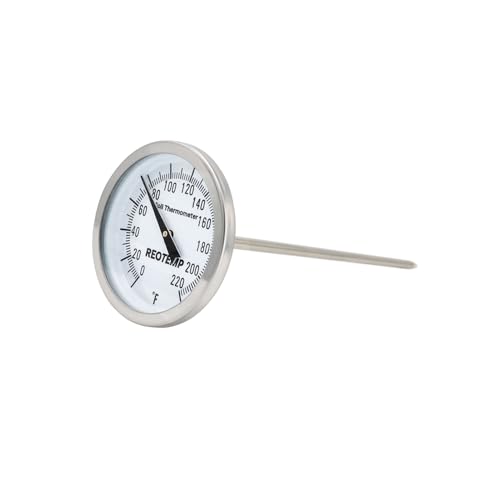
Corrosion Resistant 304 Stainless Steel Case, Bezel and 5" Stem
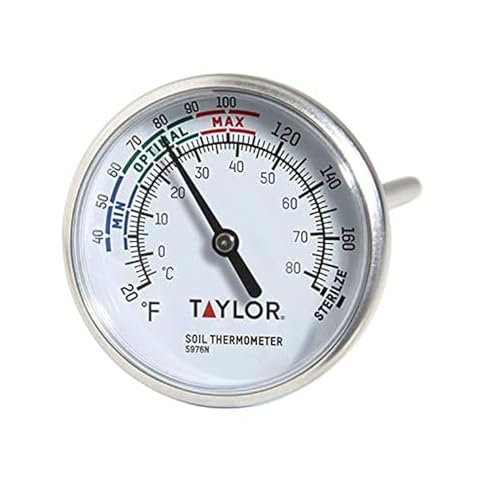
Measure soil temperature 2 inches below surface

Easy-to-read green, yellow, and red tick marks for easy monitoring
Best Time of Year to Sow Carrot Seeds
When it comes to sowing carrot seeds, timing is key for a successful harvest. Here’s a breakdown of the best times to sow carrot seeds throughout the year:
- Spring: Ideal for warming soil and early planting. Ensure soil temperatures are above 50°F for optimal germination.
- Summer: Proceed with caution due to heat stress. Consider shading your crops and providing ample water to prevent stunted growth.
- Fall: Great for a late harvest. Remember to protect carrots from early frost using mulching or row covers.
- Winter: Perfect for overwintering carrots. Plant early to allow roots to establish before the cold sets in.
Remember, timing is crucial when it comes to planting carrots. Be mindful of your local climate and adjust your planting schedule accordingly.
Soil Preparation Tips for Carrot Planting
To ensure successful carrot planting, prepare your soil thoughtfully. Here are some essential tips to help you get started:
- Loosen the soil: Optimal carrot growth requires loose, well-draining soil. Break up any clumps or compacted areas to allow the carrots to develop freely.
- Remove debris: Clear the planting area of rocks, weeds, and other debris that could hinder carrot growth or cause deformities.
- Add organic matter: Enhance your soil’s fertility by incorporating compost or aged manure. This will provide essential nutrients for healthy carrot development.
- Ensure proper pH: Carrots prefer slightly acidic to neutral soil (pH 6.0-7.0). Test your soil and adjust pH levels if necessary to create an ideal growing environment.
- Avoid fresh manure: Refrain from using fresh manure before planting carrots, as it can lead to forked or hairy roots.
- Consider raised beds: If your soil is heavy or poorly draining, planting carrots in raised beds can improve drainage and prevent root rot.
- Protect against pests: Before planting, take measures to deter pests like carrot rust flies by covering the area with row covers or planting companion plants like onions or leeks.
By following these soil preparation tips, you’ll set the stage for a successful carrot harvest.
Recommended Products
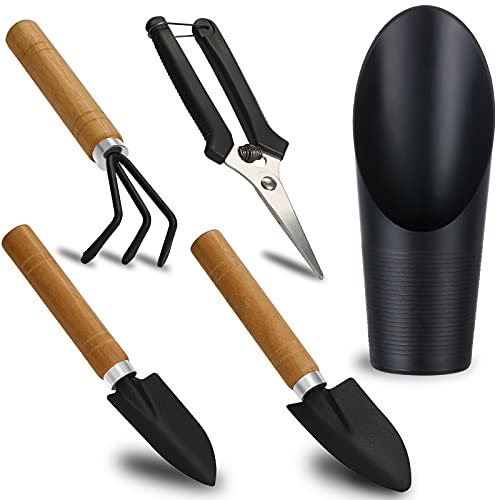
[SUCCULENT GARDEN TOOLS SET] The mini gardening hand tools kit include 3Pcs garden planting tools:1 shovel,1 spade,1 rake;and1 pruning scissors; 1 plastic bucket shovel,pieces of 5.

RUGGED AND DURABLE: Made of high-quality and durable galvanized steel, the soil blocker is compact in structure, easy to install, can be used repeatedly for a long time, comfortable and easy to operate, and is a good helper for your garden.
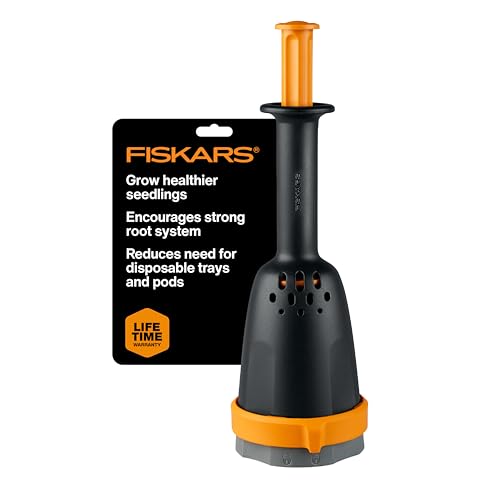
Fiskars Soil Block Maker helps you grow healthier seedlings by encouraging stronger root systems through natural air pruning
Nurturing Carrot Seedlings to Maturity
After you’ve successfully planted your carrot seeds, it’s crucial to continue caring for the seedlings to ensure a bountiful harvest. Here are some tips to guide you through this crucial stage:
- Thinning: Once your carrot seedlings have sprouted, it’s essential to thin them out to prevent overcrowding and ensure each plant has enough space to grow properly.
- Watering: Maintain consistent moisture levels in the soil to keep the carrot seedlings hydrated. Avoid overwatering, as excessive moisture can lead to rot.
- Weeding: Regularly remove weeds around the carrot plants to reduce competition for nutrients and prevent them from overtaking your crop.
- Fertilizing: Consider providing a light application of balanced fertilizer to support healthy growth, but be careful not to over-fertilize and risk stunting the carrots’ development.
| Important Guidelines |
|---|
| Thinning seedlings to prevent overcrowding |
| Control moisture levels for proper hydration |
| Remove weeds to minimize competition for nutrients |
| Lightly fertilize for healthy growth |
Continue nurturing your carrot seedlings with care and attention, and you’ll soon be rewarded with a successful harvest.
Harvesting and Enjoying Your Homegrown Carrots
Harvesting Time:
- Carrots are typically ready to be harvested around 60-80 days after planting.
- Check the size listed on the seed packet to gauge readiness.
- Gently pull a carrot from the soil to test if it has reached your desired size.
Harvesting Tips:
- To avoid damaging the harvest, loosen the soil around the carrot before pulling it out.
- Consider harvesting in the evening when the sun isn’t as intense.
- Store harvested carrots in a cool, dark place for extended freshness.
- Enjoy them raw as a healthy snack.
- Add them to salads for a pop of color and crunch.
- Experiment with roasting or sautéing carrots for different flavors.
Fun Fact: Carrots are a great source of vitamin A, promoting good vision.
| Fun Fact |
|---|
| Carrots are a great source of vitamin A, promoting good vision. |
Conclusion
You now have the knowledge to nurture your carrot seedlings successfully from planting to harvesting. Remember to thin out seedlings, maintain moisture levels, weed, and fertilize for optimal growth. When it’s time to harvest, check the size, gently pull them from the soil, and store them properly. Enjoy the benefits of vitamin A and experiment with incorporating homegrown carrots into your meals. Happy planting!
Frequently Asked Questions
How do I properly thin out carrot seedlings?
To thin out carrot seedlings, gently remove excess seedlings to ensure proper spacing for optimal growth. Aim for a distance of about 1 to 3 inches between each plant.
What is the importance of maintaining proper moisture levels for carrot seedlings?
Maintaining proper moisture levels is crucial for carrot seedlings to prevent drying out or becoming waterlogged. Consistent watering helps them develop strong roots and prevents issues like cracking or stunted growth.
Why is weeding important for the growth of carrot seedlings?
Weeding is essential for the growth of carrot seedlings as it prevents competition for nutrients and space. Remove weeds regularly to ensure that the carrot seedlings have ample resources to thrive.
How can I fertilize carrot seedlings effectively?
Fertilize carrot seedlings sparingly with a balanced fertilizer to avoid overfeeding. Apply fertilizer according to the manufacturer’s instructions to provide essential nutrients for healthy growth.
What are some harvesting tips for homegrown carrots?
Harvest homegrown carrots by gently pulling them from the soil once they reach the desired size. Check for readiness by assessing their color and size, and harvest before they become overly large or tough in texture.
How should I store freshly harvested carrots?
Store freshly harvested carrots in a cool, humid environment to maintain their freshness. Remove the green tops and place the carrots in the refrigerator, preferably in a perforated plastic bag to retain moisture.
What are some ways to enjoy homegrown carrots?
Enjoy homegrown carrots by incorporating them into your diet in various ways. Eat them raw as a healthy snack, add them to salads for a crunchy bite, or experiment with cooking methods like roasting, steaming, or sautéing.
