

Ever wondered why your carrot seeds just won’t sprout in the tropical heat? Picture this: eagerly planting your carrot seeds only to be met with disappointment as they struggle to grow in the hot, humid climate. Fret not, as we’ve got the inside scoop on mastering the art of growing carrots in tropical climates.
Are you ready to unlock the secrets to flourishing carrot crops despite the challenging tropical conditions? In this article, we’ll reveal the key techniques and tips to help you cultivate vibrant and healthy carrots even in the midst of sweltering temperatures. Get ready to transform your carrot-growing game and enjoy a bountiful harvest in your tropical garden.
Understanding the Challenges of Growing Carrots in Tropical Climates
Growing carrots in tropical climates presents unique challenges that can impact the success of your harvest. Here’s what you need to know:
- High Temperatures: Carrots thrive in cooler temperatures, but the heat in tropical climates can impede their growth.
- Excessive Moisture: Tropical regions are known for high humidity levels, which can lead to issues like rot and fungal diseases in carrot crops.
- Pest Pressure: The warm, humid conditions in tropical areas attract a variety of pests that can damage carrot plants.
To tackle these challenges and grow vibrant, healthy carrots in tropical climates, you’ll need to implement strategic techniques and best practices.
Selecting the Right Carrot Varieties for Tropical Conditions
When choosing carrot varieties for tropical climates, look for heat-tolerant and disease-resistant types. Some top picks include:
- Bolero: Known for its resistance to bolting in hot weather.
- Imperator: Ideal for tropical regions with its long, straight roots.
- Napoli: Well-suited for hot and humid conditions.
Consider these factors when selecting carrot varieties for your tropical garden:
- Heat Tolerance: Opt for varieties that can withstand high temperatures.
- Disease Resistance: Choose types that are less susceptible to common carrot diseases.
- Moisture Needs: Select varieties that can thrive in humid conditions.
By picking the right carrot varieties tailored to tropical climates, you set your garden up for success.
Proper Soil Preparation and Fertilization Techniques
When it comes to growing carrots in tropical climates, proper soil preparation and fertilization are crucial for successful cultivation. Here are some tips to optimize your soil for vibrant carrot growth:
- Soil Testing: Before planting, test your soil to determine its pH level and nutrient content.
- Loosen Soil: Aerate the soil by loosening it to improve drainage and root development.
- Organic Matter: Incorporate compost or well-rotted manure to enhance soil fertility.
- Balanced Fertilizer: Use a balanced fertilizer with appropriate NPK ratios to meet carrot requirements.
Remember, healthy soil is the foundation for healthy carrots in tropical conditions.
Watering Strategies to Thrive in Tropical Heat
When growing carrots in tropical climates, watering is a critical factor in ensuring optimal growth and productivity. Here are some essential watering strategies to help your carrots thrive:
- Consistent Moisture: Carrots need consistent moisture to develop properly. Water deeply and regularly to keep the soil consistently moist, especially during dry periods.
- Avoid Overwatering: While it’s important to keep the soil moist, overwatering can lead to issues such as rotting roots and fungal diseases. Make sure to monitor the soil’s moisture levels and adjust your watering frequency accordingly.
- Mulching: Applying a layer of mulch around your carrot plants can help retain moisture in the soil, reduce evaporation, and regulate soil temperature. Consider using organic mulches like straw or grass clippings.
- Early Morning Watering: Watering your carrots early in the morning allows the plants to absorb moisture before the heat of the day evaporates it. This timing also helps prevent fungal issues by allowing the foliage to dry off during the day.
- Deep Root Watering: Encourage strong root development by watering deeply. Aim to moisten the soil to a depth of at least 6 to 8 inches to promote healthy root growth.
- Drip Irrigation: Consider using drip irrigation systems for efficient and targeted watering. Drip irrigation delivers water directly to the base of plants, reducing water loss through evaporation.
- Monitor Soil Moisture: Use a moisture meter or simply feel the soil to gauge moisture levels. Adjust your watering schedule based on the specific needs of your carrot plants and the prevailing weather conditions.
Stay attentive to your carrot plants’ watering needs, and with these strategies in place, you can help them thrive in the heat of a tropical climate.
Protecting Carrots from Harsh Sunlight and Pests
To safeguard your carrots in tropical climates, you need to shield them from intense sunlight and voracious pests.
Sun Protection:
- Plant taller crops on the sun-exposed side to provide shade for your carrots.
- Consider constructing shade cloth structures to reduce direct sunlight exposure.
Pest Defense:
- Surround your carrot patch with companion plants that repel pests, such as marigolds or chives.
- Implement barriers like row covers or netting to deter pests from reaching your carrot plants.
Natural Remedies:
- Utilize homemade pest sprays made from garlic, onion, or neem oil to ward off pests organically.
- Regularly inspect your carrot plants for signs of pest infestation, and promptly address any issues to protect your harvest.
Continue nurturing your carrots with these protective measures to ensure a thriving crop despite the challenges of the tropical climate.
Recommended Products
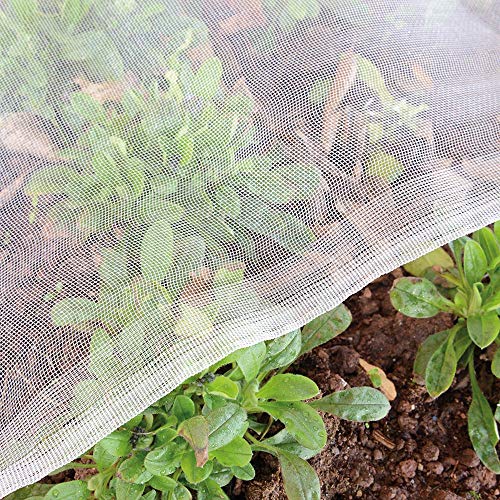
🥬Effective Bug Barrier: Protecting plants and vegetables from a wide range of pest insects and animals, such as cicadas, carrot fly and many species of aphids, you will get a healthier and happier garden
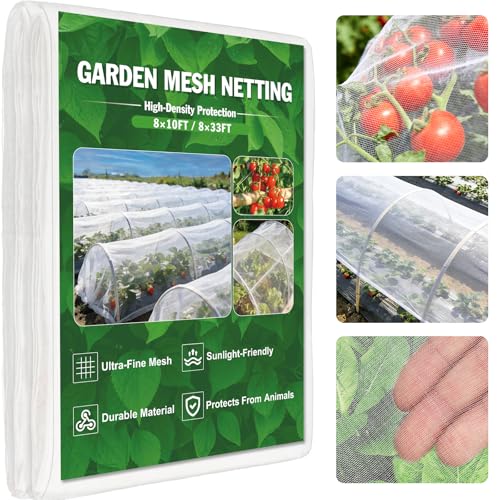
【Upgraded Fine Mesh Netting】This fine mesh garden netting uses 0.7*0.8mm high-density garden insect netting to block, birds, and small animals, offering reliable plant protection netting for vegetables and flowers

Defend Against Unwanted Visitors: Gardening is a rewarding and fulfilling endeavor, and you'll watch your plants grow from nothing to maturity before you finally harvest them. Once the plants begin to flower and bear fruit, these unwelcome visitors visit your garden and often leave a trail of destruction. Garden netting is the best choice for protecting your plants
Conclusion
Ensuring the thriving growth of carrots in tropical climates involves strategic protection from the elements and pests. By implementing measures like providing shade, using companion plants, setting up barriers, and employing natural pest remedies, you can enhance the chances of a successful carrot harvest. Regular monitoring for pest issues is crucial to maintain the health of your carrot plants. These proactive steps are designed to help you overcome the challenges of growing carrots in tropical regions and enjoy a bountiful harvest. Happy gardening!
Frequently Asked Questions
How can I protect carrots in tropical climates?
To protect carrots in tropical climates, consider planting taller crops to provide shade, using shade cloth structures, incorporating companion plants like marigolds, setting up barriers such as row covers, and utilizing natural pest remedies like homemade sprays. Regular inspection for pest infestations is crucial to ensure a successful carrot harvest despite the challenges posed by the tropical climate.
