


I have noticed that the height of a garden bed makes a bigger difference than I expected once I start spending real time out there each day.
When I laid out my own beds last year I realized the paths between them needed to be wider than the drawings suggested so I could move a wheelbarrow without stepping on anything.
Raised beds also let me adjust the soil mix in ways that suit what I actually want to grow instead of fighting whatever the yard already has.
One idea I keep coming back to is adding a narrow shelf along the edge so I can set down tools without bending all the way to the ground.
It saves more time than it seems.
Elevated Wooden Raised Beds For Everyday Use

Raised beds built from wood with metal corner brackets give you a solid structure that holds up season after season. The extra height means less bending, which makes daily tasks like watering and harvesting feel easier on the back.
These beds suit smaller yards where gravel paths keep things tidy and accessible. Place them in a sunny spot with enough space between for walking through, and they work well for both vegetables and herbs without needing constant repairs.
Stone Raised Beds With Wooden Tops

Raised beds built with stacked stone and finished with a thick wood cap give you a sturdy edge that lasts. The wood makes a natural place to rest tools or sit while you work, which keeps the whole bed more comfortable for everyday use.
This style fits best in gravel yards or informal gardens where you want something solid but not too polished. It works especially well if you already have stone walls or paths on the property, since the materials tie together without extra effort.
Tile Details On Raised Garden Beds

Raised garden beds gain a finished look when you add tile along the front edge. The tile protects the surface from chipping and gives the bed a bit more presence in the garden without adding much height.
This approach works best along paths or steps where the beds sit at different levels. It suits homes with stone or stucco already in use and keeps the planting area easy to reach for watering and harvesting.
Compact Raised Beds on Legs for Small Spaces

Raised garden beds on legs bring the planting surface up to a height that is easier on the back. Many gardeners find this setup cuts down on bending and kneeling during daily tasks like watering or harvesting.
They suit smaller yards or paved areas where digging into the ground is not an option. Keep the legs strong and the beds narrow enough to reach across without strain.
Labeled Raised Beds Simplify Daily Care

Raised beds become much easier to manage when each one has a clear label. The signs let you spot what is growing at a glance, which cuts down on confusion during busy weeks and helps you keep track of what needs water or harvesting.
This approach works best in home gardens that grow several crops side by side. Keep the signs simple, use weatherproof materials, and place them at the front of each bed so they stay visible without getting in the way of tools or paths.
Raised Beds That Double As Seating

Raised beds built at bench height make everyday gardening easier because you can sit right next to the plants instead of kneeling or stooping. The flat wooden tops turn the edge into a place to rest while you work, which helps on smaller decks where every surface counts.
This approach suits balconies and patios that need both growing space and seating without crowding the floor. Keep the beds narrow enough to reach across and choose sturdy materials so the tops hold up to regular use.
Raised Beds At A Comfortable Height

Many gardeners end up avoiding their beds because constant bending takes a toll. Lifting the planting area removes that strain and makes daily care feel more doable.
This setup suits decks and rooftops especially well, where ground space is limited. Keep the beds narrow enough to reach across and use sturdy materials so they hold up over time.
Raised Beds Built Into Bench Seating
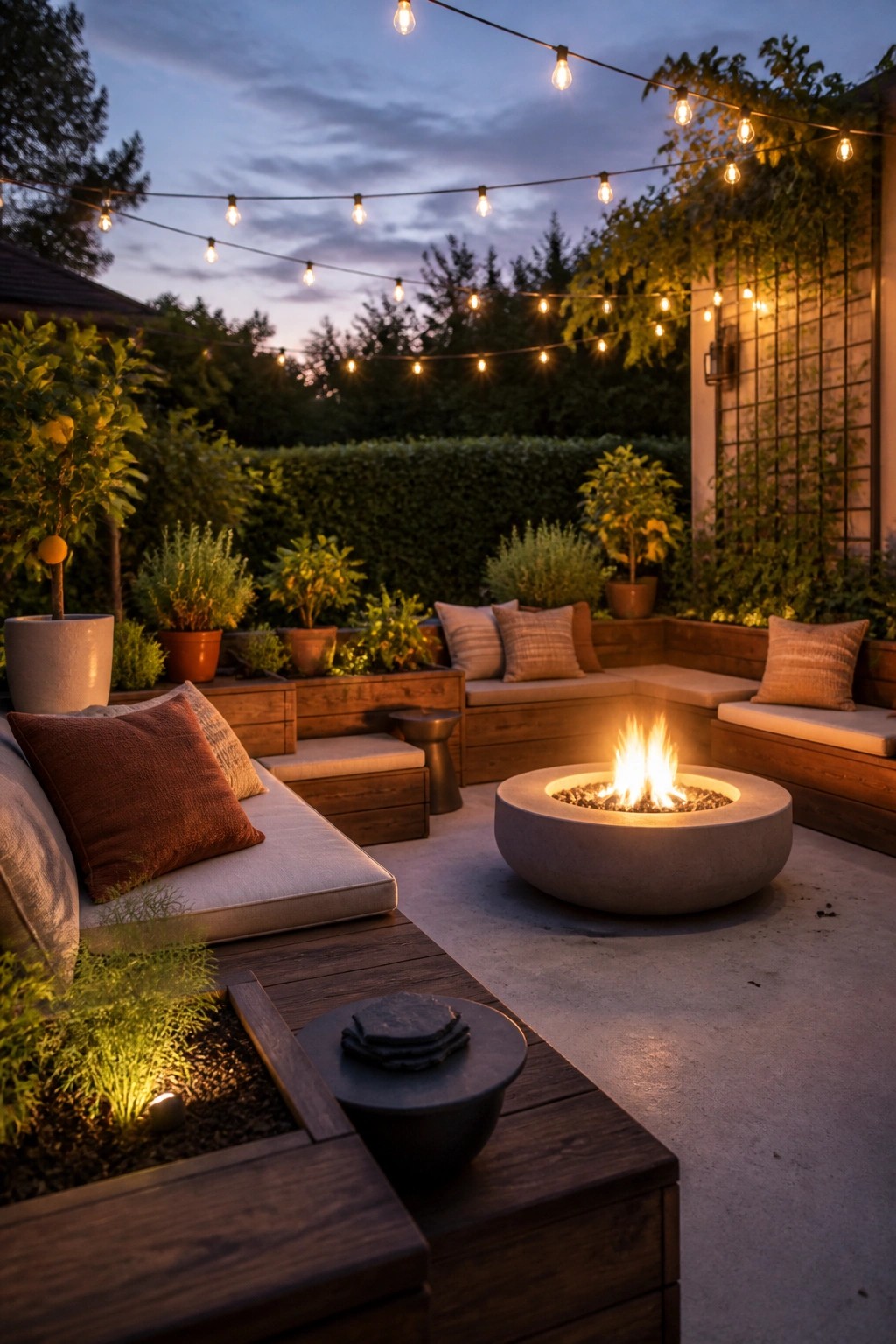
Many people find it easier to keep up with gardening when the beds sit right next to where they already spend time. Placing raised planters along the edge of seating turns a simple patio into a spot where you can water or prune without standing up or walking across the yard.
This works best on smaller outdoor areas where every inch needs to serve more than one purpose. Keep the beds at a comfortable height so you can reach the plants while seated, and choose materials that match the benches so the whole layout feels like one built piece.
Metal Raised Beds for Narrow Side Yards
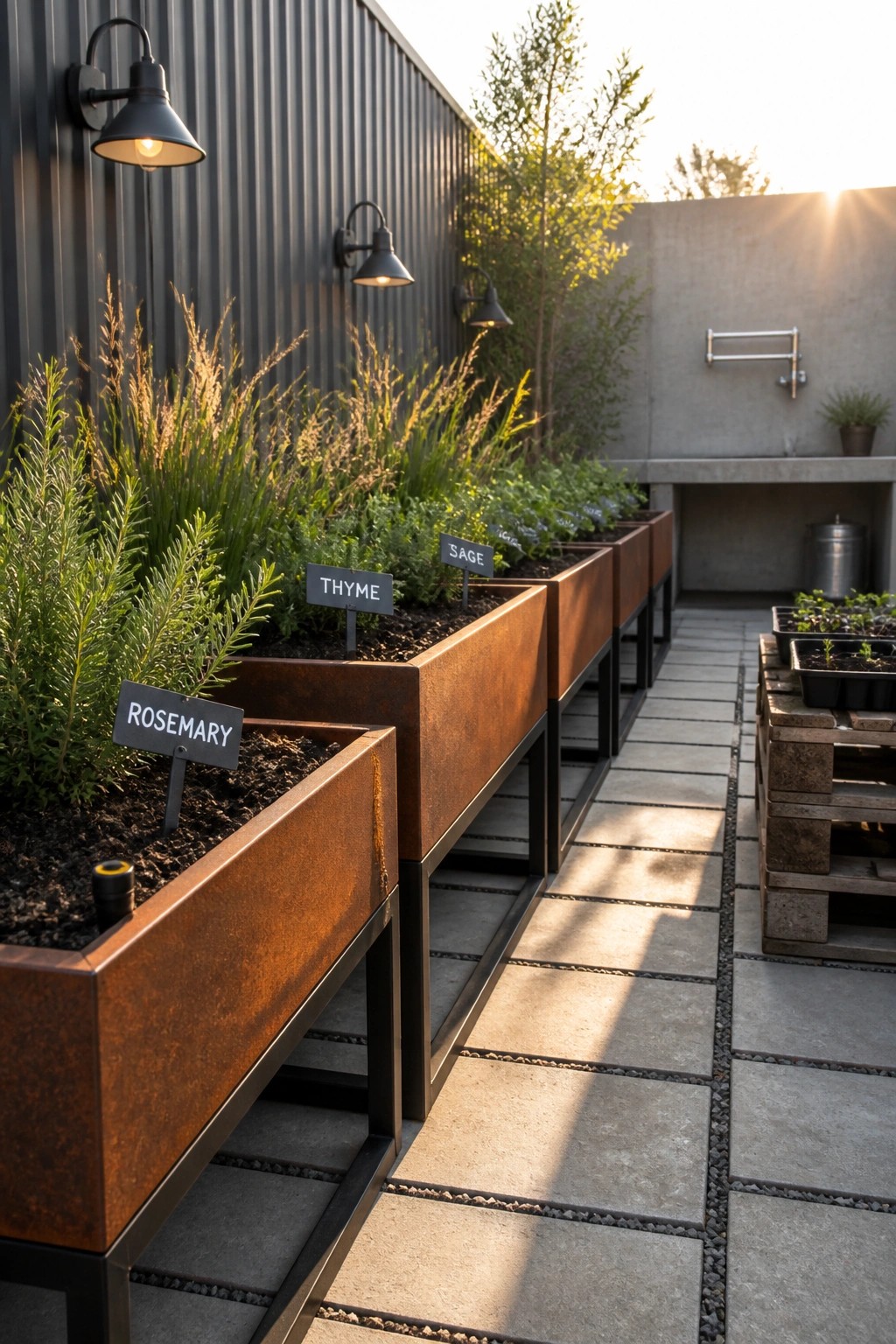
Elevated raised beds cut down on bending and kneeling, which makes daily garden work easier on the back and knees. The extra height also improves drainage and keeps soil warmer in cooler months.
These beds suit narrow side yards or spaces right next to a house where ground-level planting would feel cramped. Metal sides hold up well and give a simple, lasting frame that works with most home styles.
Raised Beds On Legs Keep Gardening Comfortable

Many gardeners like raising the beds a bit off the ground because it cuts down on bending and kneeling during daily tasks. The extra height makes weeding and watering feel less tiring, especially if you spend more than a few minutes out there each day.
These beds fit best along paths or near seating spots in smaller yards where space is tight. They also work well on patios or decks if the structure underneath can handle the weight. Just check that the legs are solid and the wood is treated for outdoor use.
Raised Stone Beds For Everyday Access

Raised stone beds give you a simple way to garden without bending down so far. They sit at a comfortable height, hold the soil in place, and keep everything looking neat even when the yard slopes. The light-colored stone also blends with the house and path so the beds feel like part of the structure rather than something added later.
These beds work well along walkways and near steps where you already spend time. Keep the width narrow enough to reach across and use the same material for the edging so the whole area stays easy to maintain. Just watch how much sun the spot gets before you plant.
Arrange Raised Beds Along Defined Paths

Raised beds feel more practical when they run in straight rows with a clear path between them. This setup lets you reach every plant without stepping on the soil, and it keeps tools and watering simple as the season goes on.
The layout works well in bigger garden spaces or shared plots where several beds need to stay organized. Just leave enough room between rows for a wheelbarrow or basic maintenance.
Raised Beds Along A Garden Path

Placing raised beds along a path makes everyday gardening simpler. You can walk right up to the plants without stepping into soil or reaching awkwardly. The wooden sides hold everything in place and keep the beds at a workable height.
This layout suits side yards or narrow garden spaces where you want order without crowding the walkway. Gravel or stone paths work well with it since they stay firm and drain easily. Keep the beds a consistent width so you can tend both sides without strain.
Railing Planters Keep Gardening Within Reach

Mounting planters along a balcony railing brings the plants up to a comfortable working height. You can water, prune, and harvest without kneeling or bending over, which makes daily care feel much simpler on a small outdoor space.
This approach works especially well for apartments or urban homes where floor space is limited. It suits anyone who wants fresh flowers or herbs close at hand while still keeping room for seating and walking around.
Raised Beds With Built-In Benches

Raised beds that include a bench or wide ledge make gardening easier on the back and knees. You can sit right next to the plants to weed, water, or harvest without having to kneel on the ground or bend over for long periods. This setup works especially well in smaller yards where space is tight and you want the beds to serve more than one purpose.
The key is to build the ledge at a height that feels natural to sit on while still keeping the soil surface at a comfortable working level. It suits anyone who gardens regularly but wants to avoid strain, and it fits neatly along fences or property lines where a path already runs beside the beds.
Elevated Raised Beds For Everyday Comfort

Elevated raised beds lift the soil up to a height that reduces bending and kneeling. This makes daily tasks like weeding, watering, and harvesting much easier on the back and knees, especially for people who garden often.
These beds work best in smaller yards or for anyone who wants a low-maintenance setup without giving up productive growing space. Sturdy legs or frames keep them stable while allowing airflow underneath.
Bright Colors Make Raised Beds Easier To Enjoy

Raised beds painted in bold shades stand out in a small garden and make the whole space feel more welcoming. They also keep the soil at a comfortable height so bending and kneeling become less of an issue during daily watering and weeding.
Place them along a simple path where you can reach a hose or tap without extra effort. Weatherproof paint holds up best, and limiting the palette to two or three colors keeps the look from feeling scattered.
Raised Beds Built With Brick

Raised beds made from brick give you a firm edge that holds up well over time. They also lift the soil so you can work without kneeling as much, which makes a difference on longer days in the garden.
These beds suit vegetable patches where drainage matters and you want something that will not rot or shift. Keep the walls at a comfortable height and use a simple cap on top if you like to sit on the edge while you plant.
Raised Beds Built At Table Height

Raised beds set on legs bring the soil up to a comfortable working height. This cuts down on bending and kneeling, which makes daily tasks like watering, weeding, and harvesting feel easier on the back and knees. The beds also keep plants off the ground, which can help with drainage and pests.
They work well on patios or paved yards where digging into the ground is not an option. Choose a height that matches how you like to stand or sit while you work, and look for frames sturdy enough to hold wet soil without shifting over time. The built-in edge lighting on some models adds a practical touch for evenings.
Terraced Stone Beds For Hillside Gardens
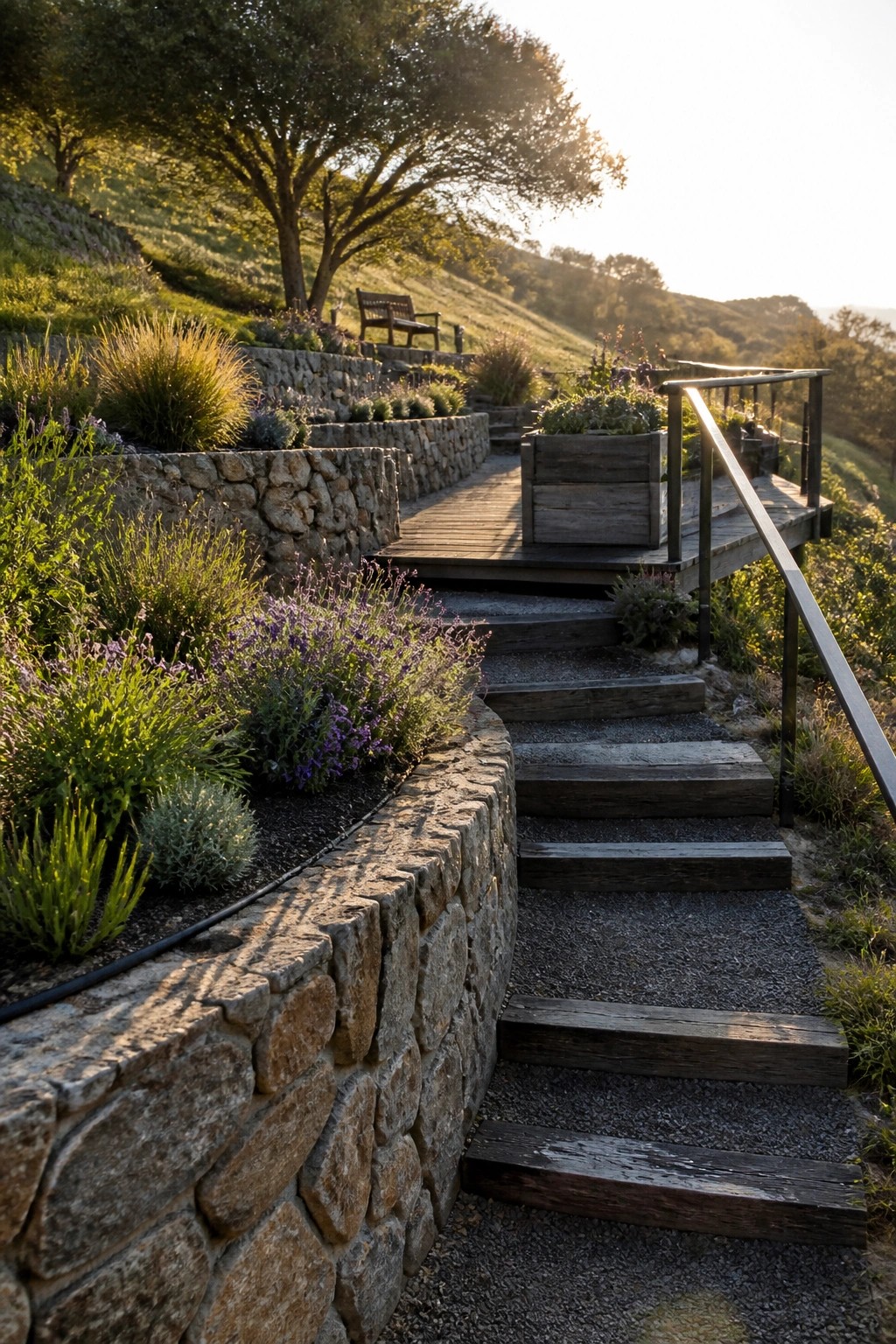
Stone retaining walls can turn a steep slope into a series of raised beds that stay level and easy to reach. This setup keeps soil in place and gives you planting areas at a comfortable height without needing to bend over as much or fight erosion every season.
It works best on properties that already have a noticeable drop in grade. Adding a simple path or a few steps between levels makes daily care much more practical, and the stone holds up well once it is in place. Just make sure the walls have good drainage so water does not pool behind them after heavy rain.
Frequently Asked Questions
Q: How deep should the soil go in an elevated bed? A: Aim for at least eight inches so roots have space to spread. Mix in compost as you fill to keep the soil light and rich. Check the level after a few weeks since it settles fast.
Q: What if my patio gets strong afternoon sun? A: Choose beds with a bit of overhang so you can add shade cloth on top during peak heat. Water early in the day to stop the soil from drying out too quick. Most greens and herbs still do fine with that extra light.
Q: Do the legs need extra bracing once the bed is full? A: Add simple cross supports if the frame feels wobbly during setup. But test the weight before planting to avoid any shift later. This keeps everything steady without much extra work.
