

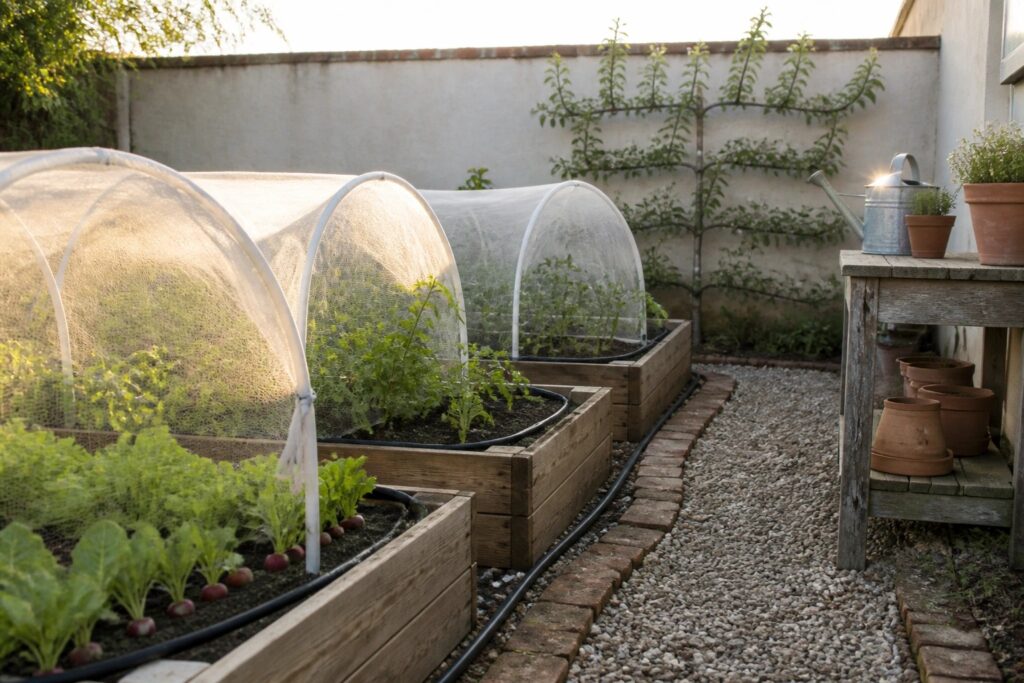
When I started setting up my own garden beds I noticed that seedlings often disappeared before they had a chance to strengthen because nothing kept the soil protected from the start.
Covered raised beds solve part of that problem by adding a layer that blocks common pests while still letting light and air reach the plants.
Layout decisions show up fast once the covers are in place.
I have found that beds which allow quick checks without lifting heavy frames end up getting used more often through the season.
Thinking about how the covers will open and close as the plants grow helps avoid setups that look good on paper but turn into daily frustrations.
Mesh Covers Protect Young Plants From Pests
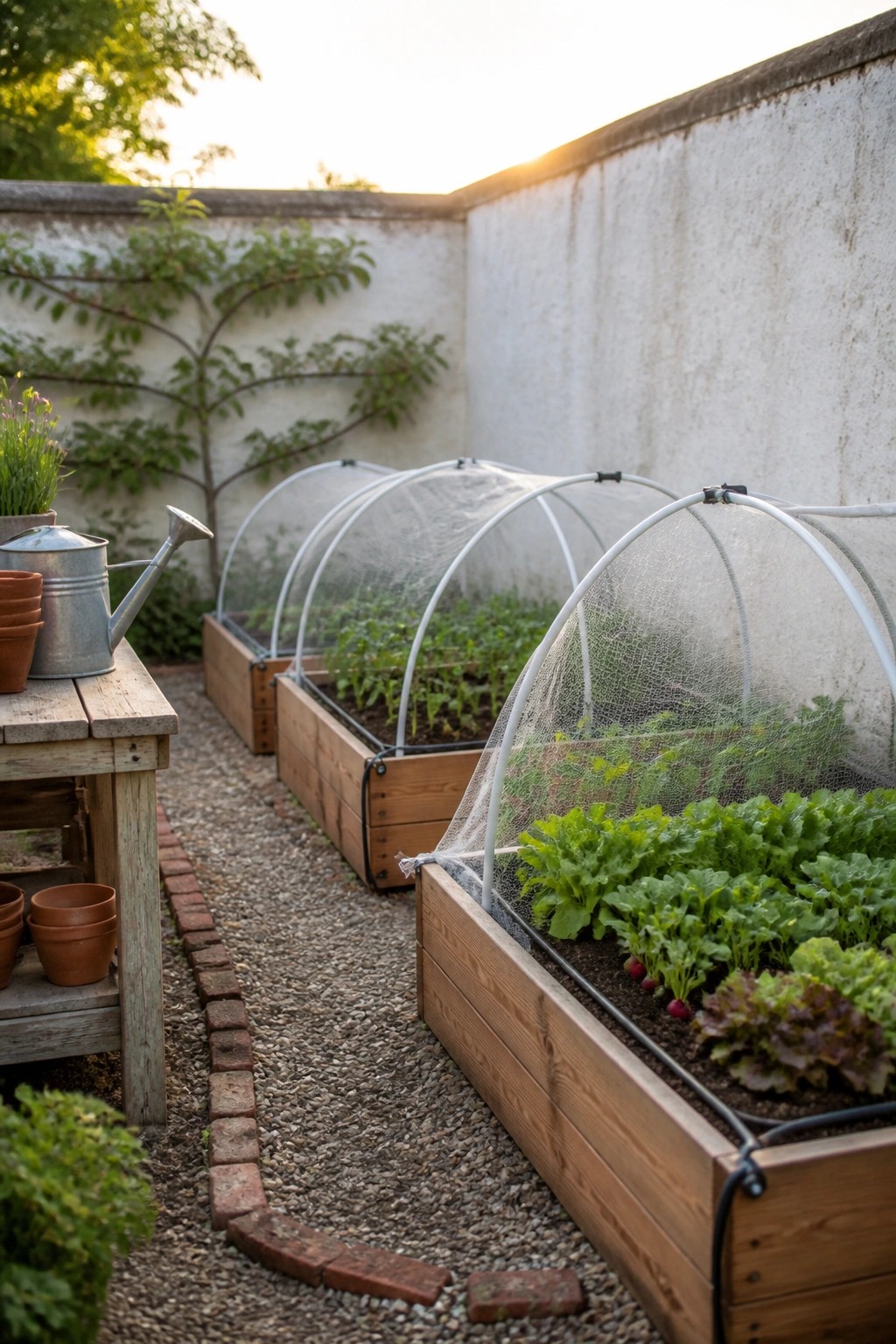
Many people add hoop covers to their raised beds once seedlings are in the ground. The mesh blocks insects and small animals while still letting in light and rain, which helps young plants stay healthy without constant watching.
This approach suits small yards or spaces near walls where pests tend to gather. Choose lightweight netting and check that the hoops sit firmly so the cover stays in place during wind or heavy use.
Covered Raised Beds Shield Young Plants
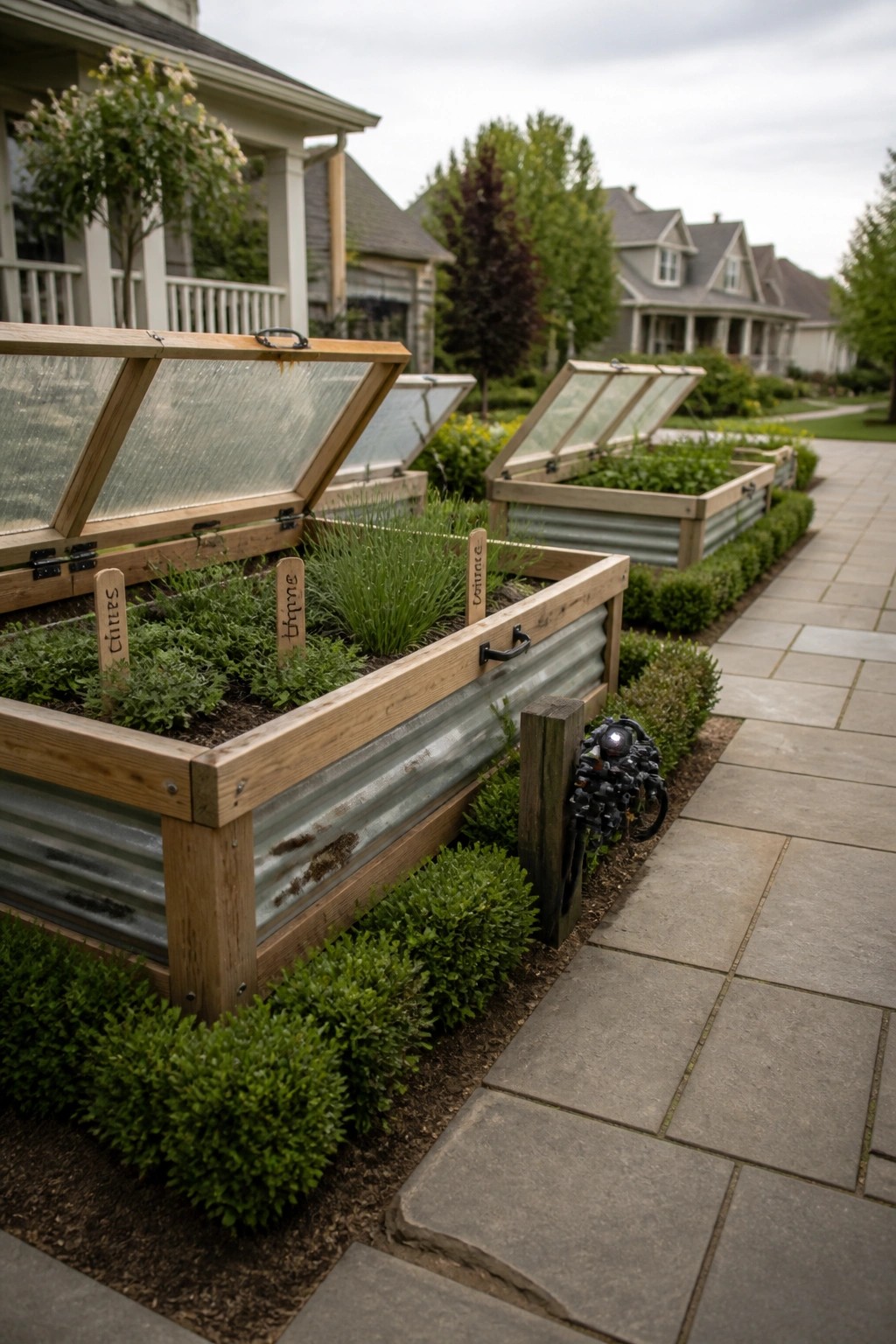
Raised beds with hinged covers give seedlings a better start by blocking heavy rain, cold snaps, and insects. The simple lid design lets you open the beds easily for watering or weeding and close them again without extra tools or tarps.
This setup works well in most home gardens where space is limited and pests are active. Just make sure the covers fit snugly and use a material that lets in light while still offering protection.
Covering Raised Beds With Overhead Frames
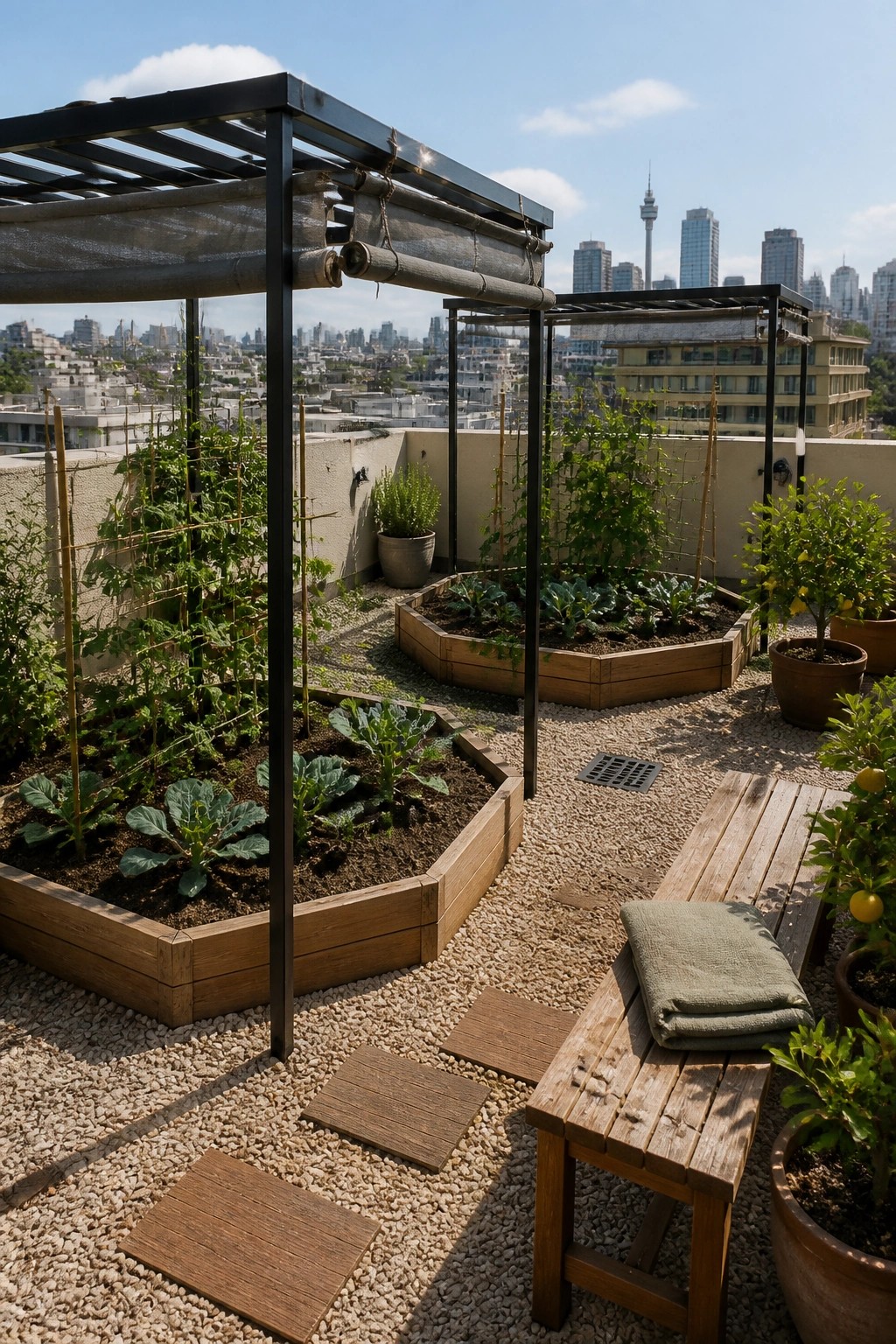
Raised beds gain a lot from simple overhead covers. A basic frame with shade cloth or mesh gives seedlings protection from strong sun and limits access for some pests while still letting air move through.
This approach suits rooftops and other open spots where full sun hits hard all day. Use sturdy posts that match your bed height and keep the cover easy to adjust or remove as plants grow.
Mesh Covers On Raised Beds
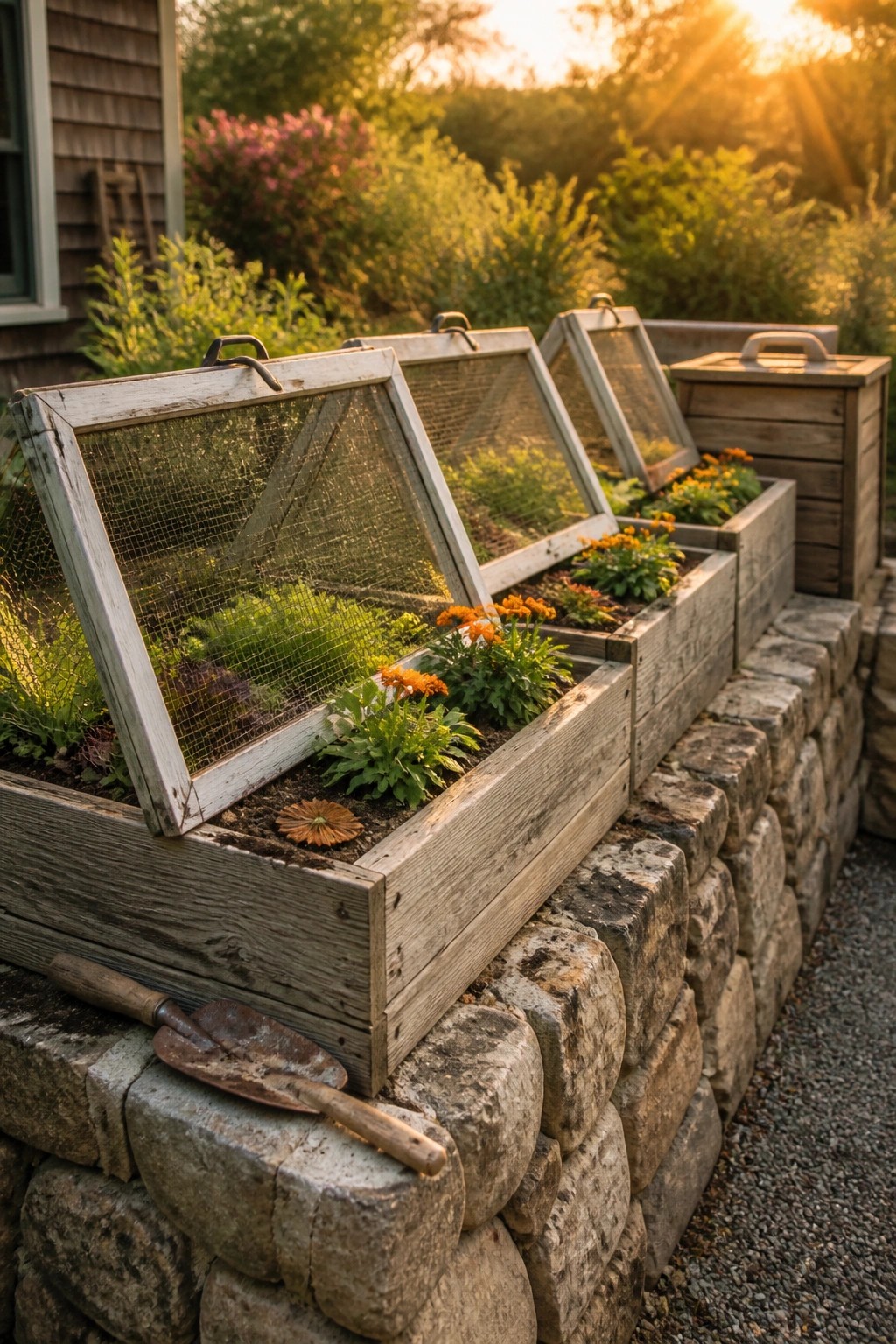
Raised beds with mesh covers give seedlings a better start by keeping bugs and small animals away from tender leaves. The covers sit right on the wooden frames so air and light still reach the plants while blocking most pests that usually show up early in the season.
They suit any sunny spot where you grow from seed and want fewer losses. Check the fit of the frames now and then, especially after heavy rain, so gaps do not form over time.
Adding Mesh Covers To Raised Beds

Mesh covers give seedlings real protection right from the start. They block insects and small animals while still letting in light and air, which helps young plants grow stronger without constant watching.
These covers work best on raised beds edged in stone or wood, especially in vegetable gardens where early planting is common. You can lift them off easily once the plants are bigger and less vulnerable.
Raised Beds With Lids Protect Plants From Pests
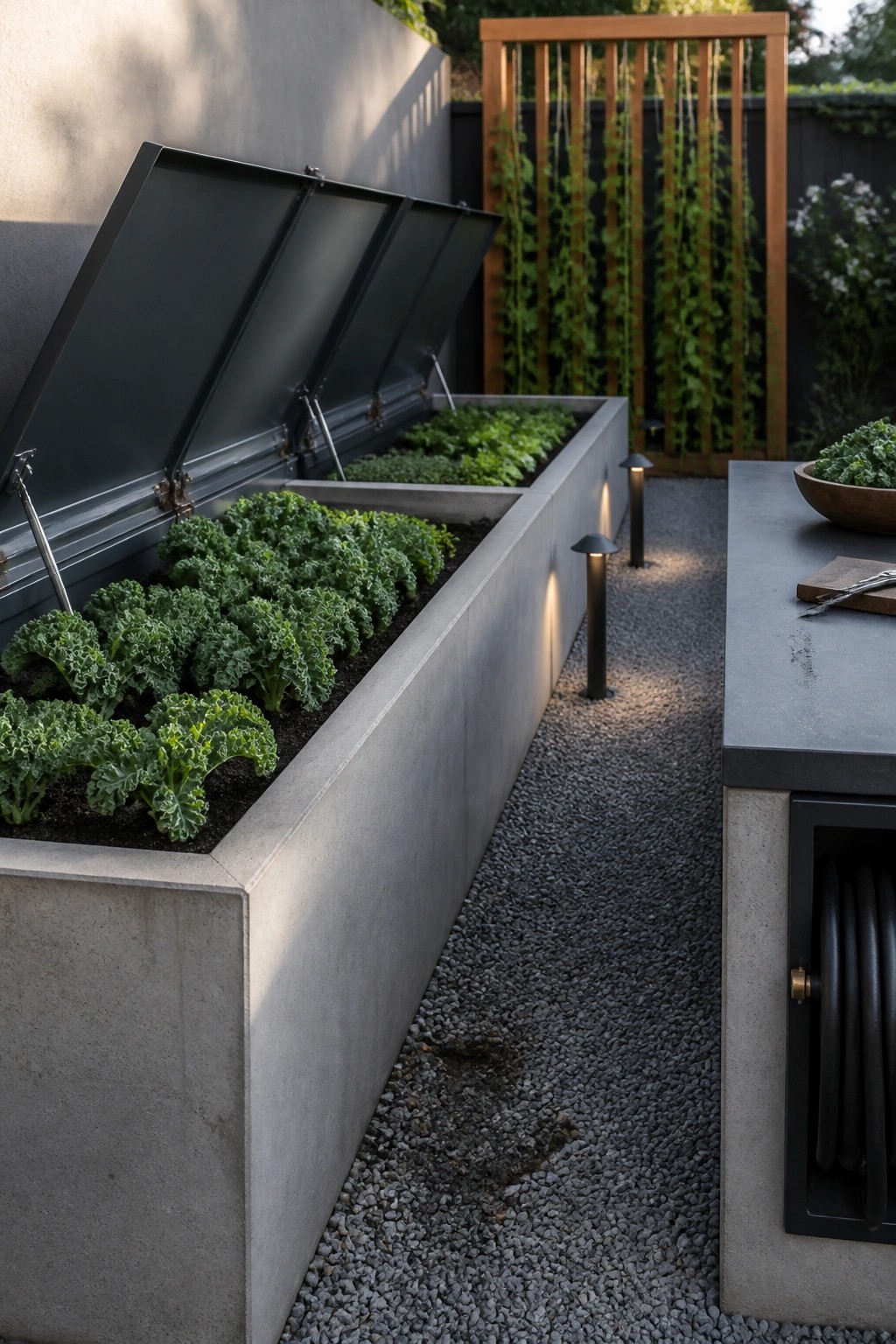
A simple lid on a raised bed makes a big difference when you are trying to get seedlings started. It blocks birds, keeps out some insects, and holds in a bit of warmth on cool nights. Many people find that covered beds need less fussing and fewer replacements early in the season.
This approach works well in small yards or shared spaces where pests move in quickly. Use sturdy hinges so the lid stays open while you work, and choose a material that fits the rest of your garden. Check the fit now and then to make sure water can still drain properly.
Mesh Tops Protect Seedlings In Raised Beds

Many people add simple mesh covers to their raised beds once the seedlings go in. The wire lets in sun and rain but blocks birds, insects, and small animals that often destroy young plants before they can grow.
This works best in open yards or coastal spots where pests move freely. Build the lids so they lift off easily for watering and harvesting, and use sturdy wood frames that match the beds themselves.
Mesh Covers Protect Raised Beds
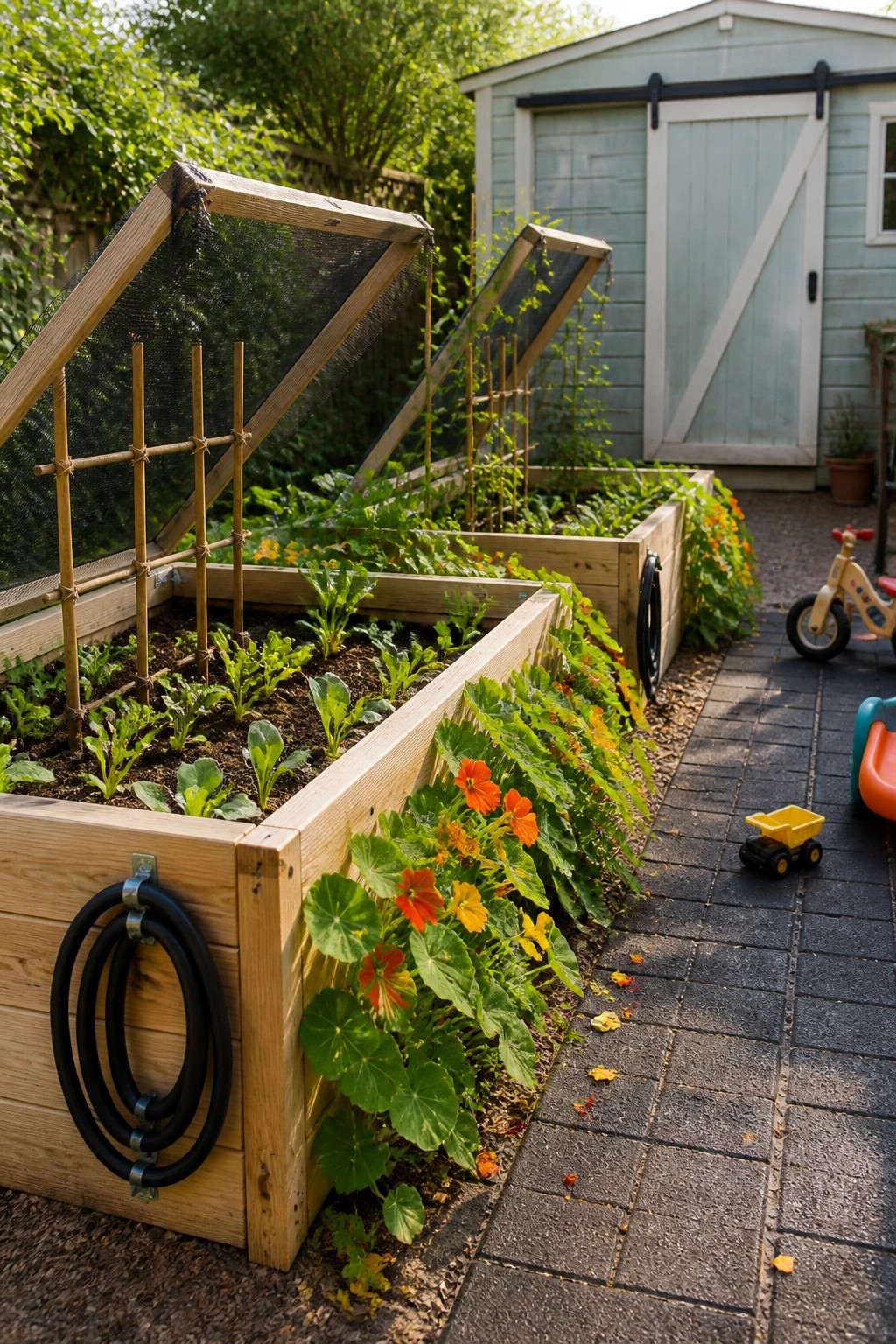
Many raised beds benefit from a simple mesh cover that lets in light and rain while keeping bugs and animals out. The hinged design makes it easy to lift the screen for watering or picking without removing the whole frame each time.
This approach works especially well for anyone starting seedlings early or growing leafy crops that pests target. It suits smaller gardens where you want protection without building a full greenhouse or spraying.
Mesh Covers Protect Raised Garden Beds
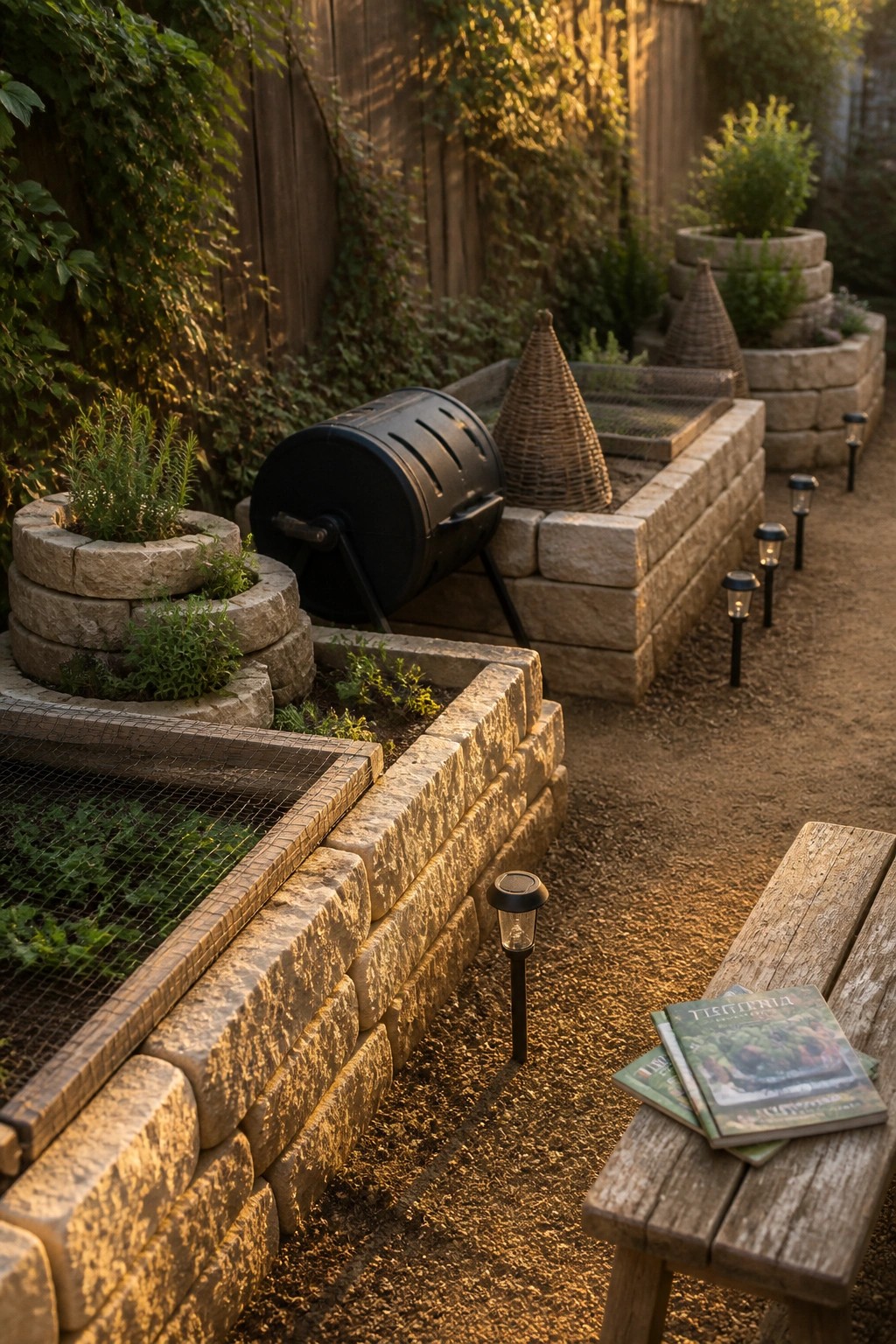
Many people add mesh covers to their raised beds once seedlings go in. It keeps bugs and small animals from getting to the young plants before they have a chance to grow.
This approach works best in gardens where pests show up every season. Stone or wood beds both take the covers well, and the mesh can be lifted off easily once the plants are bigger.
Covered Raised Beds Protect Young Plants
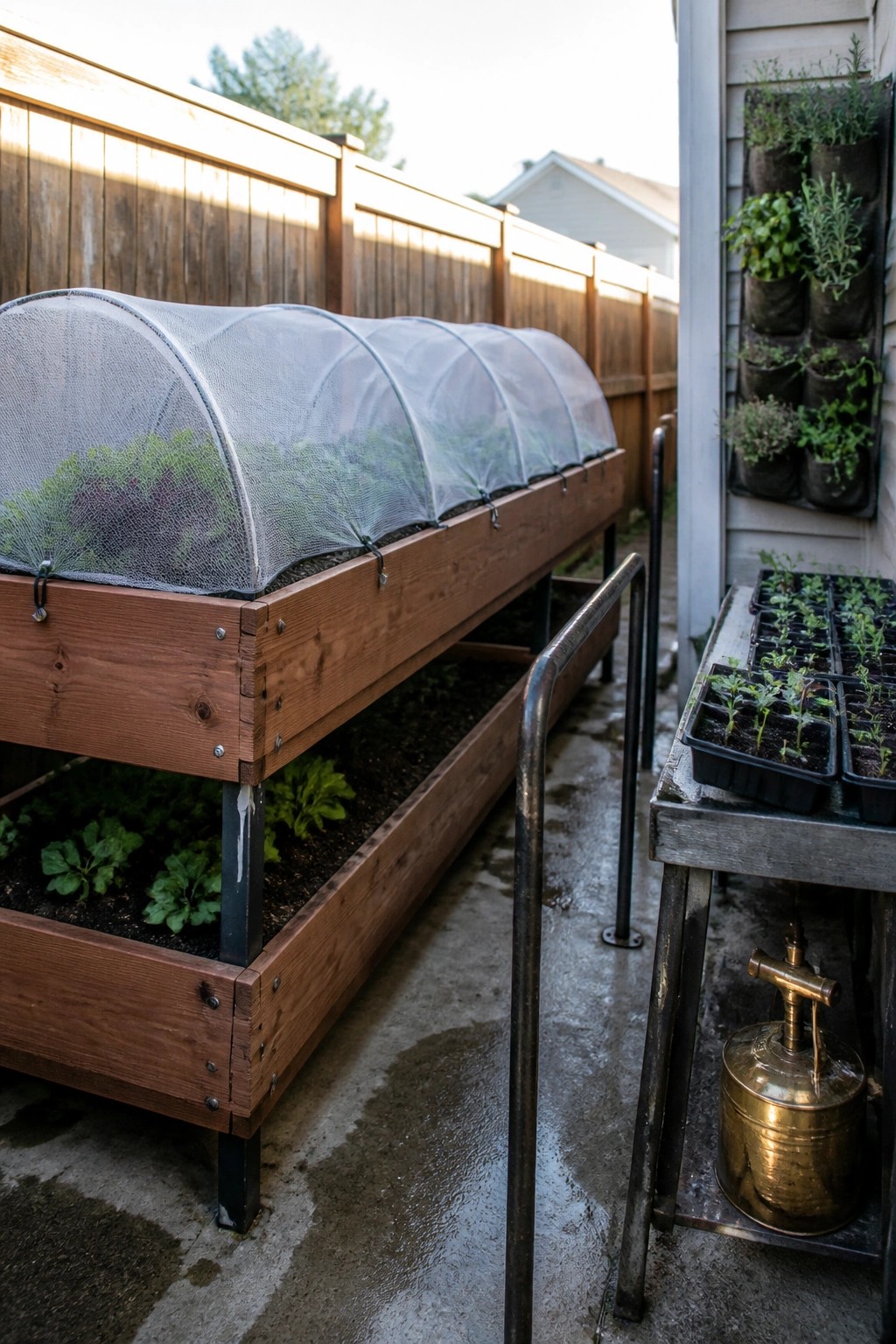
Many people add a simple mesh cover over their raised beds once seedlings go in. It lets sunlight and rain reach the plants while blocking insects and small animals that often damage new growth.
This approach fits well in backyard gardens where space is tight and pests show up early in the season. The cover can be lifted off for watering or weeding and put back on at night or when needed.
Mesh Covers Protect Seedlings in Raised Beds
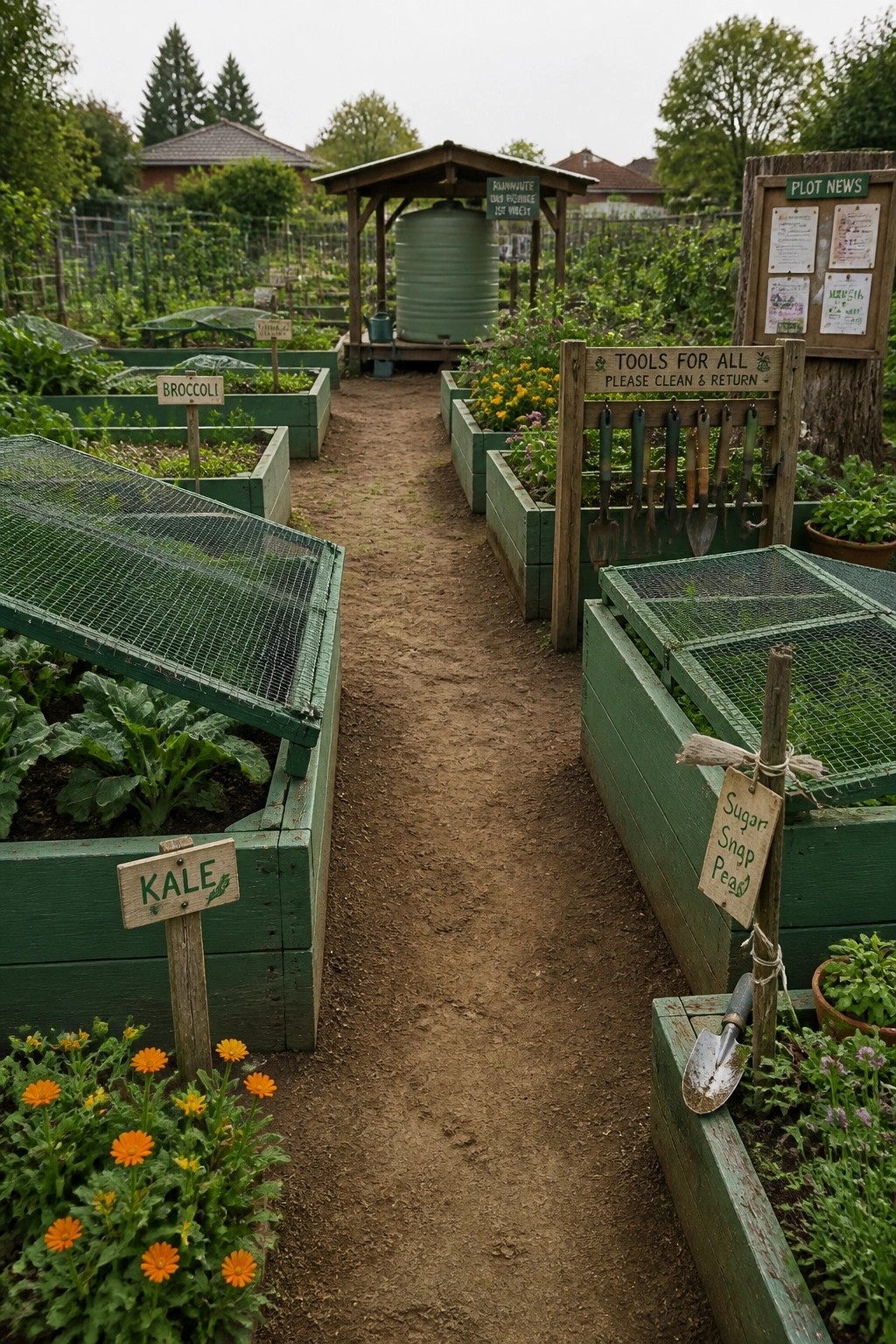
Many people add mesh covers to their raised beds so young plants stay safe from insects and small animals. The covers sit right on top of the beds and still let in light and air, which helps seedlings grow without constant damage.
This approach works well in any garden where pests show up early in the season. Lift the covers when you need to water or weed, then put them back in place to keep the beds protected through the first few weeks of growth.
Mesh Covers Protect Seedlings From Pests

Many raised beds benefit from a simple mesh cover stretched over a light frame. The cover lets in air and light while blocking insects and birds that often damage young plants.
This approach works best in vegetable gardens where seedlings need extra protection in the first few weeks. Use it on beds that sit in full sun, and choose a mesh fine enough to stop small pests but open enough for good airflow.
Protecting Seedlings With Mesh Covered Raised Beds
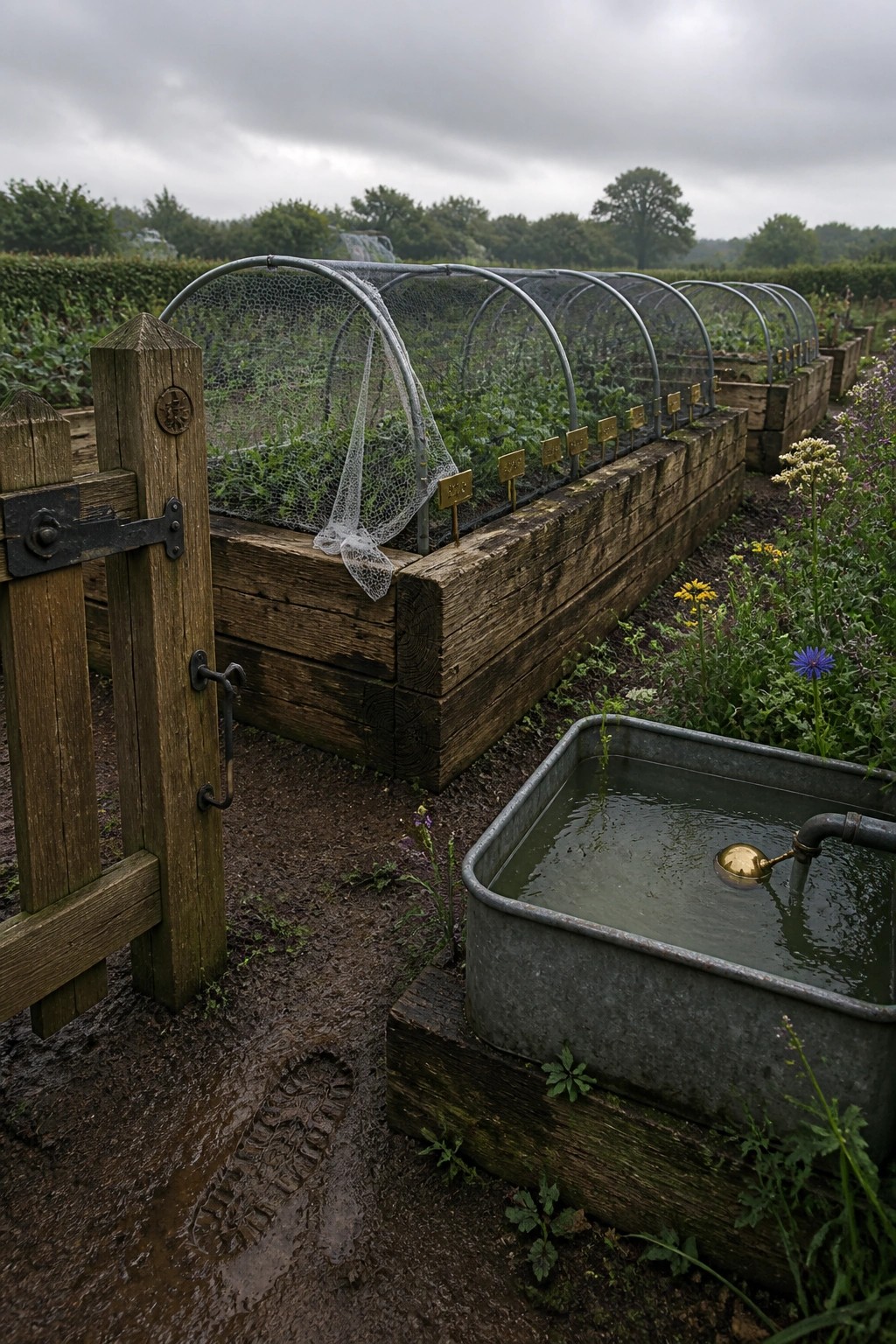
Raised beds with mesh covers give young plants a real advantage. The netting blocks insects and birds while still letting in light and rain. Many gardeners find this setup cuts down on lost seedlings without needing constant sprays or barriers.
You can make the covers with simple wire hoops and lightweight mesh. They work especially well in vegetable gardens or any spot where pests show up early in the season. Just check that the frames lift off easily for watering and weeding.
Mesh Covers On Raised Beds Protect Seedlings
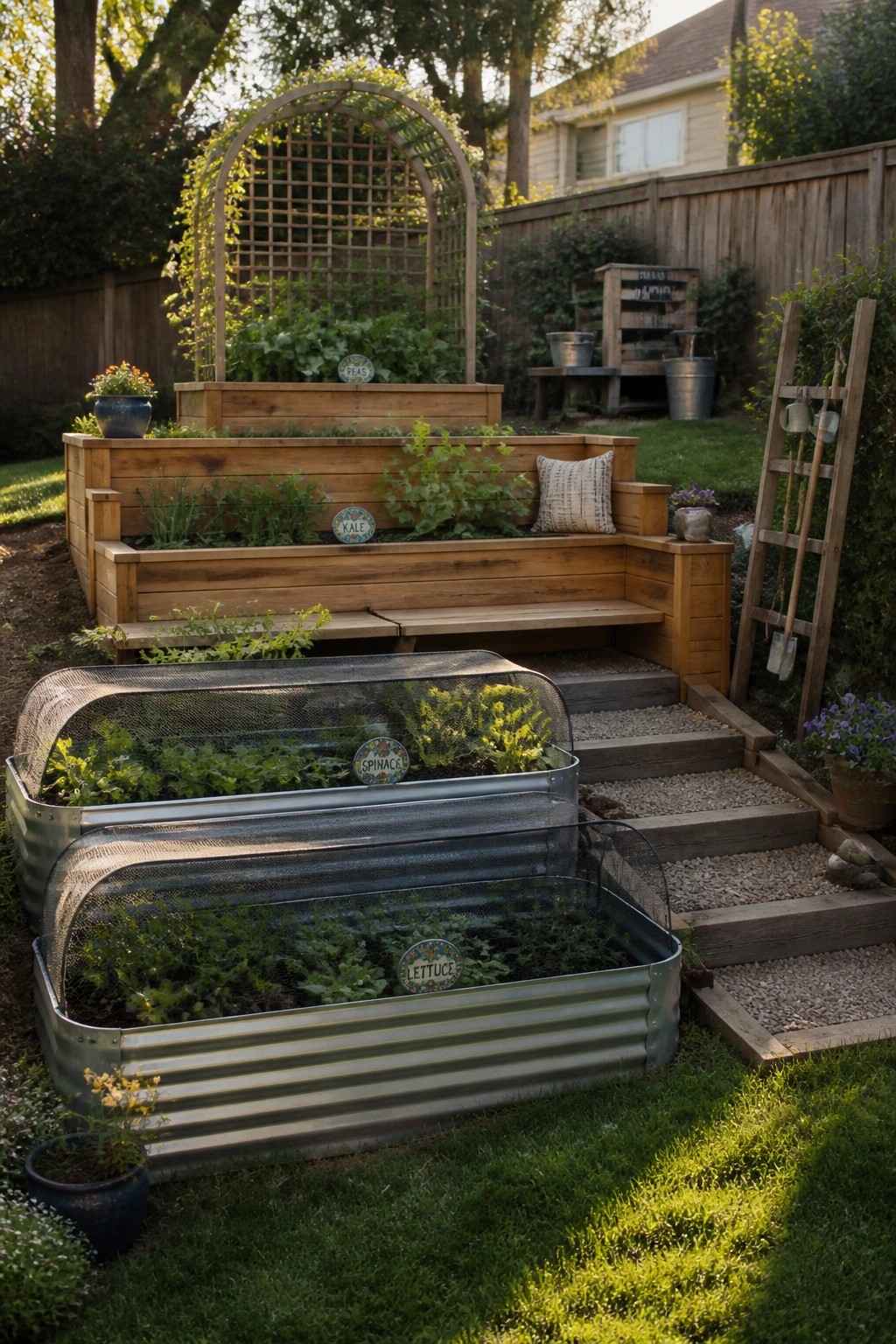
Many people add mesh covers to raised beds once the seedlings go in. The covers keep birds, insects, and small animals from damaging tender plants while still letting in light and air.
This approach works well in home gardens that see regular pest pressure. Metal or wood frames make it easy to lift the covers for watering or harvesting, and the same idea fits both small urban yards and larger suburban plots.
Covered Raised Beds Shield Young Plants From Pests
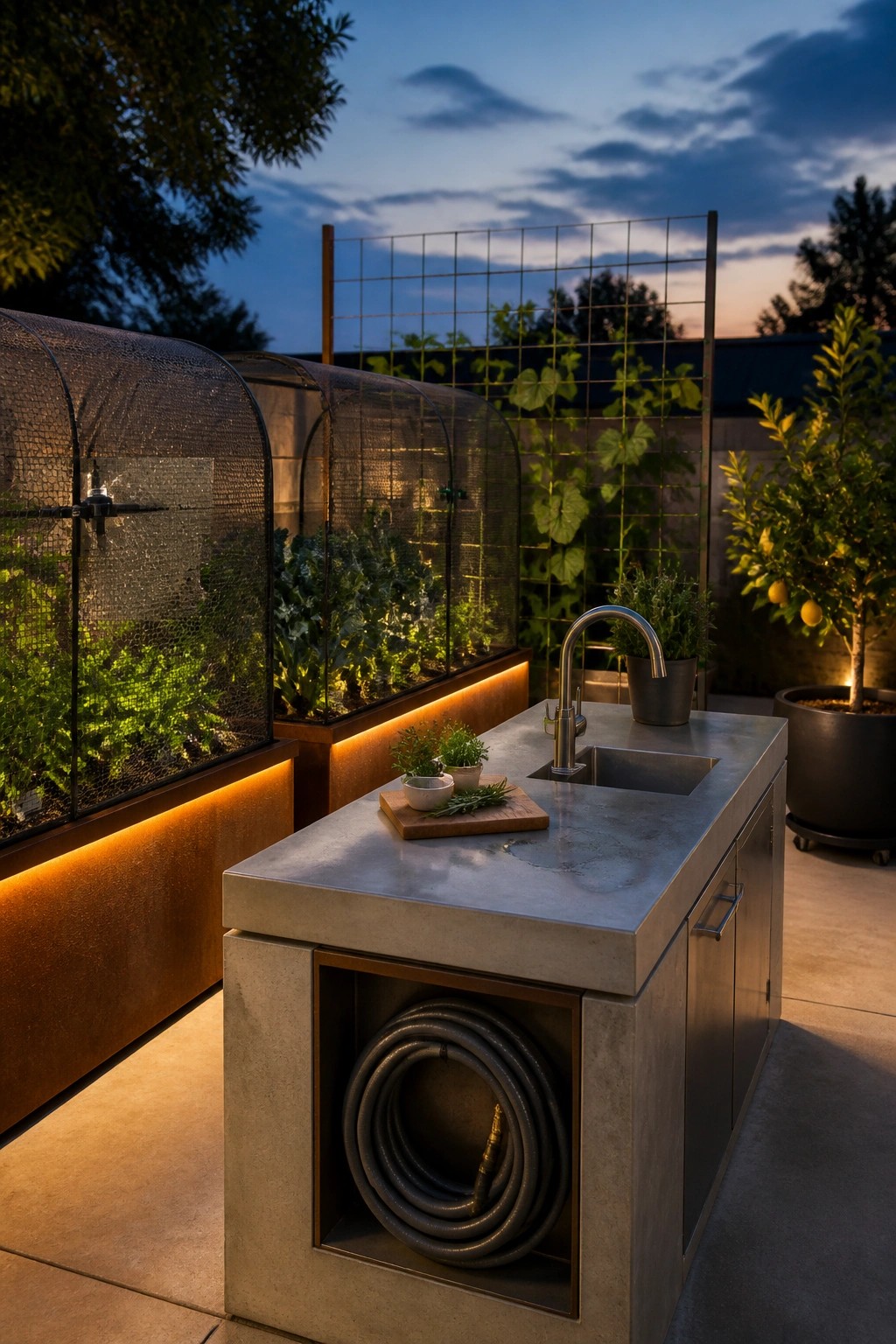
Raised beds with mesh covers give seedlings a better chance by blocking insects and small animals right from the start. The covers sit over the beds without needing extra frames, and they let light and rain through while keeping most trouble out.
This setup works best in backyards where pests show up every season. Lift the covers for weeding or harvest, and keep the beds narrow enough that you can reach everything without stepping inside.
Covered Raised Beds Keep Seedlings Safer
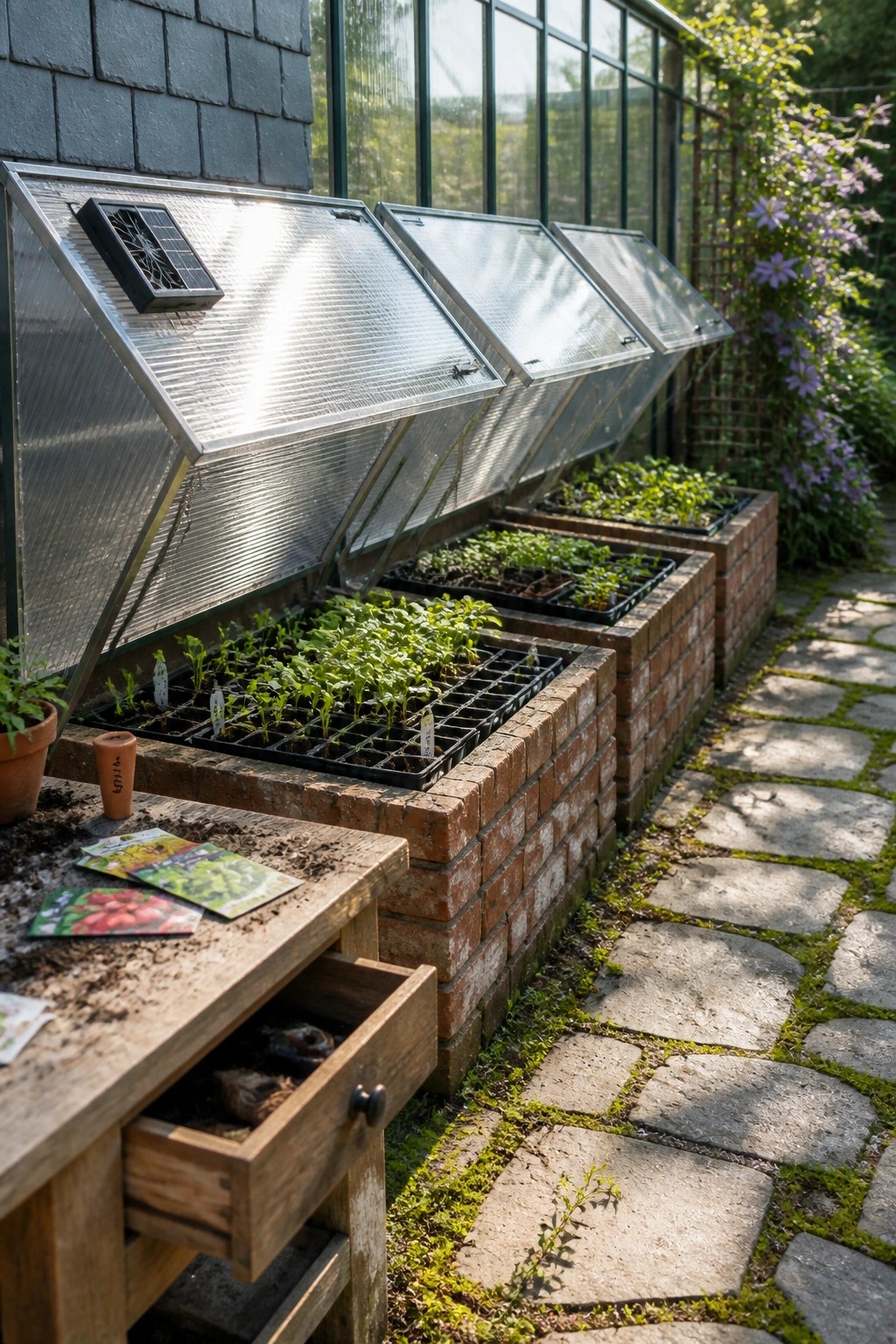
Many people add clear covers to their raised beds when starting seeds. The lids let sunlight reach the plants while blocking insects and sudden cold snaps that can damage young growth.
These frames suit cooler gardens where the season starts late. Open the lids during the day for airflow and close them again in the evening to hold in warmth.
Frequently Asked Questions
Q: How do I water seedlings without lifting the whole cover every time? A: Poke a few small holes in the top for a hose nozzle. Water early in the day so the inside stays drier and less inviting to mold.
Q: What size mesh keeps out tiny bugs like aphids but still lets air flow? A: Go with a fine weave that blocks anything smaller than a grain of rice. Check the edges weekly to make sure nothing crawled under.
Q: Can I leave the covers on during a light frost? A: Yes. The extra layer traps enough warmth overnight to protect young plants. Remove it once daytime temps climb back above freezing so they do not overheat.
