

Setting up a garden for growing requires careful planning and the right materials. Start by selecting a suitable location, preparing the soil, and choosing appropriate plants for your climate.
Essential Tools and Materials for Gardening
To create a thriving garden, having the right tools and materials is crucial. This section outlines the essential items every homeowner needs to effectively cultivate their plants, from basic gardening tools to specialized supplies. Understanding these necessities will help you establish a successful gardening environment and ensure your plants flourish.
Before beginning your gardening project, collect the necessary supplies. Having the right tools and materials on hand will streamline the setup process and ensure success.
Gardening Tools: Trowel, shovel, rake, and hoe
Soil Amendments: Compost, peat moss, and fertilizers
Seeds or Seedlings: Choose based on your climate and preferences
Watering Equipment: Hose, watering can, or drip irrigation system
Choose the Right Location for Your Garden
Selecting the ideal location for your garden is crucial for its success. Factors such as sunlight, soil quality, and accessibility can significantly impact plant growth and overall yield. This section will guide you through the essential considerations to ensure your garden thrives in its chosen spot.
Selecting an appropriate location is crucial for plant growth. Look for an area that receives at least six hours of sunlight each day. Ensure the site has good drainage to prevent waterlogging.
Sunlight: Assess how much direct sunlight the area receives.
Drainage: Test the soil by digging a hole and filling it with water. If it drains within a few hours, it’s suitable.
Proximity to Water: Ensure easy access to a water source for regular irrigation.
Soil Testing and Amendments Guide
Understanding your soil is crucial for a thriving garden. This section will guide you through the essential steps of soil testing, helping you identify nutrient deficiencies and pH levels. You’ll also learn how to effectively amend your soil to create the optimal growing environment for your plants.
Proper soil preparation enhances plant growth and health. Start by testing the soil pH and nutrient levels to determine what amendments are needed.
Soil Testing Kits: Purchase a kit to check pH and nutrient levels.
Tilling: Use a shovel or rototiller to break up compacted soil.
Amendments: Incorporate compost and fertilizers based on soil test results.
| Soil Component | Purpose | Recommended Amount |
|---|---|---|
| Compost | Improves soil structure | 2-3 inches |
| Peat Moss | Increases moisture retention | 1-2 inches |
| Fertilizer | Provides essential nutrients | Follow label instructions |
Recommended Products
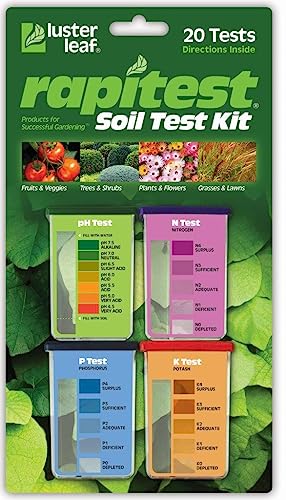
Quick, at home results for Soil pH, Nitrogen, Phosphorous and Potash Innovative and inexpensive soil test kit features an easy-to-use capsule system and patented color comparators

✅ 1Dial & 1 LCD Screen - Replace/install all 3 batteries each time. Put button to %RH/°F to - Turn On, and put to LIGHT to - Turn Off. Read the LCD results in 3-5 mins. (Not Water Moisture Meter, so, please don't test liquid)

KNOW BEFORE YOU GROW | Grow the healthiest, sustainable lawn and garden with the most accurate and easy to use professional soil test kit on the market
Choosing Ideal Plants for Your Climate
Selecting the right plants for your garden is crucial for successful growth and sustainability. Understanding your local climate, including temperature ranges and seasonal variations, will help you choose species that thrive in your environment. This section will guide you through the process of identifying ideal plants tailored to your specific climate conditions.
Choosing the right plants is essential for a thriving garden. Consider your local climate, soil type, and the amount of sunlight available.
Native Plants: Opt for plants that naturally thrive in your area.
Seasonal Choices: Select plants based on the growing season, such as cool-season or warm-season crops.
Companion Planting: Research which plants grow well together to maximize space and yield.
Watering Routine for Optimal Plant Health
Establishing a consistent watering routine is crucial for maintaining optimal plant health in your garden. This section will guide you through the essential practices and techniques to ensure your plants receive the right amount of moisture, promoting growth and resilience. By understanding your plants’ specific needs, you can create a thriving garden environment.
Establishing a consistent watering schedule is vital for plant health. Monitor soil moisture and adjust your watering routine based on weather conditions.
Frequency: Water deeply once or twice a week rather than daily.
Timing: Water early in the morning or late in the afternoon to minimize evaporation.
Irrigation Systems: Consider installing a drip irrigation system for efficiency.
Maintain Your Garden Regularly
Regular maintenance is essential for a thriving garden, ensuring that plants remain healthy and productive throughout the growing season. From watering and weeding to pruning and pest control, establishing a consistent care routine can significantly enhance your garden’s overall vitality. This section outlines key practices to help you maintain your garden effectively and sustainably.
Regular maintenance ensures your garden remains healthy and productive. Keep an eye out for pests and diseases, and address issues promptly.
Weeding: Remove weeds regularly to reduce competition for nutrients.
Pruning: Trim plants as necessary to promote healthy growth.
Fertilizing: Reapply fertilizers according to the needs of your plants.
Pest and Disease Management Strategies
Managing pests and diseases is crucial for a thriving garden. This section outlines effective strategies to protect your plants, ensuring they remain healthy and productive. By implementing these techniques, you can minimize damage and promote a flourishing garden environment.
Identifying and managing pests and diseases is crucial for a successful garden. Regular inspections will help you catch issues early.
Visual Inspections: Check the undersides of leaves and around the base of plants.
Natural Remedies: Use insecticidal soap or neem oil for pest control.
Disease Management: Remove affected plants immediately to prevent spread.
Optimal Crop Harvesting Techniques
Understanding the best techniques for harvesting your crops is essential for maximizing yield and quality. This section will provide detailed methods tailored to various types of plants, ensuring that you can efficiently gather your produce at the right time. By applying these optimal harvesting strategies, you’ll enhance both the flavor and longevity of your garden’s bounty.
Knowing when and how to harvest your crops maximizes yield and flavor. Each plant has specific signs indicating readiness for harvest.
Timing: Harvest in the morning when temperatures are cooler for optimal freshness.
Method: Use clean, sharp tools to prevent damage to plants.
Overripe fruits can attract pests and reduce overall yield.
Evaluate and Plan for Next Season
As the current growing season winds down, it’s essential to evaluate your garden’s performance and plan for the next season. This step involves assessing what worked well, identifying challenges, and making adjustments to your gardening strategy. By taking the time to reflect and plan, you can enhance your garden’s productivity and overall health for future growth.
After the growing season, assess your garden’s performance. Take notes on what worked well and what needs improvement.
Soil Health: Test soil again to prepare for the next planting.
Plant Choices: Reflect on which plants thrived and which did not.
Adjustments: Make necessary changes to your gardening strategy for future success.
