

Growing carrots in 10-gallon containers is an effective way to produce this nutritious vegetable in limited space. With the right techniques, you can achieve a bountiful harvest. This guide provides essential tips and strategies for successful carrot cultivation in containers.
Essential Supplies for Growing Carrots in Containers
Growing carrots in 10-gallon containers requires careful selection of supplies to ensure optimal conditions for root development. From choosing the right soil mix to selecting appropriate containers and tools, having the essential items on hand will set the foundation for a successful harvest. This section outlines the must-have supplies to cultivate healthy and flavorful carrots in your home garden.
Before starting your container garden, gather the necessary supplies. Proper equipment ensures that your carrots thrive in their confined environment. Here’s what you need:
10-gallon containers: Ensure they have drainage holes.
Quality potting mix: Look for a blend designed for vegetables.
Carrot seeds: Choose varieties suited for container growth.
Watering can or hose: For consistent moisture.
Fertilizer: Use a balanced, slow-release option.
| Supply Item | Purpose |
|---|---|
| 10-gallon containers | Provide ample space for root growth |
| Potting mix | Ensures good drainage and nutrient availability |
| Carrot seeds | Determines the variety and yield |
| Watering can | Facilitates easy watering |
| Fertilizer | Supports healthy growth |
Recommended Products

10-Gallon Large Capacity: Designed for big plants like tomatoes, shrubs, and small trees, offering plenty of space for deep root growth; suitable for both indoor and outdoor gardening(This pot has a capacity of 10 gallons of packed loose soil or 7.6 gallons of liquid)
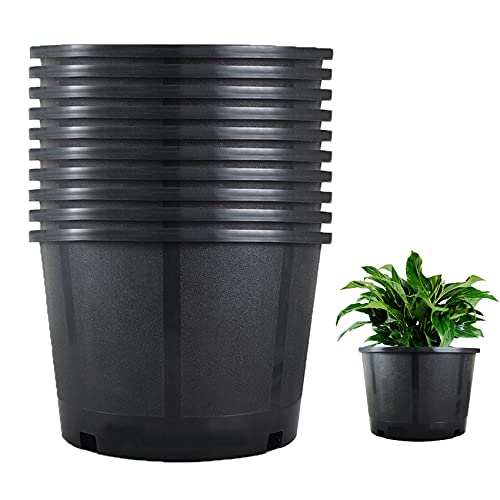
Strong and Robust - These flower pots are made of robust HDPE plastic, light weight, tough and not easy to break, can be used for a long time

Premium Construction: It’s made of thickened nonwoven fabric and has reinforced sturdy handle straps for easier, secure lifting and moving; Built with a flat base, you can easily fill this plant pot by yourself
Container Preparation for Successful Carrot Growth
Preparing the right container is crucial for growing healthy carrots in a limited space. A 10-gallon container offers ample room for root development, but proper preparation is essential to ensure optimal drainage and soil conditions. This section will guide you through the steps to create the ideal environment for your carrot plants to thrive.
Prepare your containers and soil before planting. Proper preparation enhances growth and reduces pest issues. Follow these steps:
Select a location: Choose a spot with full sun exposure for at least six hours daily.
Fill containers: Use the quality potting mix, leaving about an inch of space at the top.
Moisten soil: Water the mix until it is damp but not soggy.
Ensure you wear gloves when handling soil and fertilizers to avoid skin irritation.
Optimal Techniques for Planting Carrots
Planting carrots in a 10-gallon container requires careful attention to technique to ensure healthy growth and a bountiful harvest. Understanding the optimal methods for sowing seeds, managing soil conditions, and providing adequate space will set the foundation for thriving carrot plants. This section outlines essential practices to maximize your container gardening success with carrots.
Planting carrots correctly is crucial for successful growth. Follow these steps for optimal results:
Sow seeds: Plant seeds about 1/4 inch deep and 1 inch apart.
Cover seeds: Gently cover with soil and pat down lightly.
Water gently: Use a fine spray to avoid displacing seeds.
Monitor the soil moisture closely. Carrots need consistent moisture but avoid waterlogging.
Recommended Products

2-in-1 Spray Head:Easily switch between two watering modes by removing the spray head. Stream mode delivers water precisely to the roots without wetting the leaves. Spray mode provides a gentle mist that evenly covers the foliage without splashing. Ideal for succulents, bonsai, herbs, seed starting trays, and all types of house plants
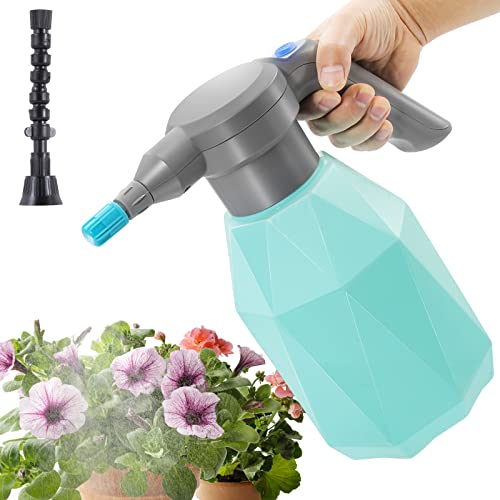
【One-button Operation】The electric mister is designed for free fingers from continuous pressing and spraying, the garden sprayer will start watering with one quick press and stop with one press as well. You can easily finish your work with the help of this electric water sprayer and get rid of tiring your hands and wrist.

Precision Watering: Specially designed nozzles deliver controlled water flow, ideal for delicate seedlings and small plants
Essential Practices for Carrot Container Care
Growing carrots in 10-gallon containers requires specific practices to ensure healthy, robust plants. By focusing on soil quality, watering techniques, and proper sunlight exposure, you can maximize your yield and enjoy a successful harvest. This section outlines the essential care strategies that will help your container-grown carrots thrive.
Regular maintenance is essential for a thriving carrot crop. Implement these practices:
Thin seedlings: Once seedlings are about 2 inches tall, thin them to 2-3 inches apart to prevent overcrowding.
Fertilize: Apply a balanced fertilizer every 4-6 weeks to support growth.
Water regularly: Ensure the soil remains consistently moist, especially during dry spells.
Inspect for pests and diseases regularly. Early detection can save your crop.
Recommended Products

Accurate Soil Moisture Detection: The XLUX Soil Moisture Meter can tell you if the soil deep inside your pot or garden is dry, moist or wet; whereas your eyes and fingers can only determine the moisture level of the soil surface. The probe is 5.5 inches (14 cm) longer than regular styles, allowing it to measure the soil moisture at the bottom of larger and deeper flower pots.

【4 in 1 function】This is a 4-in-1 multifunctional soil tester.Our soil tester fastly to measure soil moisture, pH, temperature and sunlight to help you take better care of flowers and plants.You can know when you need to water your soil by measuring moisture and pH & Temperature value of the soil and sunlight level of plants with it.
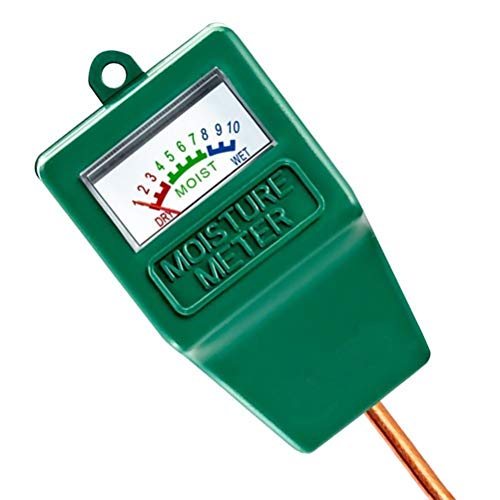
Soil Moisture Meter: This single probe soil moisture meter is specially designed for testing the moisture level in the soil, helps you decide whether the plants need water or not, helps to keep plants alive.
Carrot Harvesting Tips for Container Success
Harvesting carrots grown in 10-gallon containers requires careful timing and technique to ensure optimal flavor and texture. Understanding the signs of maturity and employing the right tools can make a significant difference in your yield. This section outlines essential tips for successfully harvesting your container-grown carrots.
Knowing when and how to harvest carrots is vital for the best flavor and texture. Follow these guidelines:
Check size: Carrots are ready when they reach about 1/2 to 1 inch in diameter.
Loosen soil: Use a hand trowel to gently loosen the soil around the carrots.
Pull carefully: Grasp the tops and pull gently to avoid breaking.
Harvest in the morning for the best flavor. Store harvested carrots in a cool, dark place.
Carrot Container Growth Challenges and Solutions
Growing carrots in 10-gallon containers presents unique challenges that can hinder their development. From soil depth to moisture retention, understanding these obstacles is crucial for successful cultivation. This section will explore common issues faced by container gardeners and provide effective solutions to ensure a bountiful carrot harvest.
Growing carrots in containers can present challenges. Here are common problems and solutions:
Poor germination: Ensure seeds are fresh and soil temperature is adequate (65-75°F).
Stunted growth: Check for overcrowding and ensure proper watering.
Pests: Use organic pest control methods like neem oil or insecticidal soap.
Keep a close eye on your plants to address issues promptly.
Container Carrot Cultivation Success Strategies
Growing carrots in 10-gallon containers can yield impressive results when you implement effective strategies. This section will explore essential techniques to ensure your container garden thrives, from selecting the right soil to optimizing watering practices. With these pro secrets, you’ll be well on your way to harvesting a bountiful crop of delicious carrots.
Growing carrots in 10-gallon containers can yield a satisfying harvest.
Choose the right varieties for containers.
Maintain consistent moisture and sunlight.
Regularly check for pests and diseases.
Following these guidelines will help you enjoy a successful carrot-growing experience.
