

Growing lettuce in hot weather can be challenging due to bolting and poor leaf quality. To ensure a successful harvest, avoid common mistakes like planting too late and neglecting soil moisture.
Essential Tools for Hot Weather Lettuce Gardening
Growing lettuce in hot weather presents unique challenges, but having the right tools can make all the difference. From specialized soil amendments to effective irrigation systems, the right equipment helps ensure your lettuce thrives even in high temperatures. Understanding these essential tools will set you up for success in your hot weather gardening endeavors.
Before starting your lettuce garden, gather the necessary supplies. Proper tools and materials can significantly impact your success. Here’s what you need:
Quality Seeds: Choose heat-tolerant varieties like Butterhead or Romaine.
Soil: Use well-draining, nutrient-rich potting mix.
Mulch: Organic mulch helps retain moisture and regulate soil temperature.
Watering Can or Hose: Ensure efficient watering to maintain soil moisture.
Recommended Products
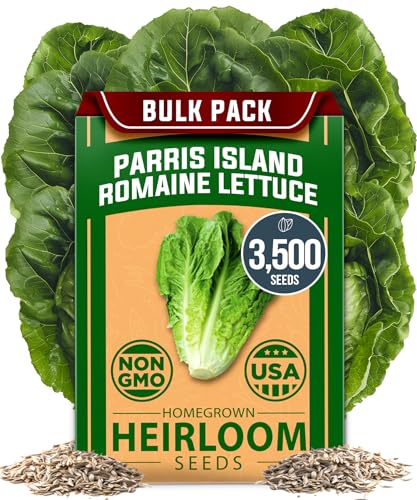
HIGH GERMINATION RATE FOR RELIABLE GROWTH - Our Parris Island Romaine Lettuce Seeds boast an impressive germination rate. High quality and rapid sprouting heirloom lettuce seeds ensuring a bountiful harvest for your vegetable garden.

Classic Romaine Variety Parris Island Romaine produces tall, upright heads with dark green outer leaves and a firm, pale center commonly used for fresh salads and wraps.

PERFECT FOR ALL GARDENERS – Beginner-friendly and a favorite among experienced growers; ideal for backyard gardens, raised beds, hydroponics, and even indoor containers.
Optimal Garden Bed Setup for Hot Lettuce
Creating the right garden bed setup is crucial for growing lettuce in hot weather. Proper preparation can help mitigate heat stress and ensure healthy growth. This section outlines the best practices for optimizing your garden bed to support lettuce cultivation during warmer months.
Preparing your garden bed properly is crucial for growing lettuce in hot weather. Start by selecting a location that receives partial shade during the hottest parts of the day. This helps prevent the plants from bolting prematurely.
Clear the Area: Remove weeds and debris.
Test Soil pH: Aim for a pH between 6.0 and 6.8 for optimal growth.
Amend Soil: Mix in compost to enhance nutrient content.
Optimal Techniques for Planting Lettuce
Successfully growing lettuce in hot weather requires careful planning and execution. Understanding the optimal techniques for planting can make a significant difference in your crop’s resilience and yield. This section will explore effective strategies to ensure your lettuce thrives even in challenging temperatures.
Timing and technique are vital when planting lettuce. Follow these steps for optimal results:
Soak Seeds: Soak seeds in water for a few hours before planting to enhance germination.
Plant Seeds: Space seeds about 12 inches apart in rows.
Cover Seeds: Lightly cover with soil and water gently.
Apply Mulch: Add a layer of mulch to retain moisture.
| Step | Action | Timing |
|---|---|---|
| 1 | Soak Seeds | 2-3 hours before planting |
| 2 | Plant Seeds | Early morning or late afternoon |
| 3 | Water Gently | Daily until established |
| 4 | Apply Mulch | After planting |
Optimal Soil Moisture for Hot Lettuce Growth
Maintaining optimal soil moisture is crucial for successfully growing lettuce in hot weather. In high temperatures, the risk of drought stress increases, which can lead to bitter leaves and bolting. Understanding how to manage soil moisture effectively will help ensure a healthy and productive lettuce crop during the warmer months.
Maintaining proper soil moisture is critical for lettuce in hot weather. Dry soil can lead to stress and bolting.
Check Moisture Daily: Use your finger to test the top inch of soil.
Water Deeply: Aim for 1-2 inches of water per week.
Use Drip Irrigation: Consider installing a system for consistent moisture.
Identify Common Mistakes to Avoid
Growing lettuce in hot weather can be challenging, and many gardeners unknowingly make mistakes that hinder their success. By recognizing these common pitfalls, you can ensure your lettuce thrives even in higher temperatures. This section highlights key errors to avoid for a healthy and productive crop.
Understanding common pitfalls can save your lettuce crop. Here are mistakes to avoid:
Planting Too Late: Late planting can expose lettuce to extreme heat.
Ignoring Temperature Fluctuations: Sudden temperature changes can shock plants.
Neglecting Pest Control: Keep an eye out for aphids and slugs that can damage plants.
Shade Cloth Benefits for Lettuce Growth
Growing lettuce in hot weather can be challenging, but using shade cloth can significantly improve your success. This section explores the benefits of shade cloth, highlighting how it protects lettuce from excessive heat and sun exposure, ultimately promoting healthier growth and better yields. Understanding these advantages will help you make informed choices for your summer garden.
Using shade cloth can help mitigate heat stress on your lettuce. This simple addition can extend your growing season.
Select Appropriate Shade Cloth: Choose a cloth that blocks 30-50% of sunlight.
Install Properly: Position it above the plants to provide adequate coverage.
Monitor Temperature: Adjust as needed based on daily weather conditions.
Balanced Fertilization for Healthy Lettuce Growth
Balanced fertilization is crucial for promoting healthy lettuce growth, especially in hot weather conditions. Understanding the right nutrients and their proper application can help prevent stress on the plants, ensuring they thrive even in challenging temperatures. This section will outline key practices to achieve optimal fertilization for your lettuce crop.
Proper fertilization plays a key role in the growth of lettuce. Use a balanced fertilizer to promote healthy leaf development.
Choose a Balanced Fertilizer: Look for a 10-10-10 or similar ratio.
Apply Sparingly: Over-fertilizing can lead to excessive leaf growth and poor flavor.
Follow Manufacturer Instructions: Adhere to recommended application rates.
Common Mistakes in Hot Weather Lettuce Growth
Growing lettuce in hot weather presents unique challenges that can lead to common mistakes. Understanding these pitfalls is essential for gardeners aiming to cultivate healthy, crisp leaves despite rising temperatures. By recognizing and avoiding these errors, you can enhance your chances of a successful lettuce harvest even in the heat of summer.
Growing lettuce in hot weather requires careful planning and execution. Pay attention to soil moisture, timing, and protection methods to ensure a successful harvest. Avoiding common mistakes will enhance your chances of producing crisp, flavorful leaves.
