

Tomatoes typically take 5 to 10 days to germinate from seeds, depending on the variety and environmental conditions. After germination, it usually takes about 60 to 90 days for the plants to produce ripe fruit.
Tomato Growth Timeline from Seed to Harvest
Understanding the timeline for tomato growth from seed to harvest is essential for gardeners eager to enjoy their homegrown produce. This section outlines the key stages of development, from germination to maturity, providing a clear picture of what to expect throughout the growing season. With this knowledge, you can better plan your gardening activities and ensure a fruitful yield.
Tomatoes undergo several growth stages from seed to harvest. Each stage requires specific care and environmental conditions. Knowing these stages helps in planning the planting and harvesting schedule effectively.
Recommended Products

Reliable Results: The VIVOSUN professional heat mat maintains optimal temperatures around 68-86℉ (20-30℃), perfect for Seedling start and cutting propagation; Made from durable PVC material, it's designed to last

Consistent & Even Heat - Ruyyi plant heating mat provides stable, uniform temperatures that ensures the root area of seedlings remains between 70℉ and 85℉ to ensure growth and increased germination,also ideal for seed starting and cuttings
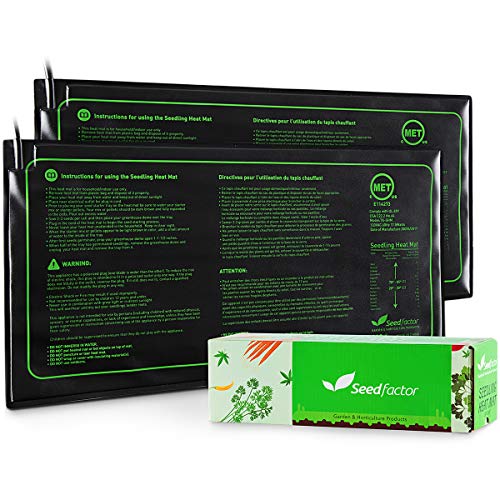
MET safety certified;Comply with UL 499;CSA C22.2 No.64
Tomato Seed Germination Timeline
Understanding the timeline for tomato seed germination is crucial for successful gardening. This section outlines the key stages of growth, from seed planting to sprouting, providing insights into the average duration for each phase. Knowing these timelines can help gardeners plan their planting schedules effectively.
Germination is the first crucial step in growing tomatoes. This process begins when seeds absorb moisture and swell, leading to the emergence of the seedling. Factors affecting germination include:
Temperature: Ideal range is 70-85°F.
Moisture: Keep the soil consistently moist but not waterlogged.
Light: Seeds do not require light until they sprout.
| Factor | Ideal Condition |
|---|---|
| Temperature | 70-85°F |
| Moisture | Consistently moist |
| Light | Not required during germination |
Seedling Growth Duration for Tomatoes
Understanding the duration of seedling growth is crucial for successful tomato cultivation. This section explores the typical timeline for tomato seeds to sprout and develop into healthy seedlings, providing insights into the factors that can influence their growth rate. By grasping these timelines, gardeners can better plan their planting and care strategies.
After germination, seedlings develop rapidly. This stage lasts about 4 to 6 weeks.
During this period, seedlings require specific care to thrive. Key considerations include:
Light Exposure: Provide 12-16 hours of light daily.
Watering: Water when the top inch of soil feels dry.
Fertilization: Use a balanced fertilizer once seedlings develop true leaves.
Seedling Transplanting Timing and Techniques
Transplanting seedlings is a critical step in growing tomatoes, as it can significantly impact their development and yield. Understanding the right timing and techniques for transplanting can help ensure that your tomato plants thrive in their new environment, leading to a bountiful harvest. This section explores the optimal practices for successfully moving seedlings from their initial growing medium to the garden or larger containers.
Transplanting is a critical step that occurs after seedlings are about 6-8 inches tall and have developed several true leaves. This usually happens 4-6 weeks after germination. Important factors to consider include:
Timing: Wait until the last frost date.
Soil Preparation: Amend soil with compost for nutrients.
Spacing: Space plants 18-24 inches apart for optimal growth.
| Step | Action |
|---|---|
| Timing | Wait for last frost |
| Soil Preparation | Amend with compost |
| Spacing | 18-24 inches apart |
Tomato Growth Timeline and Factors
Understanding the timeline for tomato growth from seeds is essential for successful gardening. Several factors influence this process, including the variety of tomato, environmental conditions, and care practices. This section delves into the typical growth stages and the variables that can affect the time it takes for your tomatoes to flourish.
Once transplanted, tomato plants take about 60-90 days to produce ripe fruit. The time varies based on the tomato variety and growing conditions. Key points to monitor include:
Watering: Maintain consistent moisture for fruit development.
Sunlight: Ensure 6-8 hours of direct sunlight daily.
Pest Management: Monitor for pests and diseases regularly.
Tomato Varieties and Growth Duration
Different tomato varieties have distinct growth durations, influencing how quickly they can be harvested after planting. Understanding the specific timelines for each type can help gardeners plan effectively and maximize their yields. This section explores various tomato varieties and their respective growth periods, providing insights for both novice and experienced gardeners.
Different tomato varieties have varying growth times. Understanding these differences can help in selecting the right type for your garden. Here are some common varieties:
| Variety | Days to Maturity |
|---|---|
| Roma | 75 days |
| Beefsteak | 80-90 days |
| Cherry | 60-70 days |
| Heirloom | 70-90 days |
Tomato Growth Influenced by Environment
The growth of tomatoes from seeds is significantly influenced by various environmental factors. Understanding how elements like temperature, sunlight, and soil quality affect the growth process can help gardeners optimize their cultivation methods. This section delves into the key environmental conditions that play a crucial role in the successful development of tomato plants.
Several environmental factors influence tomato growth. Understanding these can help optimize conditions for better yields. Key factors include:
Soil Quality: Well-draining, nutrient-rich soil is essential.
Temperature Fluctuations: Extreme heat or cold can hinder growth.
Humidity Levels: High humidity can lead to diseases.
Monitor environmental conditions closely to prevent stress on plants.
Best Practices for Growing Tomatoes from Seeds
Growing tomatoes from seeds can be a rewarding endeavor, but it requires attention to detail and proper techniques. Understanding the best practices not only enhances germination rates but also ensures healthy plants that yield abundant fruit. This section outlines essential tips for successfully nurturing tomato seeds into thriving plants.
To ensure a successful tomato growing season, follow these best practices:
Rotate Crops: Avoid planting tomatoes in the same spot each year to reduce disease risk.
Mulch: Use mulch to retain moisture and suppress weeds.
Prune: Regularly prune suckers for better air circulation and fruit production.
Neglecting these practices can lead to lower yields and increased disease susceptibility.
