

Growing Thai basil is straightforward, requiring minimal effort and attention. This aromatic herb thrives in warm climates, making it an ideal choice for home gardeners. Following the right steps will ensure a bountiful harvest.
Essential Tools for Thai Basil Gardening
Growing Thai basil successfully requires the right tools to ensure a thriving garden. From soil preparation to watering techniques, having the essential equipment at hand can make all the difference. This section outlines the must-have tools that will set you on the path to cultivating vibrant and flavorful Thai basil.
Before starting your Thai basil garden, gather the necessary tools and supplies. Having everything ready will streamline the planting process and increase your chances of success.
Recommended Products

AUTHENTIC THAI BASIL FLAVOR - Sweet Thai basil delivers a bold anise and licorice aroma and spicy flavor from large green leaves on dark purple stems; ideal for Thai, Vietnamese, and Southeast Asian cooking, stir fries, curries, and fresh garnishes

THERE IS SIMPLY NO SUBSTITUTE: Thai Basil is the "Royal Herb" of exotic and Mediterranean cuisines. Known for its award-winning aroma and beautiful appearance, this versatile plant offers an authentic, complex flavor that is far more exciting and bold than standard basil.

Thai Basil Plant Indoor Kit Includes: One net pot(with wick), one preseeded grow plug and one mason jar. Plant food is not included in this kit due to regulations. Recommend liquid plant food for vegetables available on Amazon.
Essential Seeds and Growing Supplies
To successfully grow Thai basil, it’s crucial to start with the right seeds and supplies. This section outlines the essential items you’ll need, from high-quality seeds to the proper soil and tools, ensuring you have everything necessary for a thriving herb garden. With the right foundation, you’ll be well on your way to enjoying fresh Thai basil at home.
Seeds or young plants
Seedling trays or pots
Potting soil
Watering can
Fertilizer
Garden trowel
Mulch
| Item | Purpose |
|---|---|
| Seeds | To grow new plants |
| Pots | To contain the plants |
| Soil | To provide nutrients |
| Watering can | To hydrate plants |
| Fertilizer | To boost growth |
| Trowel | To assist with planting |
| Mulch | To retain moisture |
Optimal Location for Thai Basil Growth
Choosing the right location is crucial for cultivating healthy Thai basil. This aromatic herb thrives in specific conditions that enhance its growth and flavor. Understanding these optimal settings will set the foundation for a successful gardening experience, ensuring your Thai basil flourishes.
Selecting the right location is crucial for Thai basil growth. This herb prefers full sun and well-draining soil. Preparing the area properly will enhance plant health and yield.
Site Selection for Thai Basil Growth
Choosing the right site for growing Thai basil is crucial for a successful harvest. This aromatic herb thrives in specific conditions that enhance its flavor and growth potential. Understanding the ideal environment will set the foundation for a thriving Thai basil garden.
Choose a sunny spot with at least 6-8 hours of direct sunlight daily.
Clear debris and weeds from the area to prevent competition for nutrients.
Test the soil pH to ensure it falls between 6.0 and 7.0.
Amend the soil with organic matter if necessary to improve drainage and fertility.
Thai Basil Planting Techniques for Success
Growing Thai basil can be a rewarding endeavor, especially with the right planting techniques. Understanding the optimal conditions for this aromatic herb will set the foundation for a thriving garden. This section will guide you through essential methods to ensure your Thai basil flourishes from the moment it’s planted.
Planting Thai basil correctly will set the foundation for healthy growth. Timing and technique are essential for optimal results.
Seed Sowing and Planting Techniques
Successfully growing Thai basil begins with understanding the right seed sowing and planting techniques. This section will guide you through the essential steps, ensuring optimal germination and healthy growth. With the right approach, you can cultivate this aromatic herb in your garden or indoors, enhancing your culinary creations.
Sow seeds indoors 6-8 weeks before the last frost or plant young plants outdoors after the danger of frost has passed.
Space seeds or plants about 12 inches apart in rows.
Cover seeds lightly with soil and water gently to avoid displacement.
Apply mulch around the plants to retain moisture and suppress weeds.
Optimal Watering and Fertilization Techniques
To successfully cultivate Thai basil, understanding optimal watering and fertilization techniques is essential. This aromatic herb thrives in well-drained soil and requires a balanced approach to moisture and nutrients. By following these guidelines, you can ensure robust growth and a bountiful harvest of flavorful leaves.
Watering and fertilization are critical to the health of Thai basil. Too much or too little can hinder growth and flavor.
Recommended Products

Accurate Soil Moisture Detection: The XLUX Soil Moisture Meter can tell you if the soil deep inside your pot or garden is dry, moist or wet; whereas your eyes and fingers can only determine the moisture level of the soil surface. The probe is 5.5 inches (14 cm) longer than regular styles, allowing it to measure the soil moisture at the bottom of larger and deeper flower pots.

【4 in 1 function】This is a 4-in-1 multifunctional soil tester.Our soil tester fastly to measure soil moisture, pH, temperature and sunlight to help you take better care of flowers and plants.You can know when you need to water your soil by measuring moisture and pH & Temperature value of the soil and sunlight level of plants with it.
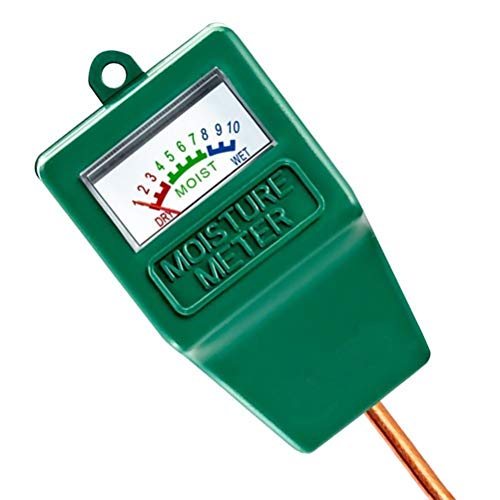
Soil Moisture Meter: This single probe soil moisture meter is specially designed for testing the moisture level in the soil, helps you decide whether the plants need water or not, helps to keep plants alive.
Thai Basil Watering Techniques
Proper watering techniques are essential for cultivating healthy Thai basil plants. Understanding their specific moisture needs can significantly impact growth and flavor, ensuring that your plants thrive in both indoor and outdoor settings. This section will guide you through effective watering practices tailored to the unique requirements of Thai basil.
Water deeply once a week, allowing the soil to dry slightly between waterings.
Avoid overhead watering to prevent fungal diseases.
Adjust frequency during hot weather, ensuring the soil remains moist but not soggy.
Balanced Fertilizer Application for Thai Basil
To cultivate vibrant Thai basil, understanding the role of balanced fertilizer application is essential. This section delves into the specific nutrients your plants need, how to properly apply them, and the timing for optimal growth. By following these guidelines, you can ensure your Thai basil thrives and produces flavorful leaves.
Use a balanced fertilizer every 4-6 weeks during the growing season.
Follow package instructions for application rates to avoid over-fertilization.
Consider organic options like compost or fish emulsion for a natural boost.
Pest and Disease Management for Thai Basil
Managing pests and diseases is crucial for cultivating healthy Thai basil. This section outlines effective strategies to identify common threats and implement preventive measures, ensuring your plants thrive. By understanding the potential challenges, you can enjoy a bountiful harvest of this aromatic herb.
Keeping Thai basil healthy involves monitoring for pests and diseases. Early detection and intervention are key to maintaining plant vigor.
Recommended Products

Gentle Botanical Blend for Plant Care : Crafted with neem oil and peppermint oil, this plant-based formula is designed for routine plant care and leaf maintenance on indoor and outdoor plants.

HANDMADE, COLD PROCESSED SOAPS: Made of butters & cold pressed oils - no use of hot process

SOOTHING NEEM OIL SOAP BAR - This handcrafted bar is concentrated with 20% organic neem oil. It has no fragrance added and is handmade with only the finest quality organic oils
Thai Basil Pest Management Techniques
Successfully growing Thai basil requires not only attention to its unique needs but also effective pest management strategies. This section outlines practical techniques to identify and combat common pests that threaten your plants, ensuring a healthy and thriving herb garden. By implementing these methods, you can protect your Thai basil and enjoy its aromatic leaves for culinary use.
Aphids: Spray with insecticidal soap or neem oil.
Spider mites: Increase humidity and use miticides if needed.
Fungal diseases: Ensure proper air circulation and avoid wetting leaves.
Crop Rotation for Thai Basil Health
Crop rotation is a vital practice for maintaining the health and vitality of Thai basil plants. By alternating the planting of Thai basil with other crops, you can prevent soil depletion, reduce pest populations, and enhance overall growth. This section outlines effective strategies for implementing crop rotation to ensure a thriving basil garden.
Rotate crops annually to prevent soil-borne diseases.
Maintain cleanliness in the garden to reduce pest habitats.
Inspect plants regularly for signs of distress or infestation.
Thai Basil Harvesting Techniques and Storage Tips
Harvesting Thai basil at the right time and using proper techniques can significantly enhance its flavor and longevity. Understanding when to pick the leaves and how to store them effectively ensures that you can enjoy this aromatic herb long after your garden yields its bounty. Here are essential tips to help you maximize your Thai basil harvest.
Knowing when and how to harvest Thai basil maximizes flavor and encourages further growth. Proper storage methods will keep your harvest fresh.
Thai Basil Harvesting Methods
Harvesting Thai basil at the right time is crucial for maximizing flavor and ensuring a healthy plant. Understanding the various methods of harvesting will help you enjoy the freshest leaves while promoting continued growth. This section outlines effective techniques to gather your Thai basil, ensuring you get the most out of your gardening efforts.
Begin harvesting when plants reach about 6-8 inches tall.
Use scissors to cut leaves or stems, leaving at least one-third of the plant intact.
Harvest regularly to promote bushier growth and prevent flowering.
Basil Storage Techniques for Freshness
Proper storage techniques are essential for maintaining the freshness and flavor of Thai basil. By following specific methods, you can extend its shelf life and ensure that this aromatic herb retains its vibrant taste for your culinary creations. This section outlines effective strategies to store Thai basil, keeping it at its best for as long as possible.
Store fresh basil in the refrigerator wrapped in a damp paper towel.
Freeze leaves in ice cube trays with water for later use.
Dry leaves by hanging them upside down in a dark, dry place for long-term storage.
Essential Care Tips for Thai Basil
Growing Thai basil requires attention to its unique needs for optimal flavor and health. Understanding the essential care tips can help you cultivate a thriving plant, whether you’re starting from seeds or nurturing established plants. This section outlines key practices to ensure your Thai basil flourishes in your garden or kitchen.
Maintaining a thriving Thai basil garden requires attention to detail and consistent care. Regular monitoring will lead to a fruitful harvest.
Monitor growth and adjust care as needed.
Experiment with companion planting to enhance flavor and deter pests.
Enjoy the process and learn from any challenges encountered.
