

Have you ever wondered if you can take that thriving hydroponic lettuce and plant it in soil? You’re not alone. Many home gardeners face this question when they want to transition their hydroponically grown greens to a more traditional growing method.
Imagine harvesting crisp, fresh lettuce from your own garden, whether it’s in a pot on your balcony or a patch in your yard. This article will guide you through the process of replanting hydroponic lettuce in soil, helping you understand the steps, benefits, and potential challenges. By the end, you’ll feel equipped to make that transition smoothly and enjoy the fruits of your labor in no time.
Key Takeaways
- Hydroponic vs. Soil Growth: Hydroponic lettuce thrives in nutrient-rich water, offering faster growth and higher yields than traditional soil gardening methods.
- Replanting Steps: To successfully transition hydroponic lettuce to soil, rinse roots, choose high-quality, well-draining soil, transplant carefully, and water thoroughly.
- Soil Quality Matters: Use nutrient-rich, organic potting soil to support healthy root development and reduce the risk of shock when moving plants to a soil environment.
- Monitor Environmental Factors: Ensure adequate sunlight, maintain temperature between 60°F and 70°F, and adjust watering practices to support the plants’ adaptation to soil.
- Challenges to Watch For: Be prepared for potential root shock, nutrient management issues, and the introduction of pests and diseases when replanting hydroponic lettuce into soil.
- Grow Your Own: Successfully replanting hydroponic lettuce can lead to a sustainable home gardening practice, allowing for fresh produce directly from your own garden.
Overview of Hydroponic Lettuce
Hydroponic lettuce grows without soil, using nutrient-rich water instead. This method allows for faster growth and higher yields compared to traditional soil gardening. Hydroponic systems come in various forms, including NFT (Nutrient Film Technique), DWC (Deep Water Culture), and Ebb and Flow systems. Each has unique advantages, but they all focus on providing the plants with essential nutrients directly through water.
Hydroponic lettuce varieties, such as Butterhead and Romaine, thrive in these systems. They enjoy controlled environments, meaning you can engage in gardening year-round, regardless of outdoor conditions. Hydroponic gardening also reduces the risk of soil-borne pests and diseases, leading to healthier plants.
When transitioning hydroponic lettuce to soil, consider the following steps:
- Choose the Right Soil: Select well-draining potting soil or a mix that retains moisture without becoming waterlogged. Look for organic options free of chemicals.
- Prepare the Plants: Before transplanting, gently rinse the roots to remove excess hydroponic solution. This avoids nutrient shock and helps the plant acclimate.
- Transplant Carefully: Create a hole in the soil large enough for the roots. Place the plant in the hole and cover the roots with soil, ensuring the base of the plant remains above the soil line.
- Water Thoroughly: After transplanting, give the plant a good soak to help it establish in its new environment.
- Monitor Growth: Keep an eye on the plants for any signs of stress or nutrient deficiency. Adjust your watering and feeding schedule as needed to promote healthy growth.
By understanding hydroponic lettuce and following these guidelines, you can successfully transition your plants from a hydroponic setup to a thriving soil garden.
Benefits of Growing Hydroponic Lettuce
Hydroponic lettuce offers numerous advantages worth exploring.
Nutritional Value
Hydroponic lettuce provides high nutritional value. It’s rich in vitamins A, C, and K, along with essential minerals like calcium and potassium. You can access fresher produce, as hydroponically grown greens often have a higher nutrient content than traditional soil-grown varieties. Eating fresh lettuce contributes to better overall health, making it a smart addition to your diet.
Environmental Benefits
Growing hydroponic lettuce promotes sustainable gardening practices. It uses up to 90% less water compared to traditional farming methods. Hydroponic systems can be set up indoors, enabling year-round growth and reducing transportation emissions. In addition, this method minimizes pesticide use, resulting in fewer harmful chemicals released into the environment. You support eco-friendly agriculture by choosing hydroponic methods, contributing to a healthier planet.
Can You Replant Hydroponic Lettuce in Soil?
Replanting hydroponic lettuce in soil is possible and often rewarding. Transitioning your hydroponic greens to a soil environment requires careful planning and execution.
Recommended Products

🌳 SUPPORT YOUR INDOOR HERB'S GROWTH - Give your indoor herb plants the ideal growing environment with this professional soil mix designed for strong root development and healthy leaf production. This premium ready-to-use potting soil enhances nutrient absorption, supports fertilizer efficiency, and promotes plant stability. Perfect for basil, mint, rosemary, thyme, and other kitchen herbs, helping your plants grow fresh, flavorful, and ready for harvest.
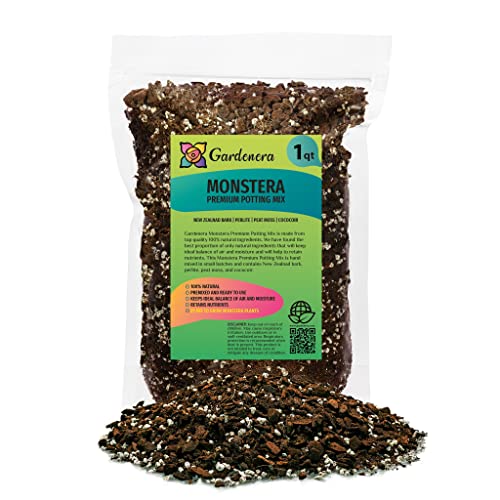
🌳 PREVENTS BROWN SPOTS, ROOT ROT, AND DROPPING LEAVES Created to provide well-draining soil using organic aged bark, coco coir, and perlite to maintain an optimal balance of water and air for your monsteras. ⭐ INGRIDIENTS: Peat moss, perlite, coco coir, biochar, worm castings, bark.

🍅【Nutrient-rich formula】Our potting soil is specially formulated to provide a balanced blend of essential nutrients that vegetables need for healthy growth and development. It supports robust plant growth, vibrant foliage, and abundant yields.
Understanding Soil Transition
Transitioning hydroponic lettuce to soil involves a few critical steps. Start with choosing high-quality, well-draining potting soil that can support healthy root development. Soil with organic matter, such as peat moss or compost, enhances nutrient availability. Rinse the lettuce roots gently under water to remove nutrient solution residue before transplanting. This step minimizes root shock and ensures better adaptation to the new environment. When ready to replant, carefully place the lettuce in the soil, ensuring roots are well-covered while keeping the crown above the surface.
Factors to Consider
When replanted in soil, several factors affect the success of hydroponic lettuce.
- Soil Quality: Use nutrient-rich soil for optimal growth.
- Container Size: Choose containers that provide enough space for root expansion.
- Watering: Water thoroughly after transplanting but avoid overwatering. Maintain moisture without saturating the soil.
- Light Conditions: Ensure the plants receive adequate sunlight or use grow lights if necessary.
- Temperature: Maintain a stable temperature, ideally between 60°F to 70°F (15°C to 21°C) for lettuce.
- Nutrients: Consider additional fertilization as the lettuce adapts to soil nutrient availability.
By understanding these elements, you create a robust environment for your hydroponic lettuce to thrive post-transition.
Step-by-Step Guide to Replanting
Replanting hydroponic lettuce in soil requires careful planning and execution. Follow these steps for the best results.
Recommended Products
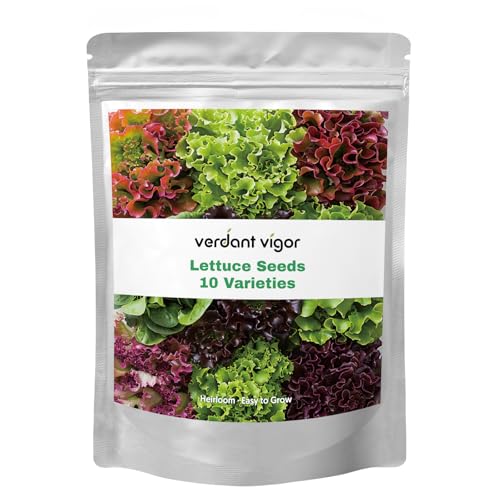
Healthy Food Source: Because of its tender flavor, lettuce is a popular vegetable for salad, sandwiches, wraps, soups, stir-fries and juice. There are over 20,000 seeds, 10 kinds of lettuce collection, including bibb, boston, iceberg, buttercrunch, grand rapids TBR, oakleaf, ruby leaf, cimmaron romaine and waldmann's

PATENTED SMART HYDROPONIC SYSTEM: Take your indoor gardening to the next level with our patented smart hydroponic system, featuring the exclusive LetPot app. With just a few taps on your phone, you can effortlessly adjust the 0-24 hours LED lighting schedule to provide your plants with the perfect amount of light and precies on/off time. Our innovative reminder system also ensures you never forget to water your plants again, making growing healthy and vibrant plants easier than ever before.

High Germination Rate: Enjoy a plentiful harvest with our Romaine Lettuce seed pod featuring excellent germination. Fresh, reliable seeds sourced from USA ensure quick sprouting and healthy growth.
Preparing the Lettuce
- Rinse the Roots: Gently rinse the lettuce roots under lukewarm water. This helps remove leftover nutrients and prevents shock.
- Inspect for Damage: Check the roots for any brown or damaged sections. Trim these parts with sterile scissors to encourage healthy growth.
- Acclimate Before Planting: Allow the lettuce to sit in a shaded area for a few hours. This acclimatizes the plant to its new environment.
Choosing the Right Soil
- Select Quality Potting Soil: Look for well-draining potting soil that includes organic matter. A mix containing peat moss or coconut coir works well.
- Check pH Levels: Ensure the soil’s pH level ranges from 6.0 to 7.0. This range supports nutrient uptake without causing deficiencies.
- Consider Soil Amendments: You may add perlite or vermiculite for improved drainage. These amendments promote root health and prevent waterlogging.
- Choose the Right Container: Select a pot with drainage holes. A size of 6-12 inches in diameter works well for initial growth.
- Prepare the Pot: Fill the container halfway with the chosen soil. Create a small hole in the center for planting.
- Place the Lettuce: Position the lettuce roots in the hole, ensuring the crown is just above the soil level. Cover the roots with soil and lightly press down.
- Water Thoroughly: After planting, water the lettuce until moisture drains from the bottom. This helps settle the soil and eliminates air pockets.
- Monitor the Environment: Keep the pot in a well-lit area, avoiding direct sunlight for the first few days. Gradually increase exposure as the plant adjusts.
By following these detailed steps, you can successfully replant hydroponic lettuce in soil, fostering healthy growth and, ultimately, a bountiful harvest.
Potential Challenges
Transitioning hydroponic lettuce to soil presents several challenges. Understanding these obstacles prepares you for a smoother experience.
Recommended Products

Accurate Soil Moisture Detection: The XLUX Soil Moisture Meter can tell you if the soil deep inside your pot or garden is dry, moist or wet; whereas your eyes and fingers can only determine the moisture level of the soil surface. The probe is 5.5 inches (14 cm) longer than regular styles, allowing it to measure the soil moisture at the bottom of larger and deeper flower pots.

【4 in 1 function】This is a 4-in-1 multifunctional soil tester.Our soil tester fastly to measure soil moisture, pH, temperature and sunlight to help you take better care of flowers and plants.You can know when you need to water your soil by measuring moisture and pH & Temperature value of the soil and sunlight level of plants with it.
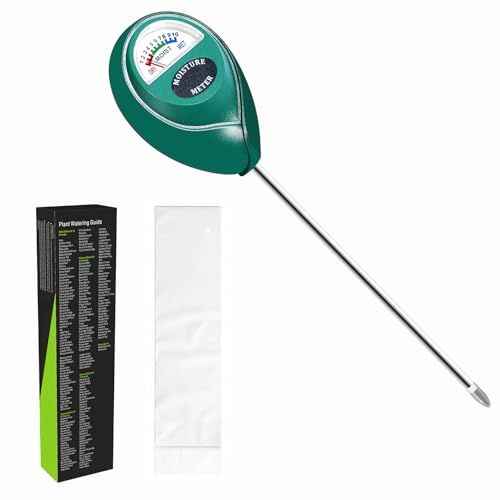
Trusted Since 2015: Become one of the many plant lovers who rely on the proven accuracy of XLUX. Established in 2015, our soil moisture meter has earned over 60,000+ verified ratings for its consistent performance. While many many newer brands come and go, we provide the long-term reliability and quality that American households have trusted for over a decade.
Root Shock
Root shock occurs when plants change growing environments. Hydroponic plants thrive in nutrient-rich water but may struggle in soil. To minimize this shock, handle the roots gently during transplanting.
Soil Quality
Choosing the right soil is crucial. Poor-quality soil can lead to inadequate drainage and nutrient deficiencies. Use potting soil that’s well-draining and includes organic matter for better nutrient retention.
Acclimation Period
Hydroponic lettuce requires time to adjust after moving to soil. During this acclimation period, the plants might show signs of wilting or slow growth. Gradually introduce them to their new environment to help ease the transition.
Watering Practices
Watering too much or too little can hinder growth. Keep the soil consistently moist but don’t overwater. Use a moisture meter to check soil conditions before watering.
Nutrient Management
Hydroponic systems provide specific nutrient mixes. When moving to soil, you must adjust the nutrient supply. Begin with a balanced fertilizer suitable for leafy greens and follow package instructions for application.
Pests and Diseases
Soil can harbor pests and diseases that don’t affect hydroponically grown plants. Inspect the soil and plants regularly for any signs of infestation or illness. Use organic pest control methods to manage issues while avoiding harmful chemicals.
Environmental Factors
Light and temperature play significant roles in plant health. Ensure the relocated lettuce receives ample sunlight. Maintain a consistent temperature between 60°F and 75°F for optimal growth.
By addressing these challenges head-on, you can cultivate thriving lettuce plants in the soil successfully.
Conclusion
Transitioning hydroponic lettuce to soil can be a rewarding experience. By following the right steps and being mindful of the challenges, you can enjoy fresh homegrown greens right from your garden.
Remember to choose quality soil and handle your plants gently to minimize stress. With a little patience and care, your hydroponic lettuce can thrive in its new environment.
So why not give it a try? You might just discover a new favorite gardening adventure that brings delicious results. Happy gardening!
Frequently Asked Questions
Can hydroponically grown lettuce be replanted in soil?
Yes, hydroponically grown lettuce can be replanted in soil. With careful steps, it can adapt to traditional gardening methods. However, it requires proper acclimation and care to ensure a successful transition.
What are the benefits of hydroponically grown lettuce?
Hydroponically grown lettuce often has higher nutritional content, including essential vitamins and minerals. It grows faster and usually has fewer pests and diseases due to the absence of soil, leading to healthier plants.
How do you prepare hydroponic lettuce for soil transplanting?
To prepare for transplanting, gently rinse the roots to remove any nutrient solution. Then, choose high-quality, well-draining potting soil, ensure proper planting depth, and water thoroughly after transferring the plant to the soil.
What challenges might I face when transitioning hydroponic lettuce to soil?
Challenges include root shock, soil quality issues, acclimation periods, and managing watering practices and nutrients. Monitoring for pests and environmental conditions is also crucial during this transition.
What type of soil is best for transplanting hydroponic lettuce?
A well-draining potting soil enriched with organic matter is ideal for transplanting hydroponic lettuce. This type of soil provides essential nutrients while ensuring good aeration and drainage for healthy root growth.
How can I ensure my transplanted lettuce thrives in soil?
To ensure thriving growth, handle the roots gently during transplanting, maintain consistent moisture levels, monitor nutrient supply, and provide adequate light and temperature conditions for optimal growth.
