

Have you ever wondered if you can plant the roots of butter lettuce? If you’ve got leftover roots sitting in your fridge, you’re not alone. Many people are curious about whether they can give those scraps a second chance in the garden.
Key Takeaways
- Planting Roots: Butter lettuce roots can be replanted after using the leaves, allowing you to utilize kitchen scraps effectively.
- Growing Conditions: Ideal temperatures for butter lettuce growth range from 60°F to 70°F, with a preference for well-draining, organic-rich soil.
- Watering Needs: Keep the soil consistently moist, avoiding both overwatering and allowing it to dry out completely for optimal growth.
- Pest Management: Common pests include aphids and slugs, which can be managed through natural remedies like neem oil and regular plant inspections.
- Culinary Versatility: Butter lettuce’s tender leaves are great for salads, sandwiches, garnishes, and even smoothies, enhancing both meals and nutritional intake.
- Harvesting Strategy: Harvest outer leaves first to promote continuous growth from the center, ensuring a steady supply of fresh butter lettuce.
Understanding Butter Lettuce
Butter lettuce, also known as butterhead, offers a mild flavor and tender texture. This leafy green variety grows in loose heads. Its leaves resemble a soft, wrinkly texture, making it popular for salads and wraps.
Nutritional Benefits
Butter lettuce provides essential nutrients. It contains vitamins A, C, K, and folate. It also offers minerals like potassium and iron. Incorporating butter lettuce into your diet supports overall health.
Growing Conditions
Optimal growth for butter lettuce occurs in cooler weather. Aim for temperatures between 60°F and 65°F (15°C and 18°C). The plant thrives in well-draining soil rich in organic matter. Ensure the soil has a pH level between 6.0 and 7.0.
Watering Needs
Maintain consistent moisture in the soil. Water deeply once a week or more frequently in hotter periods. Avoid letting the soil dry out completely, as this can hinder growth.
Common Pests and Diseases
Be aware of pests like aphids and slugs that target butter lettuce. Regularly inspect your plants and remove any affected leaves. Implementing natural remedies, such as neem oil, can help control infestations.
Reusing Butter Lettuce Roots
You can plant butter lettuce roots after using the leaves. Trim any remaining leaf material. Place the roots in water for a few days to encourage new growth. Transplant them into soil once new shoots appear.
Harvesting Tips
Harvest butter lettuce when the leaves reach a desirable size. Gently cut the outer leaves first, allowing the center to continue growing. This method ensures a continuous supply of fresh greens.
With the right knowledge and care, you can enjoy butter lettuce straight from your garden.
Benefits of Planting Butter Lettuce Roots
Planting butter lettuce roots offers multiple advantages for your garden and kitchen. This method allows you to utilize kitchen scraps while enjoying fresh produce.
Nutritional Value
Butter lettuce is high in essential vitamins and minerals. One cup of butter lettuce provides:
| Nutrient | Amount Per Cup |
|---|---|
| Vitamin A | 148% DV |
| Vitamin K | 60% DV |
| Folate | 18% DV |
| Iron | 5% DV |
These nutrients aid in eye health, blood clotting, and overall cell function. Incorporating fresh butter lettuce into your meals supports your health and nutrition goals.
Culinary Uses
Butter lettuce’s tender texture and mild flavor make it versatile in the kitchen. Here are some popular ways to use it:
- Salads: Use it as a base for mixed greens or as wraps for protein and vegetables.
- Sandwiches: Layer it in sandwiches for added crunch and freshness.
- Garnishes: Incorporate it as a garnish for soups and other dishes.
- Smoothies: Blend it into smoothies for extra nutrients without affecting taste.
Experiment with these ideas for delicious meals while enjoying the satisfaction of growing and harvesting your own butter lettuce.
Planting Butter Lettuce Roots
You can successfully plant butter lettuce roots to grow new plants. This process allows you to utilize kitchen scraps while enjoying fresh, homegrown greens.
Recommended Products

Exceptional Germination Rates - Achieve a lush garden effortlessly with our Butter Crunch Lettuce seeds, boasting high germination rate. Ideal for both beginners and experienced gardeners, ensuring a successful harvest every time.

FIVE FLAVORFUL VARIETIES FOR A COMPLETE SALAD GARDEN SOLUTION. This lettuce seed pack includes black seeded simpson, red romaine, bibb, buttercrunch, and iceberg. Perfect for salads, wraps, smoothies, and toppings with fresh, homegrown flavors year-round.
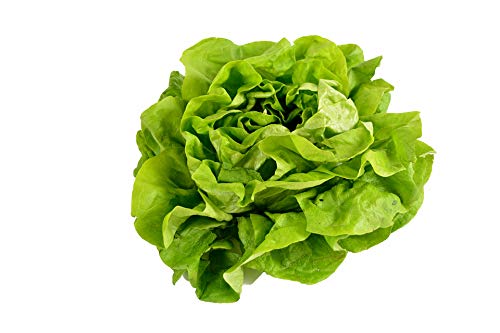
This lettuce is well known for its sweet flavor. Best if harvested in the morning.
Ideal Conditions for Growth
Butter lettuce thrives in optimal conditions. Focus on the following factors:
- Temperature: Aim for cooler conditions, typically between 60°F to 70°F (15°C to 21°C).
- Soil: Use well-draining, organic-rich soil for best results. A mix of compost and potting soil works well.
- Light: Provide partial sunlight, about 4 to 6 hours daily. Too much direct sunlight can cause wilting.
- Water: Keep soil consistently moist, but don’t let it become waterlogged.
Step-by-Step Planting Guide
Planting butter lettuce roots involves several clear steps:
- Trim the Roots: Start by cutting the root end of the lettuce, leaving an inch or two.
- Soak the Roots: Place the trimmed roots in a bowl of water for about 2 hours. This helps hydrate the root system.
- Select a Container: Choose a pot with drainage holes to prevent standing water. Fill it with the prepared soil mix.
- Transplant the Roots: Plant the soaked roots into the soil, covering them lightly. Ensure the tops are just above the surface.
- Water Thoroughly: After planting, water the soil well to settle it around the roots.
- Provide Care: Continue to water regularly, maintain partial sunlight, and monitor for pests.
By following these steps, you can enjoy a replenishable supply of butter lettuce right from your kitchen scraps.
Common Challenges and Solutions
Growing butter lettuce from roots can present certain challenges. Understanding these challenges and their solutions helps you ensure healthy and productive plants.
Pests and Diseases
Pests such as aphids, slugs, and leaf miners may attack your butter lettuce. Aphids suck sap from the leaves, leading to stunted growth. Slugs create holes in the leaves, affecting their appearance and edibility. Leaf miners damage the leaf tissue, resulting in a poor harvest.
To combat these pests, consider using natural insecticides like neem oil or insecticidal soap. Regularly inspect your plants for signs of infestation. Remove any visible pests by hand. Additionally, use mulch to deter slugs and other crawling pests. Encouraging beneficial insects, like ladybugs, aids in natural pest control.
Common diseases affecting butter lettuce include downy mildew and damping-off. Symptoms of downy mildew include yellowing leaves and fuzzy growth on the undersides. Damping-off causes seedlings to collapse and die.
To prevent these diseases, maintain good air circulation and avoid overcrowding your plants. Ensure the soil drains well; excess moisture promotes fungus growth. In case diseases appear, remove affected plants promptly to contain the issue.
Environmental Factors
Environmental conditions greatly impact the success of planting butter lettuce roots. Extreme temperatures can stress your plants. Butter lettuce thrives in cooler weather, ideally between 60°F and 70°F. Temperatures above 75°F can lead to bolting, where the plant flowers prematurely.
To mitigate temperature issues, plant butter lettuce during spring or fall. If you’re in a warmer climate, consider providing shade during hot days. Using row covers can also help maintain a stable temperature.
Soil quality is another critical factor. Well-draining, organic-rich soil promotes healthy root growth. Soil that retains too much moisture may lead to rot.
To optimize soil conditions, amend with compost or well-decomposed organic matter. This enriches the soil, provides nutrients, and improves drainage. Regularly test soil pH; a range of 6.0 to 7.0 suits butter lettuce best.
Adjusting your approach based on these environmental factors ensures your butter lettuce has the best chance of thriving.
Conclusion
Planting butter lettuce roots is a fun and rewarding way to make the most of your kitchen scraps. By following the right steps and providing the ideal conditions, you can enjoy fresh, homegrown greens right from your garden.
Don’t forget to keep an eye out for pests and diseases to ensure your plants thrive. Whether you’re adding butter lettuce to salads or using it as a garnish, you’ll appreciate the delicious flavor and nutritional benefits it brings to your meals.
So go ahead and give it a try—your taste buds and your garden will thank you!
Frequently Asked Questions
Can you plant the roots of butter lettuce?
Yes, you can plant butter lettuce roots. Trim the roots and soak them in water before transplanting them into soil to encourage new growth.
What are the benefits of butter lettuce?
Butter lettuce, or butterhead, is known for its mild flavor and tender leaves. It’s rich in essential vitamins and minerals like Vitamin A, Vitamin K, Folate, and Iron, supporting overall health.
What is the best environment for growing butter lettuce?
Butter lettuce thrives in cooler temperatures and requires well-draining, organic-rich soil. Ideal conditions also include plenty of natural light and adequate moisture.
How do you take care of growing butter lettuce?
Water butter lettuce regularly, keeping the soil moist but not soggy. Monitor for pests and diseases, and ensure good air circulation to prevent issues.
What common pests affect butter lettuce?
Common pests include aphids, slugs, and leaf miners. Implement natural pest control methods, such as using beneficial insects or organic insecticides, to protect your plants.
What diseases should I watch for when growing butter lettuce?
Watch for downy mildew and damping-off diseases. Ensure proper air circulation and drainage to minimize disease risks in your butter lettuce.
How can I harvest butter lettuce?
Harvest butter lettuce by cutting the outer leaves first, allowing inner leaves to continue growing. This method helps maintain a continuous supply of fresh greens.
Can you use butter lettuce in recipes?
Yes! Butter lettuce is versatile and can be used in salads, sandwiches, garnishes, and even smoothies, adding a refreshing crunch to your meals.
