

Have you ever wondered how deep the roots of romaine lettuce really go? If you’re growing your own lettuce or just curious about gardening, understanding root depth can make a big difference. It affects everything from watering needs to nutrient absorption.
Key Takeaways
- Romaine Lettuce Root Depth: Roots typically extend 12 to 18 inches deep in well-draining soils, crucial for nutrient and moisture access.
- Factors Influencing Growth: Root depth is affected by soil type, water availability, temperature, and nutrient levels, all of which can be managed for optimal health.
- Comparison with Other Varieties: Romaine lettuce generally has deeper roots than iceberg or leaf lettuce, making it more resilient in varying conditions.
- Ideal Growing Conditions: Well-draining sandy or loamy soils are ideal for promoting deep root growth; avoid compacted soils that hinder expansion.
- Watering Techniques: Implement deep, consistent watering strategies while monitoring soil moisture to promote robust root systems and prevent rot.
- Benefits of Deep Roots: Deep-root systems enhance nutrient uptake and increase drought resistance, contributing to healthier and more resilient romaine lettuce plants.
Understanding Romaine Lettuce Roots
Romaine lettuce roots play a crucial role in the plant’s growth and health. Knowing their depth helps you provide better care for your plants.
Importance of Root Depth
Root depth impacts nutrient absorption and water retention. Shallow roots may struggle during dry conditions, leading to poor growth. A deeper root system can better access moisture and nutrients in the soil. In well-draining soils, romaine lettuce typically has roots that extend 12 to 18 inches deep. Understanding this depth helps you determine optimal watering schedules and soil amendments.
Factors Affecting Root Depth
Several factors influence how deep romaine lettuce roots grow:
- Soil Type: Sandy soils often result in deeper roots, while compacted or clay soils may restrict root expansion.
- Water Availability: Consistent moisture encourages roots to grow deeper. Inconsistent watering can lead to a shallower root system.
- Temperature: Cooler temperatures promote more extensive roots, while excessive heat can stunt root growth.
- Nutrient Levels: Nutrient-rich soils encourage root development. Low nutrient availability can lead to underdeveloped roots.
By recognizing these factors, you can adjust your planting practices for optimal root growth.
Average Depth of Romaine Lettuce Roots
Romaine lettuce typically develops roots that range from 12 to 18 inches deep in well-draining soils. This depth allows the plant to access moisture and nutrients effectively, supporting its overall growth and health.
Recommended Products

Romaine lettuce is low in carbohydrates, sugar, and fiber
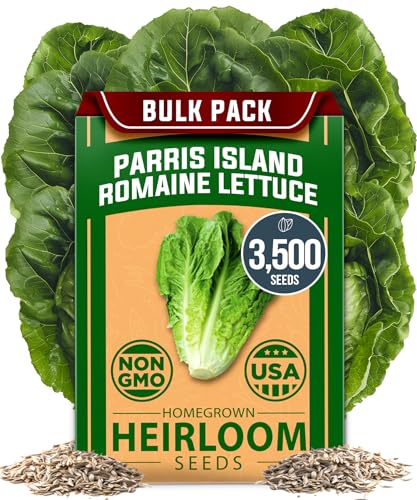
HIGH GERMINATION RATE FOR RELIABLE GROWTH - Our Parris Island Romaine Lettuce Seeds boast an impressive germination rate. High quality and rapid sprouting heirloom lettuce seeds ensuring a bountiful harvest for your vegetable garden.

Comparison with Other Lettuce Varieties
Romaine lettuce roots generally grow deeper than those of other common varieties like iceberg or leaf lettuce. Leaf lettuce tends to have shallower roots, with depths of about 6 to 12 inches. Iceberg varieties also grow about 6 to 12 inches deep. This difference influences their water and nutrient requirements, making romaine more resilient in varying conditions.
Variability Based on Soil Conditions
Soil conditions significantly affect the root depth of romaine lettuce. In sandy or loamy soils, roots often reach the deeper end of the 12 to 18 inch range. Conversely, compacted or clay-heavy soils restrict root growth, leading to shallower roots. Ensuring good drainage and aeration in the soil promotes healthier root development. You can improve soil conditions by incorporating compost or organic matter, enhancing moisture retention, and optimizing nutrient availability.
Growing Conditions for Optimal Root Development
Romaine lettuce thrives best in specific growing conditions that enhance root development. Understanding these factors improves your success in gardening.
Recommended Products

Accurate Soil Moisture Detection: The XLUX Soil Moisture Meter can tell you if the soil deep inside your pot or garden is dry, moist or wet; whereas your eyes and fingers can only determine the moisture level of the soil surface. The probe is 5.5 inches (14 cm) longer than regular styles, allowing it to measure the soil moisture at the bottom of larger and deeper flower pots.
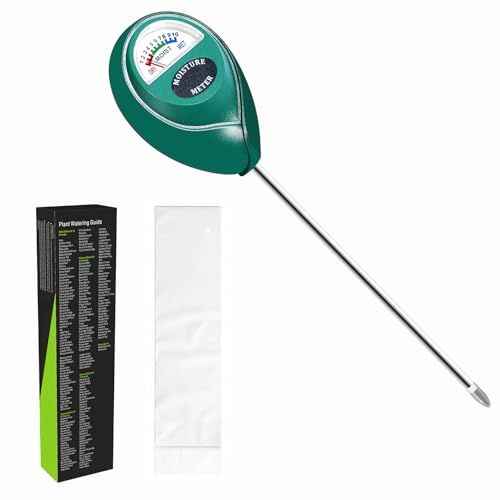
Trusted Since 2015: Become one of the many plant lovers who rely on the proven accuracy of XLUX. Established in 2015, our soil moisture meter has earned over 60,000+ verified ratings for its consistent performance. While many many newer brands come and go, we provide the long-term reliability and quality that American households have trusted for over a decade.

Kindly NOTE: This soil tester can not be applied to test pH value of any other liquid. If the soil is too dry the indicator will not move, and water it before testing.
Ideal Soil Types
Romaine lettuce prefers well-draining soil types. Consider using:
- Sandy Soil: Offers excellent drainage and allows roots to penetrate deeply. This soil type tends to warm quickly in spring.
- Loamy Soil: Contains a balanced mixture of sand, silt, and clay. It retains moisture while providing necessary drainage and nutrient availability.
Avoid compacted or clay-heavy soils, as they restrict root growth and hinder water absorption. To improve soil quality, mix in compost or organic matter. This practice increases nutrient levels and moisture retention, promoting healthier root systems.
Watering Practices
Consistent watering practices maintain optimal growth conditions for your romaine lettuce. Focus on the following strategies:
- Deep Watering: Water deeply and infrequently to encourage roots to grow downwards. Aim for at least 1 to 1.5 inches of water weekly, depending on rainfall.
- Moisture Monitoring: Check soil moisture regularly, especially during dry periods. The top inch of soil should dry out before the next watering.
- Avoid Overwatering: Excess water can lead to root rot. Ensure that your soil has good drainage to prevent waterlogging.
Adjust watering practices according to weather conditions. During hot spells, increase frequency; during cooler periods, reduce it. This adjustment helps establish a strong root system capable of thriving under various conditions.
Benefits of Deep Roots in Romaine Lettuce
Deep roots in romaine lettuce provide several advantages that enhance plant health and vitality. Understanding these benefits helps you cultivate a robust garden.
Enhanced Nutrient Uptake
Deep roots allow romaine lettuce to access a wider range of nutrients in the soil. The roots can draw from deeper layers, where vital minerals and organic matter lie. This access to essential nutrients, like nitrogen, potassium, and phosphorus, promotes faster growth and stronger plants. For example, when you plant romaine in well-draining soil, the roots can reach depths of 12 to 18 inches, tapping into richer soil layers compared to shallow-rooted varieties.
Increased Drought Resistance
Deeper roots also improve drought resistance in romaine lettuce. When the topsoil dries out, deep roots can still find moisture stored below the surface. This capability helps the plant survive periods of low rainfall or inconsistent watering. For instance, a romaine lettuce plant with well-established roots can thrive even in moderate drought conditions, whereas shallow-rooted plants may wilt quickly. Implementing deep watering techniques encourages robust root systems, better equipping your plants to endure varying weather conditions.
Conclusion
Understanding the root depth of romaine lettuce can make a big difference in your gardening success. With roots typically reaching 12 to 18 inches in well-draining soils you can ensure your lettuce thrives. By focusing on the right soil conditions and watering practices you’ll help these plants develop strong roots that can access nutrients and moisture effectively.
Remember that deeper roots not only enhance growth but also improve drought resistance. So whether you’re a seasoned gardener or just starting out keep these insights in mind to cultivate a healthy and resilient romaine lettuce crop. Happy gardening!
Frequently Asked Questions
What is the typical root depth of romaine lettuce?
Romaine lettuce typically has a root depth of 12 to 18 inches in well-draining soils. This depth allows the plant to effectively absorb nutrients and moisture, promoting healthier growth.
How does root depth affect gardening practices?
Root depth influences watering requirements and nutrient absorption. Understanding root depth can help gardeners optimize their watering and soil conditions for better growth and resilience in various climates.
What factors influence the root depth of romaine lettuce?
Several factors affect romaine lettuce root depth, including soil type, water availability, temperature, and nutrient levels. These elements can significantly impact root growth and overall plant health.
How do romaine lettuce roots compare to other types?
Romaine lettuce generally develops deeper roots than iceberg or leaf lettuce, which have shallower roots of 6 to 12 inches. This depth difference affects their water and nutrient needs, making romaine more resilient.
What types of soil are best for growing romaine lettuce?
Sandy and loamy soils are ideal for romaine lettuce because they promote deeper root growth and better drainage. Compacted or clay-heavy soils should be avoided, as they restrict root development.
What watering practices are recommended for romaine lettuce?
Deep watering is recommended to encourage downward root growth. It’s important to monitor moisture regularly and adjust based on weather conditions to avoid overwatering, which can cause root rot.
How do deep roots benefit romaine lettuce?
Deep roots enhance nutrient uptake and increase drought resistance. They allow the plant to access moisture and nutrients from deeper soil layers, promoting faster growth and healthier plants during dry spells.
