

Have you ever thought about growing your own lettuce but weren’t sure where to start? It’s a common dilemma for many home gardeners. With so many options out there, it can be tough to decide whether to start from seeds or buy young plants instead.
Buying lettuce plants can save you time and effort, especially if you’re eager to enjoy fresh salads without the wait. This article will guide you through the ins and outs of purchasing lettuce plants, helping you find the best options for your garden. Whether you’re a seasoned gardener or just starting out, you’ll discover how easy it can be to bring home leafy greens that thrive in your backyard.
Key Takeaways
- Buying vs. Growing from Seeds: Purchasing young lettuce plants saves time and effort compared to starting from seeds, allowing for quicker access to fresh greens.
- Variety Selection: Popular varieties such as Iceberg, Romaine, Butterhead, and Loose-leaf each offer unique flavors and textures. Choose based on taste preferences and local growing conditions.
- Ideal Growing Conditions: Lettuce thrives with 6-8 hours of sunlight, well-drained soil with a pH of 6.0 to 7.0, and consistent moisture to prevent wilting.
- Sources for Purchase: Explore local nurseries for regionally suitable plants or trusted online retailers for a wider selection. Look for healthy plants without pests or disease signs.
- Transplanting Tips: Handle lettuce plants carefully during transplanting and water them immediately to help establish the roots in their new environment.
- Ongoing Care: Regularly monitor your plants for moisture levels, pests, and diseases to ensure a successful harvest within 30 to 60 days.
Overview of Lettuce Plants
Lettuce plants thrive in a variety of environments, making them popular among home gardeners. You can choose from several types, each offering distinct flavors and textures. Key varieties include:
- Iceberg: Known for its crispness and mild flavor, it’s great for salads and wraps.
- Romaine: Tall and leafy, it provides a crunchy texture, perfect for Caesar salads.
- Butterhead: Soft and tender, it features a buttery taste, excellent for sandwiches.
- Loose-leaf: These plants come in various colors and sizes, allowing for a diverse garden.
When buying lettuce plants, consider the best growing conditions. Ideal environments include:
- Sunlight: Lettuce needs about 6-8 hours of sunlight daily.
- Soil: Use well-drained, rich soil with a pH of 6.0 to 7.0.
- Water: Keep soil consistently moist but not soggy.
You can purchase lettuce plants at local nurseries or online garden centers. Look for vibrant, healthy plants without any signs of disease or pests. Check their roots; healthy roots should be white and not overcrowded.
Opting to buy young plants offers several advantages. For example, you’ll save time as seedlings take weeks to mature. Young plants also reduce the chances of weeds overtaking your garden.
To care for your lettuce plants, follow these steps:
- Transplant your young plants into garden beds or pots, ensuring they are spaced adequately.
- Water them thoroughly after planting to help establish roots.
- Monitor for pests, such as aphids or slugs, and take action if you notice any.
With the right care, lettuce plants can yield fresh greens in as little as 30 to 60 days. Enjoy the crispness and flavor of homegrown lettuce in your meals.
Where to Buy Lettuce Plants
Finding the right source for lettuce plants can enhance your gardening experience. Explore local garden centers and online retailers to discover fresh options.
Recommended Products

USDA Certified Organic by Oregon Tilth
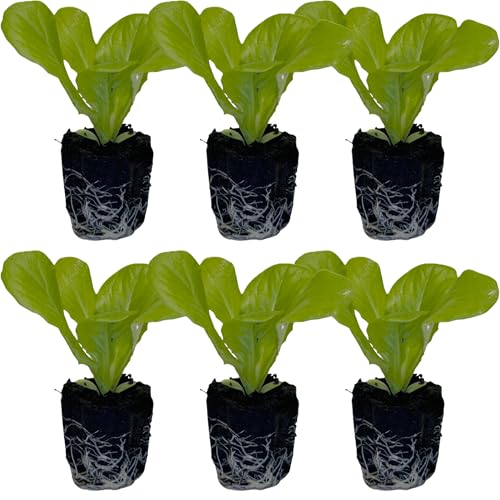
We grow a variety of edible seasonal seedlings (aka plugs/starts/transplants) that will flourish in your soil or hydroponic garden.

We grow a variety of edible seasonal seedlings (aka plugs/starts/transplants) that will flourish in your soil or hydroponic garden.
Local Garden Centers
Local garden centers offer a variety of lettuce plants, often well-suited for your region’s climate. Check for vibrant plants with healthy leaves, avoiding those with wilting or discolored foliage. Ask staff for recommendations on varieties that thrive in your area. Some popular types include:
- Iceberg: Crunchy texture, perfect for salads.
- Romaine: Tall with sturdy leaves, great for Caesar salads.
- Butterhead: Soft, buttery leaves, ideal for sandwiches.
- Loose-leaf: Delicate, easily harvested over time.
Consider visiting during the spring when many garden centers stock up on young plants. Early morning is the best time to shop, as plants are typically at their freshest.
Online Retailers
Online retailers provide a convenient option for purchasing lettuce plants, especially if local stores have limited selections. Websites like Amazon, Burpee, and local nursery sites offer various lettuce types with detailed descriptions. Look for these features:
- Healthy Roots: Ensure they provide images showing root health.
- Customer Reviews: Check ratings to gauge plant quality.
- Shipping Policies: Confirm they ship to your area and how plants are packed for transit.
Ordering in advance allows you to plan your gardening schedule accordingly. Many retailers offer specially curated selections for specific growing conditions, making it easier to find what best fits your garden.
Factors to Consider When Buying Lettuce Plants
When buying lettuce plants, several factors influence your decision. These elements ensure you choose the right varieties for your garden and understand their growing needs.
Plant Variety
Select the right variety of lettuce that suits your taste and gardening conditions. Popular options include:
- Iceberg: Known for its crunchy texture, perfect for salads.
- Romaine: Offers a slightly bitter flavor; excellent for Caesar salads.
- Butterhead: Features tender leaves with a sweet taste, ideal for wraps.
- Loose-leaf: Grows quickly, providing a continual harvest throughout the season.
Consider your climate and season. Some varieties thrive in cooler temperatures, whereas others prefer warmth. Choose a mix to enjoy a variety of flavors and textures.
Growing Conditions
Assess the growing conditions for your lettuce plants. Key factors include:
- Sunlight: Lettuce needs 6-8 hours of sunlight daily. Position your plants where they can soak in this light.
- Soil Quality: Use well-drained, rich soil with a pH between 6.0 and 7.0. Amend the soil with compost to enhance fertility.
- Moisture: Keep the soil consistently moist but not soggy. Regular watering prevents bolting, which occurs in hot weather.
Understanding these growing conditions enhances your chances for a successful crop. Tailor your care routine to fit the specific needs of your chosen lettuce variety.
Tips for Successfully Purchasing Lettuce Plants
Choose the Right Variety
Selecting the right lettuce variety based on taste and climate keeps your garden thriving. Iceberg offers crispness, while Romaine provides a sturdier texture. Butterhead’s tender leaves add a buttery flavor, and Loose-leaf varieties enhance salads with diverse textures. Research your local climate and personal preferences for the best results.
Inspect for Health
Always inspect lettuce plants before purchasing. Look for vibrant green leaves without any yellowing, wilting, or browning. Check for pests like aphids or signs of disease, such as powdery mildew. Healthy roots often indicate strong plant growth, giving you a head start in your garden.
Consider Pot Size
Pick plants in appropriately sized pots. Smaller pots help seedlings acclimate quickly, while larger pots can stress young plants. Ensure the pot provides enough room for root growth, promoting healthy plants that thrive in your garden.
Buy from Reputable Sources
Purchase from local nurseries or trusted online retailers. Local centers offer region-specific plants, while online options provide wider selections. Research customer reviews and ask staff members for recommendations at local stores. This approach ensures you receive high-quality plants suited for your area’s conditions.
Timing Your Purchase
Timing is essential. Spring presents the best opportunity to buy fresh lettuce plants, as availability is highest during this season. Plan your purchases ahead of time to align with your gardening schedule, ensuring you get the best selections.
Transplant with Care
Transplant lettuce plants into your garden with care. Handle plants gently to avoid damaging roots. Water them immediately after planting to help them settle into their new environment. Position them in well-drained soil that receives 6-8 hours of sunlight for optimal growth.
Monitor and Maintain
Once planted, monitor your lettuce regularly. Check for moisture levels, ensuring the soil remains consistently moist but not soggy. Watch for pests and disease, addressing any issues promptly. With attentive care, you’ll enjoy a bountiful harvest of fresh greens.
Conclusion
Buying lettuce plants can be a fantastic way to kickstart your gardening journey. With a little care and attention you can enjoy fresh greens in no time. Whether you choose to shop at a local nursery or explore online options the key is to select healthy vibrant plants that suit your taste and growing conditions.
Remember to consider factors like sunlight and soil quality to ensure your lettuce thrives. By following the tips shared you’ll set yourself up for a successful and delicious harvest. So go ahead and bring home those lettuce plants and get ready to savor the crispness of your very own homegrown salads. Happy gardening!
Frequently Asked Questions
Should I grow lettuce from seeds or buy young plants?
Buying young plants is often easier and quicker, especially for beginners. It saves time and effort, allowing you to enjoy fresh salads sooner. Seeds can be rewarding, but they require more care and patience.
What types of lettuce can I buy?
You can find several varieties, including Iceberg, Romaine, Butterhead, and Loose-leaf. Each type offers unique flavors and textures, so choose based on your taste preferences and salad recipes.
How much sunlight do lettuce plants need?
Lettuce plants require 6-8 hours of sunlight daily for optimal growth. Ensure they are planted in a location that gets enough light to thrive.
What soil conditions are best for growing lettuce?
Lettuce prefers well-drained, rich soil with a pH between 6.0 and 7.0. Good drainage and consistent moisture are crucial for preventing root rot.
Where is the best place to buy lettuce plants?
Local garden centers and online retailers are great options. Garden centers often provide region-specific varieties, while online sellers offer broader selection and convenience.
How can I tell if a lettuce plant is healthy?
Look for vibrant leaves, healthy roots, and no signs of disease or pests. Healthy plants should be sturdy and free from any discoloration.
What care tips should I follow after transplanting lettuce?
After transplanting, ensure consistent moisture without overwatering. Monitor for pests, provide adequate sunlight, and consider using mulch to retain moisture and reduce weed competition.
When is the best time to purchase lettuce plants?
Spring is the ideal time to buy lettuce plants. Ordering in advance allows you to align your gardening schedule with the planting season for fresher, healthier plants.
