

Ever wondered if you should wash hydroponic lettuce before eating it? You’re not alone. Many people are curious about how to handle this fresh produce, especially when it’s grown without soil.
Imagine bringing home a crisp head of hydroponic lettuce, only to question whether it’s clean enough to toss in your salad. This article will guide you through the ins and outs of washing hydroponic lettuce, helping you make informed choices for your meals. By the end, you’ll know exactly what to do to enjoy your greens safely and deliciously.
Key Takeaways
- Washing is Essential: Always wash hydroponic lettuce under cold water to remove contaminants, enhancing safety and flavor.
- Nutritional Benefits: Hydroponic lettuce is rich in essential vitamins and minerals, including vitamin A and K, providing health benefits similar to soil-grown varieties.
- Environmental Advantages: Hydroponic farming uses significantly less water and fewer pesticides, making it a sustainable and eco-friendly choice.
- Proper Storage Tips: Store hydroponic lettuce in airtight containers in the refrigerator, keeping it dry to maintain freshness.
- Preparation Techniques: For a deeper clean, consider soaking in a vinegar solution before rinsing and drying properly to prevent spoilage.
- Variety Recognition: Popular hydroponic lettuce types include Romaine, Butterhead, and Looseleaf, each offering unique textures and flavors for salads and wraps.
Understanding Hydroponic Lettuce
Hydroponic lettuce grows without soil, typically in water enriched with nutrients. This method promotes rapid growth and often leads to healthier plants. You might find this type of lettuce more vibrant and flavorful than traditional garden varieties.
Benefits of Hydroponic Lettuce
- Freshness: Hydroponic lettuce is often harvested and sold the same day, ensuring maximum freshness.
- Pesticide Reduction: Many hydroponic farms use fewer pesticides, resulting in cleaner produce.
- Sustainability: Hydroponics uses less water than traditional farming methods, making it a more sustainable choice.
Nutritional Value
Hydroponic lettuce contains essential vitamins and minerals. It offers vitamin A, vitamin K, and folate, supporting overall health. Comparing the nutritional content, hydroponic lettuce provides similar benefits to soil-grown options.
Storage Tips
- Refrigerate: Store hydroponic lettuce in a refrigerator at temperatures between 32°F and 36°F.
- Keep Dry: Ensure it’s dry to prevent spoilage. Excess moisture can lead to mold growth.
- Use Airtight Containers: Storing in airtight containers or bags can extend freshness.
Preparation Advice
Rinse hydroponic lettuce gently under cold water, even though it’s grown without soil. This action removes any residual nutrients or contaminants. You can also soak it briefly in a vinegar solution for added cleaning if desired.
Common Varieties
Common hydroponic lettuce varieties include:
- Romaine: Crisp and sturdy, excellent for salads and sandwiches.
- Butterhead: Soft leaves with a buttery flavor, great for wraps.
- Looseleaf: Tender and delicate, perfect for salads or garnishing.
Understanding these aspects of hydroponic lettuce helps you appreciate its benefits and prepares you for the best ways to wash and use it.
Benefits of Hydroponic Lettuce
Hydroponic lettuce offers several distinct advantages. These benefits range from nutritional to environmental, making it a valuable addition to your diet.
Nutritional Value
Nutritionally, hydroponic lettuce packs essential vitamins and minerals. It contains high levels of vitamin K, which supports bone health, and vitamin A, crucial for vision. Nutrients such as folate and vitamin C are also abundant. Research indicates that hydroponically grown varieties maintain similar nutritional profiles to those farmed in soil. You can enjoy a fresh and vibrant salad, confident that you’re consuming essential nutrients.
Environmental Impact
The environmental benefits of hydroponic lettuce are significant. Hydroponic systems use up to 90% less water compared to traditional soil farming. This efficiency helps conserve water resources. Additionally, hydroponic farming requires no pesticides, promoting safer produce for you and the ecosystem. The controlled growing environment means less land is needed, allowing agricultural practices to reduce the footprint on natural habitats. You support sustainable practices by choosing hydroponic lettuce.
Washing Hydroponic Lettuce
Washing hydroponic lettuce is essential for ensuring freshness and safety. Despite growing in a controlled environment, residue may still be present.
Recommended Products

Maximum Lettuce-Drying, Minimum Effort: Use the OXO Salad Spinner's one-handed pump to thoroughly dry greens, beans, even use it as a fruit washer. The salad spinners best rated always include a superior rinse, spin, and dry like ours

One-Touch OXO Salad Spinner: Did you know that OXO invented the one-touch salad spinner? Its one-handed pump gives you maximum drying of lettuce with minimum effort
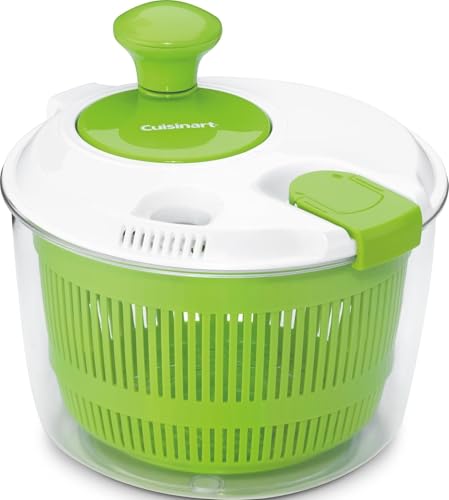
QUICK & CONVENIENT: Wash and spin-dry salad greens, fruits, and vegetables effortlessly with the Cuisinart 3qt Salad Spinner.
Reasons for Washing
- Removing Contaminants: Washing helps eliminate any contaminants that may cling to the leaves, including dust, bacteria, or remnants from nutrient solutions.
- Enhancing Flavor: A rinse can improve the overall taste by removing any residual chemicals or tastes from growing solutions.
- Providing Freshness: Washing adds a refreshing crunch, as it rehydrates the leaves and ensures they are crisp.
- Rinse Under Cold Water: Place the lettuce under cold running water. Gently separate the leaves with your hands to allow water to reach all surfaces.
- Soaking Option: For a deeper clean, soak the lettuce in a bowl of cold water for a few minutes. Swish it around, then lift it out to avoid dirt settling back on the leaves.
- Vinegar Solution: If you prefer extra cleaning, mix one part vinegar with three parts water. Soak the lettuce for 5 minutes before rinsing again under cold water.
- Dry Properly: Use a salad spinner or clean kitchen towel to remove excess water. This prevents spoilage during storage.
By following these washing methods, you enhance the safety and enjoyment of your hydroponic lettuce.
Potential Risks
Washing hydroponic lettuce is essential to ensure its safety and quality. However, some potential risks exist that you should be aware of.
Contamination Concerns
Hydroponic lettuce, while grown in a controlled environment, can still be exposed to contaminants. Poorly maintained equipment, such as nutrient delivery systems, can harbor bacteria. Additionally, handling by workers can introduce pathogens. Rinsing the lettuce minimizes these contamination risks, as it effectively removes surface residues that may linger.
Food Safety Guidelines
Following proper food safety guidelines helps reduce the risks associated with hydroponic lettuce. Here are some key points to consider:
- Wash Hands: Always wash your hands for at least 20 seconds with soap before handling food.
- Use Cold Water: Rinse the lettuce thoroughly under cold running water. This process helps remove dirt and possible pathogens.
- Inspect Carefully: Check the lettuce for signs of damage or decay. Discard any wilted or spoiled leaves.
- Consider Vinegar Soak: For added safety, soak your lettuce in a vinegar solution. Mix one part vinegar with three parts water, then rinse with cold water.
- Dry Properly: After washing, use a clean towel or a salad spinner to dry the lettuce. Excess moisture promotes spoilage.
Preparing your hydroponic lettuce with these guidelines enhances both safety and taste, ensuring a fresh experience in every meal.
Conclusion
Washing your hydroponic lettuce is a simple step that enhances both safety and flavor. Even though it’s grown in a controlled environment without soil you still want to rinse off any residual nutrients or potential contaminants. A quick rinse under cold water or a gentle soak in a vinegar solution can go a long way in ensuring your greens are fresh and ready to eat.
By taking the time to wash your lettuce you’re not only enjoying its vibrant taste but also supporting sustainable practices. So next time you grab that beautiful head of hydroponic lettuce remember that a little care goes a long way in making your meals even better. Enjoy your fresh, crisp greens with confidence!
Frequently Asked Questions
Should I wash hydroponic lettuce before eating it?
Yes, you should wash hydroponic lettuce before consumption. Despite being grown in a controlled environment, it may still have residues from nutrient solutions or handling. Rinsing helps ensure safety and freshness.
What are the recommended washing techniques for hydroponic lettuce?
Rinse hydroponic lettuce gently under cold water to remove contaminants. You can also soak it in a vinegar solution for added cleaning. Ensure to dry it properly afterwards to prevent spoilage.
Why is hydroponic lettuce considered more sustainable?
Hydroponic lettuce uses up to 90% less water than traditional farming and typically requires no pesticides. This means less impact on ecosystems and reduced agricultural runoff.
What are the nutritional benefits of hydroponic lettuce?
Hydroponic lettuce is rich in essential vitamins and minerals, including vitamin K, vitamin A, folate, and vitamin C. Its nutritional value is comparable to soil-grown varieties, making it a healthy choice.
How should I store hydroponic lettuce to keep it fresh?
Store hydroponic lettuce in the refrigerator at 32°F to 36°F. Keeping it dry and in airtight containers will help extend its freshness and prevent spoilage.
What are the common varieties of hydroponic lettuce?
Popular hydroponic lettuce varieties include Romaine, Butterhead, and Looseleaf. Each offers unique flavors and textures, enhancing your meals while providing nutritional benefits.
Are there any risks associated with hydroponic lettuce?
Yes, potential risks include contamination from improperly maintained equipment or handling. It’s important to follow food safety guidelines, such as washing hands and inspecting the lettuce before use.
How does hydroponic lettuce enhance flavor?
Washing hydroponic lettuce not only removes contaminants but also enhances its natural flavor. This preparation ensures that you’re enjoying the fresh taste of the lettuce in your meals.
