

Ever wondered how often you should water your lettuce seeds? If you’ve ever tried growing lettuce, you know that getting the watering just right can be tricky. Too much water can drown those tiny seeds, while too little can leave them dry and lifeless.
Key Takeaways
- Understand Lettuce Types: Familiarize yourself with different lettuce seed varieties (Romaine, Butterhead, Leaf, Iceberg, and Cut-and-Come-Again) to tailor your care and watering approach accordingly.
- Monitor Growth Stages: Recognize the watering needs for each stage of lettuce growth: germination, seedling, vegetative, maturation, and harvesting, adjusting frequency from daily to every few days.
- Consider Environmental Factors: Adapt your watering schedule based on climate and weather conditions, with more frequent watering in hot and dry climates and less in cooler or rainy conditions.
- Soil Quality Matters: Assess soil type (sandy vs. clay) to determine watering frequency, as sandy soils require more frequent watering while clay retains moisture longer.
- Establish a Consistent Schedule: Water new seedlings daily for their first week, then gradually adjust to every other day as they mature, ensuring the soil stays moist but not soggy.
- Avoid Common Mistakes: Be aware of overwatering and underwatering signs—such as yellowing leaves or dry soil—to maintain the perfect moisture balance for healthy growth.
Understanding Lettuce Seeds
Understanding lettuce seeds is crucial for successful gardening. Proper care and monitoring ensure healthy growth and abundant yields.
Types of Lettuce Seeds
Lettuce seeds come in various types, each with distinct traits. Here are the main categories you’ll encounter:
- Romaine Seeds: Romaine lettuce produces long, crisp leaves. It’s popular for salads and is sturdy against bolting.
- Butterhead Seeds: These seeds yield soft, tender leaves that form loose heads. Butterhead varieties, like Boston and Bibb, have a sweet flavor.
- Leaf Lettuce Seeds: Leaf varieties grow in an open form, allowing for continuous harvesting. Choices include green and red leaf types, which are nutritious and vibrant.
- Iceberg Seeds: Iceberg lettuce forms tightly packed heads. It has a crunchy texture and mild flavor, often used in sandwiches and salads.
- Cut-and-Come-Again Seeds: These seeds enable you to harvest individual leaves repeatedly. This approach maximizes yield and minimizes waste.
Growth Stages of Lettuce
Lettuce undergoes several growth stages, each requiring specific watering needs. Understanding these stages helps you adjust your watering schedule effectively.
- Germination: This stage lasts 7 to 14 days. Keep the soil consistently moist but not soggy. Frequent light watering supports seed sprouting.
- Seedling Stage: After germination, seedlings develop true leaves. You should water daily or every other day, allowing the soil to dry slightly between sessions.
- Vegetative Stage: During this phase, lettuce grows rapidly. Water every 2 to 3 days, ensuring the soil remains damp but not waterlogged.
- Maturation: As heads form, lettuce requires even moisture. Water every 3 to 4 days, checking for dryness and adjusting as needed based on weather.
- Harvesting: After reaching maturity, continue watering but be careful not to overwater. Harvest leaves as needed rather than cutting the entire head.
By recognizing the types of lettuce seeds and their growth stages, you can tailor your watering approach to ensure optimal health and productivity in your garden.
Factors Affecting Watering Frequency
Watering frequency for lettuce seeds depends on several factors. Understanding these can help you provide the right moisture for healthy growth.
Climate and Weather Conditions
Climate significantly influences watering needs. In hot, dry climates, you might water daily to prevent seeds from drying out. Conversely, in cooler, humid areas, you may water every few days. During rainy seasons, reduce watering to avoid soggy soil. Always check the soil’s moisture before watering; if it feels wet 1 inch deep, skip watering that day.
Soil Type and Quality
Soil type affects water retention. Sandy soils drain quickly, requiring more frequent watering, often every 1 to 2 days. Clay soils retain moisture longer, so check the humidity before deciding. Get a soil test to determine pH and nutrient levels; this helps ensure your soil supports healthy seed growth while providing necessary moisture. You can elevate soil quality by incorporating organic matter, improving moisture retention and drainage.
Recommended Watering Schedule
Watering lettuce seeds requires careful attention to frequency and detail. A consistent schedule helps ensure healthy growth and vibrant yields.
Watering New Seedlings
Water new seedlings daily for the first week. Aim for about 1 inch of water per week, either through rainfall or manual watering. Check the soil frequently; keep it moist but not soggy. As seedlings establish roots, reduce watering to every other day. You can switch to bi-weekly watering once the plants mature past the seedling stage. This gradual adjustment helps prevent overwatering and promotes robust root development.
Adjusting for Outdoor Conditions
Adapt your watering schedule based on outdoor conditions. In hot, dry climates, increase watering frequency to daily or even twice a day during heat waves. Conversely, if the weather is cooler and humid, watering every three to five days suffices. Monitor soil moisture levels regularly, especially after heavy rainfall. Use your finger to check the top inch of soil; if it’s dry, it’s time to water. This simple habit checks both overwatering and underwatering issues effectively.
Common Mistakes in Watering Lettuce Seeds
Watering lettuce seeds requires attention to detail. Mistakes in this process can hinder growth and affect yields.
Recommended Products

Accurate Soil Moisture Detection: The XLUX Soil Moisture Meter can tell you if the soil deep inside your pot or garden is dry, moist or wet; whereas your eyes and fingers can only determine the moisture level of the soil surface. The probe is 5.5 inches (14 cm) longer than regular styles, allowing it to measure the soil moisture at the bottom of larger and deeper flower pots.
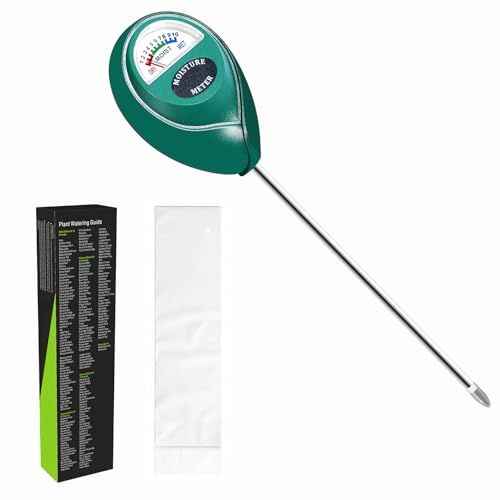
Trusted Since 2015: Become one of the many plant lovers who rely on the proven accuracy of XLUX. Established in 2015, our soil moisture meter has earned over 60,000+ verified ratings for its consistent performance. While many many newer brands come and go, we provide the long-term reliability and quality that American households have trusted for over a decade.

Kindly NOTE: This soil tester can not be applied to test pH value of any other liquid. If the soil is too dry the indicator will not move, and water it before testing.
Overwatering vs. Underwatering
Overwatering leads to soggy soil, which can suffocate the roots and cause rot. You want to avoid a saturated environment. An effective approach includes watering until the top inch of soil feels moist, then waiting before watering again. In contrast, underwatering dries out the soil, keeping seeds from germinating. Aim for a balance: water frequently enough to maintain moisture, especially in the early stages.
Signs of Improper Watering
You can spot issues easily with careful observation. For overwatered plants, look for yellowing leaves or wilting despite wet soil. Soil should feel damp but not muddy. For underwatered plants, check for dry, crusty soil and leaves that appear limp or crispy. Adjust watering habits based on these signs to ensure your lettuce seeds thrive.
Conclusion
Getting the watering right for your lettuce seeds can make all the difference in your garden. By keeping an eye on soil moisture and adjusting your schedule based on the weather and soil type, you’ll set your seeds up for success. Remember to start with daily watering for new seedlings and gradually ease off as they mature.
Stay attentive to the signs your plants give you. Whether it’s yellowing leaves or dry soil, these clues will help you fine-tune your approach. With a little patience and care, you’ll enjoy a bountiful harvest of fresh, crisp lettuce that you can be proud of. Happy gardening!
Frequently Asked Questions
What are the main challenges of watering lettuce seeds?
Watering lettuce seeds requires balancing moisture. Overwatering can drown seeds, while too little water can cause them to dry out and fail to germinate. Understanding these risks is critical for successful growth.
How many types of lettuce seeds are there?
There are several types of lettuce seeds, including Romaine, Butterhead, Leaf, Iceberg, and Cut-and-Come-Again. Each type has unique characteristics affecting growth and watering needs.
What are the growth stages of lettuce?
Lettuce has five main growth stages: germination, seedling, vegetative, maturation, and harvesting. Each stage has specific watering requirements to support healthy development.
How does climate affect watering frequency?
In hot, dry climates, daily watering may be necessary, while cooler, humid areas may require watering every few days. Always check soil moisture before watering to adjust accordingly.
Why is soil type important for watering?
Soil type influences how much water is retained. Sandy soils drain quickly and require more frequent watering, while clay soils retain moisture longer, impacting your watering schedule.
What is a recommended watering schedule for lettuce?
Water new seedlings daily for the first week, aiming for about 1 inch of water per week. Once roots establish, reduce watering frequency to every other day, then bi-weekly as plants mature.
What are common mistakes in watering lettuce seeds?
Common mistakes include overwatering and underwatering. Overwatering causes root rot, while underwatering prevents germination. Monitor soil moisture for signs of either issue to adjust your watering habits.
How can I check the moisture level of the soil?
Check the top inch of soil—if it feels moist, wait before watering again. Signs of overwatering include yellowing leaves, while dry, crusty soil indicates underwatering, guiding your adjustments.
