

Have you ever wondered when your iceberg lettuce is truly ready to harvest? It can be tricky to tell, especially when you’re eager to enjoy that crisp, fresh taste in your salads. You might find yourself questioning if you should wait a little longer or if it’s time to pick.
Key Takeaways
- Growth Stages: Iceberg lettuce progresses through distinct stages, including seed germination, vegetative growth, head formation, and maturity over approximately 10 to 12 weeks.
- Signs of Readiness: Look for size (6 to 8 inches in diameter), firmness (heavy and compact), and vibrant color to determine if your lettuce is ready to harvest.
- Harvesting Techniques: Employ tools like sharp knives or garden shears, and harvest during morning or late afternoon hours for optimal freshness and minimal damage.
- Storage Tips: Rinse, dry, and store iceberg lettuce in the fridge’s crisper drawer to maintain freshness; avoid mixing with ethylene-producing fruits.
- Freezing Preparation: For long-term storage, blanch and vacuum seal into portions to preserve quality, using the lettuce within 6-12 months for best results.
Understanding Iceberg Lettuce Growth
Iceberg lettuce grows through a series of distinct stages. Recognizing these stages helps you know when it’s time to harvest your lettuce for optimal freshness and flavor.
Growth Stages of Iceberg Lettuce
- Seed Germination: Seeds sprout within 7 to 14 days in optimal conditions, typically at temperatures between 65°F to 75°F.
- Seedling Stage: Young plants develop true leaves after about 2 to 3 weeks. Maintain consistent moisture to promote strong root development.
- Vegetative Growth: After 4 to 6 weeks, plants enter rapid growth. The leaves expand, and the head begins forming. Fertilization with nitrogen enhances this stage.
- Head Formation: Heads start developing compactly as the plant matures. This occurs around the 6 to 8-week mark, with visible signs of size and shape.
- Maturity: Full maturity occurs approximately 10 to 12 weeks after planting. The head should feel firm.
- Temperature: Optimal temperatures for growth range from 60°F to 70°F. Higher temperatures can lead to premature bolting, triggering a bitter taste.
- Moisture Levels: Consistent watering is crucial. Both drought conditions and excessive water can impact head formation.
- Soil Quality: Well-draining soil rich in organic matter supports healthy growth. Regular soil testing helps maintain nutrient balance.
- Pests and Diseases: Regular monitoring for pests or disease symptoms aids in timely intervention. Infestations can affect growth and decrease yield.
- Varietal Differences: Harvest times can vary by variety. Always refer to seed packets for specific guidance on growth periods.
By understanding these growth stages and factors, you can effectively gauge the right time to harvest your iceberg lettuce, ensuring a crisp and flavorful addition to your meals.
Signs of Readiness for Harvest
Recognizing when iceberg lettuce is ready for harvest can enhance your gardening success. Look for these key indicators that signal maturity.
Recommended Products

K115 Crop Harvest Knife, 7.25-Inch Blade, is designed for trimming lettuce, greens, and soft-stemmed vegetables.

Premium Heirloom Quality: Our 2500 non-GMO iceberg lettuce seeds are perfect for both indoor and outdoor planting. Enjoy fresh, crispy lettuce known for its superior flavor and texture. Ideal for hydroponic systems, soil gardens, and container gardening.

DELICIOUS TRUSTED VARIETY - Popular head lettuce seed used by gardeners for years. Crispy and delicious.
Size and Weight Indicators
- Head Size: Measure the diameter of the lettuce head. A mature iceberg typically has a diameter of 6 to 8 inches. Heads below this size may not have developed fully.
- Weight: Gently squeeze the head. A ready-to-harvest lettuce feels firm and heavy for its size. If it feels lightweight or mushy, consider giving it more time.
- Shape: Notice the roundness of the head. It should appear compact and round rather than loose or flat. A plump head indicates it’s ready to be picked.
- Leaf Firmness: Check the texture of the outer leaves. Mature iceberg lettuce has crisp, firm leaves. If the leaves are floppy, the head may still be immature.
- Color: Examine the color of the leaves. A ready iceberg shows vibrant, deep green leaves. Yellowing leaves may indicate it’s past prime.
- Inner Leaves: Peel back the outer leaves to inspect the inner parts. They should remain tightly packed. Loose or spreading inner leaves suggest it’s not at peak maturity.
These signs provide a reliable guide for determining when your iceberg lettuce is ready for harvesting, ensuring you enjoy its freshest flavor.
Recommended Harvesting Techniques
Harvesting iceberg lettuce at the right time ensures crispy, flavorful heads. Implementing proper techniques improves the experience and outcome of your efforts.
Tools for Harvesting
- Sharp Knife: Use a sharp knife to cut the base of the lettuce head cleanly. This prevents bruising and promotes freshness.
- Garden Shears: Consider garden shears for thicker-stemmed varieties. They offer precision and reduce pressure on delicate leaves.
- Harvest Basket: Keep a basket or container handy to collect your harvested heads. This minimizes damage as you gather your bounty.
- Gloves: Wear gardening gloves to protect your hands from dirt and potential pests during harvesting.
- Morning Hours: Aim to harvest in the morning when temperatures are cooler. This helps maintain the crispness of the leaves.
- After Dew Lifts: Wait until the morning dew has evaporated. Wet leaves can lead to spoilage and promote unwanted rot.
- Avoid Heat of Day: Steer clear of harvesting in the afternoon heat. Higher temperatures can cause wilting and diminish freshness.
- Evening Harvest: If morning isn’t possible, consider late afternoon as a second option. Just ensure it’s before temperatures drop significantly.
Storing Your Harvest
Storing your harvested iceberg lettuce correctly maintains its freshness and flavor. Follow these tips to ensure your lettuce stays crisp and delicious.
Recommended Products

Freshness and Crispness: This vegetable and lettuce container maintains the natural humidity of your produce, keeping them fresh and crisp for longer. It's an excellent way to ensure that your vegetables don't go to waste and stay flavorful.
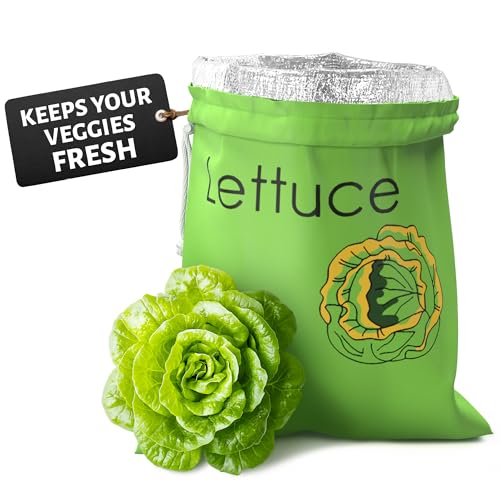
High Quality Reusable Grocery Bags: The lettuce fresh bag is made of food-grade sturdy nylon which is much better than a lot of single-use plastic bags

Durability: These reusable vegetable produce bags are made of high quality food grade nylon with a foil lining that helps keep your fruits and veggies crisp. You can open the drawstring top of the banana storage bag to air it out every 2 to 3 days to keep bananas and salad greens fresh longer
Short-Term Storage Tips
- Rinse gently: Clean your lettuce under cold water to remove any dirt or debris. Pat it dry with a clean kitchen towel or paper towel to avoid excess moisture.
- Store in the fridge: Place the lettuce in a perforated plastic bag or a loosely sealed container. This helps with airflow and keeps moisture levels balanced.
- Keep it cool: Store iceberg lettuce in the crisper drawer of your refrigerator. The ideal temperature is between 32°F and 36°F (0°C to 2°C).
- Avoid mixing: Don’t store iceberg lettuce with fruits like apples or bananas. These fruits release ethylene gas, which speeds up spoilage.
- Blanch before freezing: If you plan to store your lettuce for an extended period, consider blanching it. Boil the lettuce for 1-2 minutes, then plunge it into ice water to stop the cooking process.
- Vacuum seal: After blanching, drain and dry the lettuce thoroughly. Use a vacuum sealer to package it in airtight bags to prevent freezer burn.
- Freeze in portions: Divide the lettuce into manageable portions before freezing. This makes it easier to thaw only what you need later.
- Use promptly: While you can freeze iceberg lettuce, it’s best used within 6-12 months for optimal quality. The texture may change after freezing, but it remains good for soups and smoothies.
By following these storage tips, you keep your iceberg lettuce fresh for longer and enjoy its crisp, tasty texture.
Conclusion
Harvesting iceberg lettuce at the right time can make all the difference in flavor and texture. By paying attention to the size firmness and appearance of the heads you’ll know exactly when it’s time to enjoy your hard work. Remember to use the right tools and techniques to keep your lettuce fresh and crisp.
With a bit of practice you’ll become a pro at harvesting and storing your lettuce. So get out there and enjoy the fruits of your labor. Happy gardening!
Frequently Asked Questions
When is the right time to harvest iceberg lettuce?
The best time to harvest iceberg lettuce is when the heads reach a size of 6 to 8 inches in diameter and are firm to the touch. Check for tightly packed inner leaves and a deep green color. Harvesting too early can affect flavor and texture, while waiting too long may lead to bolting or bitterness.
What growth stages should I know for iceberg lettuce?
Iceberg lettuce goes through five key growth stages: seed germination, seedling development, vegetative growth, head formation, and maturity. Understanding these stages helps gardeners determine the right conditions needed for optimal growth and the ideal time to harvest.
How do I know if my iceberg lettuce is ready to pick?
Look for specific signs: the head size (6-8 inches), firmness when squeezed, roundness, and the texture and color of outer leaves. Crisp, deep green leaves and tightly packed inner leaves indicate maturity and readiness for harvest.
What is the best harvesting technique for iceberg lettuce?
Use a sharp knife or garden shears to cut the lettuce head at the base. This prevents bruising and helps maintain freshness. Collect the heads using a harvest basket and consider wearing gloves for protection. Early morning is ideal for harvesting.
How should I store iceberg lettuce after harvesting?
To store iceberg lettuce, rinse it gently and place it in a perforated plastic bag or loosely sealed container in the fridge’s crisper drawer. Keep it cool and avoid storing it with ethylene-producing fruits to maintain freshness.
Can I freeze iceberg lettuce for later use?
Yes, you can freeze iceberg lettuce. Blanch it briefly before vacuum sealing in airtight bags, then freeze in manageable portions. Use frozen lettuce in soups or smoothies, but aim to consume it within 6-12 months for the best quality.
