

Ever wondered how to harvest that fresh, crisp lettuce from your garden without ruining the plant? You’re not alone! Many gardeners face the challenge of cutting lettuce correctly to ensure a healthy regrowth while enjoying delicious salads.
Key Takeaways
- Understand Lettuce Types: Familiarize yourself with various lettuce types—Leaf, Romaine, Butterhead, and Crisphead—and their specific growth timelines for effective planning.
- Optimal Growth Conditions: Lettuce thrives in cooler temperatures (60°F to 70°F), full sun for 6-8 hours a day, well-draining soil, and consistent moisture for healthier plants.
- Essential Tools: Equip yourself with gardening shears, a garden knife, gloves, a watering can, a trowel, and a basket to ensure effective and efficient harvesting while minimizing plant stress.
- Harvesting Techniques: Cut lettuce 6-8 weeks after planting, above the crown, leaving some outer leaves intact to promote regrowth; aim for morning harvesting to reduce wilting.
- Post-Harvest Care: Store cut lettuce in a cool, dark place, cleaning it thoroughly and wrapping it to maintain freshness for up to 7 days.
- Continuous Plant Care: After harvesting, ensure proper watering, light fertilization, and monitoring of the remaining plants to encourage regrowth and maintain a productive garden.
Understanding Lettuce Growth
Lettuce growth involves several factors, including types, conditions, and care requirements. Understanding these aspects helps ensure a successful harvest.
Types of Lettuce
Lettuce comes in various types, each with unique characteristics. Here’s a quick overview:
- Leaf Lettuce: This variety includes loose-leaf types like Red Leaf and Green Leaf. These lettuces grow quickly and are ready for harvesting within 30 to 45 days.
- Romaine Lettuce: Known for its crisp texture and upright leaves, Romaine takes about 70 to 80 days to reach full maturity.
- Butterhead Lettuce: With its tender, buttery leaves, Butterhead varieties, such as Boston and Bibb, mature in 55 to 70 days.
- Crisphead Lettuce: This type forms a tight head, like Iceberg, and requires around 75 to 90 days for optimal growth.
Choosing the right type of lettuce allows you to plan your garden based on your preferences and desired harvest timeline.
Ideal Growth Conditions
Lettuce thrives under specific growth conditions. Follow these guidelines for optimal growth:
- Temperature: Lettuce prefers cooler weather, ideally ranging from 60°F to 70°F. Excessive heat can lead to bolting, where the plant flowers prematurely.
- Light: Provide lettuce with full sun exposure for at least 6 to 8 hours each day. In hotter climates, partial shade during the hottest part of the day helps prevent stress.
- Soil: Use well-draining, rich soil with a pH of 6.0 to 6.8. Adding organic matter like compost improves soil quality and supports healthy growth.
- Water: Keep the soil consistently moist but not waterlogged. Regular watering, particularly in dry spells, ensures strong root development.
By understanding the types of lettuce you grow and their ideal conditions, you set the stage for a successful and rewarding harvest.
Tools You Will Need
You need a few essential tools to cut off lettuce effectively and promote healthy regrowth. Having the right tools on hand makes the process easier and more efficient.
Recommended Products

MULTIPURPOSE GARDEN SCISSORS: The pruning shears feature both straight and serrated edges, along with a thorn remover, making them versatile for trimming flower stems, shaping herbs, harvesting vegetables, cutting ropes, opening bags, removing thorns, and maintaining bonsai. One tool efficiently handles a wide range of gardening tasks with precision and ease

SK5 STEEL BLADE: The flower scissors blade made of high duty SK5 steel, which is very sharp; Garden pruning shears blade surface had processed by plating treatment, will not easily get rusty, and allow your garden work become more effortless and faster.
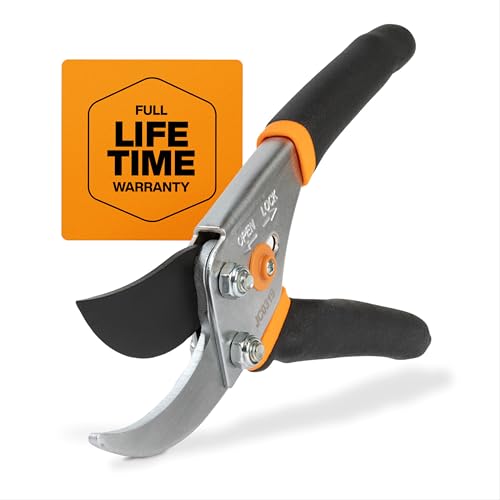
CLEAN CUTS FOR LIVE GROWTH: Bypass blade design is ideal for pruning delicate flower stems and green growth, helping reduce crushing and plant damage while cutting stems and small branches up to 5/8” in diameter
Gardening Shears
Gardening shears are vital for cutting lettuce. They provide a clean cut, reducing damage to the plant. Look for shears that are sharp and easy to handle. Maintain your shears by cleaning them after each use to prevent disease transfer among plants. A well-maintained pair will last longer and enhance your cutting precision.
- Garden Knife: A serrated garden knife can slice through tougher varieties like Crisphead. It’s handy for precise cuts.
- Gloves: Wearing gloves protects your hands from dirt and potential irritants. Choose breathable materials for comfort.
- Watering Can: Keep a watering can nearby to hydrate your plants after harvesting. This helps reduce plant stress.
- Trowel: A trowel aids in loosening soil around the root base if you’re planning to relocate the lettuce or any replanting.
- Basket or Crate: Use a basket or crate to collect freshly cut lettuce. This maintains freshness and prevents bruising during transport.
How to Cut Off Lettuce in Garden
Cutting lettuce requires attention to timing and technique for the best results. Following these guidelines ensures you enjoy fresh greens while promoting healthy regrowth.
Recommended Products

HERB GARDENING ESSENTIAL: Stainless steel blade plant shears with sheath ideal for harvesting herbs outdoors or with a window herb garden for kitchen; encourages overall lawn and garden health, or perfect gift to go with any indoor herb garden kit

GARDENING ESSENTIAL: With these stainless steel blade gardening shears, pruning tasks like cutting flower stems or maintaining your herb garden are easier with fast and clean cuts

K115 Crop Harvest Knife, 7.25-Inch Blade, is designed for trimming lettuce, greens, and soft-stemmed vegetables.
Timing Your Harvest
Harvest lettuce when the leaves are young and tender, often between 6 to 8 weeks after planting. Check your lettuce daily, especially as it approaches maturity. Look for vibrant leaves that are at least 4 to 6 inches long. Morning is the best time for cutting; plants are hydrated and crisp, reducing wilting. For continuous growth, stagger your harvest throughout the season, cutting off only a portion of the plant to allow for regrowth.
Cutting Techniques
Use sharp gardening shears or a serrated knife for clean cuts. Follow these techniques for optimal results:
- Cut Above the Crown: Slice the leaves just above the crown, or the heart of the plant, encouraging new growth.
- Leave Outer Leaves: Leave some outer leaves intact to protect the inner leaves, supporting regrowth.
- Harvest in Bunches: Cut several leaves together to minimize damage and maintain plant health.
- Keep It Clean: Clean tools before and after use to prevent disease transmission.
Handling freshly cut lettuce gently helps maintain its quality. Store the harvested greens in a cool, shaded area to preserve crispness before rinsing and using.
Post-Harvest Care
Post-harvest care is crucial for preserving the freshness and extending the life of harvested lettuce. Proper techniques enhance flavor and texture while ensuring that your remaining plants thrive.
Recommended Products

🍓🍓🍓Versatile Set: This set includes a silicone thumb cutter, separator finger, and plant fruit picking tool, perfect for harvesting strawberries, tomatoes, and other delicate fruits and vegetables.

* 【Pressure Control】: The unique design allows you to control the pressure applied during thinning; pressing further back reduces force while pressing forward increases it, providing precision in your work

Thumb-Controlled Design: One-Handed Harvesting Worn on the thumb (adjustable opening) for one-handed operation—hold vines with one hand and trim excess tendrils/branches with the other, making grape harvesting/precise pruning faster.
Storing Fresh Lettuce
Store fresh lettuce in a cool, dark place to maintain crispness. Use the following tips for optimal storage:
- Clean and Dry: Rinse lettuce under cold water, then drain it well. Use a salad spinner to remove excess moisture.
- Wrap in Cloth: Place the lettuce in a clean, dry cloth or paper towel. This helps absorb moisture, preventing wilting.
- Use a Container: Store wrapped lettuce in an airtight container or a resealable bag. Leaving a small opening allows for airflow.
- Refrigerate: Set your container in the vegetable crisper drawer of your fridge. Ideal temperatures range from 32°F to 40°F.
These methods keep your lettuce fresh for 5 to 7 days. Check it regularly for any signs of spoilage, and remove any spoiled leaves immediately.
Continuing Care for Remaining Plants
After harvesting, continue caring for your remaining lettuce plants to encourage regrowth. Follow these steps:
- Water Properly: Water the plants slightly more frequently after cutting. Maintaining consistent moisture supports growth.
- Fertilize Lightly: Apply a balanced fertilizer every couple of weeks to replenish nutrients lacking in the soil.
- Monitor Growth: Check daily for new leaves. Healthy plants will show signs of new growth within a week.
- Provide Shade: If your lettuce struggles in heat, use shade cloth to protect it during hot days.
These practices ensure that your garden continues to yield fresh lettuce for future harvests.
Conclusion
Harvesting lettuce can be a rewarding experience when you know the right techniques. By cutting your lettuce properly you not only enjoy fresh salads but also encourage regrowth for future harvests. Remember to use the right tools and keep an eye on your plants’ needs for optimal growth.
After you’ve harvested your lettuce, taking care of the remaining plants ensures they’ll keep producing. With a little attention and the right practices you’ll have a steady supply of fresh greens to enjoy. Happy gardening and enjoy those delicious salads!
Frequently Asked Questions
How do I cut lettuce to promote regrowth?
To promote regrowth, cut lettuce just above the crown, leaving some outer leaves intact. This allows the plant to regenerate while still enjoying fresh leaves.
When is the best time to harvest lettuce?
The best time to harvest lettuce is in the morning when the plants are well-hydrated. Look for leaves that are 4 to 6 inches long and young, typically 6 to 8 weeks after planting.
What tools do I need for cutting lettuce?
Essential tools include gardening shears, a serrated garden knife, gloves, a trowel, and a basket or crate. These tools help ensure clean cuts and protect the harvested lettuce.
What are the ideal growing conditions for lettuce?
Lettuce thrives in cooler temperatures, plenty of sunlight, quality soil, and consistent watering. These factors contribute to healthy growth and a successful harvest.
How should I store freshly cut lettuce?
To store freshly cut lettuce, wash and dry it, wrap it in a cloth or paper towel, and place it in an airtight container in the refrigerator. This can keep it crisp for 5 to 7 days.
What kind of lettuce can I grow?
Common types of lettuce include Leaf, Romaine, Butterhead, and Crisphead. Each has unique characteristics, growth requirements, and harvesting times, suitable for different gardening preferences.
How can I care for lettuce after harvesting?
After harvesting, continue to water remaining plants, apply light fertilizer, and monitor their growth. Providing shade during hot weather can help promote regrowth and ensure a steady supply of fresh lettuce.
