

Ever wondered if you can grow lettuce without seeds? You’re not alone. Many home gardeners face the challenge of starting fresh greens but might not have seeds on hand. The good news is you can still enjoy a bountiful harvest using simple techniques.
Imagine stepping into your kitchen, grabbing a leftover lettuce heart, and transforming it into a new crop. This article will show you how to take that kitchen scrap and turn it into vibrant, leafy greens. You’ll learn easy methods that not only save you money but also give you a sense of accomplishment as you watch your lettuce thrive. Ready to get started?
Key Takeaways
- Regrow Lettuce from Scraps: Transform leftover lettuce hearts into new plants by cutting, submerging in water, and placing them in sunlight for successful regrowth.
- Explore Leaf Cuttings: Use young leaves from mature lettuce for propagation; cut the leaves, place them in water, and transplant once roots develop.
- Utilize Hydroponics: Implement hydroponic systems to grow lettuce without soil, ensuring optimal nutrient delivery and faster growth rates.
- Focus on Care and Maintenance: Consistent watering, proper sunlight, and temperature management are crucial for healthy lettuce growth.
- Reduce Waste: Leverage kitchen scraps to minimize waste and promote sustainability while enjoying fresh, homegrown lettuce.
- Cost-Effective Gardening: Save money on seed purchases by regrowing lettuce from kitchen leftovers, making gardening more accessible and economical.
Understanding Lettuce Planting Methods
Lettuce can thrive without seeds through various planting methods. Understanding these techniques enhances your gardening experience and ensures a successful crop.
Recommended Products

High planting efficiency: Start an indoor herb garden with the Ahopegarden hydroponic growing system, which includes a water reservoir, an overhead LED grow light, and a circulation system that keeps the water fresh. The hydroponic setup and lighting systems allow plants to grow up to faster and healthier in controlled conditions. Simply add plant seeds, water, and nutrients to the reservoir and watch the plants grow

High planting efficiency: Start an indoor herb garden with the Ahopegarden hydroponic growing system, which includes a water reservoir, an overhead LED grow light, and a circulation system that keeps the water fresh. The hydroponic setup and lighting systems allow plants to grow up to faster and healthier in controlled conditions. Simply add plant seeds, water, and nutrients to the reservoir and watch the plants grow

5 TIMES FASTER GROW: Hydroponics growing system with a 24-watt LED light that simulates the effects of sunlight which promotes photosynthesis for plants. Even if leave indoor garden in a corner, plants also germinate and grow quickly. Harvest fresh all year round. indoor herb garden LED panel can be adjusted to 180°maximum and 21 inches maximum height. Compact design fits on any windowsill or kitchen shelf, gardening gifts for women
Regrowing from Lettuce Hearts
Regrowing lettuce from kitchen scraps is straightforward. You can use the remaining stem of a lettuce heart. Follow these steps:
- Cut the Heart: Leave about two inches of the base intact.
- Place in Water: Set the heart in a shallow dish of water. Ensure the cut end is submerged.
- Find a Sunny Spot: Position the dish in direct sunlight.
- Change the Water: Refresh the water every few days.
- Transplant: Once roots form (about one to two weeks), transfer the heart to soil.
This method provides continuous crops of lettuce throughout the year.
Leaf Cuttings Method
Leaf cuttings offer a practical way to grow lettuce varieties. Here’s how to do it:
- Select Healthy Leaves: Choose young leaves from mature lettuce.
- Cut the Leaf: Make a clean cut, leaving an inch or two of the base.
- Place in Water: Similar to lettuce hearts, place the cut end in water.
- Wait for Roots: In seven to ten days, roots will develop.
- Move to Soil: Plant rooted cuttings in well-draining soil.
This method helps you cultivate different lettuce types simultaneously.
Hydroponic Systems
Hydroponics allows you to grow lettuce without soil, promoting faster growth. Here’s a simple setup:
- Container: Choose a reservoir that holds water and nutrients.
- Growing Medium: Use materials like coconut coir or perlite.
- Nutrients: Mix water with hydroponic nutrients.
- Seedlings: Place lettuce seedlings or cuttings directly into the medium.
- Monitor and Maintain: Check the nutrient levels and pH regularly.
Hydroponics maximizes space and encourages healthy growth.
- Consistent Watering: Keep soil or water consistently moist but not soggy.
- Temperature Management: Lettuce grows best in cooler temperatures, ideally between 60-70°F.
- Sunlight: Ensure at least six hours of sunlight daily for optimal growth.
- Pest Control: Watch for pests and use organic methods to manage them.
Using these methods, you can successfully plant and enjoy lettuce without traditional seeds, transforming kitchen scraps into fresh crops.
Benefits of Planting Lettuce Without Seeds
Planting lettuce without seeds offers numerous advantages that cater to both your pocketbook and the environment. You can enjoy fresh greens while minimizing waste and maintaining simplicity in your gardening efforts.
Saving Money
Saving money is a key benefit of this method. Instead of purchasing seed packets, you can use leftover lettuce hearts from your kitchen. For instance, if you cut the base of a romaine lettuce head, you can regrow it in water. With patience, you’ll see new leaves sprouting in a matter of days. This approach enables you to enjoy homegrown lettuce without the financial commitment of traditional seed planting, making gardening more accessible.
Reducing Waste
Reducing waste also plays a significant role in planting lettuce without seeds. Every time you use lettuce, consider saving the cores. Instead of throwing them away, repurpose them into new plants. This practice minimizes food waste while promoting sustainability. By cultivating new lettuce from scraps, you’re contributing to a cycle of reuse that benefits both your garden and the planet. Using leftovers not only feels good but also reduces your overall environmental footprint.
Techniques for Planting Lettuce Without Seeds
You can successfully plant lettuce without seeds using a few straightforward methods. These techniques allow you to repurpose kitchen scraps and use innovative gardening methods.
Using Lettuce Scraps
You can regrow lettuce using leftover lettuce hearts. Cut the base of the lettuce heart, leaving a couple of inches attached. Place the cut end down in a bowl of water. Ensure the water covers the base but not the leaves. Change the water every few days to keep it fresh. In about a week, you’ll notice roots forming. Once roots are at least 2 inches long, transplant the heart into soil in a pot or garden bed. Provide adequate light and water as it grows. Within a few weeks, you’ll harvest fresh lettuce.
Hydroponic Systems
Hydroponic systems are effective for growing lettuce without soil. These systems provide nutrient-rich water directly to the plant roots, promoting fast growth. You need to assemble a hydroponic setup, which may include a reservoir, pump, and net pots. Place lettuce seedlings, or saplings from scraps, into net pots filled with a growth medium like clay pellets. Fill the reservoir with nutrient solution, and ensure the pump keeps the roots moist. Monitor water levels and nutrient concentration regularly. Expect to see growth within a couple of weeks, yielding crisp lettuce without traditional soil.
Soil Layering Method
Soil layering offers another effective technique. You start by tearing healthy leaves from an existing lettuce plant. Place these leaves on a tray filled with moist soil. Cover the leaves lightly with another layer of soil, leaving tips exposed. Keep the soil consistently moist, and provide indirect sunlight. In about two weeks, roots will develop, and new plants will start to emerge. Once established, you can transplant them to larger pots or your garden.
By employing these techniques, you enhance your gardening experience while transforming kitchen scraps into thriving lettuce crops.
Care and Maintenance for Your Lettuce
Caring for your lettuce after planting ensures a healthy, abundant crop. Focus on key elements like watering, light, and temperature.
Recommended Products

Complete Watering Kit: this Indoor Plant Watering Set Includes Everything You Need for Daily Plant Care: 1 Gallon Watering Can, 450 ml Watering Can for Seedlings, a 6.8 oz Spray Bottle, 2 Self Watering Globes, and a Soil Moisture Meter; Designed to support healthy growth for houseplants, seedlings, and small garden plants
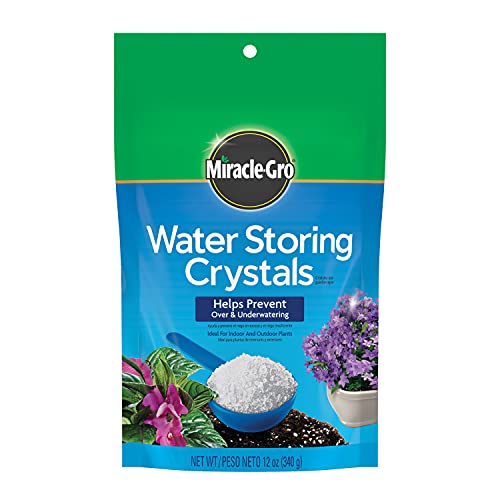
Prevents Over and Under Watering: Miracle-Gro Water Storing Crystals absorb moisture and release it back to your plants as needed, helping to prevent over and underwatering

Waters plants while you are away for up to 3 weeks
Watering Requirements
Water your lettuce consistently to keep the soil moist but not soggy. Check the soil regularly. If the top inch feels dry, it’s time to water. Use a gentle spray or a watering can to avoid disturbing the roots. Aim for about 1-2 inches of water per week, adjusting based on weather conditions.
Ideal Growing Conditions
Choose a spot that receives at least 6-8 hours of sunlight daily. Lettuce prefers cooler temperatures, ideally between 60°F and 70°F. If temperatures rise above 75°F, consider providing shade to protect your plants from bolting. Ensure good air circulation around your lettuce to prevent disease and promote healthy growth.
Conclusion
Growing lettuce without seeds is a fun and rewarding experience that can transform your kitchen scraps into fresh greens. By using leftover lettuce hearts or exploring hydroponic methods, you can enjoy the satisfaction of cultivating your own food while saving money and reducing waste.
Remember to keep an eye on your plants’ needs for water sunlight and temperature to ensure they thrive. Embracing this simple gardening technique not only enhances your culinary adventures but also contributes to a more sustainable lifestyle. So grab those scraps and get started on your lettuce-growing journey today!
Frequently Asked Questions
Can I grow lettuce without seeds?
Yes! You can grow lettuce using leftover lettuce hearts from the kitchen or by using leaf cuttings. This method allows you to cultivate fresh greens without purchasing seeds.
How do I regrow lettuce from kitchen scraps?
Cut the base of a lettuce heart and place it in a bowl of water. Change the water every few days until roots develop. Once the roots are a few inches long, transplant it into soil to encourage further growth.
What is hydroponic lettuce growing?
Hydroponic systems involve growing plants in nutrient-rich water instead of soil. This method promotes faster growth and allows you to grow lettuce anywhere, even in limited spaces.
What care do lettuce plants need?
Lettuce needs consistent watering, ideally 1-2 inches per week, and requires 6-8 hours of sunlight daily. It’s important to keep the soil moist but not soggy and to manage temperatures between 60°F and 70°F.
What are the benefits of growing lettuce without seeds?
Growing lettuce from scraps saves money and reduces food waste. This sustainable practice contributes to environmental health while providing you with fresh greens right from your kitchen scraps.
