

Have you ever craved fresh, crisp lettuce straight from your garden? Growing your own can be rewarding, but knowing when and how to plant it is key. You might be wondering about the best timing or the right techniques to ensure a bountiful harvest.
Key Takeaways
- Lettuce Varieties: Familiarize yourself with different types of lettuce, such as leaf, head, and romaine, to select the best one for your garden’s conditions and your culinary needs.
- Optimal Planting Time: Plant lettuce in cooler seasons, with spring sowing in early March to April and fall planting from August to September, tailored to your local climate.
- Soil Preparation: Ensure well-drained, nutrient-rich soil with a pH between 6.0 and 7.0—conduct soil tests and amend as necessary for a successful harvest.
- Effective Planting Techniques: Utilize direct seeding or transplanting seedlings based on your gardening experience; both methods are effective for growing healthy lettuce.
- Water and Pest Management: Maintain consistent watering (1-2 inches weekly) and monitor for pests and diseases, employing natural pest control methods to protect your crop.
- Location Selection: Choose a sunny spot (at least 6 hours of sun) with good air circulation while considering shade in hotter climates to promote robust lettuce growth.
Understanding Lettuce Varieties
Lettuce comes in several varieties, each offering unique textures and flavors. Knowing these can help you choose the right type for your garden and your meals.
Leaf Lettuce
Leaf lettuce features tender leaves with a loose, open structure. Varieties like Butterhead and Looseleaf grow quickly and tolerate cooler temperatures well. Plant them in early spring or fall for the best results. Select a sunny spot and space seeds about 6 inches apart. Regular watering promotes a crisp texture and vibrant color.
Head Lettuce
Head lettuce forms a compact ball of leaves. Iceberg is the most recognized variety, known for its crunchiness and refreshing taste. To grow head lettuce, plant the seeds in a slightly warmer soil compared to leaf varieties since they thrive in temperatures between 60°F and 70°F. Space them about 12 inches apart and ensure consistent moisture for a successful harvest.
Romaine Lettuce
Romaine lettuce stands out for its sturdy, upright leaves and distinct flavor. It grows best in cooler temperatures, ideally between 55°F and 70°F. Space the seeds about 8 to 12 inches apart. Romaine is particularly suited for spring or fall planting. Consider using a nitrogen-rich fertilizer to promote robust growth and enhance the leaves’ crispness.
Best Time to Plant Lettuce
Planting lettuce at the right time ensures a bountiful harvest. Timing varies based on the variety and your local climate.
Recommended Products

Beautiful - Large, premium packet of a blend of heirloom Lettuce seeds (Latuca sativa). This surprising mix of pretty and colorful lettuces will be a welcome addition to your garden in early spring and fall. Minimum of 600 mg per packet (about 650 seeds).

4 Popular Heirloom Lettuce Varieties: Includes Red Romaine, Bibb Butterhead, Black Seeded Simpson, and Green Ice lettuce seeds to grow crisp, tender, and colorful salad greens with balanced flavor, texture, and visual appeal.
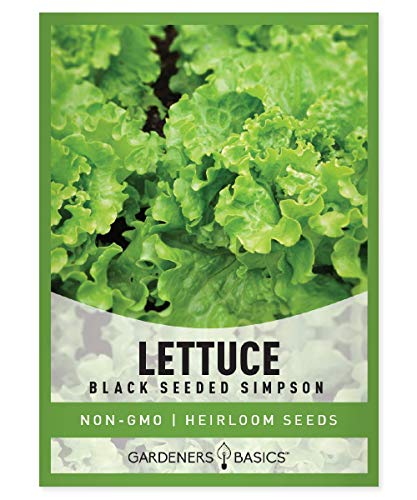
Black Seeded Simpson is a classic heirloom loose leaf lettuce with large, tender green leaves and a mild, sweet flavor. Harvest fresh leaves for salads, sandwiches, wraps, and other homegrown meals.
Seasonal Considerations
Lettuce typically thrives in cooler months. For spring planting, aim for early March to April, depending on your hardiness zone. Fall planting occurs around late summer to early fall, usually August to September. Adjust planting dates slightly for your region.
Climate Impact
Climate plays a key role in lettuce growth. In cooler climates, lettuce grows vigorously when temperatures range from 60°F to 70°F. In warmer areas, consider planting in the shade during the hottest months. Select heat-resistant varieties if you live in warmer regions.
Preparing Your Garden
Preparing your garden is essential for a successful lettuce crop. This section covers soil requirements and choosing the right location for planting lettuce.
Recommended Products

Quick, at home results for Soil pH, Nitrogen, Phosphorous and Potash Innovative and inexpensive soil test kit features an easy-to-use capsule system and patented color comparators

KNOW BEFORE YOU GROW | Grow the healthiest, sustainable lawn and garden with the most accurate and easy to use professional soil test kit on the market

Accurate Soil pH Testing: Dewildetradingco Soil pH Test Strips offer measurements of soil pH levels (pH 3.5-9). As an essential tool for every gardener and grower, these test strips help determine the optimal pH for various plants, such as outdoor plants, indoor plants, gardens, grass lawns, fruit trees, flowers, vegetables, and forest shrubs.
Soil Requirements
Lettuce thrives in loose, well-drained soil with good organic content. Aim for soil that is rich in nutrients, ideally with a pH level between 6.0 and 7.0.
- Test Your Soil: Use a soil test kit to determine nutrient levels and pH. This will guide your amendments.
- Amend If Necessary: If the soil lacks nutrients, incorporate compost or well-rotted manure to enhance fertility.
- Tilling the Soil: Loosen the soil by tilling to a depth of about 12 inches. This improves aeration and drainage.
- Remove Debris: Clear rocks, weeds, and old plant matter to create a clean planting area.
Maintaining healthy soil increases the chances of a robust harvest.
Choosing the Right Location
The right location can significantly impact your lettuce yield. Select an area that meets the following criteria:
- Sun Exposure: Look for a spot that receives at least 6 hours of sunlight daily. Morning sun is ideal, as it warms the soil and encourages growth.
- Shade Considerations: In warmer climates, partial shade during the hottest part of the day protects lettuce from wilting and bolting.
- Water Accessibility: Choose a location with easy access to water. Consistent moisture is crucial for lettuce to thrive.
- Air Circulation: Ensure the area has good airflow to prevent fungal diseases and promote healthy growth.
These steps create an optimal environment for planting lettuce and set the stage for a bountiful harvest.
Planting Techniques
Planting lettuce involves two primary techniques: direct seeding and transplanting seedlings. Each method offers distinct advantages based on your preferences and garden setup.
Recommended Products

【Advanced Pro Grow Lights】Simulate full sunlight with 112 high-efficiency LEDs per seed starter. Customize light for every growth stage using 3 modes, 5 brightness levels, and 3 timers (3/6/12H) to promote faster, healthier growth for your seedlings

12-LED GROW LIGHT PER TRAY — Each of the five seed starting trays features a full-spectrum grow light with 12 LED beads, providing supplemental light for indoor seedlings.

Full-Spectrum and Smart Lighting System: Our seed starter kit is upgraded to 8 LED per dome, with 3 lighting modes including red, blue and white light, Simulating the full spectrum of sunlight to promote photosynthesis and provide the best environment for seed germination. With 5 dimmable levels of light control and 4H/8H/12H/18H timer, you can easily adjust light brightness and illumination time to meet the lighting requirements of each plant at different stages
Direct Seeding
Direct seeding involves sowing seeds directly into the soil. This technique is straightforward and ideal for gardening beginners.
- Choose the Right Time: Plant seeds in early spring or late summer, depending on your region’s climate.
- Prepare the Soil: Ensure the soil is loose and well-drained. Mix in organic matter to enhance fertility.
- Sow Seeds: Place seeds about 1/4 to 1/2 inch deep and space them 12 inches apart for rows. If planting in smaller areas, scatter seeds and thin them later.
- Water: Lightly water the area after planting, keeping the soil moist but not saturated. Germination typically occurs within 7 to 14 days.
- Thin Seedlings: Once seedlings reach about 2 inches tall, thin them to 6 to 12 inches apart, allowing ample room for growth.
Transplanting Seedlings
Transplanting seedlings involves growing seeds indoors and transferring them to the garden later. This method ensures a head start on the growing season.
- Start Seeds Indoors: Begin 4 to 6 weeks before the last frost date. Use seed trays filled with seed-starting mix.
- Water and Light: Keep soil consistently moist and provide plenty of light, either through sunny windows or fluorescent grow lights.
- Harden Off: Gradually acclimate seedlings to outdoor conditions 1-2 weeks before planting. Place them outside for a few hours each day, increasing exposure over time.
- Prepare for Transplanting: Choose a cloudy day or later afternoon for transplanting to reduce stress on seedlings. Space them 6 to 12 inches apart in the garden.
- Plant Carefully: Dig holes deep enough to accommodate the root ball. Gently place the seedling in the hole and cover with soil, firming it lightly around the base. Water thoroughly after planting.
Using these techniques, you can successfully plant lettuce, ensuring a productive garden. Each method allows versatile growing options that cater to your gardening style.
Caring for Your Lettuce
Caring for your lettuce ensures healthy growth and a successful harvest. Focus on watering, pest control, and regular maintenance.
Watering Guidelines
Water your lettuce consistently to keep the soil moist but not soggy. Aim for 1 to 2 inches of water per week, adjusting based on rainfall and temperature. Early morning is the best time to water, allowing leaves to dry before evening to reduce disease risk. Use mulch to help retain moisture and suppress weeds.
Pest and Disease Management
Monitor your lettuce regularly for pests like aphids, slugs, and caterpillars. Use floating row covers to protect seedlings and handpick larger pests. Introduce beneficial insects, such as ladybugs, to control harmful ones naturally. Keep an eye out for common diseases, including downy mildew and lettuce rot. Space plants correctly to ensure good air circulation, which reduces disease likelihood.
Always check your lettuce for signs of stress, such as yellowing leaves, which could indicate nutrient deficiencies or other issues. Regular care will help you maintain a thriving crop.
Conclusion
Growing your own lettuce can be a rewarding experience that adds freshness to your meals. By understanding when and how to plant, you set yourself up for a bountiful harvest. Remember to choose the right variety for your climate and prepare your garden with care.
Whether you opt for direct seeding or transplanting seedlings, both methods can lead to delicious results. Keep an eye on watering and pest management to ensure your lettuce thrives. With a little patience and attention, you’ll be enjoying crisp, homegrown lettuce in no time. Happy gardening!
Frequently Asked Questions
What are the benefits of growing your own lettuce?
Growing your own lettuce offers the satisfaction of harvesting fresh produce, saves money, and allows you to enjoy flavorful varieties. Homegrown lettuce is often more nutritious and can be picked at its peak ripeness, providing a superior taste compared to store-bought options.
When is the best time to plant lettuce?
The best time to plant lettuce varies by type and climate. Generally, sow leaf lettuce in early spring or fall, while head lettuce thrives in warm soil. Romaine does well in cooler temperatures. Spring planting is recommended from early March to April, and fall from late summer to early fall.
What soil conditions are optimal for lettuce?
Lettuce thrives in loose, well-drained soil rich in organic matter. Aim for a pH level between 6.0 and 7.0. Testing soil before planting is essential, and amending it as necessary will ensure the best growing conditions for a robust harvest.
What are the primary planting techniques for lettuce?
The two main planting techniques are direct seeding and transplanting seedlings. Direct seeding involves sowing seeds directly into prepared soil, while transplanting allows you to start seeds indoors for a head start. Both methods cater to different gardening styles and ensure a productive crop.
How often should I water lettuce?
Water lettuce 1 to 2 inches per week, focusing on early morning watering to reduce disease risk. Consistent moisture is crucial for healthy growth, especially during dry spells. Monitor your plants regularly to ensure they receive adequate hydration for optimal development.
How can I manage pests and diseases in my lettuce garden?
Regularly check for pests like aphids and slugs. Use floating row covers for protection and consider introducing beneficial insects for natural pest control. Proper spacing between plants enhances air circulation, reducing disease risk. Keep an eye out for any signs of plant stress to address issues promptly.
