

Have you ever stumbled upon a plant that looks like lettuce but isn’t quite the same? Wild lettuce, with its unique characteristics, can often be found in unexpected places. Knowing where it grows can be a game-changer for foragers, herbalists, or anyone curious about nature.
Key Takeaways
- Natural Habitats: Wild lettuce (Lactuca virosa) thrives in shaded woodlands, along roadsides, open fields, and damp areas, primarily in North America and Europe.
- Growth Conditions: It prefers well-drained soil with a neutral to slightly alkaline pH (6.0-7.5) and benefits from moderate sunlight, achieving heights of up to 4 feet.
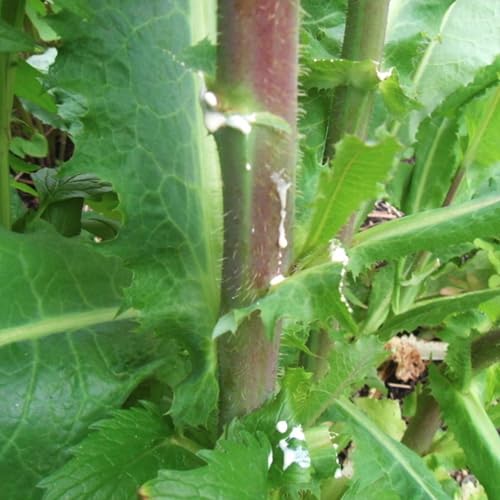
- Identification Features: Look for elongated, deeply lobed leaves, yellow flower heads that appear in late summer, and a stem that releases milky latex when broken.
- Harvesting Tips: Foraging is best done in early spring for tender young leaves; older leaves can be bitter, and proper identification is crucial to avoid confusion with other plants.
- Climate Preferences: Wild lettuce flourishes in mild to warm climates, ideally within temperatures of 60°F to 80°F, and adapts to areas with seasonal variations in rainfall and temperature.
- Companion Planting: It can benefit from being planted alongside companion plants like chicory, cilantro, and borage, which enhance growth and deter pests.
Understanding Wild Lettuce
Wild lettuce, scientifically known as Lactuca virosa, thrives in various environments across North America and Europe. Recognizing its growth locations aids foragers and herbalists in identifying this unique plant.
Preferred Habitats
- Woodlands: Wild lettuce often grows in shaded areas, typically under the canopy of trees.
- Roadsides: You can find it along disturbed areas like roadsides, where soil is loose and sunlight is abundant.
- Fields: It thrives in open fields, especially where grass is sparse.
- Damp Areas: Wild lettuce enjoys moist soil, so look near streams or marshy ground.
Growth Conditions
Wild lettuce prefers well-drained soil with a slightly alkaline to neutral pH. It benefits from moderate sunlight exposure, thriving best in locations receiving partial sun. It grows rapidly in spring, reaching heights of up to 4 feet.
Identification Tips
- Leaves: The leaves are elongated, deeply lobed, and can grow quite large, resembling those of cultivated lettuce.
- Flowers: Yellow flower heads appear in late summer, attracting pollinators.
- Stem: The stem often exudes a milky latex when broken, which is a distinguishing feature.
Harvesting Wild Lettuce
For those interested in foraging, harvest young leaves in early spring when the plant is tender. Avoid older leaves as they may be bitter. Always ensure proper identification before consumption to prevent confusion with other plants.
Knowing where wild lettuce grows allows for a rewarding foraging experience, providing both culinary and medicinal uses.
Natural Habitat of Wild Lettuce
Wild lettuce thrives in diverse habitats that meet its specific needs. You’ll find it across North America and Europe, thriving in various environments.
Climate Preferences
Wild lettuce prefers mild to warm climates with moderate rainfall. It grows well in areas with temperatures ranging from 60°F to 80°F. Areas with seasonal variations, including spring rain and summer warmth, support its rapid growth. Regions that experience slight drought during the late summer can also provide suitable conditions for wild lettuce to flourish.
Soil Requirements
Wild lettuce thrives in well-drained soil with a slightly alkaline to neutral pH, typically between 6.0 and 7.5. Loamy or sandy soils are ideal, allowing for good drainage and root development. Avoid heavy clay soils, as they can retain too much moisture and hinder growth. Regularly amending soil with organic matter enhances nutrient availability, supporting robust plant development.
Geographic Distribution
Wild lettuce, or Lactuca virosa, grows widely across various regions, thriving in specific environments that fit its growth needs. Understanding where it grows helps you find and recognize this unique plant.
Recommended Products
Premium quality heirloom herb seeds package containing 50 Wild Lettuce (Lactuca virosa) seeds, perfect for both beginner and experienced gardeners looking to grow this historic herbal remedy plant.

USDA Zones 5 - 9 Grows Basal Rosette in First Year - Full Plant from Rosette in Second Year

USDA Zones 5 - 9 Grows Basal Rosette in First Year - Full Plant from Rosette in Second Year
North America
In North America, wild lettuce flourishes mainly in the eastern and northern regions. You’ll often discover it in shaded woodlands, along roadsides, and in open fields. It’s common in states like New York, Pennsylvania, and Michigan. Look for it near damp areas or edges of forests where it benefits from the dappled sunlight. The plant typically grows between 2 to 4 feet tall, adapting well to the local climate. It thrives in moderate temperatures, particularly during the spring months.
Europe
In Europe, wild lettuce enjoys a broad distribution across various countries, including the United Kingdom, France, and Germany. You’ll find it in similar environments, such as roadside ditches, meadows, and woodlands. The plant prefers slightly alkaline to neutral soils, often appearing in areas with rich biodiversity. In urban settings, it can often be spotted in neglected gardens and parklands. The typical height remains consistent, reaching up to 4 feet while displaying its distinctive yellow flower heads in late summer.
Asia
In Asia, wild lettuce grows in less concentrated areas. Countries like Turkey and parts of the Middle East have documented populations. These regions often provide warm climates with moderate rainfall, fitting the plant’s growth conditions. Despite being less common than in North America and Europe, wild lettuce still adapts to various soils, emphasizing its resilience. Look for it in similar habitats, such as disturbed sites or along roadsides, where it can establish itself among other vegetation.
Growing Conditions
Wild lettuce thrives under specific conditions. Understanding these can enhance your foraging success and plant growth.
Sunlight and Water Needs
Wild lettuce prefers moderate sunlight and can grow in partial shade or full sun. Aim for at least 4 to 6 hours of sunlight daily. It adapts well to varying water needs but flourishes with consistent moisture. Ensure the soil remains damp but never waterlogged. During dry spells, a light watering can help maintain healthy growth.
Companion Planting
Companion planting can boost wild lettuce growth. Consider planting it alongside beneficial plants. Good companions include:
- Chicory: Shares similar soil and water needs, enhancing nutrient uptake.
- Cilantro: Attracts pollinators, improving overall health in the garden.
- Borage: Builds soil health and deters pests that might harm wild lettuce.
Avoid planting near plants that compete for nutrients or thrive in different conditions, like aggressive weeds or heavy feeders. Mindful pairing can lead to a more fruitful growth experience.
Conclusion
Finding wild lettuce can be a fun and rewarding adventure. With its unique growth habits and preferred environments you can enjoy exploring shaded woodlands or open fields where it thrives. Whether you’re foraging for culinary delights or seeking out its medicinal benefits understanding where and how it grows makes the experience even more fulfilling.
Remember to take your time and enjoy the journey of discovering this fascinating plant. Happy foraging and may you uncover the wonders of wild lettuce in your own backyard or local parks!
Frequently Asked Questions
What is wild lettuce and how is it different from regular lettuce?
Wild lettuce, or Lactuca virosa, closely resembles traditional lettuce but has distinct features like deeply lobed leaves and yellow flower heads. It also contains a milky latex when its stem is broken, setting it apart from common garden varieties.
Where does wild lettuce grow?
Wild lettuce thrives in North America and Europe, commonly found in shaded woodlands, along roadsides, and in open fields. It prefers well-drained soil with a slightly alkaline to neutral pH and has a preference for mild climates.
How can I identify wild lettuce?
You can identify wild lettuce by its elongated, deeply lobed leaves, yellow flower heads that bloom in late summer, and its milky latex when the stem is broken. Young leaves are tender, while older leaves can be bitter.
When is the best time to forage for wild lettuce?
The best time to forage for wild lettuce is in early spring, when young leaves are tender and flavorful. Avoid harvesting older leaves, as they tend to be bitter and less palatable.
What are the ideal growing conditions for wild lettuce?
Wild lettuce prefers moderate sunlight (4 to 6 hours daily), well-drained loamy or sandy soils with a pH of 6.0 to 7.5, and consistent moisture. It can tolerate slight drought but should not be waterlogged.
Where in the world is wild lettuce found?
Wild lettuce is primarily found in the eastern and northern regions of North America, such as New York and Michigan. In Europe, it grows in the UK, France, and Germany, while it is less common in Asia.
What companion plants are beneficial for wild lettuce?
Companion plants like chicory, cilantro, and borage are beneficial for wild lettuce, enhancing its growth. Avoid planting it near heavy feeders or nutrient competitors to optimize its health and yield.

1 Comment
Thanks. very informative