

Have you ever tried growing your own lettuce only to be disappointed by sparse sprouts? You’re not alone! Many new gardeners face the challenge of getting those tiny seeds to germinate. The good news is that with a few simple techniques, you can boost your chances of success and enjoy a bountiful harvest.
Key Takeaways
- Choose the Right Lettuce Seeds: Different types of lettuce seeds, like romaine, butterhead, leaf, crisphead, and oakleaf, offer unique benefits that cater to various gardening preferences.
- Ensure Seed Quality: Opt for fresh, firm seeds from reputable sources, ideally organic and resistant to common diseases, to enhance germination rates.
- Use the Best Soil: A light, well-draining seed-starting mix with a pH of 6.0 to 6.5 is crucial for optimal seed germination, as it promotes aeration and moisture retention.
- Follow the Germination Steps: Prepare seed trays, sow seeds lighty on the surface, label them, water gently, and maintain humidity for successful germination.
- Maintain Ideal Conditions: Keep soil consistently damp, adjust humidity, and provide 12 to 16 hours of light daily at temperatures between 60°F and 70°F for effective seed sprouting.
- Address Common Challenges: Monitor for overwatering and underwatering, and manage temperature fluctuations to ensure healthy and robust seedling growth.
Understanding Lettuce Seeds
Lettuce seeds come in various types, each offering unique growing benefits. Knowing these types helps you choose the best seeds for your garden.
Types of Lettuce Seeds
- Romaine Seeds: These seeds produce tall, upright heads with crisp leaves. Romaine lettuce thrives in cooler temperatures and is great for salads.
- Butterhead Seeds: Ideal for those who enjoy soft, buttery textures. Butterhead varieties yield tender leaves that form loose heads.
- Leaf Lettuce Seeds: These seeds produce loose, leaf-like structures. Leaf varieties, such as red and green lettuce, grow quickly and are perfect for successive planting.
- Crisphead Seeds: Crisphead lettuce forms tightly-packed heads with crunchy leaves. This type requires more caring conditions for optimal growth.
- Oakleaf Seeds: Oakleaf seeds grow distinctive leaves resembling oak trees. They add visual interest while offering a mild flavor.
- Freshness: Quality seeds possess high germination rates. Check the packaging for the date to ensure you’re starting with fresh seeds.
- Appearance: Healthy seeds appear firm and plump. Avoid seeds that look shriveled or discolored.
- Company Reputation: Purchase seeds from reputable suppliers or garden centers. Their standards for seed quality often exceed average expectations.
- Organic Certification: Consider opting for organic seeds. They often come from plants grown without synthetic pesticides or fertilizers, promoting a healthier environment.
- Disease Resistance: Quality seeds frequently display resistance to common diseases. Research seed catalogs for resistant varieties to minimize future pest issues.
Preparing for Germination
Preparing for germination is essential for success in growing lettuce. This stage sets the foundation for healthy seedlings and, ultimately, a bountiful harvest.
Selecting the Right Soil
Selecting the right soil ensures optimal growth for your lettuce seeds. Use a light, well-draining potting mix that includes components like peat moss, vermiculite, or perlite. Aim for a pH level between 6.0 and 6.5 for best results. Instead of using garden soil, which can compact and hinder growth, stick to a quality seed-starting mix specifically designed for germination. This mix promotes aeration and retains moisture, creating an ideal environment for seeds.
Tools and Equipment Needed
Tools and equipment simplify the germination process. Gather the following items to get started:
- Seed trays: Use these for starting multiple seeds in one area. Look for trays with drainage holes.
- Labels: Keep track of different lettuce varieties by labeling each tray or section.
- Watering can or spray bottle: These provide gentle moisture without washing away seeds.
- Plastic wrap or humidity dome: Cover the trays to maintain humidity levels during germination, preventing the soil from drying out.
- Light source: Use grow lights or place trays in a sunny location to provide sufficient light once seeds sprout.
Having the right soil and tools makes the germination process smoother. Following these steps gets your lettuce off to a strong start, setting the stage for healthy plants.
The Germination Process
Germinating lettuce seeds involves a series of precise actions that lead to healthy plants. Follow these steps to improve your chances of successful germination.
Recommended Products

High planting efficiency: Start an indoor herb garden with the Ahopegarden hydroponic growing system, which includes a water reservoir, an overhead LED grow light, and a circulation system that keeps the water fresh. The hydroponic setup and lighting systems allow plants to grow up to faster and healthier in controlled conditions. Simply add plant seeds, water, and nutrients to the reservoir and watch the plants grow

【 Full Spectrum Grow Light&Adjustable brightness】Each tray comes with 2 full-spectrum LED light bars (4000K white + 660nm red + 460nm blue ) .Adjustable brightness lets you fine-tune light intensity for each growth stage, Ideal for starting tomatoes, peppers, lettuce, strawberries, and more.
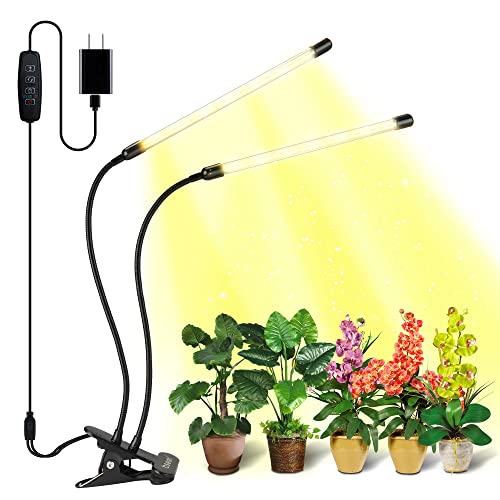
Full Spectrum LED with Yellow and White Combination: Bseah led grow light can promote photosynthesis, germination, growth, flowering and fruiting of plants.
Step-by-Step Guide
- Gather Your Materials: Collect lettuce seeds, potting mix, seed trays, labels, and a spray bottle for watering.
- Prepare the Seed Trays: Fill seed trays with your light, well-draining potting mix. Level the soil to ensure even germination.
- Sow the Seeds: Spread the lettuce seeds evenly across the surface of the soil. Lightly press them into the soil without covering them completely, as lettuce seeds need light to germinate.
- Label the Trays: Clearly label your trays with the seed variety and date of planting. This helps you keep track of different types of lettuce.
- Water Gently: Use a spray bottle to moisten the soil. Ensure it’s damp but not soggy, as excess water can lead to rot.
- Cover for Humidity: Use plastic wrap or a humidity dome to maintain moisture. Remove the cover once you see sprouts.
- Provide Light: Position the trays under fluorescent or LED grow lights for 12 to 16 hours daily. If growing indoors, place them near a sunny window.
Ideal Conditions for Germination
Lettuce seeds thrive in specific conditions for optimal germination. Maintain a temperature between 60°F and 70°F.
| Condition | Ideal Range |
|---|---|
| Soil pH | 6.0 – 6.5 |
| Moisture Level | Consistently damp |
| Light Exposure | 12 – 16 hours daily |
| Temperature | 60°F – 70°F |
Adjust the humidity and light based on your environment. Check daily to ensure seeds remain moist but not waterlogged. The right balance of these factors encourages faster and more consistent germination, leading to healthy seedlings ready for transplanting.
Common Challenges and Solutions
Growing lettuce presents challenges, especially with seed germination. Understanding common issues helps you navigate them effectively.
Recommended Products

All-in-One Convenient Design: The sprouting jar lid's innovative two-in-one structure allows it to double as a sturdy stand—no extra parts needed. This integrated sprouting lid fits securely on 3.74-inch wide-mouth Mason jars, guaranteeing leak-free sprouting

15 Herb Seeds Variety Pack – 4,300 Seeds Included: Start your own herb garden with this all-in-one heirloom herbs seeds kit. Includes Genovese Basil, Sweet Basil, Italian Oregano, Rosemary, Thyme, Cilantro, Dill, Mint, Sage, Lavender, Chives, Garlic Chives, Parsley, Chervil, and Scallions. Each herb seed packet is USA-sourced and tested for high germination. Grow these herb garden seeds in your backyard, windowsill, raised beds, or pots for fresh flavors all season long.

USDA Certified Organic by Oregon Tilth
Overwatering and Underwatering
Overwatering leads to soggy soil that suffocates roots, causing seeds to rot. Signs of overwatering include yellowing leaves or moldy surfaces. Use a moisture meter or stick your finger into the soil up to an inch. If it feels wet, wait before watering again.
Underwatering can stunt growth, causing seeds to dry out. You’ll spot this issue by shriveling or browning leaves. To avoid it, maintain consistent soil moisture. Water gently to keep soil evenly damp, especially during germination.
Dealing with Temperature Fluctuations
Temperature fluctuations can halt germination. Lettuce seeds thrive between 60°F and 70°F. If temperatures drop too low or rise too high, seeds may fail to sprout.
Use heat mats to stabilize temperature. For outdoor planting, cover seeds with row covers to shelter them from cold. Conversely, provide shade if temperatures exceed 70°F. Maintaining ideal conditions enhances germination rates and seedling health.
Conclusion
Growing lettuce can be a rewarding experience when you know the right steps to take. By selecting quality seeds and providing the ideal conditions for germination, you’re setting yourself up for success. Remember to keep an eye on moisture levels and temperature to avoid common pitfalls.
With a little patience and care, you can enjoy fresh, homegrown lettuce right from your garden. So gather your materials and get started on your lettuce-growing journey. You’ll be amazed at how satisfying it is to watch those tiny seeds transform into vibrant plants. Happy gardening!
Frequently Asked Questions
What are common issues with lettuce seed germination?
Poor seed germination in lettuce can stem from various factors, such as low seed quality, inappropriate soil conditions, or inconsistent moisture levels. Overwatering or underwatering can also lead to unsuccessful germination. To improve your chances, focus on using fresh, high-quality seeds, maintaining suitable soil moisture, and creating optimal temperature conditions.
What type of soil is best for germinating lettuce seeds?
For germinating lettuce seeds, a light, well-draining potting mix with a pH between 6.0 and 6.5 is recommended. Unlike regular garden soil, a potting mix helps prevent disease and supports healthy root development, which is crucial for seedling success.
How many hours of light do lettuce seeds need for optimal germination?
Lettuce seeds require 12 to 16 hours of light exposure daily for optimal germination. Providing adequate light helps foster healthy growth and enhances the chances of successful seedling development.
What tools do I need for germinating lettuce seeds?
Essential tools for germinating lettuce seeds include seed trays, labels, a watering can or spray bottle, plastic wrap or a humidity dome, and a light source. These tools help create the perfect environment for seed germination and seedling care.
How can temperature affect lettuce seed germination?
Temperature plays a vital role in lettuce seed germination. Ideally, the temperature should be maintained between 60°F and 70°F. Fluctuations in temperature can hinder the germination process, so using heat mats or row covers can help stabilize conditions for better results.
