

Ever wondered how deep you should plant your lettuce for the best results? You’re not alone. Many gardeners struggle with this simple yet crucial detail, unsure if they’re giving their greens the right start.
Getting the depth just right can make all the difference in your lettuce’s growth and overall health. This article will guide you through the perfect planting depth, ensuring your lettuce thrives and delivers a delicious harvest. With a few tips and tricks, you’ll be on your way to growing fresh, crisp lettuce in no time.
Key Takeaways
- Optimal Planting Depth: For leafy lettuce varieties, plant seeds at a depth of 1/4 to 1/2 inch; for crisphead varieties, aim for 1/2 to 1 inch deep.
- Soil Composition Matters: Use a well-draining loamy mix for optimal growth, ensuring loose, aerated soil with a pH level between 6.0 and 7.0.
- Seedling vs. Direct Sowing: Transplant seedlings 1/4 to 1/2 inch deep; direct sowing should also follow similar depth guidelines depending on soil texture.
- Container Requirements: In containers, maintain a minimum depth of 6 to 8 inches for healthy root development and moisture retention.
- Consistent Watering: Aim to provide 1 to 2 inches of water per week, ensuring soil remains consistently moist but not waterlogged.
- Sufficient Lighting: Ensure lettuce receives at least 12 to 14 hours of bright, indirect sunlight to prevent bolting and promote healthy growth.
Understanding Lettuce Growth Requirements
Understanding lettuce growth requirements helps ensure healthy plants and a fruitful harvest. Lettuce prefers well-draining soil and consistent moisture.
Recommended Products
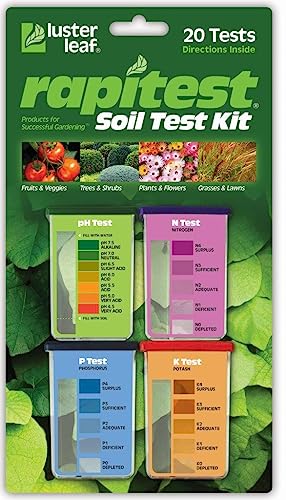
Quick, at home results for Soil pH, Nitrogen, Phosphorous and Potash Innovative and inexpensive soil test kit features an easy-to-use capsule system and patented color comparators

Kindly NOTE: This soil tester can not be applied to test pH value of any other liquid. If the soil is too dry the indicator will not move, and water it before testing.

KNOW BEFORE YOU GROW | Grow the healthiest, sustainable lawn and garden with the most accurate and easy to use professional soil test kit on the market
Soil Composition
Soil composition plays a vital role in lettuce growth. Aim for a loamy mixture that includes organic matter. A blend of topsoil, compost, and peat moss provides the ideal foundation. This mixture retains moisture while allowing for drainage.
- Texture: Soil should be loose and crumbly, promoting root expansion.
- pH Level: Lettuce thrives in a pH range of 6.0 to 7.0. Testing soil with a pH kit can help you adjust if necessary.
- Aeration: Aerated soil promotes healthy root systems. Tilling the soil before planting can enhance aeration.
Nutrient Levels
Nutrient levels significantly affect lettuce health and yield. Start with a balanced fertilizer at planting. Look for a 10-10-10 NPK (Nitrogen-Phosphorus-Potassium) ratio for general nutrition.
- Nitrogen: Essential for leafy growth, making it crucial during the early stages.
- Phosphorus: Supports root development, which establishes strong plants.
- Potassium: Aids overall plant health and improves disease resistance.
Regular soil testing helps ensure nutrient balance. Adding compost or well-rotted manure can boost nutrient content over time. Monitor your plants; yellow leaves may indicate nitrogen deficiency, while dark green leaves can signify excess. Adjusting nutrient levels based on plant needs leads to robust lettuce growth.
Factors Influencing Planting Depth
Planting depth for lettuce relies on several key factors. Understanding these can enhance your success in growing healthy lettuce.
Type of Lettuce
Leafy varieties like romaine and butterhead thrive with shallow planting depths of about 1/4 to 1/2 inch. These species develop rapidly, making them suitable for quick harvests. Crisphead varieties, such as iceberg, prefer a slightly deeper planting of 1/2 to 1 inch. The deeper seeds anchor well and support their robust heads. Be sure to check specific seed packets for precise recommendations, as each variety has unique requirements.
Soil Conditions
Soil conditions can significantly impact planting depth. Well-draining loamy soil allows for easier seed establishment at shallower depths. A compacted or clay-heavy soil may require deeper planting, around 1 inch, to ensure sufficient moisture reaches the seeds. Soil pH also plays a role; a range of 6.0 to 7.0 offers optimal conditions. Poor aeration in soil can restrict roots, so consider loosening soil before planting to promote healthy growth.
Recommended Depth for Growing Lettuce
Planting depth significantly affects lettuce growth. Understanding the differences between seedlings and direct sowing, as well as container versus ground planting, helps ensure optimal conditions.
Recommended Products

OUTDOOR POTTING SOIL: Miracle-Gro Organic Outdoor Potting Mix contains a quick-release natural plant fertilizer and also feeds plants for up to 2 months

HELPS REGULATE SOIL MOISTURE: Miracle-Gro Organic Indoor Potting Soil Mix is an organic potting soil that protects indoor plants against over and under watering

ALL-NATURAL MIX: Burpee Organic Premium Potting Mix is formulated with plant food & coconut coir to promote seed & root growth and healthy flower, vegetable & herb plants. OMRI Listed for organic use.
Seedlings vs. Direct Sowing
Seedlings require different planting depths than direct sowing.
- Seedlings: When transplanting lettuce seedlings, plant them 1/4 to 1/2 inch deep. This shallow depth supports quick root establishment and proper growth.
- Direct Sowing: For direct sowing seeds, the recommended depth ranges from 1/4 to 1/2 inch, depending on soil conditions. Sandy soils allow for shallower planting, while heavier soils can benefit from slightly deeper placement.
Container vs. Ground Planting
The choice between container and ground planting affects your depth decisions.
- Container Planting: Use a depth of at least 6 to 8 inches for container planting. This depth promotes healthy root development and provides adequate moisture retention.
- Ground Planting: In well-draining soil, aim for a depth of 1/4 to 1/2 inch for seeds or seedlings. This ensures roots establish in nutrient-rich layers while preventing waterlogged conditions.
Adhering to these depth guidelines helps maximize your lettuce yield and promotes robust plant health.
Tips for Successful Lettuce Cultivation
Successful lettuce cultivation hinges on a few key practices. Implementing proper care in watering and lighting can boost your yield significantly.
Watering Practices
Water consistency is crucial for lettuce. Aim for about 1 to 2 inches per week, including rainfall. Ensure the soil stays consistently moist but not soggy. Using mulch helps retain moisture. Water early in the morning to reduce evaporation and avoid fungal diseases. Check for soil moisture by sticking your finger into the soil. If it feels dry, water your plants.
Light Requirements
Lettuce thrives in bright, indirect sunlight. Provide at least 12 to 14 hours of light daily, especially for indoor growth. If the plants don’t receive enough light, they may bolt or become leggy. For outdoor gardens, select a spot that gets morning sun and afternoon shade. During warmer months, consider using shade cloth if temperatures exceed 75°F. This protects the plants from wilting and preserves their crisp texture.
Conclusion
Growing lettuce can be a rewarding experience when you know the right depth and care techniques. By paying attention to soil conditions and moisture levels you can set your plants up for success.
Remember to adjust your planting depth based on whether you’re using seedlings or direct sowing. Consistent watering and the right amount of sunlight are key to healthy growth.
With a little patience and attention you’ll be enjoying fresh lettuce in no time. Happy gardening!
Frequently Asked Questions
What are the essential soil requirements for growing lettuce?
Lettuce thrives in well-draining soil enriched with organic matter. Ideally, the soil should have a loamy texture, a neutral pH of around 6.0 to 7.0, and adequate aeration. Consistent moisture is crucial, so check that the soil retains moisture without becoming soggy.
How deep should I plant lettuce seeds?
For seedlings, plant them 1/4 to 1/2 inch deep. If you are direct sowing, the same depth is recommended, but it may vary slightly based on soil conditions. In container gardening, ensure the pot is at least 6 to 8 inches deep for proper root development.
How often should I water my lettuce?
Lettuce requires consistent moisture, ideally receiving about 1 to 2 inches of water per week. Utilize mulch to help retain soil moisture, and water early in the morning to prevent excess evaporation and ensure the plants stay hydrated.
How much sunlight does lettuce need?
Lettuce grows best with 12 to 14 hours of light daily. Indoors, bright, indirect sunlight is ideal, while outdoor gardens should have morning sun and afternoon shade. During hotter months, consider using shade cloth to prevent wilting from excessive heat.
What nutrients does lettuce need for optimal growth?
Lettuce needs a balanced fertilizer that provides nitrogen, phosphorus, and potassium for healthy growth. Regularly monitor the plant’s health, adjusting nutrient levels as needed to correct any deficiencies or excesses for the best harvest.
