

Do your potted tomatoes often look droopy, leaving you wondering if you’re giving them enough water? Picture this: you carefully planted those vibrant tomato seedlings, eagerly anticipating a bountiful harvest, only to find yourself unsure about how much water they really need. How can you strike the right balance between too little and too much watering?
In this article, we’ll guide you through the art of watering potted tomatoes to help your plants thrive. Discover the simple yet crucial tips that will empower you to nurture your tomatoes effectively. By understanding how often and how deeply to water your potted tomatoes, you’ll be equipped with the knowledge needed to cultivate robust plants and enjoy a plentiful tomato harvest.
Key Takeaways
- Factors like pot size, tomato variety, and environmental conditions influence how often potted tomatoes should be watered.
- Signs of underwatering include wilting leaves and dry soil, while overwatering can lead to yellowing leaves and root rot.
- Choosing the right soil mix, pot size, and material are crucial for optimal watering practices.
- Establishing a watering schedule based on seasonal variations and using technology tools like soil moisture meters can help maintain healthy potted tomatoes.
- Mulching techniques such as organic or plastic mulch, along with efficient watering methods like self-watering pots or soil moisture meters, aid in conserving water and promoting plant growth.
Understanding the Water Needs of Potted Tomatoes
To ensure your potted tomatoes thrive, it’s essential to understand their water requirements. Here are key factors influencing how often you should water them and signs indicating if they’re not getting enough or receiving too much water.
Recommended Products
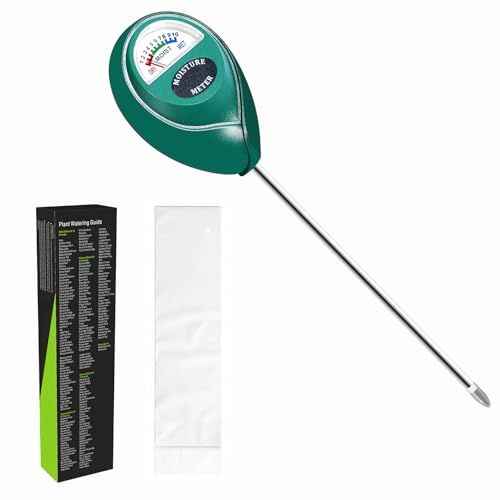
Trusted Since 2015: Become one of the many plant lovers who rely on the proven accuracy of XLUX. Established in 2015, our soil moisture meter has earned over 60,000+ verified ratings for its consistent performance. While many many newer brands come and go, we provide the long-term reliability and quality that American households have trusted for over a decade.

Accurate Soil Moisture Detection: The XLUX Soil Moisture Meter can tell you if the soil deep inside your pot or garden is dry, moist or wet; whereas your eyes and fingers can only determine the moisture level of the soil surface. The probe is 5.5 inches (14 cm) longer than regular styles, allowing it to measure the soil moisture at the bottom of larger and deeper flower pots.

Accurate Soil Moisture Detection: The XLUX Soil Moisture Meter can tell you if the soil deep inside your pot or garden is dry, moist or wet; whereas your eyes and fingers can only determine the moisture level of the soil surface. The probe is 5.5 inches (14 cm) longer than regular styles, allowing it to measure the soil moisture at the bottom of larger and deeper flower pots.
Factors Influencing Water Requirements
- Pot Size: Larger pots hold more soil and retain moisture longer, requiring less frequent watering compared to smaller containers.
- Tomato Variety: Determinate tomatoes need less water than indeterminate ones due to their compact size and shorter growing season.
- Environmental Conditions: Hotter temperatures increase evaporation rates, necessitating more frequent watering in summer months.
- Underwatering:
- Wilting leaves that don’t perk up after watering.
- Dry soil that pulls away from the pot edges.
- Stunted growth or yellowing lower leaves.
- Overwatering:
- Yellowing leaves with a droopy appearance.
- Moldy or foul-smelling soil.
- Root rot leading to wilting despite moist soil.
By recognizing these factors and signs, you can adjust your watering schedule accordingly to keep your potted tomatoes healthy and thriving.
Best Practices for Watering Potted Tomatoes
When it comes to watering potted tomatoes, following best practices ensures healthy growth and a bountiful harvest. Here are some key tips to help you optimize your watering routine:
Choosing the Right Soil Mix
Selecting the appropriate soil mix is crucial for potted tomato plants. Opt for well-draining soil that retains moisture without becoming waterlogged. A good mix might include peat moss, perlite, and compost to provide nutrients while allowing excess water to drain away.
The Role of Pot Size and Material
The size and material of your pots play a significant role in how often you should water your tomatoes. Larger pots retain moisture better than smaller ones, reducing the frequency of watering required. Additionally, clay pots allow better airflow to the roots compared to plastic pots, aiding in preventing overwatering issues.
By considering these factors when watering your potted tomatoes, you can ensure they receive the right amount of water for optimal growth and productivity.
Scheduling Watering for Optimal Growth
To ensure your potted tomatoes thrive, it’s crucial to establish a watering schedule that caters to their specific needs. Let’s delve into two key aspects that can help you fine-tune your watering routine.
Seasonal Variations in Watering Frequency
Understanding how seasonal changes impact your potted tomatoes’ water requirements is essential for their overall health. During hot summer months, plants tend to lose moisture quickly and may need more frequent watering, while in cooler seasons, they require less water. Adjust your watering frequency accordingly to account for these variations and prevent issues like root rot due to overwatering or wilting from underwatering.
Using Technology to Monitor Moisture Levels
Employing technology tools like soil moisture meters or smart irrigation systems can be invaluable in gauging the exact moisture levels of your potted tomato plants. These devices provide real-time data on soil conditions, allowing you to water your plants precisely when needed without guesswork. By leveraging technology, you can optimize your watering practices and ensure that your tomatoes receive just the right amount of hydration for optimal growth.
By adapting your watering schedule based on seasonal cues and utilizing modern monitoring tools, you’ll be equipped to nurture healthy potted tomatoes throughout their growth cycle.
Tips for Efficient Water Use
When it comes to watering your potted tomatoes efficiently, there are a few key tips to keep in mind that can help you maintain healthy plants and optimize growth.
Mulching Techniques
Mulching is a beneficial practice that can help conserve moisture in the soil, reduce weed growth, and regulate soil temperature around your potted tomatoes. Here are some mulching techniques you can use:
- Organic Mulch: Consider using organic materials like straw, shredded leaves, or compost as mulch around your potted tomatoes. These materials not only retain moisture but also enrich the soil as they decompose.
- Plastic Mulch: Using plastic mulch can also be effective in conserving water by reducing evaporation from the soil. Black plastic mulch, for example, absorbs heat and helps warm the soil while preventing moisture loss.
Watering Methods and Tools
Choosing the right watering methods and tools is essential for efficient water use when caring for potted tomatoes. Here are some practical tips:
- Watering at Soil Level: When watering your potted tomatoes, aim to water at the base of the plant rather than overhead. This helps deliver water directly to the roots where it’s needed most.
- Self-Watering Pots: Consider using self-watering pots or containers with built-in reservoirs that allow plants to absorb water as needed. These pots can help maintain consistent moisture levels and prevent overwatering.
- Soil Moisture Meters: Investing in a soil moisture meter can be a useful tool for monitoring the moisture level in the soil accurately. By using a meter, you can determine when it’s time to water your potted tomatoes based on data rather than guesswork.
By incorporating these mulching techniques and adopting efficient watering methods along with appropriate tools like soil moisture meters, you’ll be better equipped to meet the water needs of your potted tomatoes effectively throughout their growth cycle.
Conclusion
Now that you have a better understanding of how to water your potted tomatoes, you can confidently nurture your plants to thrive. By considering factors like pot size, tomato variety, and signs of overwatering or underwatering, you can tailor your watering routine to meet their specific needs. Remember to choose the right soil mix, pot size, and establish a suitable watering schedule. Implement efficient watering techniques such as mulching, watering at soil level, using self-watering pots, and monitoring soil moisture levels accurately with meters. With these strategies in place, you’ll be well-equipped to ensure the healthy growth and development of your potted tomatoes. Happy gardening!
Frequently Asked Questions
What factors should be considered when watering potted tomatoes?
When watering potted tomatoes, consider pot size, tomato variety, and signs of overwatering or underwatering to ensure proper water management.
How can I improve water efficiency for potted tomatoes?
Enhance water efficiency by using mulching techniques with organic or plastic mulch, watering at soil level, utilizing self-watering pots, and employing soil moisture meters for accurate monitoring.
What are some key tips for watering potted tomatoes effectively?
Select the right soil mix that retains moisture but drains well, choose an appropriate pot size based on plant growth stage, and establish a consistent watering schedule tailored to your tomato plants’ needs.
