

Ever wondered why your tomato plant is sporting those mysterious white spots? Picture this: you’ve been diligently caring for your garden, eagerly anticipating a bountiful harvest, only to find these puzzling markings on your prized tomatoes. Frustrating, isn’t it?
Key Takeaways
- White spots on tomato plants can be caused by issues like powdery mildew, sunscald, leaf miner damage, and tomato mosaic virus.
- Identifying the specific patterns of white spots can help pinpoint the underlying problem affecting your tomato plant.
- Environmental factors such as sunlight exposure, humidity levels, and moisture play a significant role in the development of white spots on tomato leaves.
- Common pests like spider mites and diseases like powdery mildew can impact the health of your tomato plants and require proactive treatment.
- Proper watering techniques, balanced nutrient supply, and organic fertilizers are essential for maintaining healthy tomato plants and preventing white spot issues.
Understanding White Spots on Tomato Plants
If you’re puzzled by the appearance of white spots on your tomato plants, understanding the underlying causes and symptoms can help you address this issue effectively.
Common Causes of White Spots
- Powdery Mildew: This fungal disease is a common culprit for white spots on tomato leaves. It thrives in warm, humid conditions and appears as powdery patches on the foliage.
- Sunscald: Exposure to intense sunlight can lead to white or pale spots on tomatoes. This typically occurs when fruits are left exposed without sufficient leaf coverage.
- Leaf Miner Damage: These tiny insects tunnel through plant tissues, leaving behind distinctive white trails or blotches on the leaves.
- Tomato Mosaic Virus: A viral infection that causes light green or yellowish-white mottling on tomato leaves, often accompanied by stunted growth.
- White Powdery Residue: If you notice a powdery substance covering your tomato plant’s leaves, it’s likely an indication of powdery mildew infection.
- Irregular White Patches: Sunscald damage manifests as irregularly shaped white areas on tomatoes directly exposed to intense sunlight.
- Trail-Like Patterns: Leaf miner infestations leave narrow, winding tracks or patches of white damage as they feed within the leaf tissue.
- Mottled Leaves: The presence of light green or yellowish-white patterns on tomato leaves could signal a viral infection like tomato mosaic virus.
Understanding these common causes and symptoms can guide you in taking appropriate measures to protect your tomato plants from further damage and ensure a healthy harvest.
Investigating Environmental Factors
When looking into why your tomato plant has white spots, environmental factors play a crucial role in the health of your plants. Let’s explore how sunlight and shade, as well as humidity and moisture levels, can impact the appearance of white spots on your tomato leaves.
Impact of Sunlight and Shade
Sunlight is essential for the growth of tomato plants; however, excessive exposure to direct sunlight can lead to sunscald, causing white or pale areas on the leaves. In contrast, inadequate sunlight due to shading from nearby structures or other plants may result in stunted growth and susceptibility to diseases like powdery mildew. Ensure your tomato plants receive adequate but not overpowering sunlight to maintain their health.
Effects of Humidity and Moisture
High humidity levels can create a favorable environment for powdery mildew, a common fungal disease that manifests as white powdery spots on the leaves. On the other hand, excessive moisture from overwatering or poor drainage can lead to root rot, affecting nutrient uptake and causing stress that may present as discoloration or white spots on the foliage. Strike a balance by watering your tomato plants appropriately based on their specific needs to prevent these issues.
Common Pests and Diseases
When it comes to your tomato plants, being aware of common pests and diseases is crucial for maintaining their health. Here’s a breakdown of two prevalent issues you may encounter:
Recommended Products

Corrects calcium deficiency
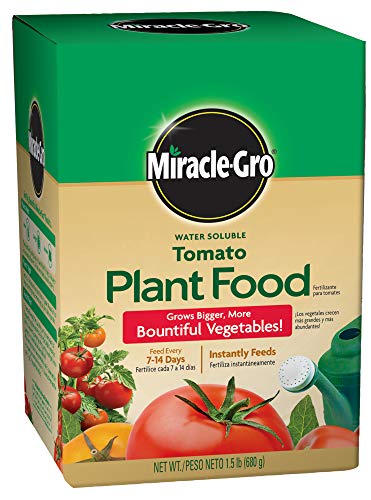
Instantly feeds to grow bigger, more bountiful vegetables versus. unfed plants

FOR USE ON: Use Tomato-tone organic fertilizer for all types of tomatoes; both heirloom and hybrid. It Produces plump, abundant tomatoes, not unwanted foliage. Can also be used on all vegetables.
Powdery Mildew and Its Treatment
Powdery mildew is a fungal disease that often affects tomato plants, appearing as white powdery spots on the leaves. To treat powdery mildew effectively, consider the following steps:
- Prune Infected Leaves: Remove any affected leaves to prevent the spread of the disease.
- Improve Air Circulation: Ensure proper air circulation around your plants by spacing them adequately.
- Apply Fungicides: Use fungicides specifically formulated to combat powdery mildew, following instructions carefully.
Spider Mites and How to Control Them
Spider mites are tiny pests that can wreak havoc on your tomato plants by causing discoloration and white speckling on the leaves. To control spider mites, try these strategies:
- Spray with Water: Regularly spray your plants with water to dislodge spider mites from the foliage.
- Introduce Predatory Insects: Consider introducing beneficial insects like ladybugs that feed on spider mites.
- Use Neem Oil: Apply neem oil, a natural insecticide, to help deter spider mite infestations.
By staying vigilant for signs of powdery mildew and spider mites on your tomato plants and taking proactive measures to address these issues promptly, you can help ensure healthy growth and bountiful harvests.
Prevention and Care Tips
When it comes to maintaining the health of your tomato plants and preventing white spots, there are certain practices you can follow. Here are some tips to help you ensure your tomato plants stay healthy:
Recommended Products
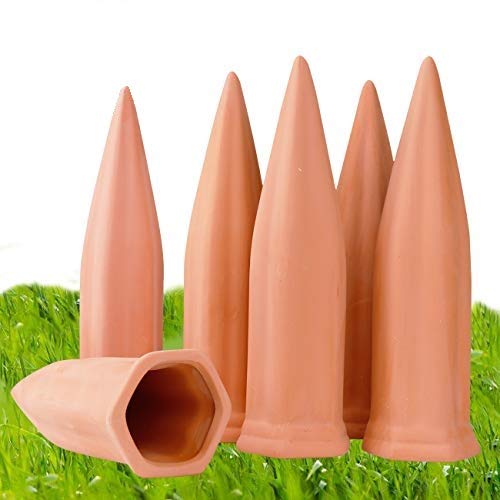
Made of Terracotta - Slow Release Water Automatically: The plant watering device is made from terracotta clay, which is a little fragile due to its property. The terracotta watering spikes will release water automatically. Thinner the spikes, faster the draining speed. Therefore, you may still find the spikes broken when you receive it. Do not worry. Remiawy will take full responsibility for that

DIY Vacation Self-watering System: Put the one end to a water source, this watering wick will transport water to the other end automatically, and drip within 15 minutes (the practical time depends on the length of the rope you cut off; make this watering rope completely soaked in water before use then it will drip instantly). Easy to make a DIY automatic watering device system, help you care your plants while you are away from home or when you go outside or on business

Indoors or Outdoors, SteadySpring Watering Mat irrigation system will properly irrigate 10- and 12-inch containers up to 3 gallons in size. Must use potting soil for the mat to irrigate effectively. MUST USE 12” DIA. MAT IN CONTAINERS! THEY ARE TOO SMALL FOR IN-GROUND PLANTINGS!
Best Practices for Watering
- Consistent Moisture: Ensure the soil is consistently moist but not waterlogged. Inconsistent watering can lead to stress on the plants, making them more susceptible to diseases.
- Water at the Base: When watering your tomato plants, aim for the base of the plant rather than overhead. This helps prevent moisture-related issues like powdery mildew.
- Morning Watering: It’s best to water your plants in the morning so that any excess moisture has a chance to evaporate during the day, reducing the risk of fungal infections.
- Balanced Nutrients: Select a balanced fertilizer specifically formulated for tomatoes. Look for options with equal ratios of nitrogen, phosphorus, and potassium (N-P-K) to promote healthy growth.
- Organic Options: Consider using organic fertilizers that release nutrients slowly and improve soil structure over time. These can be gentler on your plants while providing long-lasting benefits.
By following these watering and fertilizing practices, you can create an optimal environment for your tomato plants, helping them thrive and reducing the chances of developing white spots caused by various factors mentioned earlier.
Conclusion
You’ve now learned about the various reasons why your tomato plant may develop white spots. By understanding the potential causes such as powdery mildew, sunscald, leaf miner damage, and tomato mosaic virus, you can take proactive measures to address these issues. Remember to keep an eye out for common pests like spider mites and diseases like powdery mildew to prevent further damage. Implementing proper care techniques such as pruning, ensuring adequate air circulation, and using natural remedies can help maintain the health of your tomato plants. By following the prevention and care tips discussed in this article, you’ll create a favorable environment for your tomato plants to thrive and minimize the occurrence of white spots on their leaves.
Frequently Asked Questions
What causes white spots on tomato plants?
White spots on tomato plants can be caused by issues like powdery mildew, sunscald, leaf miner damage, and tomato mosaic virus.
How can I address powdery mildew on my tomato plants?
To address powdery mildew on your tomato plants, consider pruning affected areas, improving air circulation around the plants, and using natural remedies like neem oil or a milk spray.
What are some common pests that affect tomato plants?
Common pests that affect tomato plants include spider mites, aphids, whiteflies, and hornworms.
How can I prevent white spots on my tomato plants?
Prevent white spots on your tomato plants by maintaining consistent moisture levels, watering at the base in the morning to avoid wet leaves overnight, providing balanced nutrients, and using organic fertilizers.
