Close Menu
    Veggie Knowledge
    • Home
    • Grow Vegetables
      • Carrots
      • Cucumbers
      • Broccoli
      • Green Beans
      • Beets
    • Gardening Advice
    • Tools
    • Free eBook
    • About
      • Contact
      • Privacy Policy
    Veggie Knowledge
    Home»Carrots»When to Plant Carrots in North Carolina: Complete Guide for Successful cultivation
    Carrots

    When to Plant Carrots in North Carolina: Complete Guide for Successful cultivation

    Lucy StoneBy Lucy StoneJune 12, 20245 Mins Read
    Share Facebook Pinterest
    Share
    Facebook Pinterest

    Ever wondered when the perfect time is to get those crunchy, vibrant carrots growing in your North Carolina garden? Picture this: spring is in full swing, and you’re eager to sow the seeds for a bountiful harvest. But wait, when’s the right moment to kickstart your carrot-growing journey?

    Contents show
    1 Understanding Carrot Planting Seasons in North Carolina
    2 Factors to Consider Before Planting Carrots
    3 Best Practices for Planting Carrots in NC
    4 Maintaining and Harvesting Carrots
    5 Conclusion
    6 Frequently Asked Questions
    6.1 What is the ideal soil type for planting carrots in North Carolina?
    6.2 What pH level is recommended for growing carrots in North Carolina?
    6.3 How much sunlight do carrots need in North Carolina?
    6.4 How deep should I plant carrots in North Carolina?
    6.5 Are there any recommended companion plants for carrots in North Carolina?
    6.6 How far apart should carrot seeds be spaced when planting in North Carolina?
    6.7 How often should I water my carrots in North Carolina?
    6.8 How can I control weeds when growing carrots in North Carolina?
    6.9 When should I harvest carrots in North Carolina for the best flavor?

    Imagine having a fresh supply of homegrown carrots to elevate your salads, stews, and snacks. Knowing when to plant carrots in NC can make all the difference in reaping a successful crop.

    Understanding Carrot Planting Seasons in North Carolina

    Planting carrots in North Carolina depends on the specific region you’re in. Here’s a breakdown to guide you:

    • Coastal Regions:
    • Plant carrots as early as late January to mid-February.
    • Extend your planting until mid-March for a continuous harvest.
    • Piedmont Regions:
    • Start planting from late February to mid-March.
    • Continue planting up to early April for a prolonged harvest season.
    • Mountain Regions:
    • Begin planting around mid-March.
    • You can plant through early May for successive carrot crops.

    Factors to Consider Before Planting Carrots

    When it comes to planting carrots in North Carolina, there are a few key factors to take into account to ensure a successful harvest. Here are some considerations to keep in mind before you start planting:

    • Soil Quality:
    • Ensure the soil is well-drained and loose to promote healthy root development.
    • pH Level: Carrots prefer a pH level between 6.0 and 6.8 for optimal growth.
    • Sunlight:
    • Choose a planting location that receives full sunlight for at least 6-8 hours a day for best results.
    • Temperature:
    • Carrots thrive in cooler temperatures, so it’s important to plant them early enough to avoid extreme heat.
    • Companion Plants:
    • Consider planting carrots alongside beneficial companion plants like onions, leeks, or radishes to help ward off pests and promote growth.
    • Spacing:
    • When planting carrot seeds, ensure they are spaced at least 2 inches apart to allow room for proper root development.
    • Watering:
    • Keep the soil consistently moist but not waterlogged to encourage germination and growth.
    • Weeding:
    • Regularly weed your carrot bed to prevent competition for nutrients and ensure healthy carrot growth.
    MUST READ:  When to Plant Carrots in Arkansas: Essential Guide for Successful Growth

    By taking these factors into consideration before planting your carrots, you can set yourself up for a successful and bountiful harvest.

    Recommended Products
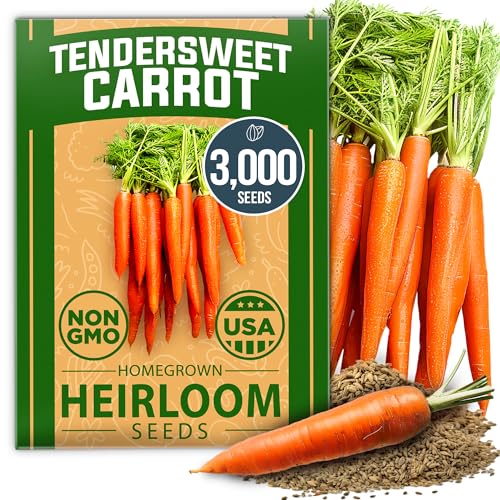
    HOME GROWN Tendersweet Carrot Seeds, 3,000+ Seeds, Daucus carota sativus | High Germination, Heirloom, Non-GMO | 3,000+ Seeds | Sweetest Coreless Root | Crunchy Summer Garden | Great for Canning
    HOME GROWN Tendersweet Carrot Seeds, 3,000+ Seeds, Daucus carota sativus | High Germination, Heirloom, Non-GMO | 3,000+ Seeds | Sweetest Coreless Root | Crunchy Summer Garden | Great for Canning

    Premium Tendersweet Carrot Seeds: Authentic Open-Pollinated Premium Heirloom Seeds (USA) Non-GMO, Untreated, High Germination Rate. Phenomenal dessert Brix profile. High-impact carotene energy. An outstanding orange monolith for open ground, high ridges, and patio containers. Your garden bed is your pride.
    VIEW LATEST PRICE

    As an affiliate, we earn on qualifying purchases.

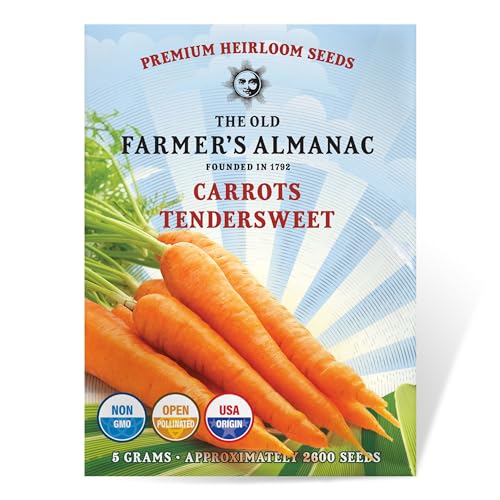
    The Old Farmer's Almanac Heirloom Carrot Seeds (Tendersweet) - Approx 2600 Seeds - Non-GMO, Open Pollinated
    The Old Farmer's Almanac Heirloom Carrot Seeds (Tendersweet) - Approx 2600 Seeds - Non-GMO, Open Pollinated

    Premium Seeds: Tendersweet heirloom carrot variety offering approximately 2600 seeds for extensive garden planting and multiple growing seasons

    VIEW LATEST PRICE

    As an affiliate, we earn on qualifying purchases.

    The Carrot Seed
    The Carrot Seed
    VIEW LATEST PRICE

    As an affiliate, we earn on qualifying purchases.

    Best Practices for Planting Carrots in NC

    When it comes to planting carrots in North Carolina, there are a few key practices to keep in mind to ensure a successful harvest. Here’s what you need to know:

    • Soil Preparation: Before planting, make sure your soil is loose, well-draining, and free of rocks to allow the carrots to grow straight.
    • pH Level: Carrots prefer a slightly acidic to neutral pH around 6.0-6.8. Consider testing your soil to adjust if needed.
    • Sunlight Exposure: Choose a planting location that receives full sun for at least 6-8 hours a day for optimal growth.
    • Planting Depth: Carrot seeds should be sown 1/4 to 1/2 inch deep in well-prepared soil for successful germination.
    • Companion Plants: Consider planting carrots near onions, leeks, or tomatoes to benefit from natural pest control and mutual growth support.
    • Spacing: Thin the carrot seedlings to 2-3 inches apart to allow enough room for the roots to develop properly.
    • Watering: Keep the soil consistently moist but not waterlogged to promote steady growth and prevent cracking.
    • Weeding: Regularly remove weeds around the carrot plants to prevent competition for nutrients and space.

    Recommended Products

    Rapitest Soil Test Kit for Gardens, Vegetables, Flowers and Lawns. USA designed and assembled soil tester completely, quickly and accurately measures/analyzes soil pH acidity and garden nutrients.
    Rapitest Soil Test Kit for Gardens, Vegetables, Flowers and Lawns. USA designed and assembled soil tester completely, quickly and accurately measures/analyzes soil pH acidity and garden nutrients.

    Quick, at home results for Soil pH, Nitrogen, Phosphorous and Potash Innovative and inexpensive soil test kit features an easy-to-use capsule system and patented color comparators

    MUST READ:  Growing Carrots in Sand: Harvesting Tips and Enjoyment Ideas
    VIEW LATEST PRICE

    As an affiliate, we earn on qualifying purchases.

    SONKIR Soil pH Meter, MS02 3-in-1 Soil Moisture/Light/pH Tester Gardening Tool Kits for Plant Care, Great for Garden, Lawn, Farm, Indoor & Outdoor Use (Green)
    SONKIR Soil pH Meter, MS02 3-in-1 Soil Moisture/Light/pH Tester Gardening Tool Kits for Plant Care, Great for Garden, Lawn, Farm, Indoor & Outdoor Use (Green)

    Kindly NOTE: This soil tester can not be applied to test pH value of any other liquid. If the soil is too dry the indicator will not move, and water it before testing.

    VIEW LATEST PRICE

    As an affiliate, we earn on qualifying purchases.

    MySoil Soil Test Kit, Unlock Your Lawn & Garden Potential, Complete & Accurate Nutrient and pH Analysis with Recommendations Tailored to Your Soil and Plant Needs
    MySoil Soil Test Kit, Unlock Your Lawn & Garden Potential, Complete & Accurate Nutrient and pH Analysis with Recommendations Tailored to Your Soil and Plant Needs

    KNOW BEFORE YOU GROW | Grow the healthiest, sustainable lawn and garden with the most accurate and easy to use professional soil test kit on the market

    VIEW LATEST PRICE

    As an affiliate, we earn on qualifying purchases.

    Maintaining and Harvesting Carrots

    When your carrot tops reach a height of about 3 inches, thin the seedlings to ensure they have enough room to grow properly. Leave about 2 inches between each plant to prevent overcrowding.

    Mulching around your carrot plants can help retain moisture in the soil, regulate temperature, and reduce weed growth. It’s a simple yet effective way to support healthy carrot development throughout the growing season.

    As your carrots continue to mature, you’ll notice their roots developing color and size. For most varieties, you can start harvesting carrots when they reach a desirable size, typically around 3/4 to 1 inch in diameter. Gently loosen the soil around the base of the greens and pull the carrots out. Freshly harvested carrots are crisp, flavorful, and perfect for enjoying raw or in your favorite dishes.

    Optimal Carrot Harvesting Size:3/4 to 1 inch in diameter

    Recommended Products

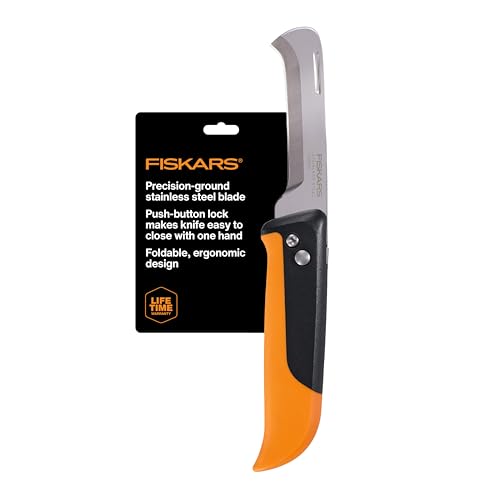
    Fiskars Folding Produce Knife, Gardening Tool for Harvesting Vegetables | Foldable Ergonomic Design, Stainless Steel Curved Blade
    Fiskars Folding Produce Knife, Gardening Tool for Harvesting Vegetables | Foldable Ergonomic Design, Stainless Steel Curved Blade

    FOLDING PRODUCE KNIFE: Ideal for clean, precise harvesting of smaller garden stalks and stems

    VIEW LATEST PRICE

    As an affiliate, we earn on qualifying purchases.

    Garden Silicone Thumb Knife, Harvesting Tools for Garden, Harvesting Knife with Cut Resistant Finger Cots, Garden Tool Set for Trimming Plant, Gardening Gifts and Kitchen Help
    Garden Silicone Thumb Knife, Harvesting Tools for Garden, Harvesting Knife with Cut Resistant Finger Cots, Garden Tool Set for Trimming Plant, Gardening Gifts and Kitchen Help

    Our Harvesting tool set is designed for garden harvesting, also ideal for pruning and kitchen use. You can wear the silicone knife with the cut resistant finger protector for comfortable, safe and efficient work.

    MUST READ:  How Deep Should Your Raised Bed Be for Growing Plump Carrots? Tips Inside
    VIEW LATEST PRICE

    As an affiliate, we earn on qualifying purchases.

    Manganese Steel Hand Sickle Blade with Replaceable Handle Design - Detachable Garden Harvesting Tool for Weeding, Grass Cutting and Farming (Handle Not Included)
    Manganese Steel Hand Sickle Blade with Replaceable Handle Design - Detachable Garden Harvesting Tool for Weeding, Grass Cutting and Farming (Handle Not Included)

    Adjustable Fit: This manganese steel hand sickle blade features a replaceable handle design that fits handles under 1.5 inches in diameter. Use PVC pipes, branches, or wooden poles to create a hand sickle or garden sickle suited to different gardening and farming tasks

    VIEW LATEST PRICE

    As an affiliate, we earn on qualifying purchases.

    Conclusion

    You now have all the essential information to successfully plant carrots in North Carolina. Remember to focus on soil preparation, pH levels, sunlight exposure, planting depth, companion plants, spacing, watering, and weeding. By following these guidelines, you’ll be on your way to growing delicious and nutritious carrots in your own backyard. Don’t forget to thin seedlings, use mulch for moisture retention and weed control, and harvest your carrots at the right size for the best flavor and texture. Happy planting!

    Frequently Asked Questions

    What is the ideal soil type for planting carrots in North Carolina?

    Carrots thrive in loose, well-draining soil in North Carolina.

    What pH level is recommended for growing carrots in North Carolina?

    A slightly acidic to neutral pH level is ideal for carrot cultivation in North Carolina.

    How much sunlight do carrots need in North Carolina?

    Carrots require full sun exposure for optimal growth in North Carolina.

    How deep should I plant carrots in North Carolina?

    Plant carrots at a depth of 1/4 to 1/2 inch in North Carolina.

    Are there any recommended companion plants for carrots in North Carolina?

    Consider planting onions, leeks, and chives as companion plants for carrots in North Carolina.

    How far apart should carrot seeds be spaced when planting in North Carolina?

    Space carrot seeds about 2 inches apart when planting in North Carolina.

    How often should I water my carrots in North Carolina?

    Water carrots regularly to maintain consistent moisture levels in North Carolina.

    How can I control weeds when growing carrots in North Carolina?

    Manage weeds by mulching around carrot plants to suppress weed growth.

    When should I harvest carrots in North Carolina for the best flavor?

    Harvest carrots in North Carolina when they reach a size of 3/4 to 1 inch in diameter for optimal flavor and texture.

    Share. Facebook Twitter Pinterest LinkedIn Tumblr WhatsApp Email
    Previous ArticleOptimize Your Garden Space: Planting Green Beans and Radishes Together Guide
    Next Article Discover Sustainable Broccoli Farming Strategies for Environmental Stewardship
    lucy stone
    Lucy Stone

      Hi, I'm Lucy! As a passionate gardener and writer for Veggie Knowledge, I've dedicated my life to exploring the secrets of successful vegetable growing. My love for gardening blossomed in my grandmother's backyard, where I learned how much joy a single plant can bring. I aim to share that joy through practical tips and insightful advice, helping you cultivate your own thriving garden

      Related Posts

      Carrot Spacing Guide: How to Thin and Space Carrots

      August 28, 2026

      Growing Carrots in Containers, Raised Beds, or In-Ground

      August 28, 2026

      Companion Plants for Carrots: Practical Pairings and Spacing

      August 28, 2026

      When and How to Harvest Carrots

      August 28, 2026
      Leave A Reply Cancel Reply

      Affiliate Disclosure

      As an Amazon Associate, I earn from qualifying purchases.

      Recommended Reading

      22 Creative Flower Bed Makeovers Using Natural Wood Edging

      Flower Bed Makeover

      19 Polished Flower Bed Makeover Ideas Without Changing the Existing Footprint

      Flower Bed Makeover

      20 Unique Flower Bed Layout Ideas for Better Plant Spacing

      Flower Bed Makeover

      18 Low-Maintenance Flower Bed Ideas for Easier Weeding and Watering

      Flower Bed Makeover

      23 Charming Cottage Flower Bed Ideas With Layered Planting

      Flower Bed Makeover

      21 Practical Flower Bed Preparation Ideas for New Planting Beds

      Flower Bed Makeover

      23 Easy DIY Flower Bed Ideas for One-Weekend Projects

      Flower Bed Makeover

      22 Modern Flower Bed Designs With Clean Lines and Structured Edges

      Flower Bed Makeover
      Veggie Knowledge
      • Grow
        • Carrots
        • Cucumbers
        • Broccoli
        • Green Beans
        • Beets
      • Veggie Knowledge
        • Editorial Policy
        • Corrections Policy
        • About
        • Contact
        • Advertising Disclosure
        • Privacy
        • Terms
        • AI & Technology Policy
      • Learn
        • Beginner Vegetable Gardening
        • Garden Planning
        • Soil
        • Watering
        • Raised Beds
        • Troubleshooting
      • Tools
        • Raised Bed Soil Calculator
        • Vegetable Plant Spacing Calculator
      © 2026 Veggie Knowledge

      Type above and press Enter to search. Press Esc to cancel.