

Ever wondered why your homegrown carrots end up short and stunted? Picture this: you diligently plant your carrot seeds, eagerly anticipating a bountiful harvest, only to be met with disappointment. The culprit might just be the depth of your raised bed. How deep should a raised bed be for carrots, you ask? The answer lies within the very foundation of your gardening success.
Understanding the Growth Needs of Carrots
When growing carrots in a raised bed, the depth of the bed plays a crucial role in their development. Carrots are known for their long taproots that need ample space to grow and flourish. Ensuring the depth of your raised bed meets the requirements of these root vegetables is key to bountiful harvests.
Why Depth Matters
The depth of your raised bed determines how far down carrots can extend their roots. Carrots thrive in loose, well-draining soil that allows their roots to penetrate deeply. Insufficient depth can lead to stunted growth and deformed carrots, which may not be suitable for consumption.
Optimal Bed Depth
For ideal carrot growth, aim for a raised bed depth of at least 12-18 inches. This depth provides ample room for the taproots to develop without constraints. Deeper beds of up to 24 inches can accommodate longer varieties of carrots and promote healthier root growth.
Considerations for Shallow Beds
If you’re limited on space or resources, you can still grow carrots in shallower beds. Opt for shorter carrot varieties that are better suited for these conditions. Choose compact or round varieties that don’t require as much depth for their roots to mature fully.
Tips for Success
- Loosen the soil: Prior to planting, ensure the soil in your raised bed is loose and free of rocks or compacted areas.
- Thinning: Thin out carrot seedlings to allow adequate spacing for each plant to grow without competition.
- Regular watering: Maintain consistent moisture levels in the soil, especially during carrot development stages.
Benefits of Using Raised Beds for Carrot Cultivation
Raised beds offer several advantages when it comes to cultivating carrots:
- Optimal Drainage: Raised beds provide excellent drainage, preventing waterlogging that can lead to rotting roots.
- Improved Soil Structure: The loose, well-drained soil in raised beds promotes healthy root growth, crucial for developing straight and uniform carrots.
- Enhanced Root Development: The depth of raised beds allows carrots to grow long taproots, accessing nutrients deep within the soil for robust growth.
- Weed Control: The elevated nature of raised beds helps to minimize weed intrusion, reducing competition for nutrients and sunlight.
- Warmer Soil: As raised beds are elevated, the soil warms up quicker in spring, creating favorable conditions for early planting and faster germination.
- Accessibility: Raised beds reduce the need for bending over during planting, weeding, and harvesting, making it easier on your back and knees.
Implementing raised beds in your carrot cultivation can significantly improve your harvest yield and overall plant health.
Recommended Products

🍅【PREMIUM MATERIAL】Fabric raised garden bed is made of premium quality thickened non-woven fabric, designed with reinforced stitching, which is reusable and durable for long time use. With the plant grow bags, your plants will grow well in your balconies, backyards, terrance or patios.

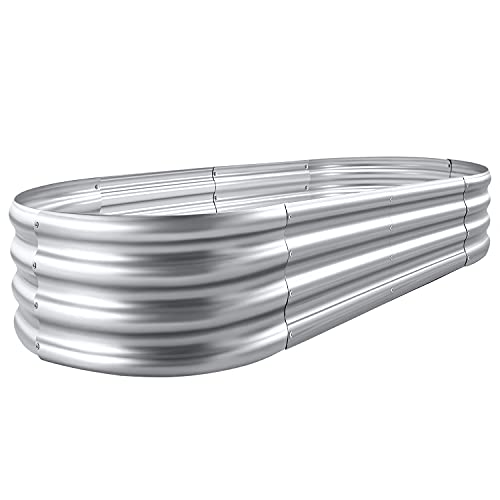
Each raised metal garden bed size: 4×2×1ft ,7.14Cu
Ideal Depth for a Raised Bed to Grow Carrots
Optimal depth: 12-18 inches
Minimum depth: 8 inches
- Ensure good root development by providing enough space.
- Carrots thrive in loose, well-drained soil deeper than 8 inches.
- Long taproots need space to grow downwards unimpeded.
- Deep beds also prevent soil compaction, aiding in healthy growth.
- Climate: Deeper beds are ideal in colder regions for warmer soil.
- Soil type: Adjust depth based on your soil’s drainage and texture.
- Ease of maintenance: Deeper beds may require more soil but less frequent watering.
Practical tip:
When in doubt, aim for a minimum depth of 12 inches for a thriving carrot harvest.
| Optimal Depth | Minimum Depth |
|---|---|
| 12-18 inches | 8 inches |
Recommended Products

Ready-to-Use Formula: No mixing or extra steps required. Simply pour and plant - perfect for gardeners of all experience levels.

High-Quality PE Material with Drainage Hole: Crafted from durable and flexible PE material, these grow bags are built to withstand outdoor conditions without cracking. The bottom drainage hole provides essential airflow to roots and prevent overwatering and root rot, ensuring your plants thrive in a well-aerated environment.

Tips for Maximizing Carrot Growth in Raised Beds
- Spacing Matters: Plant carrot seeds about 2 inches apart to allow ample room for each plant to grow and develop sturdy roots.
- Thinning is Key: Once your carrot seedlings reach about 2 inches in height, thin them out by removing the weaker seedlings to give more space to the healthier ones.
- Keep Consistent Moisture: Carrots need a consistent supply of water to prevent cracking, so make sure to water them regularly to maintain even soil moisture levels.
- Mulch for Moisture Retention: Apply a layer of organic mulch, such as straw or shredded leaves, around your carrot plants to help retain moisture in the soil and reduce weed growth.
- Watch Out for Pests: Keep an eye out for common carrot pests like carrot rust fly and aphids. Consider using row covers to protect your carrot crop from pest infestations.
| Recommended Spacing: 2 inches apart |
|---|
| Optimal Carrot Height for Thinning: 2 inches |
| Mulch Type: Organic mulch (e.g., straw, shredded leaves) |
Recommended Products

Transparent Growth Viewing Window for Convenient Harvest: Transparent growth viewing window with soil-retention flap lets you check potato growth without digging, allowing you to know when tubers are ready. The leak-proof barrier keeps soil securely inside while giving you clear visibility of root development, making harvest quick and damage-free. Suitable for both beginner and experienced gardeners, practical gardening supplies for tuber planting.

Raised Garden Bed - Add a new level of convenience to your gardening experience with the Galvanized Raised Garden Bed. Enjoy expanded yield and a more assembled garden layout with this garden accessory, each sized at 120 cm X 60 cm x 30 cm.

Conclusion
You’ve learned valuable insights on optimizing carrot growth in raised beds. By spacing seeds appropriately and thinning seedlings at the right time, you’re setting the stage for robust root development. Remember to maintain consistent watering and mulching practices to keep your carrots healthy and flourishing. Stay vigilant against common pests like carrot rust fly and aphids, utilizing protective measures as needed. With these strategies in mind, you’re well-equipped to cultivate a bountiful carrot harvest in your raised bed garden. Happy gardening!
Frequently Asked Questions
1. How far apart should carrot seeds be planted in raised beds?
Carrot seeds should be planted 2 inches apart in raised beds to allow room for growth and sturdy root development.
2. When should seedlings be thinned in carrot beds?
Seedlings should be thinned when they reach 2 inches in height to promote healthier plant growth.
3. What are the benefits of consistent watering in carrot beds?
Consistent watering helps maintain soil moisture levels, ensuring healthy carrot growth in raised beds.
4. How can mulching benefit carrot plants?
Mulching with organic materials like straw or shredded leaves helps retain soil moisture and reduce weed growth in carrot beds.
5. How can gardeners protect carrot plants from common pests?
Gardeners can protect carrot plants from pests like carrot rust fly and aphids by monitoring their crops and using row covers when necessary.
