

Ever wondered if you could enjoy the taste of freshly picked tomatoes right from your own home, even with limited space? Picture this: A sunny spot on your balcony or patio, a vibrant red tomato ripening in a pot just within arm’s reach. What if I told you that growing tomatoes in a pot is not only doable but also incredibly rewarding?
Key Takeaways
- Choose a pot that is at least 18 inches in diameter and depth for optimal root development.
- Select the right tomato varieties like compact or determinate types suited for pot cultivation.
- Use high-quality potting mix with perlite or vermiculite for proper drainage and moisture retention.
- Provide at least 6-8 hours of direct sunlight daily and water potted tomatoes consistently but avoid overwatering.
- Stake tomato plants early using cage, stake, or trellis supports to ensure proper growth and fruit production.
- Monitor for pests like aphids and diseases such as blight, adjust watering levels to prevent issues like root rot.
Choosing the Right Pot for Tomatoes
When selecting a pot for your tomatoes, there are essential factors to consider to ensure optimal growth and yield. Here are some key points to keep in mind:
Recommended Products

EASY MOBILITY:This tomato planter comes with 5 sturdy wheels (four with brakes), making it easy to move around. Tomatoes love sunlight but should avoid excessive exposure. The optimal growing temperature is between 64-95°F. By moving the planter, you can easily adjust the sunlight exposure duration and intensity based on the weather and daily temperature, ensuring your plants grow healthy and produce more fruits.

We Have Color! The Tan Smart Pot Provides A Decorative Aspect To The Smart Pot

Thickened Nonwoven Fabric: Made from 300G thickened nonwoven fabric; Breathable cloth structure provides balanced airflow and moisture control; BPA-free material is suitable for growing vegetables, herbs, flowers, and other plants
Considerations for Pot Size
For growing tomatoes in pots, it’s crucial to choose the right size container. A larger pot provides more room for root development, which is vital for healthy plants and better fruit production. Ideally, opt for a pot that is at least 18 inches (45 cm) in diameter and depth to accommodate the tomato plant’s extensive root system.
Optimal Materials for Tomato Pots
Selecting the appropriate material for your tomato pot is also significant. Different materials offer varying benefits:
- Plastic Pots: Lightweight and affordable, plastic pots are easy to move around but may not provide adequate insulation.
- Terracotta Pots: These porous pots allow air circulation to the roots but can dry out quickly due to their breathability.
- Fabric Grow Bags: Fabric pots promote excellent drainage and air pruning of roots, preventing them from becoming waterlogged.
Choose a material based on your specific needs and gardening conditions to ensure your tomato plants thrive in their new home.
Selecting Tomato Varieties for Pots
When selecting tomato varieties for pots, consider the space available and your personal preferences. Here’s how to make the best choices:
Recommended Products

High Germination Performance: These cherry tomatoes seeds offer reliable germination in 7–10 days. Best tomato seeds for planting indoors, producing compact dwarf tomato plants suited for containers and patios.

Seeds are fresh, 10-25 days to germination.

Dwarf plant does not grow very large, usually only about 12", though it can sometimes get taller
Determining the Best Varieties
For pot cultivation, opt for compact or determinate tomato varieties that thrive in containers. Examples include “Patio,” “Tiny Tim,” or “Balcony.” These types are ideal as they don’t require extensive staking and are well-suited for confined spaces.
Benefits of Dwarf or Bush Types
Dwarf or bush tomato varieties offer numerous advantages when grown in pots. They tend to be more manageable in size, making them perfect for limited spaces like balconies or patios. Some popular options are “Bush Early Girl” and “Tumbling Tom.” These varieties typically yield abundant fruits while maintaining a manageable growth habit.
By choosing the right tomato varieties suited for pot cultivation, you can enjoy a bountiful harvest even in small gardening areas.
Essential Soil and Composting Techniques
To ensure your tomatoes thrive in pots, it’s crucial to focus on the soil composition and composting techniques. Here’s how you can optimize these factors for healthy growth:
Recommended Products
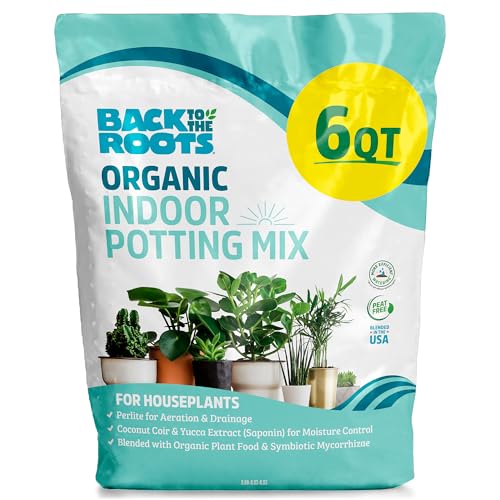
Includes 6qt of Back to the Roots Indoor Potting Mix. Our Potting Mix contains organic yucca extract that aids in retaining moisture in the soil which keeps your indoor plants happy and healthy
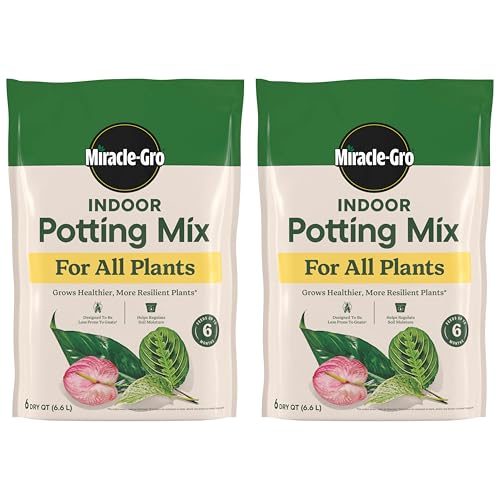
Miracle-Gro Indoor Potting Mix for All Plants feeds houseplants for up to 6 months and grows healthier, more resilient plants (vs unfed when used as directed)

HELPS REGULATE SOIL MOISTURE: Miracle-Gro Organic Indoor Potting Soil Mix is an organic potting soil that protects indoor plants against over and under watering
Soil Composition for Healthy Growth
When growing tomatoes in pots, the soil plays a vital role in providing essential nutrients and support for the plants. Opt for a high-quality potting mix specifically designed for container gardening. These mixes are well-draining, lightweight, and rich in organic matter, creating an ideal environment for tomato roots to develop.
Ensure the potting mix is loose and airy to promote proper aeration around the roots. A good soil composition will retain moisture without becoming waterlogged, preventing root rot and other issues commonly associated with overwatering.
Consider adding perlite or vermiculite to improve drainage and prevent compaction of the soil over time. These amendments help maintain a healthy root system by allowing excess water to drain away efficiently while retaining enough moisture for optimal plant growth.
Adding Compost and Fertilizers
Incorporating compost into your potting mix is beneficial for enriching the soil with essential nutrients that promote robust tomato growth. Compost improves soil structure, enhances nutrient retention, and encourages beneficial microbial activity in the root zone.
Choose a balanced fertilizer formulated specifically for tomatoes or vegetables to provide additional nutrients throughout the growing season. Slow-release fertilizers are convenient options as they gradually release nutrients over time, ensuring a steady supply for your plants’ needs.
Remember to follow recommended application rates when fertilizing your potted tomatoes to avoid overfeeding, which can lead to nutrient imbalances or burn the plants’ roots. Regularly check your plants’ foliage for any signs of nutrient deficiencies and adjust your feeding schedule accordingly.
By paying attention to soil composition and implementing proper composting techniques, you’ll create an optimal growing environment for your potted tomatoes, leading to healthy plants and abundant harvests.
Sunlight and Water Requirements
To ensure your potted tomatoes thrive, it’s crucial to understand their sunlight and water needs. Here’s how you can optimize these factors for successful tomato cultivation in pots:
Understanding Sunlight Needs
- Position your tomato pots in a sunny spot where they receive at least 6-8 hours of direct sunlight daily.
- Tomatoes are sun-loving plants, so ensure they get adequate light for healthy growth and fruit production.
- If you’re growing tomatoes indoors, consider using grow lights to supplement natural sunlight.
- Water your potted tomatoes consistently to keep the soil evenly moist but not waterlogged.
- Check the moisture levels by inserting your finger into the soil; water when the top inch feels dry.
- Avoid overhead watering as it can lead to fungal diseases; instead, water at the base of the plant.
By meeting the sunlight and water requirements of your potted tomatoes, you’ll set them up for robust growth and a bountiful harvest.
Staking and Support for Tomato Plants
When it comes to growing tomatoes in a pot, providing proper staking and support for your plants is crucial. Here’s how you can ensure your tomato plants have the necessary support to thrive:
Types of Supports
- Cage Supports: These are cone-shaped wire cages that provide vertical support as the tomato plant grows. They are easy to install and offer stability throughout the plant’s growth stages.
- Stake Supports: Wooden or metal stakes are inserted into the soil near the plant to help keep it upright. This method works well for determinate tomato varieties that don’t grow as tall.
- Trellis Supports: Trellises are ideal for indeterminate tomato varieties that continue to grow taller throughout the season. They provide vertical support by allowing the plant to climb as it matures.
- Early Staking: It’s essential to stake your tomato plants early in their growth cycle to avoid damaging roots later on. Place supports close to the base of young plants and secure them gently.
- Regular Checking: Monitor your tomato plants’ growth regularly and adjust supports as needed. As they grow taller or start producing fruit, make sure they remain adequately supported.
- Pruning Practices: Proper pruning can help manage the size and weight of your tomato plants, reducing strain on supports. Remove excess foliage and side shoots to promote healthier growth.
- Tying Techniques: Use soft ties or twine material to secure stems gently without causing damage or constriction. Avoid tying too tightly, allowing room for natural expansion while providing necessary support.
By choosing suitable supports and implementing effective techniques, you’ll ensure that your potted tomatoes receive the structural reinforcement they need for optimal growth and abundant harvests.
Common Problems and Their Solutions
Managing Pests and Diseases
To protect your tomato plants from pests and diseases, you can take preventive measures. Inspect your plants regularly for any signs of trouble. If you notice holes in the leaves or discoloration, act promptly to address the issue. One common pest to look out for is aphids, tiny insects that can damage your plants. You can use insecticidal soap to control them effectively. For fungal diseases like blight, ensure proper air circulation around the plants by spacing them adequately.
Dealing with Over or Under Watering
Maintaining the right balance of water is crucial for healthy tomato plants in pots. Overwatering can lead to root rot and other issues, so it’s essential not to drown your plants with excessive watering. On the other hand, under watering can cause stress and hinder growth. To prevent overwatering, check the soil moisture level before watering by inserting your finger into the soil up to an inch deep; if it feels dry, it’s time to water. Conversely, if the soil feels wet or soggy, refrain from watering until it dries out slightly. Remember that different environmental conditions may affect how often you need to water your tomato plants, so adjust accordingly.
Conclusion
You now have a solid understanding of what it takes to successfully grow tomatoes in pots. By focusing on factors like pot size, soil composition, sunlight, water, support, and pest management, you’re well-equipped to embark on your tomato-growing journey. Remember to choose the right tomato varieties for pot cultivation and provide them with the care they need. Regularly inspect your plants for pests and diseases, maintain proper watering practices, and ensure adequate sunlight exposure. With these key elements in place, you’ll soon be enjoying a bountiful harvest of delicious homegrown tomatoes right from your own pots. Happy gardening!
Frequently Asked Questions
1. What are the benefits of growing tomatoes in pots?
Growing tomatoes in pots allows for flexibility in space, making it ideal for small gardens or balconies. It also provides better control over soil quality, drainage, and sunlight exposure compared to traditional ground planting.
2. How do I choose the right pot size for growing tomatoes?
Select pots that are at least 18 inches deep and have a diameter of 18-24 inches to accommodate tomato plant roots properly and provide stability as they grow.
3. Which tomato varieties are suitable for pot cultivation?
Determinate varieties like Patio Princess or Bush Early Girl are recommended for pot cultivation due to their compact growth habit and manageable size.
4. How can I optimize soil composition for potted tomato plants?
Use high-quality potting mixes with good aeration and drainage properties, incorporating compost and balanced fertilizers to enrich the soil and promote healthy plant growth.
5. What sunlight requirements do tomato plants in pots need?
Tomato plants require at least six hours of full sun daily to thrive, so place your pots in a sunny location where they can receive adequate sunlight.
6. Why is staking important for supporting tomato plants in pots?
Staking helps support the weight of growing tomatoes, prevents them from bending or breaking under their own weight, and promotes proper air circulation around the plant.
7. How can I manage pests when growing tomatoes in pots?
Inspect your plants regularly for pests like aphids; use insecticidal soap as an organic pest control method to combat infestations effectively.
8. What is the best way to prevent fungal diseases like blight when growing tomatoes in pots?
Ensure proper air circulation around your plants by spacing them adequately and avoiding overhead watering; this helps prevent fungal diseases like blight from thriving on damp foliage.
9. How do I avoid over or under watering my potted tomato plants?
Maintain a balance by checking soil moisture levels regularly; adjust watering frequency based on plant needs to prevent issues such as root rot or stress caused by inconsistent watering practices.
