

Have you ever wondered how to keep your tomato plants thriving and producing an abundance of juicy fruits? Picture this: it’s a sunny morning, and you step into your garden, eager to see your tomato plant flourishing with vibrant red tomatoes. But wait – are you unsure about the best way to care for it?
Key Takeaways
- Select the right tomato variety based on your climate zone and growth habit preference.
- Ensure optimal growth by using well-draining soil rich in organic matter for your tomato plants.
- Provide essential supplies like garden trowel, stakes or cages, watering can, and mulch for effective care.
- Follow ideal planting times and steps when planting tomato seeds indoors before transplanting them outdoors.
- Maintain daily care practices such as proper watering, pruning, and supporting to promote healthy growth.
- Be vigilant about pest management and disease prevention to keep your tomato plants productive throughout the growing season.
Selecting the Right Tomato Variety
When it comes to selecting the right tomato variety for your garden, there are a few key factors to consider that can significantly impact the success of your plants.
Recommended Products

2X Thicker Than Standard Cages – 6mm Steel Tubes for Ultimate Strength: Forget wobbly plastic, rotting wood, and those 3mm wire cages that crumple under pressure. Our heavy-duty tomato cage is forged from 6mm-thick galvanized steel—twice the thickness of typical supports. It stands tall through storms, carries heavy fruit like a champ, and gives your plants the rock-solid confidence they deserve

Professional 63-Inch Height for Climbers: Supports tall, indeterminate tomatoes and vining vegetables that exceed 6 feet. Provides 15 more inches of growing space than standard 48-inch cages.

【New generation Plant Support Cage】Different from other tomato trellis, LOMNYIY tomato support cage have the newest plug-in connection, and unique double-layer metal tube built-in interface design to stay together tighter and more stable. And the poles are very hard with a metal core, yet are coated entirely in plastic to keep them from rusting, and the heat dissipation is good. It means strong durable performance can hold up in the wind with heavy tomato plants in them.
Determining Your Climate Zone
First and foremost, you should determine your climate zone before choosing a tomato variety. Different types of tomatoes thrive in specific climates, so understanding your local conditions will help you select a variety that is well-suited to your environment. For example, if you live in a cooler climate, opt for varieties that are more cold-tolerant. On the other hand, if you’re in a hot and humid region, choose heat-resistant varieties for better results.
Choosing Between Determinate and Indeterminate Types
Another crucial decision is whether to go for determinate or indeterminate tomato types. Determinate tomatoes grow to a certain height and produce fruit within a defined period, making them ideal for compact spaces or container gardening. In contrast, indeterminate tomatoes continue to grow and produce fruit throughout the season until they are affected by frost or disease. They require staking or trellising due to their vining nature but offer a prolonged harvest period.
By considering these factors when selecting the right tomato variety based on your climate zone and growth habit preference, you can set yourself up for a successful tomato-growing experience tailored to your specific gardening needs.
Essential Supplies for Growing Tomato Plants
When it comes to growing healthy tomato plants, having the right supplies is crucial. Here are the essential items you’ll need to ensure your tomato plants thrive:
Recommended Products

[VARIATY SHAPE & SIZE STRUCTURE]: You can build 6pcs triangular tomato cage up to 48inch high by the set. Snap-on arms design also makes it possible to create in different heights squares, hexagons or garden trellis depending on the size of plants, to fit garden beds, raised beds, or plant pot, perfect for maximizing growing space and help your plant grow vertically

1. Package Include:You will get 12 pcs plant support stakes, size measure 6.25"W X 9.8"H.Sufficient quantities to meet your needs

Package includes 36 pcs tomato cage connectors. Length: 11.8 Inch with 2 Buckles. Specifically crafted for the 7/16" (11mm) plant stakes.
Recommended Soil Types
For optimal growth, choose well-draining soil that is rich in organic matter. A good mix includes loamy soil with compost or aged manure. This type of soil provides the necessary nutrients for your tomato plants to develop strong roots and produce abundant fruit.
Necessary Tools and Equipment
To care for your tomato plants effectively, make sure you have the following tools and equipment on hand:
- Garden Trowel: Use a garden trowel for planting seedlings or transplanting tomatoes into larger containers.
- Stakes or Tomato Cages: Provide support for indeterminate varieties by using stakes or cages to prevent the plants from bending under the weight of their fruit.
- Watering Can or Hose: Ensure proper hydration by watering your tomato plants regularly, especially during dry spells.
- Mulch: Apply mulch around the base of your plants to retain moisture, suppress weeds, and regulate soil temperature.
Having these supplies readily available will set you up for success in caring for your tomato plants throughout their growth cycle.
Planting Your Tomato Seeds
When planting your tomato seeds, it’s crucial to consider the ideal planting times and follow a step-by-step guide for successful growth.
Ideal Planting Times
For most regions, the ideal time to plant tomato seeds is indoors 6-8 weeks before the last spring frost date. This allows your seedlings to establish before transplanting them outdoors once the weather warms up. However, if you live in a warmer climate, you can directly sow seeds outdoors after the last frost date.
- Prepare Seed Trays: Fill seed trays with a well-draining seed starting mix.
- Plant Tomato Seeds: Sow 2-3 seeds per cell about 1/4 inch deep. Ensure they are evenly spaced.
- Water Gently: Use a fine mist or spray bottle to water the seeds lightly without disturbing them.
- Provide Warmth and Light: Place the trays in a warm location (around 70-80°F) with ample sunlight or under grow lights.
- Maintain Moisture: Keep the soil consistently moist but not waterlogged by misting regularly.
- Monitor Growth: As soon as seedlings emerge, remove weaker ones and retain only the strongest in each cell.
By following these steps and paying attention to timing and care, you’ll set your tomato plants on the path to healthy growth from their very beginning.
Daily Care and Maintenance
Taking care of your tomato plant on a daily basis is crucial for its healthy growth. Here are some essential tasks you need to perform regularly to ensure your tomato plant thrives.
Watering Requirements
Watering your tomato plants correctly is vital for their overall health. Ensure the soil is consistently moist but not waterlogged. It’s best to water the plants at the base in the morning to avoid wetting the foliage, which can lead to diseases. During hot weather, you may need to water more frequently to prevent the soil from drying out.
Pruning and Supporting Tomato Plants
Pruning your tomato plants helps improve air circulation, reduce disease risk, and promote better fruit production. Remove any suckers that grow in the crotch joint of two branches. Support your tomato plants using stakes or cages to prevent them from bending under the weight of growing fruits. Regularly check for any additional pruning needs as your plant continues to grow.
By following these simple daily care practices, you can ensure that your tomato plant stays healthy and productive throughout its growth cycle.
Pest and Disease Management
When caring for your tomato plants, it’s essential to be aware of common pests and diseases that can affect their health. By understanding how to identify and address these issues promptly, you can help your tomatoes thrive.
Recommended Products
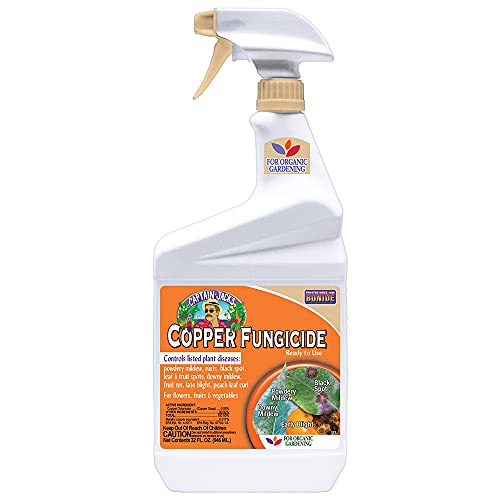
Control fungus and disease in your garden with Captain Jack’s ready-to-use Liquid Copper Fungicide!

3-IN-1 PLANT CARE: 3-In-1 Insect, Disease & Plant Mite Control provides insect control, disease control, and plant mite control all in one; Rainproof protection starts in 4 hours and lasts up to 14 days

3-in-1 FORMULA: Aphid spray for outdoor plants for use on roses, flowers, shrubs and trees to control listed insects, disease and mites
Common Tomato Pests
Some common pests that may target your tomato plants include:
- Aphids: These small insects feed on plant juices, causing leaves to curl and yellow.
- Hornworms: Large green caterpillars that can quickly defoliate a plant if not controlled.
- Whiteflies: These tiny white insects gather on the undersides of leaves, sucking sap from the plant.
- Spider Mites: Nearly invisible pests that create fine webbing on plants and cause stippling on leaves.
To manage these pests, you can:
- Inspect your plants regularly for signs of infestation.
- Remove any affected leaves or insects by hand.
- Use organic pesticides like neem oil or insecticidal soap as a natural control method.
Preventing and Treating Diseases
Tomato plants are susceptible to various diseases, including:
- Early Blight: Causes dark spots on lower leaves which spread upwards.
- Late Blight: Leads to water-soaked lesions on stems and foliage during wet conditions.
- Fusarium Wilt: Results in wilting of the entire plant due to fungal infection in the soil.
To prevent and treat diseases effectively:
- Water at the base of the plant to avoid wetting foliage.
- Provide adequate spacing between plants for air circulation.
- Apply fungicides preventively or at the first sign of disease according to label instructions.
By being vigilant about pest management and disease prevention, you can ensure that your tomato plants remain healthy and productive throughout the growing season.
Harvesting Your Tomatoes
Harvesting your tomatoes at the right time ensures optimal flavor and texture. Here’s how to identify when your tomatoes are ripe and ready for picking.
Signs of Ripeness
Look for these indicators to determine if your tomatoes are ripe:
- Color: Fully ripe tomatoes have vibrant colors. Depending on the variety, this can be red, yellow, orange, or even purple.
- Texture: Gently squeeze the tomato; it should be firm yet give slightly under pressure.
- Smell: Ripe tomatoes have a sweet, earthy aroma at the stem end.
- Size: Most varieties reach their full size when mature.
Harvesting Techniques
To harvest your tomatoes properly:
- Twist Method: Hold the tomato gently and twist it until it separates from the vine.
- Pruning Shears: Use clean pruning shears to cut the stem close to the fruit without damaging it.
- Timing: Pick tomatoes when they’re fully colored but still firm to touch for best flavor and shelf life.
- Storage: Store harvested tomatoes at room temperature away from direct sunlight to allow them to ripen further.
Conclusion
Taking care of your tomato plant involves selecting the right variety, providing essential supplies, and maintaining daily care routines. Remember to water adequately, prune for better fruit production, and support your plants with stakes or cages. Be vigilant in managing pests like aphids and diseases such as Early Blight to ensure healthy growth. Harvest your tomatoes at the right time for optimal flavor and shelf life, storing them properly for further ripening. By following these steps, you can enjoy a bountiful harvest of delicious homegrown tomatoes. Happy gardening!
Frequently Asked Questions
What are determinate and indeterminate tomato varieties?
Determinate tomatoes grow to a certain height and set fruit all at once, making them ideal for canning. Indeterminate tomatoes continue growing and producing fruit throughout the season, suitable for fresh eating.
What supplies are essential for growing tomato plants?
Essential supplies include nutrient-rich soil, stakes or cages for support, watering cans or hoses, pruners for maintenance, organic fertilizers, and pest control products.
How should I care for my tomato plants daily?
Water regularly to maintain soil moisture levels, prune to encourage air circulation and fruit production, support with stakes/cages as needed, inspect for pests/diseases often.
What are common pests and diseases that affect tomato plants?
Common pests include aphids, hornworms, whiteflies, spider mites. Diseases like Early Blight, Late Blight, Fusarium Wilt can also impact plants.
How can I manage pests and diseases in my tomato plants?
Regularly inspect plants for signs of pests/diseases; manually remove insects when possible; use organic pesticides if needed. Prevent diseases through proper watering techniques spacing plants adequately.
When is the best time to harvest tomatoes?
Harvest tomatoes when they reach peak ripeness indicated by color (red/yellow), texture (firm but yielding), smell (fragrant), size (varies by variety).
How should harvested tomatoes be stored?
Store harvested tomatoes at room temperature away from direct sunlight to allow further ripening; avoid refrigeration until fully ripe.
