


When I first eyed our modest backyard for a homestead setup, the idea of chickens, gardens, and composting all at once left me frozen in place.
Starting small with just a couple of raised beds near the house door taught me how those first practical choices build real confidence over time.
What draws people in right away is a simple layout that connects the kitchen to growing spaces without wasting steps.
You can layer in fruit trees or a beehive later, once the core rhythm feels natural.
A handful of these approaches have shaped our place in ways I’d tweak again anywhere.
Start Small with Raised Garden Beds

Raised garden beds like these make it easy to dip into growing your own food without turning your whole yard into a farm. The wooden frames hold everything in place on gravel ground, so you skip digging up grass or dealing with weeds everywhere. Plants like peas and beans climb up simple wire supports right there, giving quick results in a tight space.
Put them along a fence or wall in a sunny corner, maybe three in a row like this setup. They work great for beginners or small lots since you control the soil and can move them if needed. Just use untreated wood to keep costs down, and fill with good dirt. Watch the drainage though, gravel helps but raised sides need holes at the bottom.
Raised Beds for Starting Herbs

Raised beds like these make it simple to grow your own herbs right where you walk by. The wooden frames keep soil neat and at waist height, so no bending or weeding on your knees. Labels on stones at the base tell you exactly what’s what, like basil or thyme, which helps beginners keep track without second-guessing.
Set them along a path near the kitchen door for quick picking. They work great in tight backyards or even apartment patios. Use untreated wood to avoid chemicals, fill with good soil mix, and plant low-water herbs first. Watch the sun, though… too much shade and things won’t thrive.
Create a Circular Rock-Edged Tree Bed

One easy way to add structure to a new homestead yard is with a simple circular bed like this. Rocks form the edge around three young trees planted close together, creating a tidy focal point. A small stone table sits right in the center, turning the spot into a quiet place to sit without needing much room or fuss.
This works best in a grassy open area where you want some definition but not a big commitment. Gather rocks from nearby, dig a shallow trench for the circle, plant trees that suit your climate, and mulch inside. It keeps weeds down and lets the trees grow into a natural screen over time. Just make sure the soil drains well so roots don’t sit wet.
Pergola Shade Over Outdoor Kitchen

A simple wooden pergola draped in flowering vines like wisteria creates instant shade for outdoor cooking. It turns a basic grill setup into a comfortable spot you actually want to use, even on warm afternoons. The vines soften the structure and give that cozy homestead vibe without much upkeep once established.
This works great on small patios backing up to your house. Anchor sturdy posts, add crossbeams, and train climbing plants up the sides. Pair it with a built-in grill counter and nearby pots of herbs or veggies for fresh picking while you cook. Start small… just enough shade to extend your kitchen outdoors.
Lavender-Lined Garden Path

A simple curved path like this makes your front yard feel put together without much work. Lavender plants edge both sides of the stone slabs, filling in with low bushes and flowers for color. It’s pretty but tough too. Lavender handles dry spells and smells nice when you brush by it. That makes the walk to your door something you actually look forward to.
Try this in a narrow side yard or along your driveway where space is tight. Use gravel mulch to keep weeds down and stones that match your house. It fits small homesteads starting out. Just pick lavender varieties that grow well where you live, and trim them once a year. Avoid overcrowding the path so it stays easy to walk.
Build a Simple Raised Garden Bed

A raised garden bed like this one keeps your homesteading start small and tidy. Wood frames painted green hold in gravel for good drainage, with room for pots of seedlings right in the middle. It’s practical because you control the space, no tilling big patches of dirt. That black composter nearby fits right in too, turning scraps into soil without mess.
Put one in any spare yard spot with decent sun. Use basic lumber from a hardware store, paint it sturdy green, and fill with gravel over landscape fabric. Start with pots of herbs or veggies you like. It suits townhomes or tiny lots best, stays low upkeep, and grows with you over time.
Garden Shed Tool Storage

One easy way to keep a small homestead running smooth is setting up a dedicated garden shed for your tools. This one uses a pegboard wall to hang rakes, shovels, and forks right where you can grab them. No more hunting around or letting tools rust on the ground. It keeps everything handy and the yard tidy, which makes daily chores less of a hassle.
Build yours with scrap wood or affordable kits, add a simple bench for potting or repairs, and stack firewood nearby if you heat with it. It works great in backyards with limited space, tucked against a fence or trees. Just make sure the roof overhangs a bit to shield from rain, and you’ll have a spot that lasts years without much upkeep.
Gravel Borders with Terracotta Pots

One straightforward way to dress up a driveway edge is filling a gravel bed with a couple large terracotta pots. You see the warm clay pots here planted with blue flowers and set among low perennials like daisies and black-eyed Susans. It gives a finished look that softens the hard pavement without much fuss. The gravel keeps weeds down and lets plants spread naturally.
This works well for small lots or homesteads right along the road. Pick pots big enough to stand out, say two feet tall, and group two or three along the edge. Fill gaps with tough bloomers that come back each year. Skip fancy watering. Just top off the gravel now and then. Suits sunny spots mostly.
Outdoor Pizza Oven for Easy Cooking
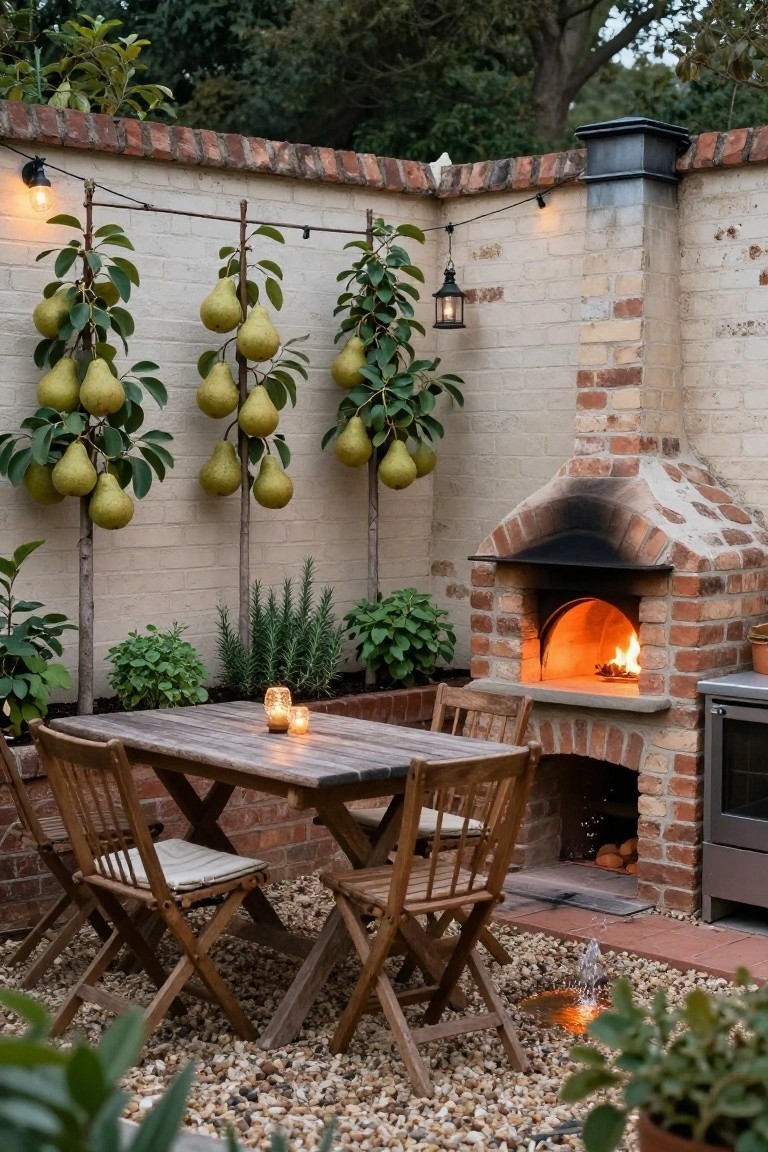
A brick pizza oven tucked into the corner of a patio turns any backyard into a real cooking spot. It’s a practical way to bake pizzas, breads, or roasts right outside, especially on a homestead where you want fresh food without much fuss. The fire inside gives off that cozy glow, pulling everyone to the table nearby.
Build or buy one that fits your space… they’re not hard to add against a wall. It suits small yards best, where it saves room and adds function. Keep seating simple like wooden chairs, and watch for smoke flow so it stays comfortable.
Simple Rain Barrel Setup for Garden Water
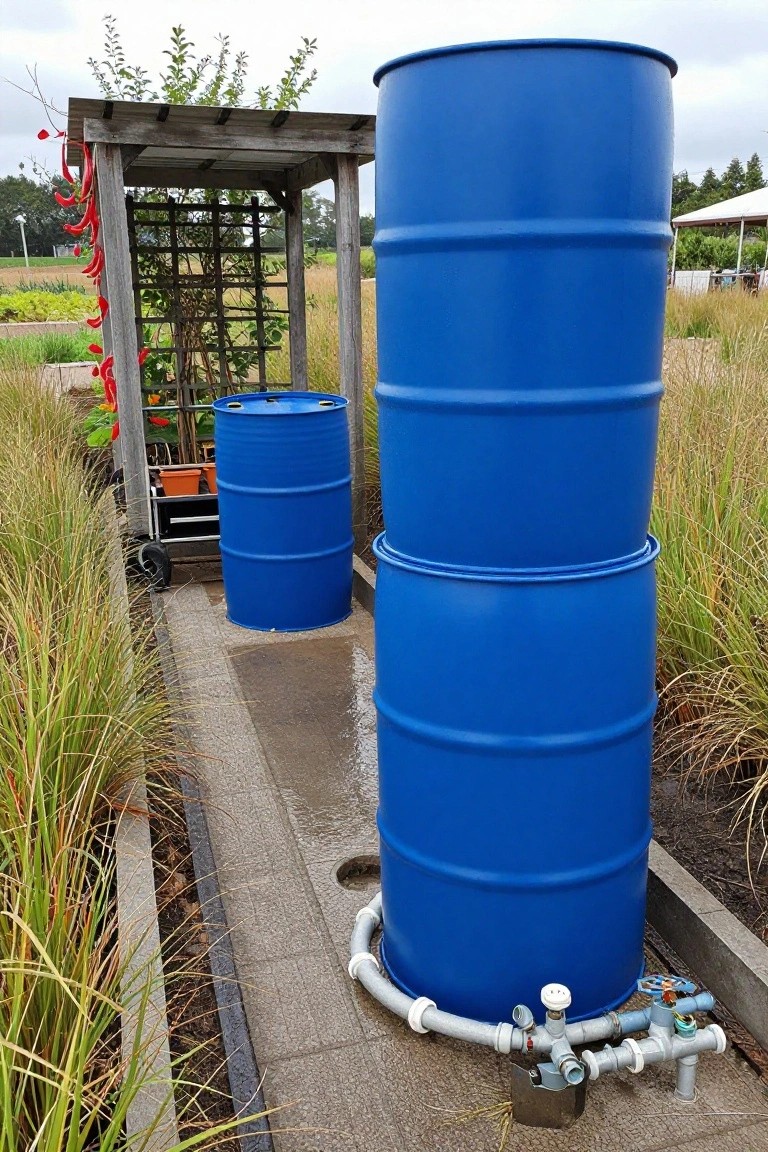
One straightforward way to handle watering on a small homestead is stacking rain barrels like these blue ones right along your garden path. They catch runoff from the roof or nearby structures, saving you trips to the hose and keeping costs down. The setup here blends right in with the grasses and plantings, looking purposeful instead of junky.
Place them near downspouts or low spots where water flows, connect a few with pipes for overflow, and add a spigot at ground level for easy access. This works great in any backyard garden, especially if you’re starting small. Just make sure they’re stable and screened against mosquitoes.
Simple Spiral Hedge Gardens

One easy way to add some personality to a small homestead yard is with a spiral hedge like this boxwood one. It pulls your eye right to the center without taking up much room. The shape gives a bit of whimsy. And boxwoods stay neat if you trim them now and then.
Set one up near a path or seating spot. It works great in a corner or along the edge of your veggie patch. Pair it with a plain bench and gravel for that grounded feel. Just pick a sunny spot. Keep the spiral tight so it doesn’t sprawl.
Raised Beds for Easy Veggie Growing

Raised beds keep your garden neat and make it simple to grow food right in your backyard. You build them with wood frames filled with good soil, and they let you plant veggies without digging up the whole yard. In this setup, beds line both sides of a path, so you can reach everything without stepping on plants. That path, just gravel or pavers, gives you easy access and keeps mud out of the house.
Put these beds in a sunny spot near the house for quick harvesting. They work great for small lots since you control the space and add soil as needed. Start with four or five beds, maybe 4 feet wide, and fill them with basics like squash, greens, and herbs. Watch the wood for rot over time… treat it or go metal next round.
Terraced Raised Beds for Sloped Yards

Sloped yards often go unused because they’re tough to plant on. Terraced raised beds fix that nicely. Stack low stone walls to create flat planting zones, like these filled with strawberries and lettuce. It keeps soil in place, makes weeding easy, and turns wasted space into fresh produce without big earthmoving.
These work best in smaller homestead setups where you want results fast. Pick sturdy local stone for the walls, add drip lines for watering, and fill with shallow-rooted crops. They suit any gentle slope, but check drainage first to avoid soggy roots. Start with just two or three tiers… you’ll be picking berries in no time.
Balcony Vertical Gardening for Fresh Greens

If you live in an apartment or have just a small balcony, stacking planters vertically lets you grow salad greens right outside your door. No big yard needed. Here you see lush lettuce and kale thriving in simple black tiers along the railing. It turns a plain spot into a steady supply of fresh produce, and the evening lights make it cozy too.
Set up a metal rack or shelves that fit your balcony width, then fill with deep pots for roots. Choose easy growers like leaf lettuce or swiss chard that mature fast. It works best in spots with morning sun. Keep soil moist, and harvest outer leaves to keep plants going. Great for beginners… low cost, high reward.
Rustic Outdoor Oven for Easy Homestead Cooking
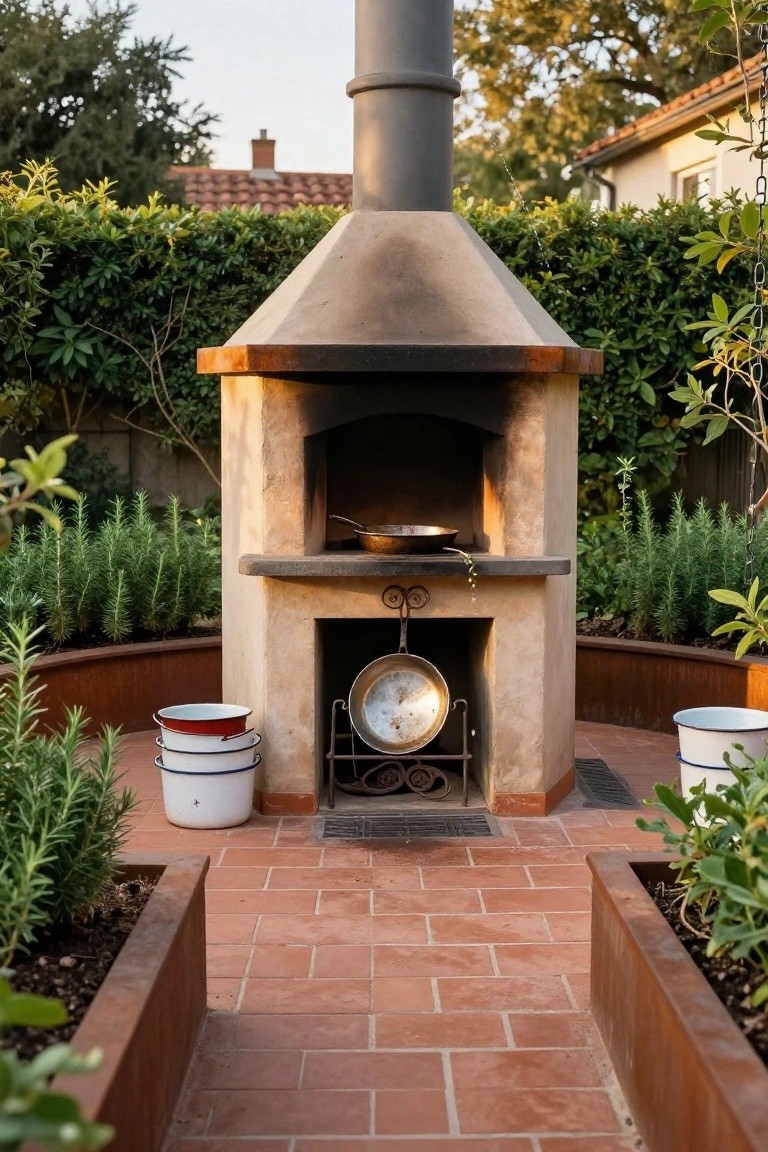
A stone-built outdoor oven like this one sits right in the garden, ready for wood fires and fresh bakes. It’s a practical spot for pizza, bread, or roasting, especially with herbs growing close by. That setup pulls everything together for home cooking without needing a full kitchen outdoors.
This works best in a small backyard patio where space is tight. Build it from local stone or brick to keep costs down, and plant rosemary or thyme in nearby pots for quick picking. Just make sure the base is solid and keep it away from dry plants to stay safe.
Deck Pond for Tranquil Backyards
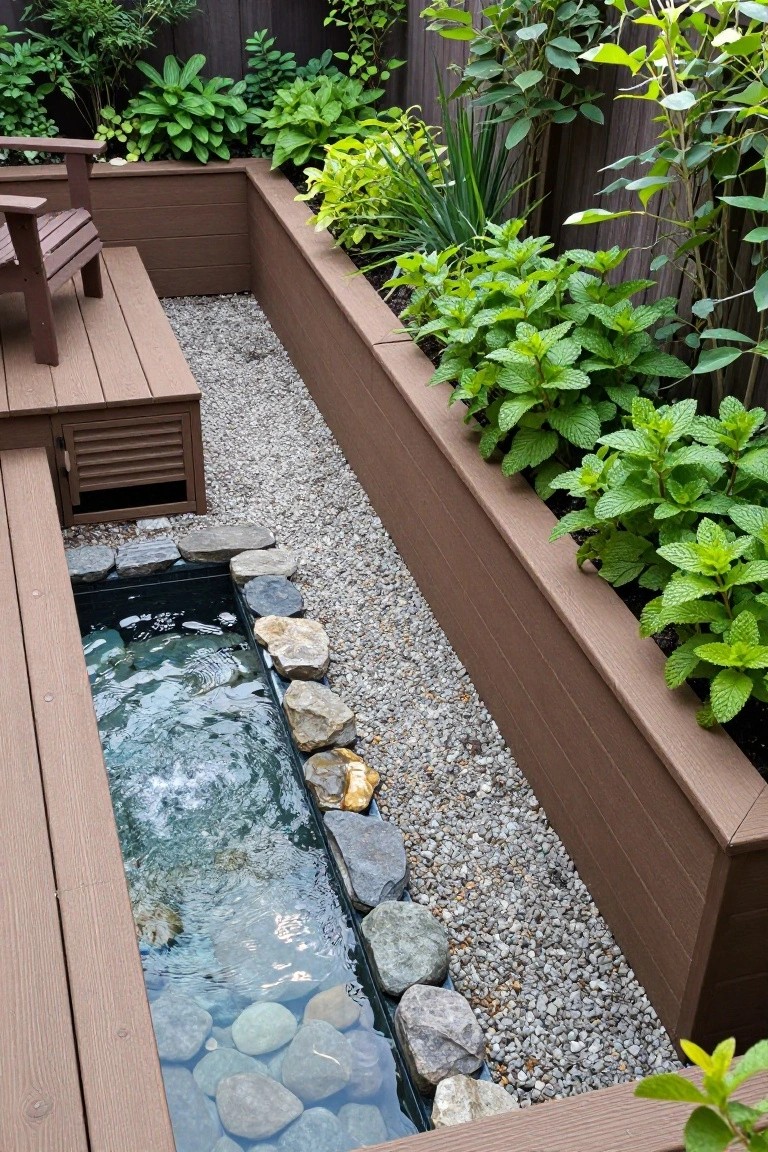
A small pond tucked right into the deck planks offers real peace in a tight spot. You see the clear water moving gently over smooth rocks at the bottom, with gravel nearby keeping things simple. For starting a homestead, it draws in birds and frogs that handle bugs naturally, without much fuss.
To pull this off, dig out a shallow spot in your deck or build a framed liner, add a quiet pump, then layer in pebbles and stones. It fits narrow patios or side yards best, especially paired with easy herbs in raised beds along the edge. Skip big fish at first, to keep cleaning light.
Simple Potting Bench Against the Garage
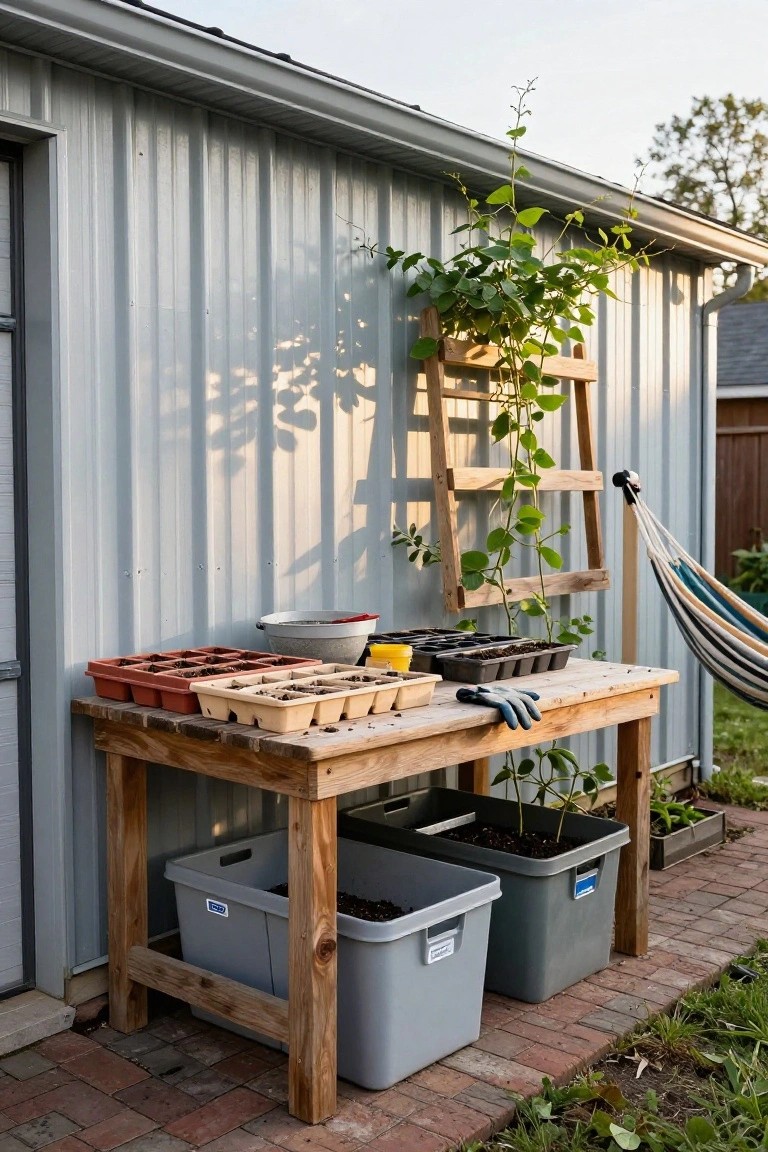
A basic wooden workbench pushed right up to the garage wall makes a perfect spot for starting seeds. You see trays full of seedlings, bins of soil, and gloves ready to go. It turns unused side yard space into something useful fast. No big investment needed. Just keeps your early planting organized and out of the way.
Set one up with scrap lumber on bricks or legs. Lean a ladder trellis nearby for peas or beans to climb. It fits any small lot with a shed or garage. Watch the sun though. Morning light works best so plants don’t scorch. Yours could be running by next weekend.
Start a Raised Bed Veggie Garden

Raised beds like these make it simple to kick off a homestead garden without needing much space or heavy digging. You see wooden frames filled with young greens, beans, and herbs, plus pots tucked in for extras. The setup keeps soil neat and warm, so plants grow faster. Trellises along one side let vines climb up, saving ground room. It’s practical for beginners who want fresh produce but not a full yard overhaul.
Put raised beds in a sunny spot near your back door, maybe 4 feet wide so you reach across easily. Use untreated wood or blocks for the frames, fill with good soil mix, and plant what you eat most. This works great in small lots or even patios. Just keep beds low at first, around a foot high… and water consistently till roots take hold.
Frequently Asked Questions
Q: Do I need a ton of land to get started?
A: You can kick off a small homestead in your backyard, balcony, or even a sunny windowsill. Start with a few raised beds or pots for veggies and herbs. That keeps things manageable and builds your confidence fast.
Q: What’s the easiest animal for total beginners?
A: Go with chickens if you want fresh eggs without much hassle. They forage a lot on their own and just need a simple coop plus daily feed and water. Pick a breed like Rhode Island Reds, they’re tough and friendly.
Q: How do I fit homesteading into a full-time job?
A: Pick low-maintenance projects like perennials or herbs that don’t need daily attention. Set up drip irrigation or auto-feeders to handle watering and feeding while you’re away. Batch tasks on weekends, like harvesting or weeding all at once.
Q: Can renters really homestead?
A: Absolutely, focus on portable setups like container gardens or movable chicken tractors. Talk to your landlord early, many love seeing fresh produce. And if you move? Everything comes with you.
