

Have you ever dreamed of plucking juicy, ripe tomatoes straight from your garden? Picture this: a burst of flavor in every bite, knowing you grew them yourself. But maybe you’ve struggled to get those vibrant red gems just right. You’re not alone – many face challenges when it comes to growing the perfect tomatoes.
Key Takeaways
- Choose tomato varieties based on taste preferences, growing conditions, and intended use to maximize success.
- Select tomatoes suited for your climate to ensure robust plant growth and bountiful yields.
- Prepare the garden by ensuring well-draining soil rich in organic matter and choosing a sunny, well-aerated location.
- Follow proper planting techniques like timing, spacing, deep planting, mulching, and support systems for optimal growth.
- Manage water by watering consistently but not excessively using drip irrigation, and fertilize appropriately with balanced nutrients.
- Implement pest control measures through identification of common pests, preventive actions like companion planting and mulching, as well as treatments if infestations occur.
Choosing the Right Tomato Varieties
When it comes to choosing the right tomato varieties for your garden, it’s essential to consider factors like taste preferences, growing conditions, and intended use. Understanding the different types of tomatoes available can help you make informed decisions and maximize your chances of success.
Recommended Products

TOMATO GARDENER SEED VARIETY PACK: A vibrant collection of 12 heirloom tomatoes! From the fruity Kellog Beefsteak to the sweet Yellow Pear, this pack brings color, flavor, and garden fun to your plate. Perfect for slicing, sauces, or snacking. Grow a rainbow of tomatoes!

Beautiful - Variety Pack: Five large individual packets of family favorite tomato varieties: Cherokee Purple, Beefsteak, Large Red Cherry, Marglobe, and Roma. Enjoy these classic, productive tomatoes in your garden this season.

TOMATO ESSENTIAL SEED VARIETY PACK: Harvest the best with this essential tomato pack! From juicy Beefsteak to tangy Black Krim and sweet Pineapple, these 5 favorites are perfect for slicing, sauces, and summer garden delights.
Understanding Different Types of Tomatoes
Tomatoes come in various types, each with its unique characteristics suited for different purposes. Here are some common tomato varieties you might encounter:
- Cherry Tomatoes: Small and sweet, perfect for snacking or salads.
- Beefsteak Tomatoes: Large and meaty, great for slicing on sandwiches.
- Roma Tomatoes: Oval-shaped with fewer seeds, ideal for sauces and canning.
By knowing the distinctions between these types, you can select tomatoes that align with your culinary preferences and gardening goals.
Selecting Varieties for Your Climate
Choosing tomato varieties that thrive in your specific climate is crucial for a successful harvest. Consider the following tips when selecting tomatoes based on your climate:
- Hot Climates: Opt for heat-tolerant varieties like “Sun Gold” or “Celebrity.”
- Cooler Climates: Choose cold-resistant types such as “Early Girl” or “Brandywine.”
Adapting your tomato selection to suit your local climate conditions increases the likelihood of robust plant growth and bountiful yields.
Preparing Your Garden
When it comes to growing successful tomatoes, preparing your garden is a crucial step that sets the foundation for healthy plants and bountiful harvests. Here’s how you can ensure your garden is ready for optimal tomato growth:
Soil Preparation
To give your tomato plants the best start, prepare the soil properly. Ensure the soil is well-draining, rich in organic matter, and slightly acidic with a pH level between 6.0 and 6.8. You can improve soil quality by adding compost or aged manure before planting to provide essential nutrients for robust plant development.
Choosing the Best Planting Location
Selecting the right planting location is key to maximizing tomato yield. Opt for a spot that receives at least 6-8 hours of sunlight daily as tomatoes thrive in sunlight. Additionally, choose a location with good air circulation to prevent diseases and ensure proper pollination. Avoid areas prone to standing water or strong winds that can damage delicate tomato plants.
Planting Techniques
When it comes to planting tomatoes successfully, the right techniques can make all the difference. Here are some key tips to help you get started:
Timing and Spacing Tips
Plant your tomatoes at the right time for optimal growth. Wait until all danger of frost has passed before planting them in your garden. Tomatoes thrive in warm soil, so ensure that the temperature is consistently above 50°F (10°C) for best results.
Spacing is crucial for healthy tomato plants. Ensure that you provide adequate spacing between each plant to allow proper airflow and prevent overcrowding. A general rule of thumb is to space determinate varieties about 12-18 inches apart and indeterminate varieties 24-36 inches apart.
Planting Methods for Optimal Growth
There are several planting methods you can use to promote optimal growth and yield:
- Deep Planting: When transplanting seedlings, bury them deep into the soil up to the first set of leaves. This encourages stronger root development and stability.
- Mulching: Mulch around your tomato plants with organic materials like straw or compost to retain moisture, regulate soil temperature, and suppress weeds.
- Support Systems: Consider using stakes, cages, or trellises to support your tomato plants as they grow taller. This helps prevent bending or breaking of branches and keeps fruits off the ground, reducing rotting risks.
Managing Water and Nutrition
Ensuring proper water and nutrition management is crucial for growing successful tomatoes in your garden. Here are key practices to help you achieve optimal growth and flavorful harvests.
Recommended Products
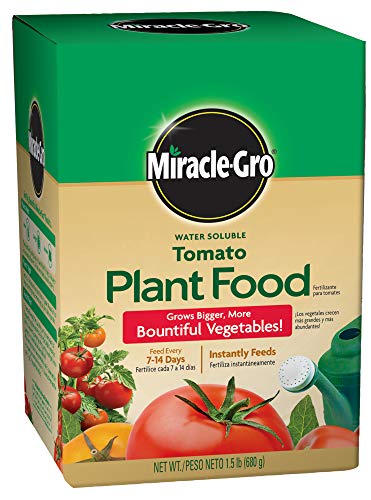
Instantly feeds to grow bigger, more bountiful vegetables versus. unfed plants

Contains natural ingredients to feed microbes in the soil
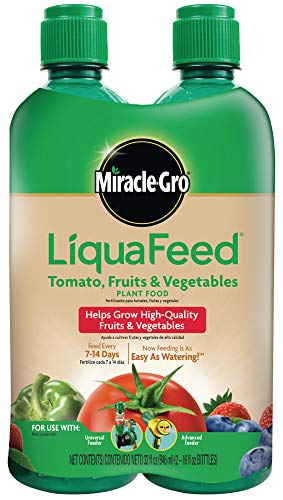
Miracle-Gro LiquaFeed Tomato, Fruits and Vegetables Plant Food helps grow high-quality fruits and vegetables
Irrigation Techniques
When it comes to watering your tomato plants, consistency is key. You should aim to keep the soil consistently moist but not waterlogged. A good practice is to water deeply but infrequently to encourage deep root growth. Consider using drip irrigation or a soaker hose to deliver water directly to the roots, minimizing evaporation loss.
During hot summer months, increase watering frequency to prevent stress on the plants. However, avoid overhead watering as it can lead to foliar diseases. Mulching around the base of the plants can help retain moisture and reduce water evaporation from the soil.
Fertilization Schedule and Types
Tomatoes are heavy feeders that require regular fertilization throughout their growing season. Start by amending the soil with organic matter like compost before planting to provide initial nutrients. Once your tomatoes start fruiting, switch to a balanced fertilizer with equal parts nitrogen, phosphorus, and potassium.
Consider a slow-release fertilizer for consistent nutrient availability or opt for organic options such as fish emulsion or seaweed extract for a more natural approach. Remember not to over-fertilize as it can lead to excessive foliage growth at the expense of fruit production.
By following these irrigation techniques and maintaining a proper fertilization schedule, you’ll ensure that your tomato plants receive adequate water and essential nutrients for robust growth and bountiful harvests.
Pest and Disease Control
When it comes to growing successful tomatoes, pest and disease control are crucial aspects you must focus on to ensure a bountiful harvest. Here’s how you can effectively manage common tomato pests and diseases:
Recommended Products

KILLS LISTED INSECTS THROUGH CONTACT: Spinosad-based formula controls aphids, caterpillars, mealybugs, spider mites, thrips, and 30 listed pests on edible and ornamental plants

PEST DEFENSE - This product is designed to kill species of aphid, spider mite, ant, cricket, weevil, caterpillar, fly, thrip, silverfish & more.

3-in-1 FORMULA: Aphid spray for outdoor plants for use on roses, flowers, shrubs and trees to control listed insects, disease and mites
Identifying Common Tomato Pests
To protect your tomato plants from potential harm, it’s essential to be able to identify common pests that may target them. Some of the most prevalent tomato pests include:
- Aphids: These small insects feed on plant juices, causing leaves to curl and yellow.
- Hornworms: Large green caterpillars that can quickly defoliate a tomato plant if left unchecked.
- Whiteflies: Tiny insects that suck sap from plants, leading to wilting and stunted growth.
By recognizing these pests early on, you can take prompt action to prevent significant damage to your tomato crop.
Preventive Measures and Treatments
Implementing preventive measures is key to maintaining healthy tomato plants. Here are some tips for keeping pests at bay:
- Companion Planting: Consider planting marigolds or basil near your tomatoes as natural pest deterrents.
- Mulching: Use organic mulch like straw or wood chips to suppress weeds and reduce the risk of soil-borne diseases.
In case of an infestation, consider these treatments:
- Neem Oil Spray: A natural insecticide that helps control aphids, mites, and other common pests.
- Bacillus thuringiensis (Bt): Effective against caterpillars like hornworms without harming beneficial insects.
By being proactive in identifying potential threats and having a plan in place for prevention and treatment, you can safeguard your tomatoes against pests and diseases effectively.
Harvesting and Storage
Harvesting ripe tomatoes is crucial for the best flavor. It’s time to pick them when they’ve reached full color, whether red, yellow, or other hues depending on the variety. To harvest, gently twist the tomato until it separates from the vine easily. Don’t yank or pull to avoid damaging the plant.
When and How to Harvest Tomatoes
Knowing when to harvest your tomatoes ensures peak flavor. The ideal time is when they are fully colored and slightly soft to touch. If you plan to store them, harvesting just before complete ripeness is recommended as they continue to ripen off the vine.
Tips for Storing Tomatoes
Proper storage maintains freshness and flavor. Store ripe tomatoes at room temperature away from direct sunlight with their stems facing down to prevent moisture loss. Avoid refrigeration if possible as it can affect taste and texture; only refrigerate overripe tomatoes for a short period.
Conclusion
You’ve learned the key factors for growing successful tomatoes at home. By selecting the right tomato varieties, preparing your soil adequately, planting at the optimal time and spacing, managing water and nutrition effectively, and controlling pests and diseases, you’re on track to a bountiful harvest. Remember to harvest ripe tomatoes carefully for the best flavor and store them properly to enjoy your homegrown produce for longer. With these tips in mind, you’re well-equipped to nurture thriving tomato plants in your garden. Happy gardening!
Frequently Asked Questions
What are the key factors to consider when selecting tomato varieties for home cultivation?
When choosing tomato varieties, consider taste preferences and growing conditions. Select tomatoes that suit your climate for optimal growth.
How can I prepare my garden for successful tomato cultivation?
Prepare your garden by ensuring proper soil drainage, organic richness, and acidity levels. Choose a planting location with adequate sunlight and air circulation.
What are the important planting techniques for tomatoes?
Plant tomatoes after the last frost in warm soil with proper spacing between plants for optimal growth.
How should I manage water and nutrition for my tomato plants?
Consistently water your plants to encourage deep root growth and avoid overwatering. Follow a balanced fertilization schedule to promote robust growth without over-fertilizing.
How can I control pests and diseases in tomato cultivation?
Identify common pests like aphids and hornworms. Use preventive measures such as companion planting, mulching, neem oil spray, or Bacillus thuringiensis (Bt) treatments.
When is the best time to harvest ripe tomatoes, and how should they be stored?
Harvest ripe tomatoes when fully colored and firm. Store them at room temperature away from direct sunlight to maintain freshness and flavor.
