

Ever wondered why your carrots don’t seem to reach their full potential in your garden? Picture this: you diligently plant your carrot seeds, nurture them, but they still end up looking lackluster. Could it be that they’re missing a secret ingredient for success?
In this article, you’ll uncover the key to unlocking your carrots’ true potential: compost. You might be surprised by the impact a little bit of compost can have on the growth and flavor of your carrots. So, if you’re eager to see your carrots thrive and taste better than ever, stick around. Let’s dive into the world of composting and how it can transform your carrot-growing game.
Benefits of Composting for Carrots
When it comes to growing vibrant and flavorful carrots, incorporating compost into your gardening routine can truly work wonders. Here’s how composting can significantly impact the growth and taste of your carrots:
- Nutrient-Rich Soil: Compost enriches the soil with essential nutrients like nitrogen, phosphorus, and potassium.
- Improved Soil Structure: Compost helps improve soil structure, ensuring adequate drainage and moisture retention.
- Enhanced Microbial Activity: Beneficial microorganisms thrive in compost-amended soil, aiding in nutrient breakdown and making them more accessible to your carrot plants.
- Reduction in Plant Diseases: Compost can help suppress certain plant diseases, promoting overall plant health.
With these benefits in mind, incorporating compost into your gardening routine can be a game-changer for your carrots’ growth and flavor.
Understanding the Role of Compost in Carrot Growth
When it comes to growing vibrant, healthy carrots, compost plays a crucial role in providing essential nutrients for your plants. Compost serves as a natural fertilizer, supplying organic matter that benefits your soil and ultimately influences the quality of your carrots.
Why Compost Matters for Carrots
- Nutrient-Rich Soil: Compost enriches the soil with vital nutrients like nitrogen, phosphorus, and potassium that are essential for healthy carrot growth.
- Improved Soil Structure: It aids in enhancing soil structure, promoting better drainage and moisture retention—key factors to consider for healthy root development.
- Boosts Microbial Activity: The presence of beneficial organisms in compost enhances microbial activity in the soil, aiding in the breakdown of nutrients for easy absorption by your carrot plants.
How to Maximize Compost Benefits
- Mix it Well: Incorporate compost into your soil mix thoroughly to ensure an even distribution of nutrients.
- Application Frequency: Regularly amend your soil with compost to maintain nutrient levels for sustained carrot growth.
- Quality Check: Ensure that the compost you use is fully decomposed to prevent any nutrient imbalances that might affect your carrots.
How to Properly Compost for Carrots
When composting for carrots, follow these steps to ensure optimal growth:
- Choose the Right Ingredients:
- Use a mix of brown (carbon-rich) and green (nitrogen-rich) materials like leaves, vegetable scraps, and grass clippings.
- Maintain Proper Moisture:
- Keep your compost damp like a wrung-out sponge to aid decomposition.
- Turn the Pile:
- Regularly turning the compost helps aerate it, encouraging microbial activity.
- Monitor Temperature:
- Ideal composting temperature is between 110-160°F (43-71°C) for efficient breakdown.
- Patience Is Key:
- Composting can take 2-6 months depending on conditions. Be patient for quality compost.
- Watch for Pests:
- Avoid meat, dairy, and oily materials to prevent unwanted visitors.
- Use Finished Compost:
- Once the compost is dark, crumbly, and earthy-smelling, it’s ready for your carrots.
Recommended Products

Twin chambers: Two separate chambers allow one side to finish composting while leaving the other side available to add fresh wastes; Constant alternation of the two sides will create an uninterrupted stream of nutritious compost

BPA Free Materials: The garden compost bin is made of BPA free materials for environmental protection and durability.All-weather frost and rainproof, can be used for composting all year round

Fast, Effortless Composting: This outdoor compost bin features a 360° rotating design with built-in mixing bars—just spin the drum for thorough mixing, no manual turning needed. Adjustable air vents let you control airflow, moisture, and temperature to reduce odors and accelerate decomposition, making this compost bin both efficient and low-maintenance.
Tips for Using Compost to Improve Carrot Flavor
When enhancing your carrot crop’s flavor with compost, consider the following advice:
- Quality Ingredients: Opt for high-quality compost rich in nutrients.
- Balanced Moisture: Maintain proper moisture levels to support carrot growth.
- Regular Turning: Turn the compost pile frequently to aerate and accelerate decomposition.
- Temperature Monitoring: Keep an eye on the temperature to ensure optimal composting conditions.
- Patience is Key: Allow sufficient time for composting to work its magic.
- Watch for Pests: Keep pests in check to protect your compost and carrots.
- Finished Compost: Use dark, crumbly, earthy-smelling compost for the best carrot results.
Step-by-Step Guide to Incorporating Compost in Your Carrot Garden
So, you’re excited to enhance your carrot garden with compost? Here’s a straightforward guide to help you get started:
- Prepare Your Compost: Start by gathering your compost materials. You can use kitchen scraps, yard waste, and other organic matter to create nutrient-rich compost.
- Layering Technique: Alternate between green (nitrogen-rich) and brown (carbon-rich) materials to create a well-balanced compost pile. This helps speed up the decomposition process.
- Moisture Check: Ensure your compost pile is damp like a wrung-out sponge. Optimal moisture levels encourage beneficial microbes to break down the materials effectively.
- Aeration: Turn your compost pile regularly to provide oxygen to the microorganisms responsible for decomposition. This helps prevent the pile from getting too compacted.
- Temperature Monitoring: Keep an eye on the internal temperature of your compost pile. Ideal composting temperature ranges between 110-160°F (43-71°C) for efficient decomposition.
- Patience is Key: Composting takes time. Be patient and allow nature to work its magic. Soon, you’ll have nutrient-dense compost ready for your carrot garden.
- Quality Check: Ensure your compost is dark, crumbly, and earthy-smelling before using it in your carrot garden. This indicates that the compost is rich in nutrients and ready to nourish your plants.
Recommended Products
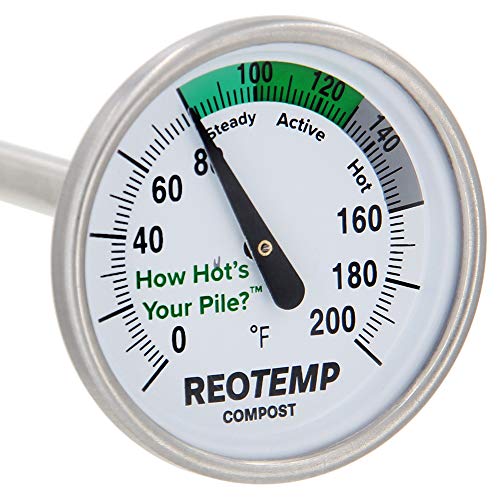
Perfect for the Beginner Composter - Free PDF Digital Compost Guide Included - Expert instructions on how to get started composting and managing your compost pile for the most efficient compost production.

DURABLE CONSTRUCTION: Solid 20 inch (508 mm) 0.2 inch (5mm) diameter stem; reinforced welded bolt between dial and stem for long-lasting operation and conditions; high quality 304 stainless steel
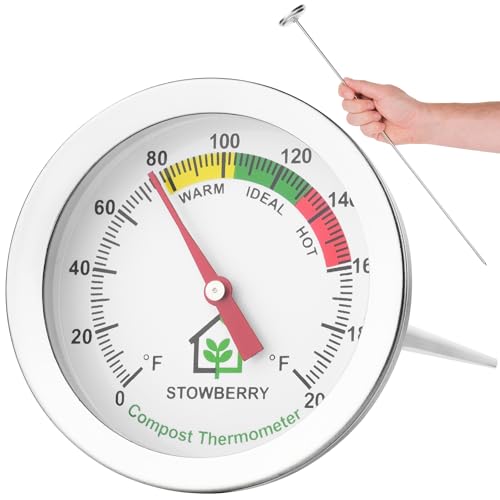
COMPOST THERMOMETER FOR ACCURATE TEMPERATURE MONITORING: Easily track compost temperature levels with this 20 Inch stainless steel probe that reaches deep into piles for precise core readings
Conclusion
You now have the knowledge to enrich your carrot garden with nutrient-rich compost. By following the steps outlined in the article, you can create a thriving environment for your carrots to flourish. Remember to maintain the right balance of green and brown materials, keep the compost pile moist, aerate it regularly, and be patient as the compost matures. Once your compost is dark, crumbly, and earthy-smelling, it’s ready to boost the growth of your carrots. Happy gardening!
Frequently Asked Questions
How do I prepare compost for my carrot garden?
To prepare compost, mix green (nitrogen-rich) materials like kitchen scraps and grass clippings with brown (carbon-rich) materials like dried leaves and straw. Keep the pile moist and well-aerated for decomposition.
Why is monitoring temperature important in composting?
Monitoring temperature is crucial in composting to ensure the pile reaches proper heat levels for efficient decomposition. A temperature of 130-150°F (55-65°C) indicates active composting.
How long does it take for compost to be ready for the garden?
Compost can take anywhere from a few weeks to several months to be ready, depending on various factors like materials used and environmental conditions.
What should the finished compost look and smell like for use in the garden?
Finished compost should be dark, crumbly, and earthy-smelling, indicating that it is fully decomposed and ready to enrich the soil in your carrot garden.
