

Ever wondered when the best time is to pluck that vibrant, crunchy carrot from your garden? Picture this: you’ve nurtured your carrot patch for weeks, and now it’s time to reap the rewards. But how do you know when each carrot is perfectly ripe for picking?
In this article, you’ll uncover the secrets to harvesting carrots like a seasoned pro. No more guessing games or pulling up underdeveloped veggies. You’ll learn the precise signs to look for and the simple steps to follow to ensure each carrot is at the peak of flavor and freshness.
Assessing Carrot Maturity
When it comes to assessing the maturity of your carrots, it all boils down to size. Here’s a quick guide to help you determine if your carrots are ready to be harvested:
- Length: Carrots are typically good for picking when they reach a length of around 6-8 inches.
- Diameter: Aim for a diameter of about 1/2 to 3/4 of an inch for ideal sweetness and tenderness.
- Color: Look for a rich, vibrant color. A deep orange hue often indicates a ripe carrot.
- Texture: Gently feel the carrot. It should be firm and not too soft or woody.
- Greens: The foliage on top of the carrot should be lush and healthy, another sign of maturity.
Remember, the best time to harvest carrots is in the morning when they are crisp and filled with moisture. Don’t rush the process; give your carrots the time they need to reach their full potential.
Choosing the Right Harvest Time
When choosing the optimal harvest time for your carrots, there are a few key factors to consider:
- Size: Carrots should be of a sufficient size for the variety you planted.
- Color: Look for a deep and vibrant color indicating maturity.
- Texture: The carrot should feel firm and not too soft.
- Greenery: The tops should be lush and healthy.
Ensure you harvest in the morning when the carrots are crisp with maximum moisture content.
Remember, allowing your carrots to reach their full potential before picking ensures the best flavor and quality.
Tools Needed for Harvesting
When it comes to harvesting carrots, having the right tools can make the process much smoother. Here are some essential tools you’ll need to harvest your fresh carrots:
- Garden fork: This tool helps loosen the soil around the carrot without damaging the root.
- Hand trowel: Perfect for carefully digging around the base of the carrot to loosen the soil further.
- Garden hose or watering can: Watering the area before harvesting can make pulling the carrots out easier.
- Gloves: Protect your hands from dirt and possible scratches while handling the carrot greens.
- Bucket or basket: Ideal for collecting your freshly harvested carrots.
By having these tools ready, your carrot harvesting experience can be efficient and enjoyable.
Steps to Properly Harvest Carrots
Harvesting carrots is a rewarding experience that can bring the freshness of your garden straight to your plate. Follow these simple steps to ensure you pick your carrots at the peak of perfection.
Step 1: Prepare the Tools
- Grab your garden fork and hand trowel to gently loosen the soil around the carrot tops.
- Have a garden hose or watering can ready to moisten the soil if needed.
Step 2: Loosen the Soil
- Gently loosen the soil around the carrot tops to avoid any damage to the vegetables.
Step 3: Harvesting
- With a firm grip, gently pull the carrots out of the ground by their tops.
- Check for good color, size, and firmness to ensure they are ready for picking.
- Remove the green leafy tops from the carrots, leaving about an inch to prolong freshness.
- Store your harvested carrots in a cool, dark place for lasting quality.
By following these steps, you can enjoy the fruits (or should we say veggies?) of your labor with delicious and fresh carrots ready to be enjoyed in your favorite dishes.
Recommended Products

Our Harvesting tool set is designed for garden harvesting, also ideal for pruning and kitchen use. You can wear the silicone knife with the cut resistant finger protector for comfortable, safe and efficient work.
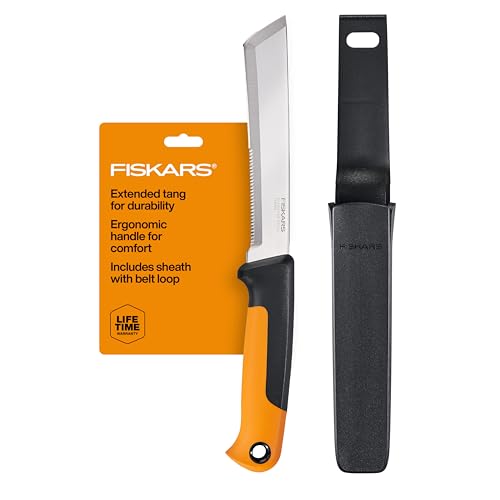
IDEAL FOR HARVESTING: Includes (1) Fiskars Harvesting Knife with hard plastic sheath and belt loop; perfect for thick stalks and stems, ensuring clean and precise cuts with ease in vegetable gardens and orchards; backed by a Lifetime Warranty

Storing Carrots for Longevity
When it comes to storing carrots, the key is to keep them in optimal conditions for long-lasting freshness. Here are some tips to help you extend the shelf life of your harvested carrots:
- Cleaning: Before storing, gently brush off any excess soil. Avoid washing them, as moisture can lead to spoilage.
- Cutting: Trim the greens to about an inch above the carrot itself. This helps retain moisture and prevents wilting.
- Choosing the Right Place: Find a cool, dark location for storing your carrots. Root cellar, fridge, or a cool basement are great options.
- Avoid Moisture: Moisture is the enemy of freshness. Place your carrots in a perforated plastic bag to maintain humidity without excess moisture.
- Separate: If storing different vegetables together, keep the carrots away from fruits like apples that release ethylene gas, which can speed up ripening.
| Temperature | Storage Duration |
|---|---|
| 32°F | Up to 4 months |
| 41°F | Up to 2-4 weeks |
| 45°F | Up to 1-2 weeks |
By following these storage tips, you’ll be able to enjoy the freshness of your carrots for longer periods, ensuring that they’re ready to add crisp sweetness to your favorite dishes whenever you need them.
Recommended Products
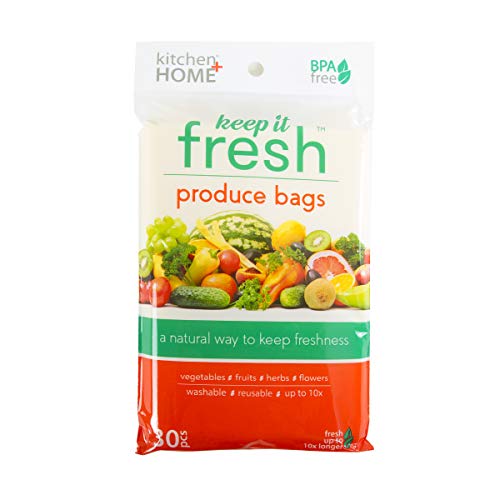
PRESERVE FRESHNESS – As fruits and vegetables ripen they naturally emit ethylene gas which speeds up the natural decomposition process. Keep it Fresh produce bags absorbs this harmful gas and slows down the ripening process, so your produce and flowers stay fresh up to 10 times longer!

- {Great Size} 8"x10"x3" dimensions with gusseted bottom, 8 inches by 10 inches with a gusseted bottom of 3 inches accomodating various sizes and shapes of products. - {Better Materials} Food Grade CPP Film with a higher tear and impact resistance and better cold temperature performance and heat sealing properties. Cast Polypropylene Film (CPP) is more favorable than (BOPP). - {Boxed Set} A set of 200 High Transparency bags with self-seal tape. Comes in a boxed dispenser keeping bags well contained for easy use and storage. - {Micro-perforated Bags} 28-32 hot needled holes per square inch allows for air permeability - for excess moisture to escape the bag. Permitting longer freshness.

8 PCS of Produce Nags: Includes 8 reusable mesh produce bags, size: 17.72×13.78in, 11.81×9.84in, 11.8×7.87in, 9.84×7.87in, whether your produce is big or small, Reusable Produce Bags can meet your needs
Conclusion
You’ve learned how to harvest carrots like a pro and store them properly for lasting freshness. By following these simple steps, you can enjoy the crisp sweetness of homegrown carrots in your dishes for months to come. Remember to gently clean and trim your carrots before storing them in a cool, dark place. Using perforated plastic bags and keeping them away from ethylene-releasing fruits will help maintain the ideal humidity levels. Whether you choose a root cellar or your fridge, ensure that your carrots stay fresh by following the recommended storage durations at different temperatures. With these tips, you can savor the delicious taste of your harvest and elevate your culinary creations with the goodness of freshly picked carrots.
Frequently Asked Questions
How should I store harvested carrots for longevity?
To store harvested carrots for longevity, gently brush off soil, trim greens, and choose a cool, dark location like a root cellar or fridge. Use perforated plastic bags to maintain humidity without excess moisture and separate carrots from ethylene-releasing fruits.
What are the recommended storage durations for carrots?
Carrots can be stored at 32°F for up to 4 months, 35°F for 2-4 months, 40°F for 1-3 months, and 45°F for 1-2 weeks. Following these temperature guidelines will preserve the freshness of the carrots and retain their crisp sweetness for extended periods.
