


In a compact yard the main challenge is usually finding room for plants while still leaving space to move around and enjoy the area.
Vertical systems shift the focus upward so you can grow more without crowding the ground level.
That shift changes everything.
I have noticed that setups attached to existing walls or fences tend to blend in better than freestanding ones over time.
Checking how each idea handles drainage and sun exposure in your specific layout helps avoid problems later on.
Mount Planters On A Wall To Save Floor Space

Mounting planters directly onto a wall works well when ground space is limited. It turns a plain vertical surface into usable growing room without crowding the walkway or seating area below.
This setup fits narrow side yards or small patios best. Use a simple wood backing for support, space the planters evenly, and pick plants that share similar water needs so the wall stays easy to maintain over time.
Vertical Pallet Planters On Railings

Mounting a simple wooden pallet on the railing turns a narrow balcony edge into usable growing space. It keeps the floor clear for seating while letting you grow several plants at once in a compact spot.
This works best on apartments or small yards where ground beds are not an option. Secure the pallet firmly, add lining, and fill the sections with herbs that you can reach from a chair.
Wall Troughs Turn Narrow Walls Into Gardens

Many compact yards have little ground space left once paths and seating are added. Mounting trough planters straight onto a wall uses that vertical area instead and keeps the growing surface off the ground.
This approach suits side yards, narrow passages, or any spot where a traditional bed will not fit. The containers can hold tomatoes, herbs, and trailing plants while staying easy to water and harvest without bending far.
Mount Planters On A Fence

Many small yards run out of ground space fast. Mounting planters straight onto a fence puts the vertical surface to work without taking up extra room below.
This setup suits narrow side yards or tight paths where beds would feel cramped. Secure boxes at a comfortable height and choose trailing plants that stay manageable in smaller containers.
Try A Wall Grid For Vertical Planting

A wall grid gives you a simple way to add many plants without losing floor space in a small yard. It holds pots at different heights so you can mix upright growers with trailing ones and still keep the area open below.
This approach works best against a fence or solid wall where you need to keep the ground clear for seating or paths. Secure the grid well and check that your pots are light enough to stay put once watered.
Grow Plants Vertically With A Wall Trellis

A trellis mounted right on the wall lets you add layers of greenery without taking up floor space. In tight yards this approach turns a plain vertical surface into the main growing area while keeping the ground clear for paths or a few larger plants.
Bamboo works well because it is lightweight and easy to attach. Place the trellis where it gets decent light, then add a few small wall boxes lower down if you want extra variety. Just check that your wall can handle the weight once the plants fill in.
Mount Planters On The Wall
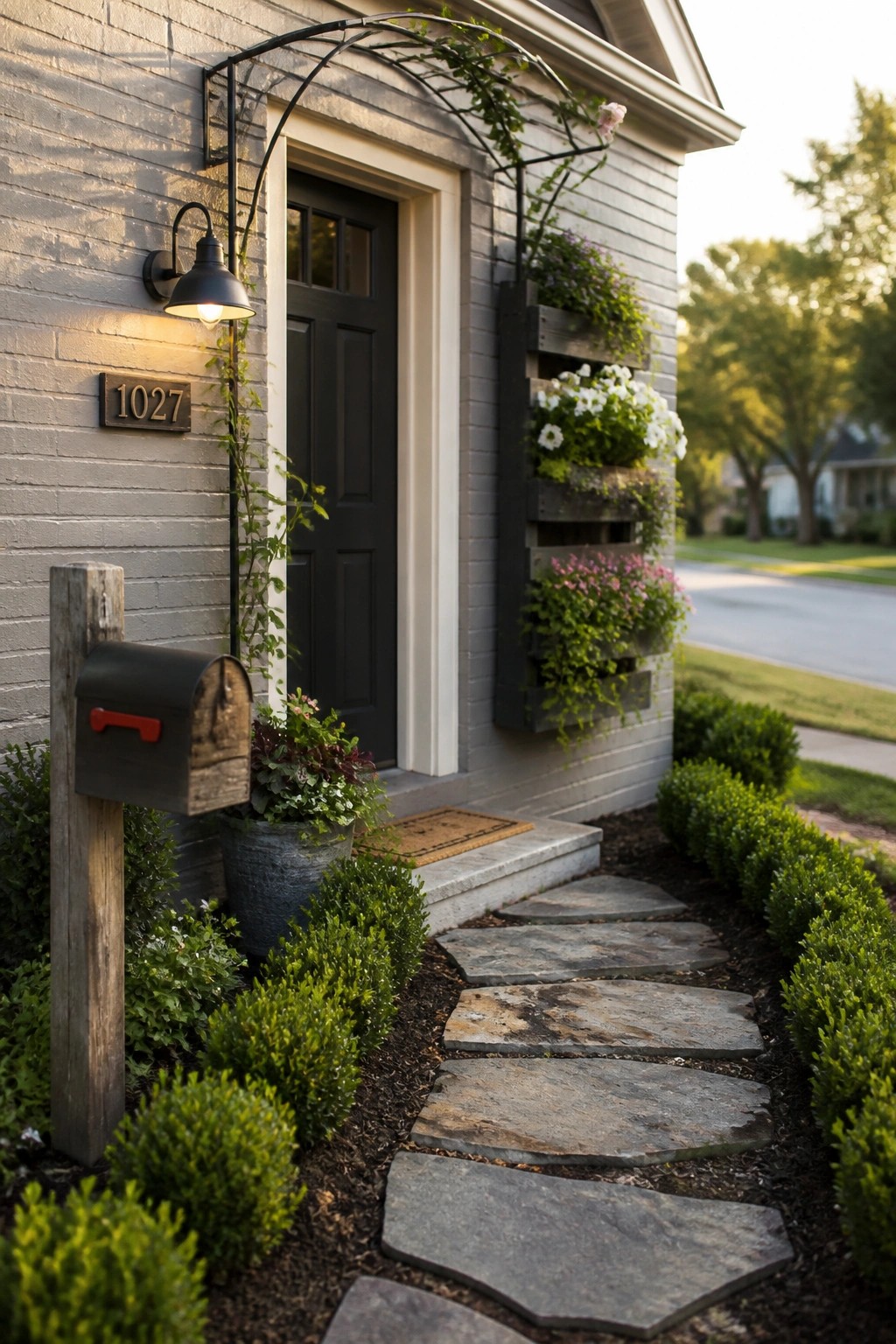
Mounting planters directly on an exterior wall is a simple way to add plants when ground space is tight. It keeps the planting off the lawn or path and still gives you plenty of room for flowers or small vegetables.
Wooden crates or boxes work well for this because they are easy to attach and can be stacked in a column. This approach suits small front yards or side yards where you want some greenery near the entry without blocking foot traffic.
Create a Vertical Herb Wall on Your Balcony

Mounting a row of wooden crates along one wall lets you grow herbs without losing floor space. The setup keeps everything at eye level and within reach, so the bench stays open for sitting while the plants stay tidy and organized.
This works best on compact balconies or patios that get a few hours of sun. Use sturdy brackets, choose herbs that match your cooking habits, and keep the boxes narrow so the area still feels open rather than crowded.
Wall-Mounted Pipe Planters For Narrow Yards

Mounting pipes on a wall gives you a simple way to grow plants upward instead of spreading them across the ground. This setup works well in tight side yards where floor space is limited, and it turns a plain wall into a productive garden without adding clutter below.
You can run the pipes in staggered rows and drop pots into the openings. It suits compact homes with little outdoor room and works best when you choose lightweight pots and plants that do not need deep soil. Check the wall strength first since the pipes and plants add up in weight over time.
Grow Climbing Plants On A Garden Arch

One easy way to save ground space in a small yard is to send plants upward on an arch. The structure takes almost no floor room yet creates a full wall of flowers and greenery that feels much bigger than it is.
Place the arch over a path or near a gate so the vines can climb without blocking anything else. Roses and clematis both work well on this kind of frame, and the arch stays useful even when the plants are still filling in.
Vertical Wall Planters For Small Entries

Many compact yards and narrow porches have little room for traditional garden beds. A tall vertical planter mounted directly on the house wall gives you multiple planting spots while keeping the ground clear for walking or seating.
This setup works best on homes with flat siding where the unit can be secured at several points. Keep the plants simple and match them to the light levels on that side of the house so the whole thing stays low maintenance over time.
Recycle Tires Into Wall-Mounted Planters
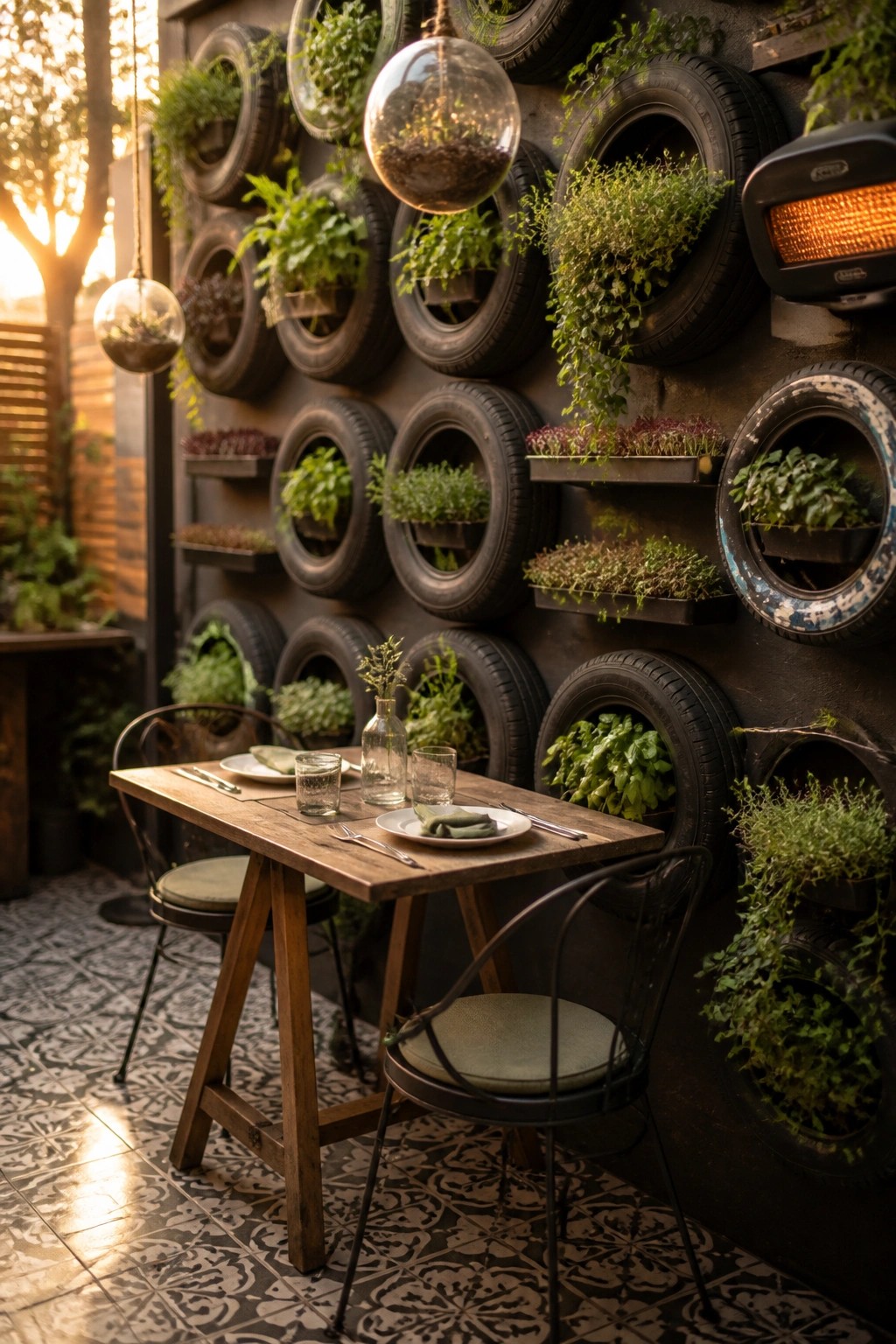
Mounting old tires on a wall gives you a simple way to grow more plants without using up ground space. It works especially well in compact yards where every inch counts and you still want room for a table and chairs.
This setup suits patios and small outdoor areas that get decent light. Clean the tires first, fix them firmly to the wall, and pick plants that match the sun exposure so they stay healthy without constant fuss.
Stacked Ring Planters For Narrow Walls

Stacked metal rings let you grow a lot of plants without using much floor space. The cylinders sit right against the wall and hold herbs and greens at different heights so everything stays within easy reach.
This setup works best on balconies or small patios where ground room is tight. Secure the rings well and choose plants that like similar light and water conditions so the tower stays healthy without constant fuss.
Vertical Planter Walls For Small Yards

A vertical planter wall like this one lets you add plenty of greenery in a tight space without spreading out across the ground. It works especially well on patios or small decks where every square foot counts and you still want some living color nearby.
You can place one against a fence, along a property line, or even as a simple divider between seating areas. The wooden boxes mounted on a frame keep the plants off the floor while giving you room to grow ferns and other greenery that soften the edges of the space. Just make sure the structure is sturdy enough to hold the weight once the boxes are filled.
Wall Mounted Planters Free Up Ground Space

Many small yards run out of room quickly once you add seating or paths. Mounting pots straight onto a wall lets you grow more without taking over the floor area.
This works best on solid exterior walls that get decent sun. Stick with lightweight containers and group them in simple rows so the setup stays easy to water and maintain over time.
Add a Planter to the Back of a Bench

One simple way to grow more in a small yard is to use the back of a bench as a planting surface. The raised box keeps the plants off the ground, gives them good sun exposure, and leaves the floor space free for walking or sitting.
This setup works best along a fence or wall where you already have a seating area. Choose a deep enough box for the plants you want, secure it firmly to the bench frame, and pick a mix of trailing and upright varieties so the planting feels full without spreading sideways.
Vertical Towers For Narrow Side Yards
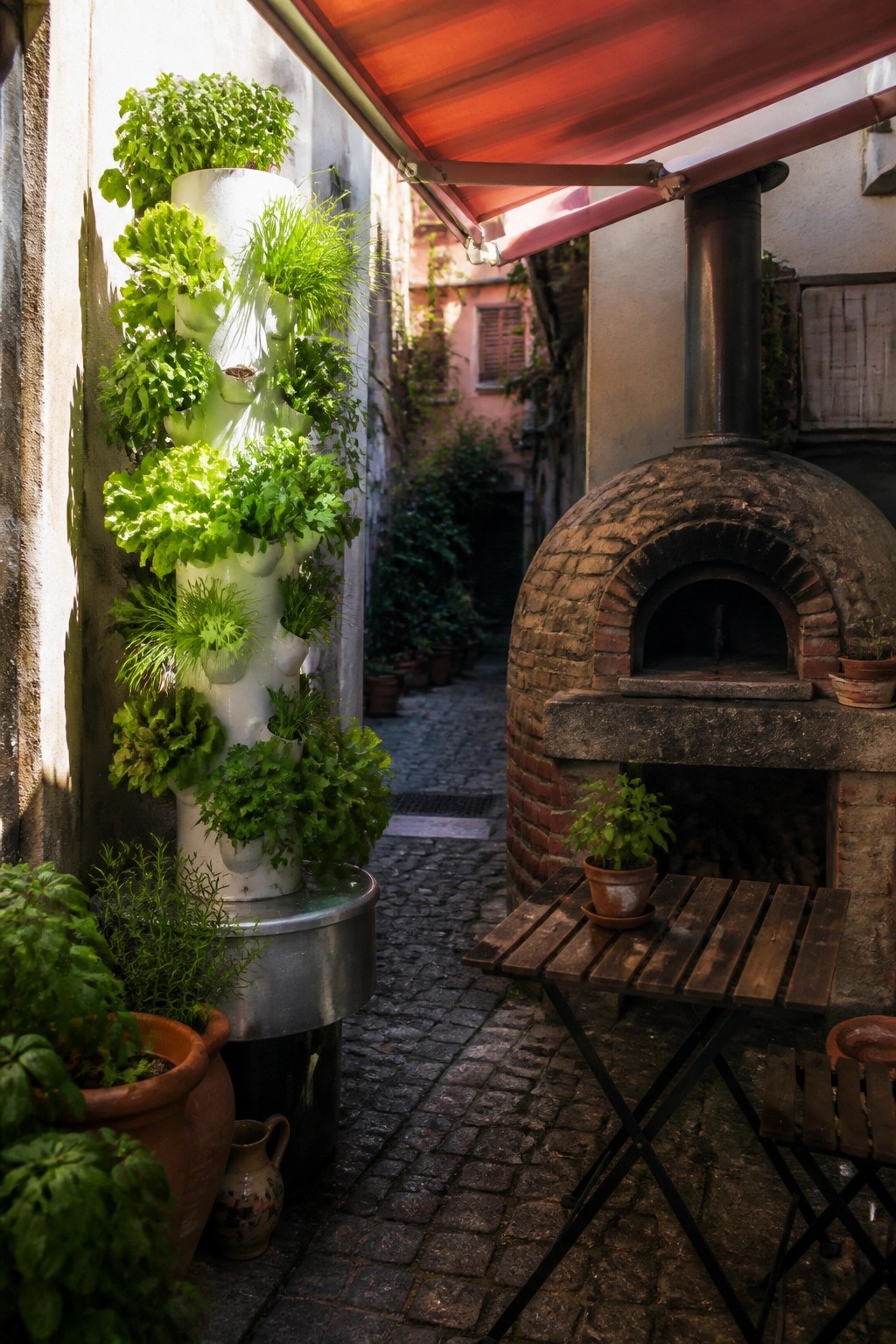
A vertical tower planter packs plenty of growing space into a slim footprint. In compact yards or tight passages, this approach turns wasted vertical space into room for herbs, lettuce, and other greens without crowding the ground.
These towers suit homes with limited patio or alley space, especially where sun reaches the wall. Keep the base weighted for stability and choose a spot where you can water and harvest without stepping over other plants.
Railing Planters For Compact Balconies

Mounting planters straight onto a balcony railing gives you room to grow without losing floor space. The wooden boxes sit at railing height, and a simple trellis behind them lets vines climb upward instead of spreading sideways.
This setup suits apartments and other tight outdoor areas where ground beds are not an option. Secure the boxes well, choose lightweight soil, and pick plants that handle wind and sun exposure.
Frequently Asked Questions
Q: How do I stop water from dripping all over the patio below my vertical garden?
A: Place a shallow tray or old baking sheet at the base to catch runoff. Check it every few days and empty as needed. This keeps things tidy without extra fuss.
Q: What happens if the soil dries out faster in those wall pockets?
A: Water more frequently during hot spells. Add some mulch on top to hold moisture longer. Your plants will thank you for the extra attention.
Q: Can I attach heavy planters to a wooden fence?
A: Reinforce the fence first with extra brackets at key spots. Start with lighter pots and work your way up as you test the strength. Spread the weight across multiple points.
Q: Do I need special tools to build these simple vertical projects?
A: Basic hand tools like a drill and saw handle most ideas. Borrow what you don’t own from a neighbor to keep costs down.
