


I have found that small garden spots often produce more when the beds follow the sun patterns across the actual yard rather than a diagram on a screen.
Layout choices like narrow rows or stacked planters matter because they keep roots from competing once the plants fill in.
Some setups work better than others in practice.
I tend to try spacing methods first since those show results within a single season and reveal whether the soil can support heavier yields without extra work.
Watching how water drains after a rain usually tells me which ideas deserve keeping and which need tweaking before the next round of planting.
Raised Beds For Small Vegetable Gardens

Raised beds give you better control over soil quality and drainage, which helps vegetables produce more even when the yard is small. The layout also makes it easier to reach every plant without walking on the soil and compacting it.
This approach suits compact backyards where every bit of space needs to count. Keep the beds narrow enough to reach across and leave a simple path between them for daily access and watering.
Vertical Racks For Balcony Gardens

A vertical rack mounted along the railing turns a narrow balcony into a productive growing area without crowding the floor. It holds several pots at different heights so plants like tomatoes and leafy greens all get decent light.
This setup suits apartment balconies or any small outdoor spot where ground space is limited. Secure the rack well and choose lighter pots to keep weight down, then add a few more as the plants fill in.
Arrange Raised Beds Around A Central Point

A central feature like a stone well can help organize raised beds into sections that all stay within easy reach. This layout keeps the beds productive without wasting space on long rows that are hard to tend in a small yard.
The curved terracotta edges guide foot traffic along the brick paths and make it simple to water or harvest from any side. It works especially well in a courtyard or enclosed garden where you want everything close at hand.
Train Fruit Trees Against Walls For More Harvests

Training fruit trees flat against a wall turns a narrow strip into productive growing space. The branches spread out sideways so they get sun without crowding the ground or blocking the path.
This setup suits small gardens with limited width, especially along fences or house walls that face the right direction. Use strong horizontal wires and prune regularly to keep the shape flat and the fruit easy to reach.
Grid Paths For Easier Access In Small Gardens

A checkerboard layout of pavers and grass squares gives you solid footing between beds without eating up too much growing space. It keeps the soil from getting packed down and makes it simple to reach every plant for watering or harvesting.
This setup works best in narrow side yards or compact backyards where you need to move around freely. Keep the pavers level with the grass so a mower can pass over without extra trimming.
Raised Beds With Trellises
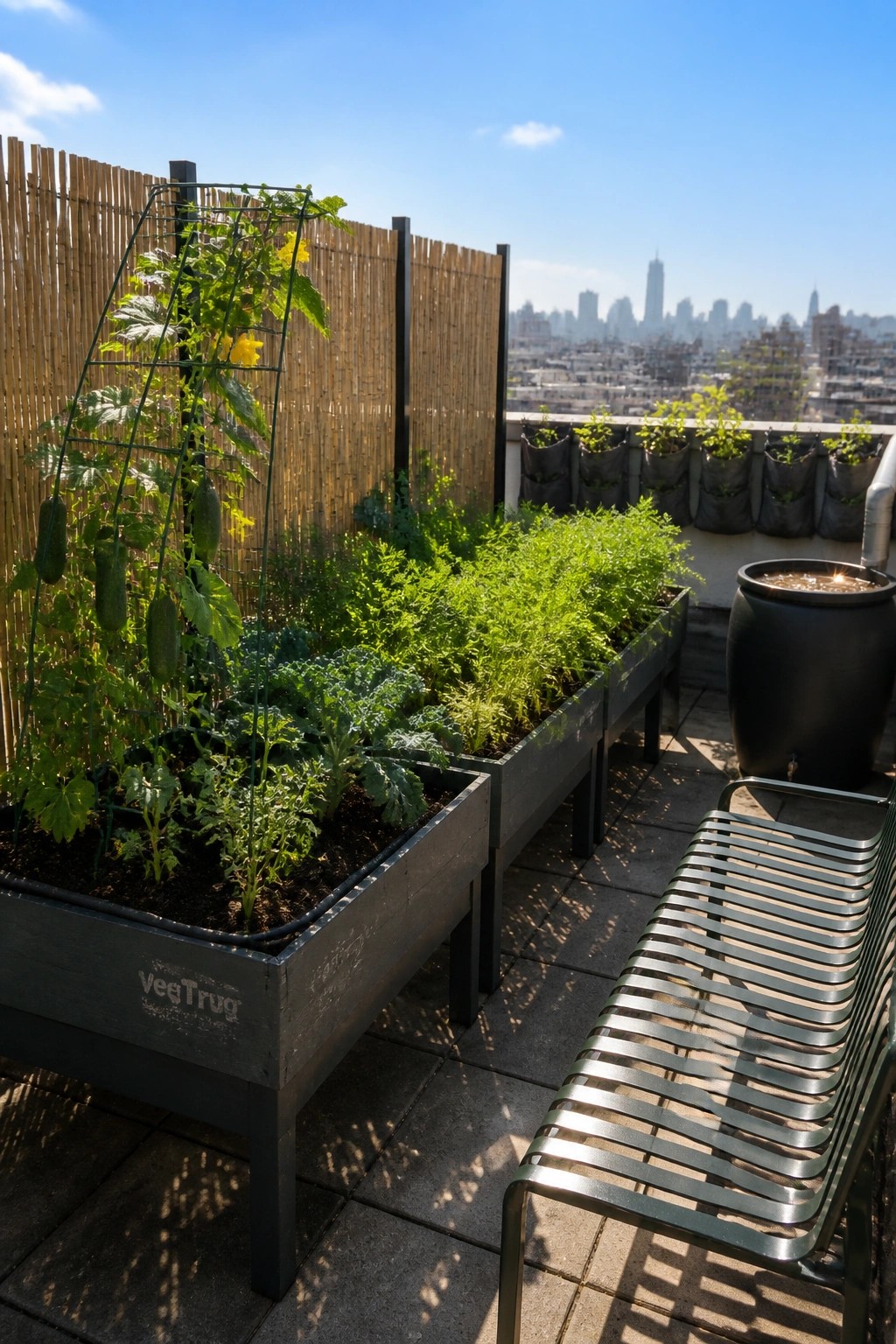
Raised beds with trellises make it easier to grow vining crops in a limited area. The vertical support keeps plants off the ground, improves airflow, and lets you fit more into each box without crowding.
This approach works best on patios, terraces, or rooftops where floor space is fixed. Use sturdy frames like the metal one shown here and place the beds near a wall or screen for extra stability and sun exposure.
Try A Vertical Garden Along A Fence

One simple way to grow more in a small space is to use the fence or wall you already have. Mounting crates or boxes in rows turns that vertical surface into growing room without taking up ground space that you might need for walking or other things.
This setup works best in narrow side yards or along the back of a property where a flat wall gets decent sun. Check that the wood can handle the weight once the soil and plants are in, and water the upper rows a little more often since they dry out faster.
Circular Raised Beds For Small Yards

A circular stacked stone bed lets you fit several different crops into one compact area without crowding the plants. The tiers create extra planting pockets around the edges while the center holds taller items like tomatoes, so everything gets decent sun and air flow.
This layout works especially well in paved courtyards or tight side yards where square beds would feel cramped. Keep the stones low enough to reach across and use simple plant markers so you can rotate crops each season without losing track of what is growing where.
Use Linear Raised Beds in Narrow Yards

Long raised beds work well when space is tight because they let you pack in more plants without spreading out wide. The metal edging keeps everything contained, and the straight layout makes it easy to walk down one side and tend both the bed and whatever is growing behind it. Many people like this setup because it turns an awkward strip of ground into actual growing room.
This approach suits homes with side passages, small backyards, or areas next to fences where a wide garden would feel cramped. Keep the bed depth around twelve to eighteen inches so roots have room, and use the path beside it for access rather than planting right up to the edge. A simple gravel or mulch path keeps things tidy and prevents mud from splashing onto the leaves.
Raised Beds With Trellises
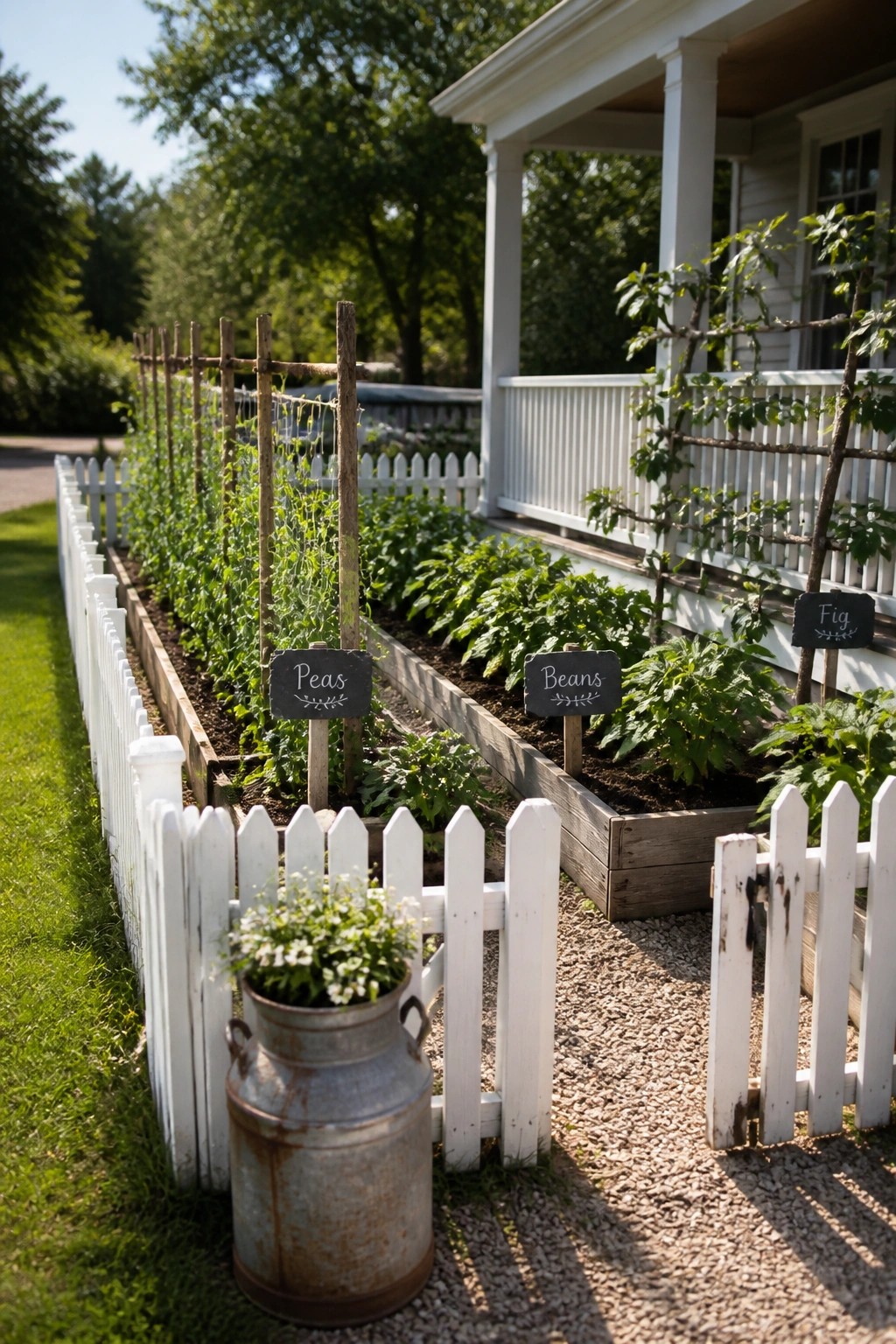
Raised beds make it easier to keep soil healthy and weeds under control in a small garden. Adding simple wooden trellises inside the beds gives climbing crops like peas and beans a place to grow upward, which saves ground space and often leads to stronger plants.
This approach suits narrow side yards or back corners where every foot counts. Keep the beds narrow enough to reach across, and use sturdy stakes so the supports hold up once the vines fill in.
Raised Stone Beds For Compact Vegetable Gardens

Raised beds built with stacked stone give you clear edges and deeper soil in a small space. The shape lets plants grow closer together while the paths stay open for easy watering and picking.
This works best in backyards where every foot counts. Keep the beds curved or rounded so you can reach the middle without stepping on the soil.
Raised Beds With Drip Irrigation
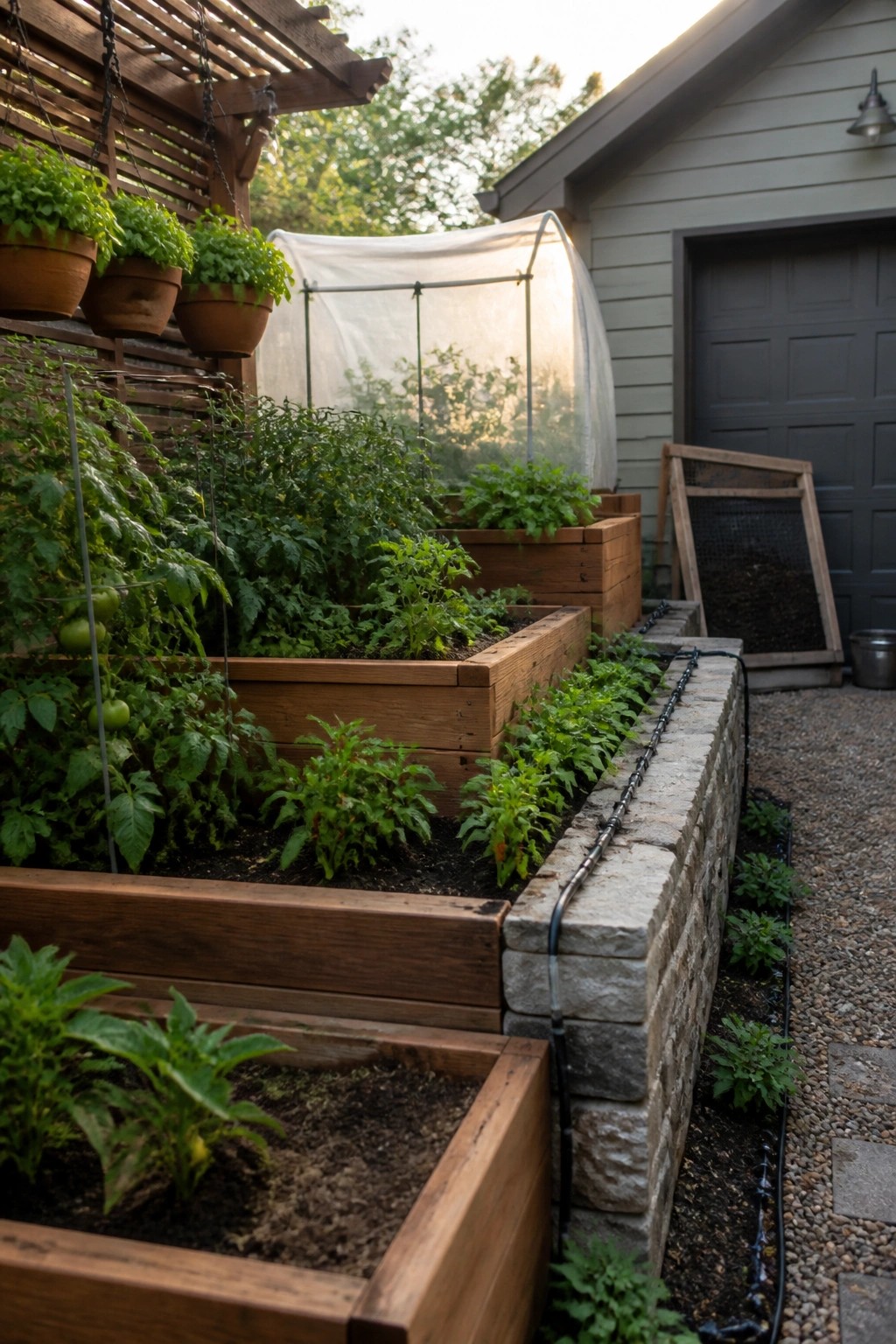
Raised beds paired with drip lines help keep watering consistent without much effort. The setup lets you control soil quality and avoid wasting water on paths or weeds, which often leads to stronger plants and more produce from a small area.
This approach works well in backyards with limited space or uneven ground. Place the beds where they get good sun, run the lines along the edges, and check the connections a few times a season to keep things running smoothly.
Container Gardening With Large Pots

Many people find that large ceramic pots make vegetable growing practical in small areas. The containers let you control soil and move plants around as needed while still producing a solid harvest.
This works best on patios, gravel surfaces, or small courtyards where digging beds is not possible. Choose pots with good drainage and group them to keep watering and care simple.
Labeled Raised Beds Keep Small Gardens Manageable

Raised beds already help with soil control and drainage, but adding simple labels takes the setup further. In a tight space it becomes easy to track what is planted where, which matters when you are rotating crops or trying new varieties each season.
This approach fits side yards or small backyards where every square foot counts. Use inexpensive chalkboard signs or stakes so you can update them as needed, and keep the beds narrow enough to reach across without stepping inside.
Raised Stone Beds For Small Vegetable Gardens

Raised stone beds give you a simple way to grow vegetables in a small space without fighting poor soil or weeds. The blocks hold everything in place and make it easy to reach the plants for watering and picking.
This approach fits gravel yards or tight courtyard areas where digging is not an option. Keep the beds in full sun and add a few larger pots nearby if you need extra room for herbs or taller plants.
Vertical Supports Help Small Beds Produce More

Many gardeners add simple teepee frames to their raised beds when space is tight. The poles give tomatoes room to climb, which keeps the plants off the ground and makes harvesting easier.
This setup suits narrow beds or long rows along a fence. Sink the poles early in the season and tie them at the top. The same idea works for beans or cucumbers if you want to grow more in the same footprint.
Brick Paths Keep Small Gardens Manageable
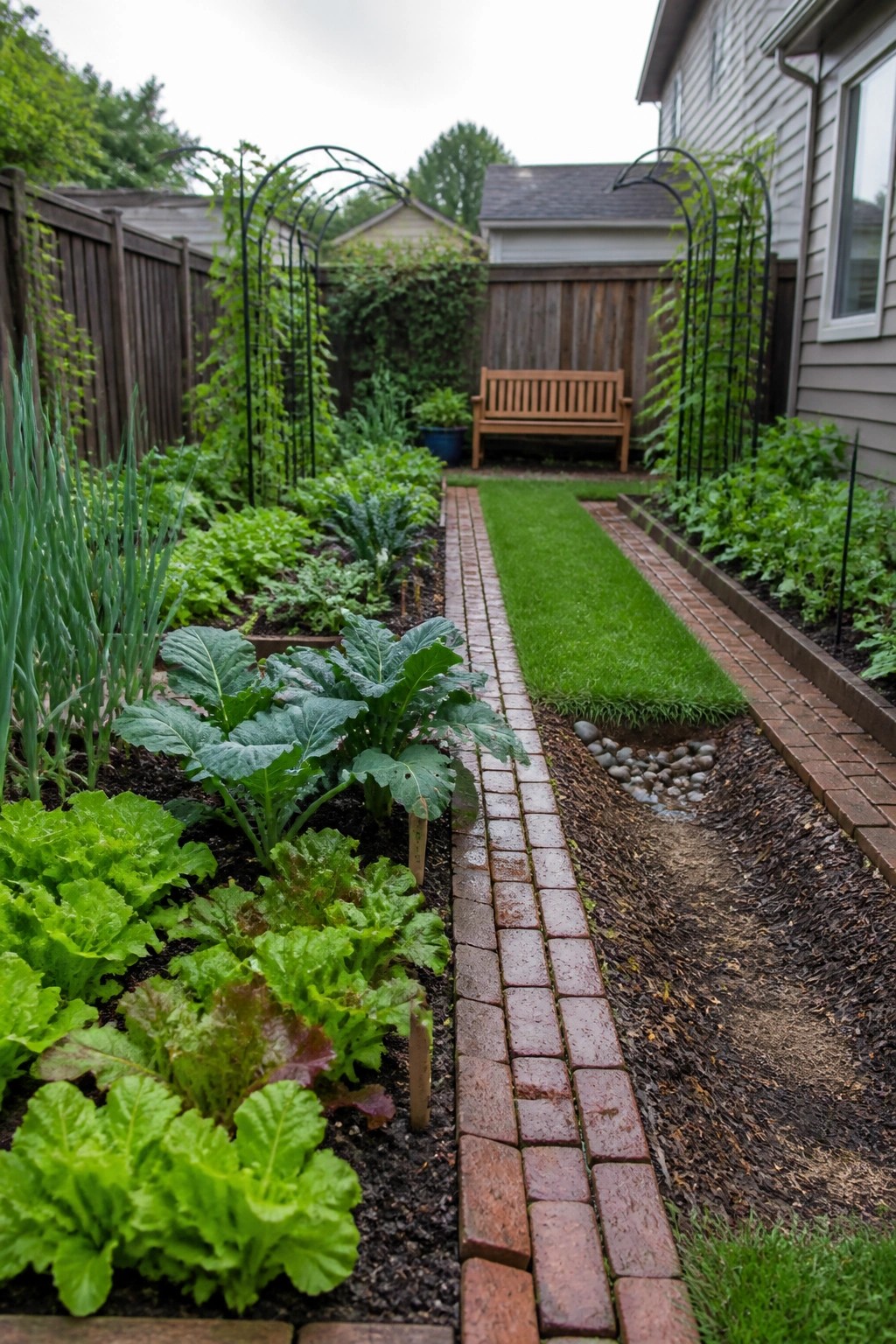
A central path through the beds makes it much easier to tend plants without compacting the soil. In a narrow yard this layout also lets you reach both sides from one walkway so you can water and harvest without extra steps.
This approach suits tight side yards or back gardens where every foot of growing space counts. Keep the path material simple and level so a wheelbarrow can roll through when you need to add mulch or move seedlings.
Stack Concrete Blocks For Vertical Gardens

Concrete blocks stacked like a low wall give you plenty of planting pockets without taking up much floor space. The holes in each block hold soil and roots, so you can grow leafy greens and herbs right at eye level. Many people like this setup because it turns a plain wall or fence line into productive growing area while still looking simple and tidy.
This approach works best on a balcony, patio, or narrow side yard where ground beds are not an option. Make sure the blocks sit on a level base and add a bit of gravel at the bottom of each hole for drainage. If your wall faces strong afternoon sun, choose heat-tolerant varieties and water more often.
Barrel Planters For Dwarf Fruit Trees

Half barrels give you a simple way to grow dwarf fruit trees without needing much ground space. They sit right along a path or foundation where soil might be poor or the area narrow. The wood holds moisture well and the round shape lets roots spread a bit while still keeping the tree compact.
Place them where they get full sun and leave enough room between barrels for easy watering and picking. This setup works best on smaller lots or along walkways where in-ground beds are not practical. Just watch that the barrels do not sit in standing water during heavy rain.
Vertical Towers For Small Space Gardens

A vertical tower gives you room to grow quite a few vegetables even when ground space is tight. The stacked sections let plants sit at different heights in one compact column instead of spreading out across the yard.
This kind of setup works best on a patio or small paved area with good sun. Keep the water system simple and check the pump now and then so the plants stay healthy through the season.
Raised Beds Make Narrow Yards More Productive

Raised beds let you grow a lot of vegetables in spaces that would otherwise go unused. They give you better soil control and keep plants off the ground, which cuts down on weeds and makes watering simpler.
You can build them with basic lumber and concrete blocks so they fit along fences or tight side areas. A simple plank path between the beds keeps things easy to walk and work in without compacting the soil.
Build a Raised Bed That Fits Your Deck

A raised bed built right into the deck gives you room to grow vegetables without losing floor space for sitting or walking. The curved shape helps it sit neatly against the edge while still leaving the rest of the deck open.
This setup works best on decks or patios that get at least six hours of sun. Keep the bed narrow enough to reach across easily and use the outer edge for pots if you want even more plants.
Narrow Paths Between Raised Beds

A narrow gravel path between raised beds gives you easy access to every plant without compacting the soil. This layout keeps the garden productive even when space is limited and makes daily tasks like watering and harvesting feel straightforward.
Brick or similar edging holds the beds in place and keeps the path clear over time. The approach works best in small yards or side gardens where you need to fit in as many vegetables as possible without crowding the plants.
Frequently Asked Questions
Q: My tiny patio only gets a few hours of sun. Which of the high yield setups still make sense there?
A: Stick with leafy greens and compact herbs in vertical wall pockets since they tolerate less light without slowing down. Rotate the containers every couple days so each side gets its share of rays. Water a little extra in the evenings because the wind on a patio dries soil faster than you expect.
Q: How do I stop the soil in my raised boxes from going flat after one season of heavy planting?
A: Mix in a few inches of fresh compost and a handful of aged manure each spring before you replant. Stir it through the top layer only so you do not disturb the roots still working below. That single step keeps the bed loose and full of nutrients without buying any fancy mixes.
Q: My cherry tomatoes keep splitting right before I pick them. Is that normal in small gardens?
A: It usually means the plants got a sudden burst of water after staying too dry. Check the soil each morning and give a steady drink so moisture stays even. Harvest a little earlier when the color just turns and the fruit still feels firm.
