

Purple basil can regrow after cutting due to its resilient nature and optimal growing conditions. Proper care and maintenance, including adequate sunlight and watering, are essential for encouraging healthy growth.
Purple Basil Regrowth Conditions and Factors
Purple basil thrives in warm climates and requires specific conditions for optimal growth. It typically grows back after being cut if the plant is healthy and well-maintained. Factors such as soil quality, light exposure, and watering frequency play a crucial role in its recovery.
Recommended Products

DESIGNED FOR HERBS: Rosy Soil's organic potting mix for herbs is formulated for basil, thyme, mint, parsley, cilantro, lavender, rosemary, and more - indoors on a windowsill or outside in a planter; biochar, worm castings, and mycorrhizae work together to build strong roots, improve nutrient uptake, and support fuller, more flavorful harvests

🌳 SUPPORT YOUR INDOOR HERB'S GROWTH - Give your indoor herb plants the ideal growing environment with this professional soil mix designed for strong root development and healthy leaf production. This premium ready-to-use potting soil enhances nutrient absorption, supports fertilizer efficiency, and promotes plant stability. Perfect for basil, mint, rosemary, thyme, and other kitchen herbs, helping your plants grow fresh, flavorful, and ready for harvest.
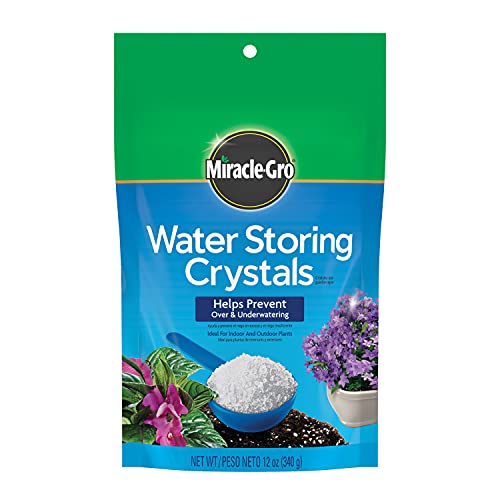
Prevents Over and Under Watering: Miracle-Gro Water Storing Crystals absorb moisture and release it back to your plants as needed, helping to prevent over and underwatering
Regrowth Conditions for Purple Basil
Understanding the regrowth conditions for purple basil is essential for gardeners looking to nurture this vibrant herb. By examining the specific environmental factors and care practices that promote healthy regrowth, you can ensure that your purple basil thrives and continues to provide flavor and beauty in your garden. This section delves into the key elements that contribute to successful regrowth.
To ensure your purple basil grows back effectively, consider the following factors:
Soil Quality: Use well-draining soil rich in organic matter.
Sunlight: Aim for at least 6-8 hours of direct sunlight daily.
Watering: Keep the soil consistently moist but not waterlogged.
Basil Regrowth Symptoms and Causes
Understanding the symptoms and causes of basil regrowth is essential for any gardener looking to nurture healthy plants. Purple basil, in particular, can display unique signs when it begins to recover after being pruned or stressed. This section delves into the indicators that signal regrowth and the factors that contribute to the plant’s revival.
| Symptom | Primary Suspect | Difficulty (1-5) |
|---|---|---|
| Leaves wilting after cutting | Insufficient water | 2 |
| Slow regrowth | Poor soil nutrients | 3 |
| Leaf discoloration | Excessive sunlight | 4 |
Factors Affecting Purple Basil Regrowth
Understanding the factors that influence the regrowth of purple basil is essential for gardeners looking to cultivate this vibrant herb successfully. From environmental conditions to care practices, several elements play a crucial role in determining how well purple basil can bounce back after harvesting or adverse conditions. This section delves into the key aspects that affect its regrowth potential.
Identifying root causes of slow regrowth can help you take corrective action. The following issues often hinder the growth of purple basil:
Nutrient Deficiency: Lack of essential nutrients can stunt growth.
Pest Infestation: Pests can damage leaves and roots.
Improper Pruning: Incorrect cutting techniques can harm the plant.
Nutrient Deficiency Solutions for Purple Basil
Purple basil can thrive with the right nutrients, but deficiencies can hinder its growth and flavor. Understanding how to identify and address these nutrient gaps is essential for maintaining a healthy plant. This section explores effective solutions to common nutrient deficiencies that can affect purple basil, ensuring it flourishes in your garden.
To combat nutrient deficiency, consider the following steps:
Fertilize Regularly: Use a balanced fertilizer every 4-6 weeks.
Amend Soil: Incorporate compost to improve soil quality.
Monitor pH Levels: Aim for a pH between 6.0 and 7.0 for optimal nutrient uptake.
Step-by-Step Fix for Healthy Growth
To revive purple basil and encourage healthy growth, it’s essential to follow a systematic approach. This section outlines a step-by-step fix that addresses common issues and provides practical solutions for nurturing your basil plants back to vitality. By implementing these strategies, you can ensure robust growth and a thriving herb garden.
Follow these steps to encourage healthy regrowth of your purple basil:
Assess Soil Conditions: Test soil for nutrient levels and pH.
Adjust Watering Schedule: Water when the top inch of soil feels dry.
Prune Correctly: Cut just above a leaf node to promote branching.
Provide Adequate Light: Ensure the plant receives sufficient sunlight.
Recommended Products

Kindly NOTE: This soil tester can not be applied to test pH value of any other liquid. If the soil is too dry the indicator will not move, and water it before testing.

Accurate Soil pH Testing: Dewildetradingco Soil pH Test Strips offer measurements of soil pH levels (pH 3.5-9). As an essential tool for every gardener and grower, these test strips help determine the optimal pH for various plants, such as outdoor plants, indoor plants, gardens, grass lawns, fruit trees, flowers, vegetables, and forest shrubs.

How to Accurately Test Garden's Soil pH? Many growers do not able to use the correct tools and methods to obtain accurate soil ph values; NewTest soil ph test kit includes upgraded soil ph test strips, measuring cylinders, and instructions for professional testing methods; it allows even beginners to easily and accurately obtain soil ph values
Purple Basil Care and Maintenance Tips
Caring for purple basil requires attention to its specific needs to ensure healthy growth and vibrant flavor. From soil selection to watering practices, understanding these essential maintenance tips can help you cultivate a thriving basil plant. This section will guide you through the best practices for nurturing your purple basil effectively.
Maintaining your purple basil involves regular monitoring and care. Here are practical logistics to consider:
Check for Pests Weekly: Look for signs of aphids or spider mites.
Rotate Pots: If growing indoors, rotate pots for even light exposure.
Harvest Wisely: Regularly harvest leaves to encourage bushier growth.
Purple Basil Growth Troubleshooting Guide
Purple basil can be a rewarding herb to grow, but it often faces various challenges that can hinder its growth. This troubleshooting guide addresses common issues that may arise, providing practical solutions to help you nurture your purple basil back to health and ensure a thriving garden. Understanding these problems is essential for successful cultivation and enjoyment of this flavorful herb.
Even with proper care, issues may arise. Here’s how to troubleshoot common problems:
Wilting Leaves: Increase watering frequency and check for root rot.
Yellowing Leaves: Assess for nutrient deficiencies and adjust fertilization.
Stunted Growth: Ensure the plant is not root-bound and has adequate space.
Recommended Products

READY-TO-USE! IndiCanja is a water-only super soil containing everything needed to take your plant from seedling to harvest


NATURAL AND ORGANIC NUTRIENT RICH FERTILIZER: We’re on a mission to get America growing again and it all starts with what’s right beneath us — your soil; Grow a bountiful garden in your home with the Back to the Roots All-Purpose Peat-Free Potting Mix, packed with the nutrients needed for your plants, flowers, and vegetables to thrive
Overwatering Risks for Purple Basil
Overwatering can pose significant risks to purple basil, impacting its health and growth. Excess moisture in the soil can lead to root rot and other fungal diseases, ultimately hindering the plant’s ability to thrive. Understanding these risks is crucial for maintaining vibrant and healthy purple basil in your garden.
Overwatering can lead to root rot and ultimately kill your purple basil. Always check soil moisture before watering.
Strategies for Thriving Purple Basil
To cultivate vibrant purple basil, understanding its specific needs is essential. This section delves into effective strategies that promote healthy growth, from optimal soil conditions to ideal watering practices. By implementing these techniques, gardeners can ensure their purple basil thrives throughout the growing season.
Implement these strategies to ensure your purple basil thrives and regrows effectively. Regular maintenance and attention to environmental factors are key to enjoying a healthy, vibrant basil plant.
