

Have you ever wondered how resilient tomato plants are when it comes to temperature fluctuations? Picture this: you’ve put so much effort into nurturing your tomato plants, only to see them struggle when the weather turns extreme. Understanding the temperature thresholds that tomato plants can tolerate is key to ensuring a successful harvest.
In this article, we’ll explore the ideal temperature range for tomato plants and how they react to both heatwaves and chilly nights. By knowing what temperatures your tomato plants can withstand, you’ll be equipped to provide the best care possible and maximize their growth potential. Let’s dive into the world of tomato plant resilience and discover how you can create optimal growing conditions for these beloved garden staples.
Key Takeaways
- Optimal temperature range for tomato plants is between 70°F to 85°F (21°C to 29°C) for vigorous growth and fruit development.
- High temperatures above 85°F can lead to blossom drop in tomato plants, while frost events below 50°F can damage plant tissues.
- Strategies like providing shade, mulching, and proper watering help manage heat stress in tomato plants.
- To protect tomato plants from cold weather, use row covers or cloches and avoid overwatering.
Optimal Temperature Range for Tomato Plants
When it comes to cultivating tomato plants, understanding the ideal temperature range is crucial for their growth and productivity. Here’s a breakdown of how temperatures affect tomato plants in both warm and cold conditions.
Recommended Products
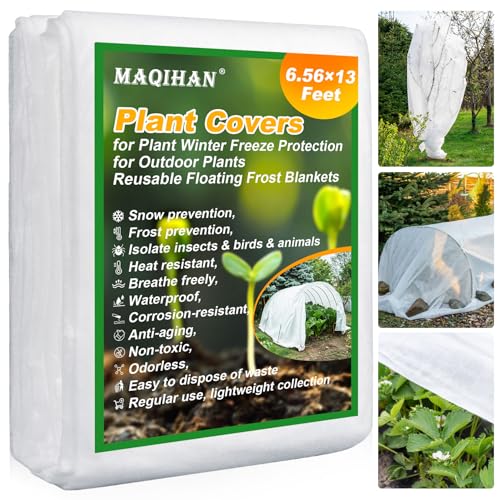
Product Features: Our plant covers are ideal for protecting all plant. Made from premium 1 oz/sq non-woven fabric, their durability and breathability ensuring both insulation against frost and facilitation of sunlight penetration for healthy plant growth
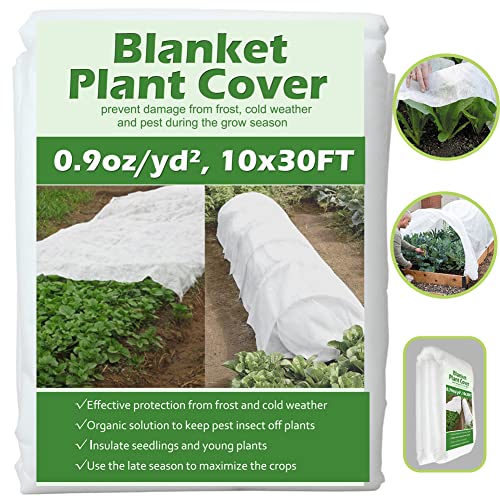
※Big Size to cover large area : The size of our plant cover is 10x30ft, the size can cover large areas. You can cut the plant covers freeze protection into different sizes for different use. You can cover it over the plant such as shrub tomato, pepper, pumpkin, and so on.

Great Helper for Gardening: This YDSL plant covers freeze protection is ideal for gardening enthusiasts and gardeners to protect plants and vegetables, so that your favourite plants can grow as safely as possible in an environment that is more suited to their needs. Garden bed cover is not only suitable for professional growers, but also for beginners in transplanting techniques, with which planting can be done with ease.
Understanding Tomato Plant Growth in Warm Conditions
Tomato plants thrive in warm temperatures, typically between 70°F to 85°F (21°C to 29°C). In these optimal conditions, they exhibit vigorous growth, flower production, and fruit development. However, when temperatures exceed 95°F (35°C), tomato plants might encounter issues such as blossom drop or sunscald on fruits. To mitigate heat stress during hot spells, providing ample shade and consistent watering can help maintain plant health.
The Effects of Cold on Tomato Plant Development
On the flip side, cold temperatures can impede tomato plant growth. Tomatoes are sensitive to frost and chilly nights below 50°F (10°C), which can lead to stunted growth or damage to leaves and fruits. To protect your plants from the cold, consider using row covers or planting them in containers that can be moved indoors during frosty weather. Ensuring proper insulation and mulching around the base of the plants can also help retain soil warmth.
By being mindful of the temperature thresholds that tomato plants can tolerate, you’ll be better equipped to create an optimal growing environment that supports their overall well-being and maximizes your harvest yield.
Temperature Extremes and Tomato Health
Understanding how temperature extremes affect tomato plants is crucial for their well-being. Let’s explore the impact of high temperatures and frost on your tomato plants.
Recommended Products
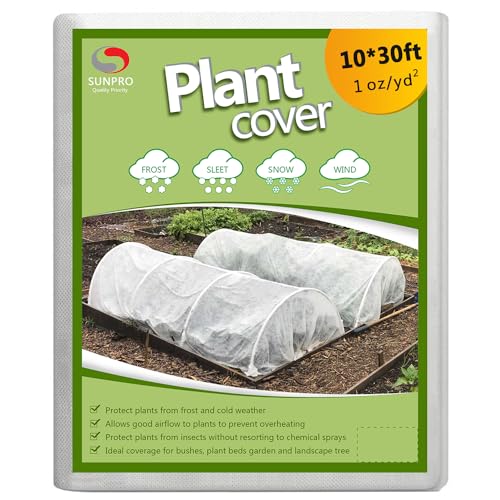
【10ft x 30ft Large Coverage & Cut to Size】Cover up to 300 sq.ft of your garden with this extra-large plant blanket. The 10ft x 30ft rectangular size is perfect for raised beds, large vegetable patches, or fruit trees. Easily cut with scissors to customize for individual shrubs or narrow rows. Its lightweight design ensures it won't crush delicate blossoms while providing a reliable windbreak.

【Best Winterize Protections for Plants & Trees】 Extra Stable Plant Blanket creates and retains warmth while protecting against frosts (down to 38 degrees F.), harsh weather, birds, animals and insect. Faraer 1.06 oz. fabric thick fabric is ideal for extending the growing season into early spring and late fall, or for insulating strawberries, herbs, perennials, small fruits, and other tender landscape plants all winter long.
How High Temperatures Impact Tomato Plants
High temperatures can significantly influence the growth and development of your tomato plants. When exposed to extreme heat, above 85°F, tomato plants may experience stress, affecting their ability to set fruit properly. This can lead to blossom drop, where flowers fall off before producing tomatoes. To prevent this, ensure proper shading during peak sunlight hours and maintain adequate soil moisture levels to help your plants cope with the heat stress.
Frost and Tomato Plant Survival
Tomato plants are sensitive to cold temperatures, especially frost events below 50°F. Frost can damage plant tissues, causing wilting and browning of leaves, ultimately impacting fruit production. To protect your tomato plants from frost damage, consider covering them with row covers or cloths overnight when frost is expected. Additionally, watering the soil before a predicted frost can help retain some heat around the plants and minimize cold damage.
By being aware of how temperature extremes affect your tomato plants and taking proactive measures to mitigate these effects, you can ensure healthy growth and a successful harvest.
Protecting Tomato Plants from Temperature Fluctuations
When it comes to safeguarding your tomato plants from temperature fluctuations, there are effective strategies you can implement to ensure their well-being and productivity. Here’s how you can manage heat stress and protect them during cold weather:
Recommended Products

[Plant Protections]: SMUJU bell jar cloches more effective protection against big snails, birds, poultry, squirrel, hail, sun and frost. Plant protectors from animals without the use of chemistry!To provide you with healthy vegetable plants. Especially, suitable to protect plant from hot sun in summer.


IMPROVE YOUR YIELD: Grow prize-winning tomatoes. Scientifically proven to increase tomato harvests by 40% and more. Patented innovation creates ideal microclimate by raising the air temperature underneath and trapping moisture, while allowing light and air to flow. This allows for rapid plant growth and long term health.
Strategies for Managing Heat Stress
To help your tomato plants cope with high temperatures above 85°F, consider these practical measures:
- Provide Adequate Shade: Shield your plants from excessive sunlight by using shade cloth or planting them strategically where they receive partial shade during the hottest parts of the day.
- Mulch Application: Apply a layer of organic mulch around the base of your tomato plants to regulate soil temperature, retain moisture, and reduce heat stress.
- Proper Watering: Ensure consistent watering practices to keep the soil moist but not waterlogged. Deep watering in the morning helps plants withstand heat later in the day.
Tips for Cold Weather Protection
Protect your tomato plants during chilly periods below 50°F with these helpful tips:
- Covering Plants: Use row covers or cloches to shield your plants from frost damage overnight. Remove covers during the day to allow sunlight and air circulation.
- Water Management: Avoid overwatering in cold weather as soggy soil can lead to root rot. Water early in the day so excess moisture evaporates before nighttime cooling.
By following these strategies for managing heat stress and tips for cold weather protection, you can ensure that your tomato plants thrive despite temperature fluctuations, leading to a bountiful harvest come season’s end.
Conclusion
Now that you’re equipped with strategies to protect your tomato plants from temperature fluctuations, you can ensure they thrive in various conditions. By understanding their ideal temperature range and reactions to heatwaves or cold nights, you can implement techniques like shading, mulching, and proper watering to manage heat stress above 85°F. Similarly, covering your plants and adjusting water intake for temperatures below 50°F will help safeguard them during colder weather. With these simple yet effective methods at your disposal, your tomato plants can overcome temperature challenges and continue to flourish, leading to a bountiful harvest. Remember, a little care during extreme temperatures goes a long way in ensuring the success of your tomato crop!
Frequently Asked Questions
What is the ideal temperature range for tomato plants?
Tomato plants thrive in temperatures between 70-85°F, with optimal growth around 75°F.
How do tomato plants react to heatwaves?
During heatwaves, tomato plants may experience stress, leading to wilting and reduced fruit set.
What can be done to mitigate heat stress in tomato plants?
To mitigate heat stress, provide shade, apply mulch to retain soil moisture, and water consistently during hot spells.
How do cold nights affect tomato plants?
Cold nights can damage tomato plants, causing stunted growth and potential frost injury to leaves and fruits.
What strategies can be used to protect tomato plants during cold weather?
Protect tomato plants from cold by covering them with cloth or plastic and adjusting watering frequency.
