

Are you eager to grow your own fresh lettuce but unsure when to plant it in zone 8b? You’re not alone. Many gardeners face this dilemma, wanting to enjoy crisp greens without the guesswork.
Key Takeaways
- Understanding Zone 8b: This climate features mild winters and warm summers, making it suitable for growing lettuce with careful planning.
- Optimal Planting Times: Plant lettuce in early spring (starting seeds indoors in February or sowing outdoors in March) and again in late summer for a fall harvest.
- Variety Selection: Choose quick-maturing lettuce varieties like Butterhead, Romaine, and Leaf Lettuce that thrive in cooler conditions and local climate.
- Soil Preparation: Ensure well-draining soil with a pH of 6.0 to 7.0 enriched with organic matter, promoting better growth and root establishment.
- Watering and Sunlight: Provide at least 6 hours of sunlight daily, and water deeply about once a week to maintain healthy lettuce plants without overwatering.
- Monitor Weather: Be vigilant about weather conditions, especially for fall plantings, and use row covers to protect seedlings from unexpected frost.
Understanding Zone 8b
Zone 8b features a temperate climate, making it ideal for growing a variety of vegetables, including lettuce. Gardeners enjoy mild winters and warm summers, so knowing this zone’s characteristics helps you plan your planting times effectively.
Climate Characteristics
Zone 8b experiences average minimum winter temperatures ranging from 15°F to 20°F. Spring arrives early, typically between March and April, allowing for a longer growing season. Humidity levels vary, which can affect plant growth. Familiarity with local microclimates, like those near bodies of water or urban areas, enhances your planting success.
Growing Season Overview
The growing season in zone 8b spans from March to November. For lettuce, you can plant in early spring and again in late summer for a fall harvest. Starting seeds indoors in February or directly sowing outdoors in March provides optimal timing for your lettuce crop. Keep in mind that lettuce prefers cooler temperatures, so aim for planting when daytime highs are below 75°F.
Best Time to Plant Lettuce
Knowing the right time to plant lettuce in zone 8b maximizes your success. You’ll enjoy fresh greens by understanding the optimal planting periods.
Recommended Products

Upgraded with Adjustable Ventilation - Gardzen seed starter tray has been newly upgraded with two air vents added to the top, allowing you to easily adjust the ventilation for optimal seed growth. Say goodbye to stagnant air and hello to thriving plants!
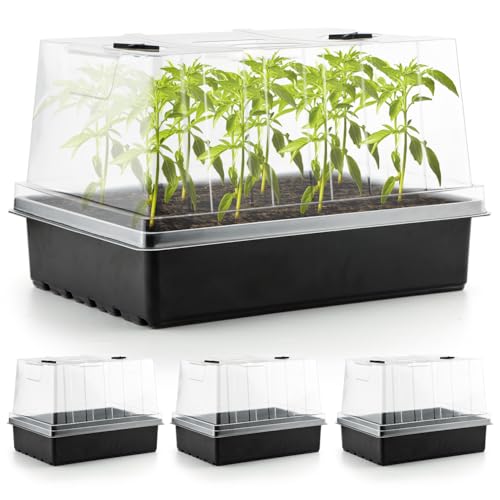
【Extra-Tall 5" Humidity Domes for Stronger Seedlings】Our seed starter kit features 5-inch high domes that securely hold small nursery pots during transport. Acting like a mini tabletop greenhouse, it's perfect for seed starting, seedling propagation, mushroom growing, and container gardening. Give your plants a cozy, protected home and watch them thrive!

High quality transparent plastic cell trays of this seed grow kit make it easy to observe your plants without interrupting the process.
Spring Planting Timeline
Start planting lettuce in early spring. In zone 8b, you can:
- Start Seeds Indoors: Begin in February. Use seed trays and keep them in a sunny location. This jumpstarts the growth process.
- Direct Sow Outdoors: Sow seeds directly in the garden from mid-March through April. The soil temperature should be above 40°F for germination.
- Transplant Seedlings: If you started seeds indoors, transplant seedlings outdoors when they reach about 3 inches in height, optimal around late March.
Lettuce thrives in cooler weather. Aim for daytime temperatures below 75°F for best results.
Fall Planting Timeline
For a fall harvest, plant lettuce in late summer. Here’s how to time it right:
- Direct Sow Seeds: Start sowing seeds in late July through August. This timing allows lettuce to mature before the first frost.
- Select Quick-Maturing Varieties: Choose fast-growing types like Butterhead or Leaf Lettuce. These varieties typically mature in 30-60 days, giving you ample time before winter.
- Monitor Weather: As the days shorten and temperatures drop, cover young seedlings with row covers to protect them from unexpected cold snaps.
By following these guidelines, you can enjoy fresh, crisp lettuce from both your spring and fall planting efforts.
Types of Lettuce Suitable for Zone 8b
When growing lettuce in zone 8b, focus on selecting varieties that thrive in the region’s climate. Here are some types to consider:
Leaf Lettuce Varieties
- Butterhead Lettuce: Known for its tender leaves and sweet flavor, Butterhead varieties are excellent for cool seasons. They mature in about 55 days.
- Romaine Lettuce: Romaine boasts crisp, upright leaves and adds crunch to salads. Expect a growing time of roughly 70 days.
- Red Leaf Lettuce: This variety features colorful, frilled leaves that enhance salads visually. It typically grows in about 45-60 days.
- Green Leaf Lettuce: Green Leaf is a versatile choice with a loose leaf structure, perfect for spring and fall planting. It matures in 45-60 days.
- Frisée: Frisée offers a unique texture with its curly leaves, adding interest to dishes. Harvest it after about 60 days.
- Iceberg Lettuce: Iceberg forms a tight head with crisp leaves. Although it takes longer to mature, at around 80 days, it’s a popular choice for sandwiches.
- Butter Crunch Lettuce: This variety combines the sweetness of Butterhead with the crispness of Romaine. It’s ready to harvest in about 60 days.
- Cos Lettuce: Cos, or Romaine, is renowned for its tall, sturdy leaves that create a crunchy bite. Expect maturity in 70 days.
- Boston Lettuce: Similar to Butterhead, Boston Lettuce features soft, tender leaves. It matures in approximately 55-60 days.
- Crisphead Lettuce: Crisphead types, including Iceberg, yield crunchy heads similar to those found in grocery stores. These take about 75-80 days to fully develop.
Select these varieties based on your planting schedule and whether you prefer sweeter or crisper lettuce types. Growing a mix allows for a variety of flavors and textures, enhancing your homegrown salads.
Planting Tips and Techniques
Planting lettuce in zone 8b can be rewarding when you follow the right techniques. Here’s how to ensure a successful growing season.
Soil Preparation
Prepare your soil before planting lettuce seeds. Use well-draining soil with a pH between 6.0 and 7.0. Start by testing your soil with a kit from a garden center, adjusting pH as needed. Incorporate organic matter, such as compost or well-rotted manure, to enrich the soil and improve texture. Aim for a soil depth of at least 12 inches to allow the roots to establish. Tilling the soil to a fine texture promotes better seed-to-soil contact. Break up large clumps, removing any rocks or debris, and rake the area smooth, ready for planting.
Watering and Sunlight Requirements
Watering lettuce correctly ensures healthy growth. Start by watering the soil when it feels dry to the touch, usually about 1 inch of water per week, including rainfall. Water deeply to reach the roots, but avoid soggy conditions that can lead to rot. Use drip irrigation or soaker hoses to conserve moisture and reduce disease risk.
Lettuce prefers full sun, needing at least 6 hours of light each day, but can tolerate partial shade in the hottest months. If your area experiences high temperatures, provide some afternoon shade to prevent bolting. Monitor your plants regularly to ensure they’re getting adequate water and sunlight, adjusting as needed to keep them thriving.
Conclusion
Growing lettuce in zone 8b can be a rewarding experience when you know the right timing. By planting in early spring and again in late summer you can enjoy fresh greens throughout much of the year. Remember to keep an eye on local weather conditions and adjust your planting schedule as needed.
Choosing the right varieties and preparing your soil will set you up for success. With a little attention to detail and care your homegrown lettuce can thrive. So grab those seeds and get ready to enjoy the crisp taste of your own garden!
Frequently Asked Questions
What is the best time to plant fresh lettuce in zone 8b?
The best time to plant lettuce in zone 8b is in early spring, typically from mid-March through April, and again in late summer for a fall harvest. For spring, start seeds indoors in February or sow directly outdoors when soil temperatures exceed 40°F. For a fall crop, plant seeds in late July through August.
What types of lettuce grow well in zone 8b?
Several types of lettuce thrive in zone 8b, including Butterhead, Romaine, Red Leaf, Green Leaf, Frisée, Iceberg, Butter Crunch, Cos, Boston, and Crisphead. Choose varieties based on your planting schedule and preference for flavor and texture to create a diverse salad.
How can I prepare my soil for planting lettuce?
To prepare your soil for lettuce, ensure it is well-draining with a pH between 6.0 and 7.0. Enrich the soil with organic matter to enhance fertility. Proper soil preparation is crucial for healthy lettuce growth.
How often should I water my lettuce?
Lettuce requires about 1 inch of water per week. It’s best to use drip irrigation to maintain consistent moisture without causing waterlogging. Regularly check soil moisture to ensure your plants stay hydrated.
How much sunlight do lettuce plants need?
Lettuce prefers full sun, requiring at least 6 hours of sunlight daily. However, during the hottest months, providing some shade can prevent bolting, allowing your lettuce to thrive throughout the growing season.
