

Are you eagerly waiting to transplant your tomato seedlings into the great outdoors? Picture this: your windowsill crowded with vibrant green sprouts yearning for sunshine and fresh air. But when is the right time to make that move?
In this article, we’ll guide you through the optimal conditions for transplanting tomatoes outside. You’ll discover essential tips to ensure a successful transition for your plants. Stay tuned to learn how to nurture your tomatoes from indoor beginnings to flourishing garden stars.
Key Takeaways
- Transplant tomatoes outdoors after the last frost date when soil temperature is around 60°F to avoid cold damage.
- Look for signs like true leaves and root growth to determine when tomato seedlings are ready for transplanting.
- Choose a sunny location with well-draining soil enriched with organic matter for optimal tomato growth.
- Harden off seedlings before transplanting by gradually exposing them to outdoor conditions to reduce shock.
- Water transplanted tomatoes deeply but infrequently, and start fertilizing after two weeks using a balanced fertilizer.
- Monitor watering, watch for pests and diseases, and provide necessary support for healthy growth post-transplantation.
Understanding Tomato Transplanting
Transplanting tomatoes is a crucial step in their growth process. Here’s what you need to know to ensure successful transplantation.
The Best Time to Transplant Tomatoes
Transplant your tomato seedlings outdoors after the last frost date in your area. Typically, this is when the soil temperature reaches around 60°F (15.5°C). Planting too early can expose your tomatoes to cold weather, stunting their growth or causing damage.
Signs That Tomatoes Are Ready for Transplant
Look for specific indicators that signal your tomato seedlings are ready for transplanting. Once they have developed their first set of true leaves and are about 6-10 inches tall, they are likely strong enough to thrive outside. Additionally, check if the roots are filling the current container; this shows they need more space to grow.
By paying attention to these key factors, you can ensure a smooth transition for your tomato plants from indoors to the great outdoors.
Preparing for Tomato Transplantation
Before transplanting your tomato seedlings outside, you need to make sure you’ve set the right groundwork. Here are essential steps to get your tomatoes ready for their new outdoor home.
Choosing the Right Location
Select a sunny spot in your garden that receives at least 6-8 hours of sunlight daily. Ensure the area has good air circulation to prevent diseases and enough space for the tomato plants to grow without overcrowding other plants.
Soil Preparation Tips
Prepare the soil by mixing in organic matter like compost or aged manure to improve drainage and provide essential nutrients. Make sure the soil pH is around 6.0-6.8, which is ideal for tomato growth. Test the soil if needed and adjust accordingly with amendments like lime or sulfur before planting.
By following these guidelines, you’ll create an optimal environment for your tomato plants to thrive once they’re transplanted outdoors.
Steps for Transplanting Tomatoes
Recommended Products

Wider Jaw and Lightweight: This professional garden tape tool features a larger 50mm opening jaw. So It can also be widely used on thicker branches. Lighter than old model plant taping machines (Only 0.92lb). It works more efficenlty and can save 50% labor time.

DIG, CULTIVATE, PLANT & WEED >> Effortlessly create perfect planting holes and furrows. Designed with Serrated edges for cutting through roots, removing weeds, and loosen compacted soil as needed. Handy depth gauge so you can transplant with precision.

12 Piece Succulent Kit For Planting Succulents, Gardening, Bonsai Trees, Cactus, Transplanting and other necessary tools.
Hardening Off Tomato Seedlings
To prepare your tomato seedlings for outdoor conditions, start hardening them off about a week before transplanting. Place them outside in a sheltered spot for a few hours each day, gradually increasing their exposure to sunlight and wind. This process helps acclimate the plants to the outdoor environment, reducing transplant shock.
The Transplanting Process
When your tomato seedlings are ready for transplanting, choose a sunny location with well-draining soil that has been enriched with organic matter. Dig a hole deep enough to cover most of the stem and gently remove the seedling from its container. Plant it in the hole, firm the soil around it, and water thoroughly. Ensure proper spacing between plants to allow for good air circulation and optimal growth.
Remember to water your newly transplanted tomatoes regularly, especially during dry spells, and provide support as they grow taller. With these steps, you can successfully transplant your tomato seedlings outdoors and look forward to a bountiful harvest.
Caring for Transplanted Tomatoes
After you’ve successfully transplanted your tomato seedlings, it’s crucial to continue providing proper care to ensure healthy growth and a bountiful harvest. Here are some essential tips to help you care for your transplanted tomatoes effectively:
Recommended Products

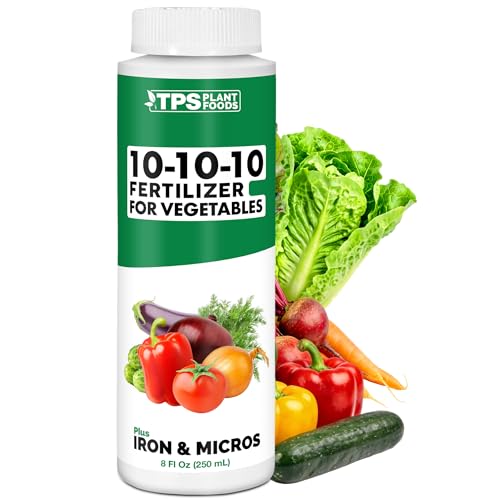
ORGANIC PLANT FOOD: This liquid fertilizer for tomatoes & vegetables provides nutrients to ensure superior results.
Supports Roots, Foliage & Yield – Helps encourage strong roots, healthy leaves, and productive harvests.

🌿 Balanced 10-10-10 Granular Fertilizer for Outdoor & Indoor Plants: All-purpose plant food with 10% Nitrogen, 10% Phosphorus, and 10% Potassium. Perfect for outdoor vegetable gardens, fruit trees, evergreens, shrubs, lawns, and flowers. Also great for potted plants and indoor gardening. One solution for all your plant needs!
Watering and Fertilizing Post-Transplant
- Watering: Keep the soil consistently moist but not waterlogged. Aim to water deeply once or twice a week, allowing the top inch of soil to dry out between watering sessions.
- Fertilizing: Start fertilizing your transplanted tomatoes about two weeks after transplanting. Use a balanced fertilizer with equal parts nitrogen, phosphorus, and potassium to promote strong root development and fruit production.
- Overwatering: Watch out for overwatering, as it can lead to root rot and other issues. Ensure proper drainage in your planting area and adjust your watering schedule accordingly.
- Pests and Diseases: Keep an eye out for common tomato pests like aphids, hornworms, and fungal diseases such as early blight. Consider using organic pest control methods or consult with a local gardening expert for effective solutions.
By following these care tips diligently, you’ll give your transplanted tomatoes the best chance at thriving in their new outdoor environment. Remember that consistent monitoring, timely watering, and proactive pest management are key aspects of successful tomato cultivation post-transplantation.
Conclusion
Transplanting your tomatoes outside is an exciting step in your gardening journey. By understanding the timing, indicators, and care tips discussed in this article, you’re equipped to ensure the successful growth of your tomato plants. Remember to be patient and attentive to their needs as they adjust to their new outdoor environment. With proper watering, fertilizing, and pest management, you’ll soon enjoy a flourishing tomato garden. Happy gardening!
Frequently Asked Questions
When is the best time to transplant tomato seedlings?
Transplant tomato seedlings after the last frost date in your area for optimal growth and survival.
What are key indicators of readiness for transplanting tomatoes?
Look for sturdy stems, well-developed leaves, and roots filling the seedling container as signs of readiness.
How should I care for transplanted tomato plants?
Water transplanted tomatoes deeply but infrequently, fertilize regularly with balanced nutrients, and monitor for pests and diseases.
What are the risks of overwatering transplanted tomatoes?
Overwatering can lead to root rot, nutrient leaching, and susceptibility to fungal diseases in tomato plants.
Why is pest and disease management important for transplanted tomatoes?
Proper pest and disease management helps prevent damage to the plants, ensuring healthy growth and a successful harvest.
