

Ever wondered what to plant after beets have had their time to shine in your garden? Feeling a bit lost on what comes next in your planting journey? You’re not alone! It’s a common dilemma many gardeners face. But fear not, as we’re here to guide you through this green conundrum.
Picture this: your beet harvest was a success, but now you’re staring at that empty patch of soil, unsure of what to do next. That’s where we step in to lend a helping hand. We’ve got just the right tips and suggestions to keep your garden thriving and your enthusiasm blooming.
In this article, we’ll share valuable insights on what to plant after beets, ensuring your garden remains vibrant and productive throughout the growing season. Stay tuned to discover the perfect follow-up plants that will complement your beet-growing success seamlessly.
Evaluating Your Soil
When deciding what to plant after harvesting beets, the first step is to assess your soil’s condition. Here’s why this is crucial:
- Healthy soil provides the necessary nutrients for your plants to thrive.
- Different plants have varying soil needs, so assessing helps you choose the right ones.
- Soil pH affects nutrient availability, impacting plant growth.
Recommended Products

Quick, at home results for Soil pH, Nitrogen, Phosphorous and Potash Innovative and inexpensive soil test kit features an easy-to-use capsule system and patented color comparators

Comprehensive Soil Analysis: Liquid soil test kits offer a comprehensive analysis of essential soil parameters, including pH, ammonia, nitrogen, phosphorus, and potassium. Having all these measurements in one kit provides a holistic understanding of the soil's fertility and health.

KNOW BEFORE YOU GROW | Grow the healthiest, sustainable lawn and garden with the most accurate and easy to use professional soil test kit on the market
How to Evaluate Your Soil
- Soil Test: Conduct a soil test to determine pH levels and nutrient content.
- Texture: Assess if your soil is sandy, clay, or loamy for proper drainage.
- Moisture: Check soil moisture levels as they impact plant root health.
- pH Levels: Most plants prefer a pH range of 6.0-7.0.
- Nutrients: Focus on nitrogen, phosphorus, and potassium levels for plant growth.
Knowing your soil’s characteristics will guide you in choosing the best plants to follow your beet harvest.
Crop Rotation Guidelines
- **Rotate crops to help maintain soil health and fertility.
- **Select plants with different nutrient needs from beets to avoid depleting specific nutrients in the soil.
- **Consider planting legumes after beets as they can fix nitrogen in the soil.
Remember, proper crop rotation can benefit your garden in the long run.
Keep in mind the following:
- Crop Rotation Benefits
| Improved Soil Health | Increased Nutrient Availability | Pest and Disease Control |
|---|---|---|
| Reduced Soil Erosion | Enhanced Biological Activity | Balanced Ecosystem |
- Crop Rotation Steps
- **Identify plant families and their specific needs for nutrients.
- **Group plants into categories to rotate efficiently.
- **Plan rotation cycles (e.g., 3-4 years) for optimal soil health.
By following these guidelines, you can ensure continued success in your garden after beets.
Recommended Products

TOP-RATED NUTRITIONAL HEIRLOOM: Detroit Dark Red is a premium, high-yielding, and stress-resistant beet variety that stands at the pinnacle of root vegetables. This all-season favorite is a mid-early universal cultivar, perfect for consistent home harvests of professional quality.
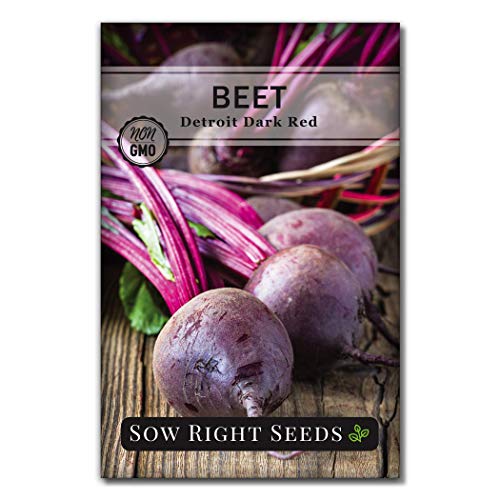
Beautiful - Large premium packet of Detroit Dark Red Beet (Beta var. ‘Detroit Dark Red’) seeds. Vivid, dark red 2-3" round beets have sweet flesh and tasty edible greens. This resilient variety can tolerate temperature variations, offering high productivity even in less-than-ideal soil conditions. Minimum of 1.5 g per packet (about 90 seeds).

🌱 Heirloom Bull’s Blood Beet Seeds – Grow a classic beet variety known for deep red roots, beautiful burgundy stems, and flavorful edible greens.
Companion Planting Options
When deciding what to plant after beets, companion planting can enhance the overall health and productivity of your garden. Here are some options to consider:
- Carrots: Pairing carrots with beets can be beneficial as carrots help break up the soil for better beet growth and vice versa. Plus, they have different root depths that prevent competition for nutrients.
- Lettuce: Planting lettuce after beets can utilize the leftover nutrients in the soil while providing a leafy crop rotation.
- Tomatoes: Consider planting tomatoes after beets to encourage diversity in your garden and to help deter pests that may be attracted to beet crops.
- Radishes: Growing radishes after beets can help with soil aeration and disease prevention due to their quick maturity cycle.
- Spinach: Spinach can follow beets in crop rotation as it has similar nutrient requirements and planting spinach can help maintain soil health.
- Beans: Planting beans after beets, especially legumes like green beans or soybeans, can contribute to nitrogen fixation in the soil, benefiting future crops.
Incorporating these companion planting options can further optimize your garden’s soil health and nutrient balance post-beet harvest.
Succession Planting Strategies
Now that you’ve harvested your beets, it’s time to think about what to plant next to keep your garden flourishing. Here are some smart strategies to consider:
- Rotate Crops: Planting different crops in the same spot each season can help prevent soil depletion and reduce the buildup of pests and diseases.
- Plan for Diversity: Mix things up by planting a variety of crops with different nutrient needs to keep the soil balanced and healthy.
- Utilize Cover Crops: Consider planting cover crops like clover or rye after beets to protect and enrich the soil during the off-season.
- Interplanting: Try planting quick-growing crops like radishes in between slower-growing ones to make the most of your garden space.
- Herb Companion Planting: Herbs like basil and mint can be great companions for many vegetables, offering both pest control and flavor enhancement.
- Succession Planting: Instead of planting everything at once, stagger your plantings to ensure a continuous harvest throughout the growing season.
- Perennial Crops: Consider adding perennial crops like asparagus or rhubarb to your garden for long-term productivity and minimal replanting.
Recommended Products
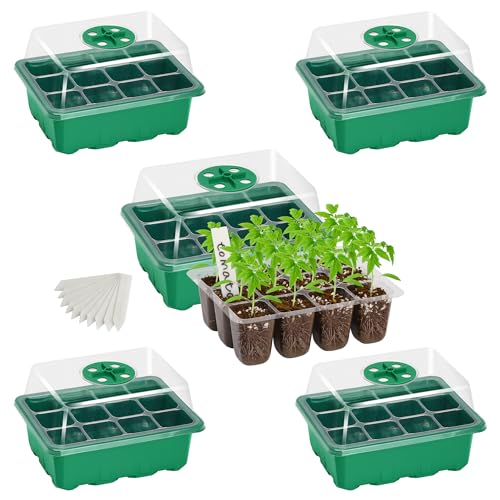
【Keep an eye on your plant】: The only design in the market- High quality clear plastic trays of this seed grow kit make it easier to observe your plants without interrupting the process.

Promotes Healthy Root Development: Each cell measures 1.5" square by 2.25" deep, designed to promote healthy root development and ensuring your seedlings get a strong start for robust growth.
Conclusion
You now have a wealth of options for planting after harvesting your beets. By implementing crop rotation, diversifying your plantings, incorporating cover crops, interplanting quick-growers, utilizing herb companion planting, practicing succession planting, and adding perennial crops, you can ensure the health and productivity of your garden post-beet season. These strategies not only benefit your soil and plants but also enhance your overall gardening experience. Experiment with these techniques to create a vibrant and sustainable garden that continues to thrive long after your beet harvest. Happy planting!
Frequently Asked Questions
What is crop rotation and why is it important?
Crop rotation is the practice of planting different crops in the same area seasonally to prevent nutrient depletion and reduce pests and diseases.
How can diversity in planting benefit soil health?
Diverse planting helps maintain soil structure, enhances nutrient availability, and promotes beneficial soil organisms for overall soil health.
What are cover crops used for in post-beet harvest planting?
Cover crops like clover or rye protect soil from erosion, add organic matter, improve soil fertility, and suppress weeds post-harvest.
What is interplanting and why is it beneficial?
Interplanting involves planting fast-growing crops like radishes between slower-growing crops to maximize space, promote soil aeration, and reduce weed growth.
How does herb companion planting help with pest control?
Herb companion planting deters specific pests naturally, attracts beneficial insects, and enhances the flavors of neighboring plants.
What is succession planting and why is it useful?
Succession planting involves planting new crops as soon as old ones are harvested, ensuring a continuous supply of fresh produce throughout the season.
What are the benefits of adding perennial crops like asparagus or rhubarb?
Perennial crops require less maintenance, offer long-term harvests, improve soil structure, and enhance biodiversity in the garden ecosystem.
